
Introduction to CNC Machining
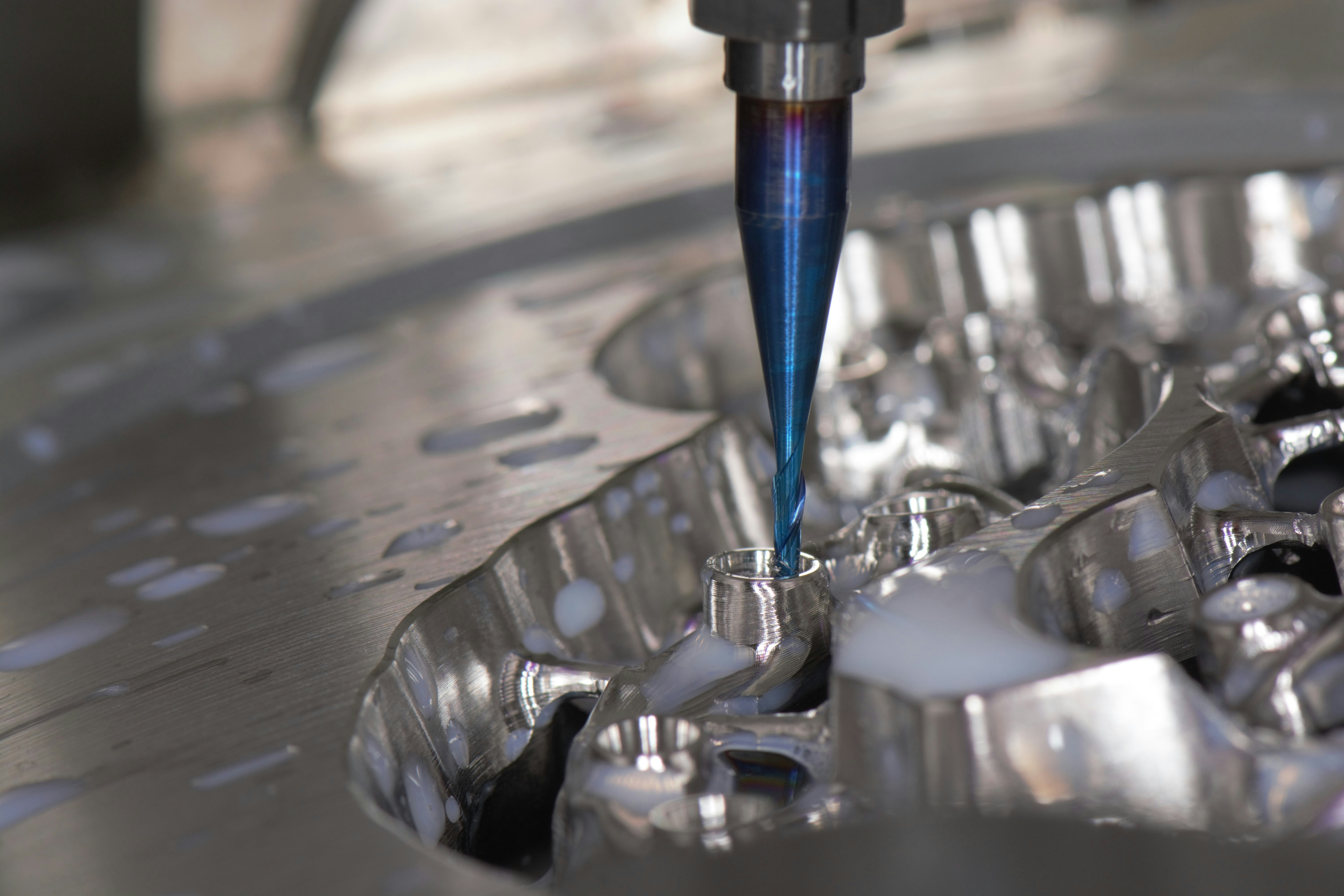
CNC machining, or Computer Numerical Control machining, represents a cutting-edge method of manufacturing that automates the control of machine tools through software programs. At its core, CNC machining converts digital designs generated through computer-aided design (CAD) software into precise specifications that guide machines in the manufacturing process. This technology has revolutionized how various industries operate, notably the automotive sector, by enhancing production efficiency and product accuracy.
The fundamental principles of CNC machining hinge on the use of computers to direct the movements of machinery such as lathes, mills, routers, and grinders. Unlike traditional machining methods, which rely heavily on manual operation and human intervention, CNC machining operates on a pre-programmed computer set of instructions. This transition from manual to automated processes allows for greater precision and repeatability, two critical factors in the production of complex automotive parts.
Another distinguishing characteristic of CNC machining is its ability to work with a wide array of materials, including metals, plastics, and composites. This versatility enables manufacturers to create components tailored to specific automotive applications, from engine parts to intricate interior details. The high degree of accuracy achieved by CNC machining minimizes material waste and enhances sustainability within the manufacturing process, addressing increasing environmental concerns.
In summary, CNC machining stands as a vital advancement in the manufacturing industry. By harnessing the power of automation and computer technology, it allows for the efficient production of high-quality automotive parts. Understanding the principles and benefits of CNC machining is essential for grasping its significant role in contemporary automotive manufacturing and the broader implications for industry practices.
Importance of CNC Machining in the Automotive Industry
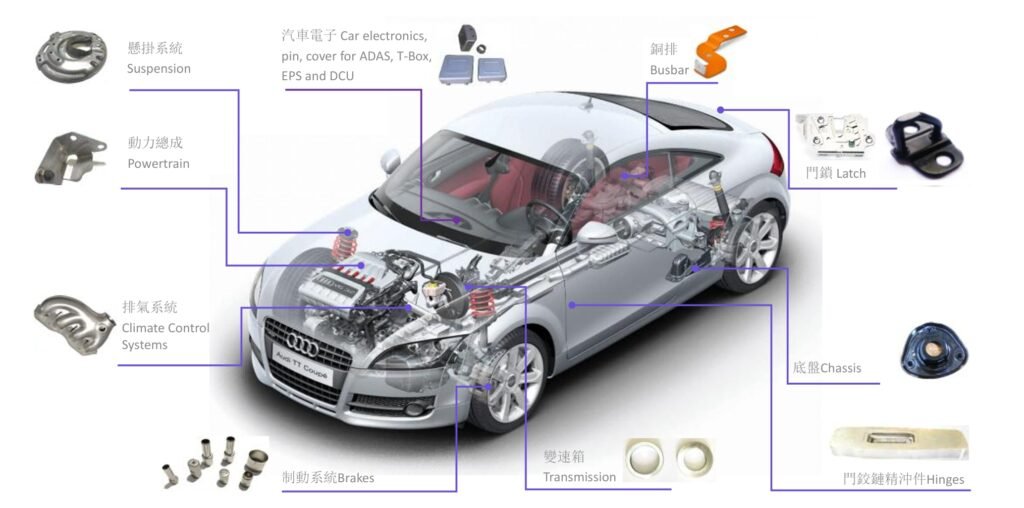
CNC machining plays a crucial role in the automotive industry, serving as the backbone for the production of intricate and precise components. The efficiency of CNC (Computer Numerical Control) machining allows manufacturers to produce parts with exceptional accuracy, directly influencing the performance and safety of vehicles. As the demand for high-quality automotive parts continues to rise, the precision afforded by CNC technology ensures that even the most complex designs are achieved with minimal errors. This level of precision is vital, as automotive components must often fit together perfectly to maintain the integrity of the entire vehicle system.
Moreover, the efficiency of CNC machining significantly enhances the production process. Traditional manufacturing methods can be labor-intensive and time-consuming, often leading to extensive delays and increased costs. In contrast, CNC machining automates various stages of production, streamlining operations and reducing lead times. The ability to quickly transition from one part design to another also allows manufacturers to adapt to changing market demands without compromising on quality. This flexibility is especially advantageous in today’s fast-paced automotive sector, where innovation and responsiveness are key to staying competitive.
Cost-effectiveness is another vital benefit of CNC machining in automotive parts manufacturing. Though the initial investment in CNC machinery can be substantial, the long-term savings it provides are considerable. Reduced waste, faster production cycles, and higher quality output result in lower overall manufacturing costs. Additionally, the consistency achieved through CNC machining minimizes the necessity for rework, further contributing to financial savings for automotive manufacturers. Consequently, the integration of CNC technology serves not only to improve the quality of automotive components but also to enhance operational efficiency and fiscal sustainability within the industry.
Key CNC Machining Processes Used in Automotive Parts
CNC machining has revolutionized the production of automotive parts by offering precise and efficient processes that ensure high-quality components. Among the prominent methods utilized are milling, turning, drilling, and grinding. Each of these processes plays a crucial role in the manufacturing of complex automotive parts, catering to distinct requirements in terms of shape, size, and functionality.
Milling is one of the most widely applied CNC machining processes in the automotive industry. This method uses rotary cutters to remove material from a workpiece, allowing for the creation of intricate shapes and features. It is particularly advantageous for producing components such as engine blocks and brackets, where precision and dimensional accuracy are critical. The versatility of milling machines enables the execution of various operations, including contouring and faceting, which are essential in automotive part creation.
Turning, another fundamental process, involves rotating a workpiece while a cutting tool moves linearly along its length. This technique is commonly employed to produce cylindrical parts like shafts and spindles. The ability to create uniform diameters and smooth finishes makes turning indispensable in automotive applications. Its efficiency in handling large production runs also helps manufacturers meet increasing demand within the automotive sector.
Drilling is yet another CNC machining operation extensively used for automotive components. This process generates precise holes in parts, which are vital for assembling various automotive systems. CNC drilling machines can achieve high accuracy and repeatability, making them ideal for producing parts that require exact specifications, such as mounting holes for engines or transmissions.
Finally, grinding is implemented for refining parts to achieve tight tolerances and excellent surface finishes. This technique is often used on hardened materials and for finishing operations, ensuring that automotive parts perform optimally under varying conditions.
Materials Used in CNC Machining for Automotive Components
CNC machining plays an integral role in automotive parts manufacturing, allowing for the precise shaping and fabrication of complex components. The choice of materials used in this process significantly influences the performance, durability, and overall efficiency of automotive parts. Commonly utilized materials include metals, plastics, and composites, each offering distinct advantages tailored to specific applications within the automotive industry.
Metals are perhaps the most prevalent materials employed in CNC machining for automotive components. Aluminum, steel, and titanium are particularly favored due to their excellent mechanical properties, including strength, lightweight characteristics, and resistance to corrosion. For instance, aluminum is widely used due to its favorable strength-to-weight ratio, making it ideal for reducing vehicle weight and improving fuel efficiency. Steel, on the other hand, provides exceptional toughness and rigidity, essential for structural components such as chassis and frames. In some high-performance applications, titanium is chosen for its superior strength and thermal stability, although it is more expensive and challenging to machine.
In addition to metals, plastics have emerged as vital materials in automotive CNC machining. Engineering plastics, such as polycarbonate and nylon, are utilized for interior components, housings, and certain functional parts, where weight reduction and ease of manufacturing are desirable. The versatility of plastics enables automotive manufacturers to produce intricate designs while minimizing assembly time. Furthermore, advancements in material formulations have enhanced the mechanical properties of these plastics, making them suitable for more demanding applications.
Lastly, composites are increasingly gaining traction in the automotive sector. Materials like carbon fiber reinforced polymers and fiberglass offer exceptional strength and lightweight characteristics, ideal for applications where performance and fuel efficiency are critical. These materials allow manufacturers to create parts that not only weigh less but also exhibit superior mechanical performance under various conditions.
Benefits of Using CNC Machining in Automotive Manufacturing
The integration of CNC machining in automotive manufacturing brings forth a multitude of advantages that significantly enhance production processes. One of the foremost benefits is the remarkable increase in production speed. CNC (Computer Numerical Control) machines are programmed to operate with precision and efficiency, allowing for rapid production cycles. This speed not only accelerates the manufacturing process but also enables automotive manufacturers to meet tight deadlines and respond swiftly to market demands.
Another significant advantage of CNC machining is the substantial reduction in human error. Traditional manufacturing methods often involve manual processes that are susceptible to inconsistencies and mistakes. With CNC machining, machines execute tasks based on digital blueprints, thereby minimizing the risk of errors that can impact product quality. This level of precision ensures that components are manufactured to exact specifications, which is crucial in the automotive industry where tolerances are often minimal.
Safety is also enhanced through the use of CNC machining. Automated systems reduce the need for human intervention in hazardous environments, thereby decreasing the risk of workplace accidents. Operators can monitor and control machining processes from a safe distance, utilizing advanced software that tracks performance and identifies potential issues before they escalate. This proactive approach to safety not only protects workers but also contributes to a more efficient manufacturing process.
Furthermore, CNC machining allows for the creation of highly intricate designs that would be challenging to achieve with conventional methods. The flexibility of CNC programming enables manufacturers to produce complex geometries and custom components that cater to specific design requirements. This capability not only fosters innovation in automotive design but also allows for the production of lightweight and high-strength parts, contributing to overall vehicle performance.
In conclusion, the implementation of CNC machining in automotive manufacturing offers significant advantages, including increased production speed, reduced human error, enhanced safety, and the capacity to create complex designs, all of which are essential for maintaining competitiveness in today’s fast-paced automotive industry.
Challenges in CNC Machining for the Automotive Industry
CNC machining has revolutionized the automotive industry, offering precision and efficiency in manufacturing. However, several challenges and limitations accompany its implementation. One of the primary concerns is the high initial investment required for CNC machines. The cost of advanced CNC equipment, coupled with the necessary software and technology, can be prohibitive for many manufacturers. This substantial upfront cost can be a significant barrier for smaller automotive firms, potentially limiting their ability to compete with larger organizations that can absorb these expenses more readily.
Additionally, the maintenance requirements of CNC machines contribute to ongoing operational challenges. These machines, while designed for durability and precision, require regular maintenance to function optimally. Schedule downtime for maintenance can disrupt production processes, affecting overall productivity and lead times. For automotive manufacturers who rely on tight schedules to remain competitive, this aspect of CNC machining can create significant operational hurdles.
Furthermore, the need for skilled operators presents another challenge in the CNC machining landscape. While the technology allows for sophisticated automation, human expertise is still required to program, monitor, and troubleshoot the machines effectively. The automotive industry is experiencing a skills gap, with fewer trained operators available to meet rising demands. Consequently, manufacturers face the dual challenge of investing in training programs to upskill their workforce while also managing the complexities associated with the integration of CNC technology.
These challenges, alongside the complexities of adapting to rapidly evolving automotive standards, underscore the necessity for manufacturers to thoroughly evaluate their CNC machining capabilities. By understanding these limitations, companies can align their operational strategies more effectively and enhance their competitiveness in the automotive parts manufacturing sector.
Future Trends in CNC Machining for Automotive Parts
The automotive industry is poised to experience significant transformation in the coming years, largely driven by advancements in CNC machining technologies. One prominent trend is the increasing integration of automation within manufacturing processes. As vehicle production demands rise, manufacturers are leveraging automated CNC machines to enhance performance and efficiency. These machines can operate continuously, significantly reducing production times, lowering labor costs, and minimizing human error. The ongoing shift toward smart factories, where machines communicate in real-time, is expected to further streamline operations and optimize production lines.
Another trend influencing CNC machining in automotive parts manufacturing is the rise of artificial intelligence (AI). AI technologies can enhance the machining process by predicting potential issues, providing predictive maintenance, and optimizing machining parameters in real-time. This capability not only improves the quality of automotive components but also reduces waste and enhances energy efficiency in manufacturing processes. The implementation of AI-driven systems could lead to a paradigm shift in how automotive parts are designed, produced, and tested.
Furthermore, advancements in materials technology are paving the way for innovative machining methods. The automotive sector is increasingly utilizing lightweight and high-strength materials, such as composites and advanced alloys, to improve performance and fuel efficiency. CNC machining techniques are evolving to accommodate these materials, leading to the development of specialized cutting tools and techniques that ensure precision and structural integrity. The ability to manipulate diverse materials effectively will allow automotive manufacturers to push the boundaries of design and functionality.
In conclusion, the future of CNC machining in the automotive parts industry looks promising, with trends such as automation, AI integration, and advancements in materials shaping the landscape. These innovations hold the potential to revolutionize how automotive components are manufactured, resulting in enhanced efficiency, improved quality, and reduced production costs. As the industry adapts to these changes, the continued evolution of CNC machining will undoubtedly play a critical role in meeting the demands of modern automotive manufacturing.
Case Studies of CNC Machining in Automotive Applications
CNC machining has emerged as a transformative technology in the automotive industry, allowing manufacturers to produce complex components with precision and efficiency. Numerous companies have successfully leveraged CNC technology to optimize their production processes, resulting in better quality parts and reduced lead times. One notable case is the use of CNC machining by BMW in producing precision-engineered components for their high-performance vehicles. By implementing advanced CNC techniques, BMW was able to significantly improve the dimensional accuracy of engine parts, thereby enhancing overall engine performance and reliability.
Another exemplary case is Ford Motor Company, which adopted CNC machining in their production lines for die-casting mold components. The integration of CNC technology enabled Ford to expedite the mold-making process, reducing production times while maintaining high-quality standards. This helped Ford to effectively respond to evolving market demands and reduce costs associated with mold production. Their CNC-driven solutions not only improved the manufacturing workflow but also played a key role in implementing sustainable practices by minimizing waste generated during production.
Furthermore, a leading supplier of automotive components, such as Delphi Technologies, utilized CNC machining to optimize the manufacturing of complex electronic control units (ECUs). The company realized significant advantages in terms of precision and repeatability, qualities that are critical in automotive applications. By adopting CNC technology, Delphi has managed to enhance the durability and functionality of their products, ultimately leading to improved vehicle safety and performance.
These case studies highlight the efficacy of CNC machining in streamlining automotive parts manufacturing. Through precise engineering and consistent quality control, companies have not only addressed manufacturing challenges but have also set a benchmark for innovation and efficiency within the automotive sector. The overall impact of CNC machining continues to shape the future of automotive production, paving the way for advancements that align with modern consumer needs and industry standards.
Conclusion and Future Outlook
The automotive industry has experienced significant transformations due to the integration of CNC machining technologies. Throughout this discussion, we have emphasized the pivotal role that CNC machining plays in enhancing precision, efficiency, and customization of automotive parts. As manufacturers increasingly adopt CNC methods, they benefit from reduced production times, minimized waste, and improved quality of components. These advantages not only streamline production processes but also contribute to the overall sustainability of manufacturing practices in the automotive sector.
Moreover, we explored the various capabilities of CNC machining, such as the ability to design complex geometries and handle diverse materials, thereby accommodating the evolving demands of the automotive market. This flexibility allows manufacturers to innovate continuously and meet strict regulatory standards and consumer expectations. As automation and digital manufacturing techniques become more entrenched within the industry, CNC machining will likely serve as a foundation for future advancements, further elevating the quality and performance of automotive parts.
Looking ahead, the automotive industry is poised for even greater integration of CNC technologies. Emerging innovations, particularly in areas such as artificial intelligence, cloud computing, and the Internet of Things (IoT), are expected to optimize CNC processes further. Such advancements are likely to enable real-time monitoring and management of production operations, enhancing overall efficiency and responsiveness. Therefore, manufacturers must remain vigilant and adaptable to these technological changes to maintain competitive advantage.
In conclusion, CNC machining not only impacts the present landscape of automotive parts manufacturing but is also set to shape its future. The ongoing advancements in this area will have lasting repercussions, influencing everything from design to production efficiency. As we move forward into a new era of automotive manufacturing, embracing these changes will be crucial for companies aiming to thrive in an increasingly competitive market.