
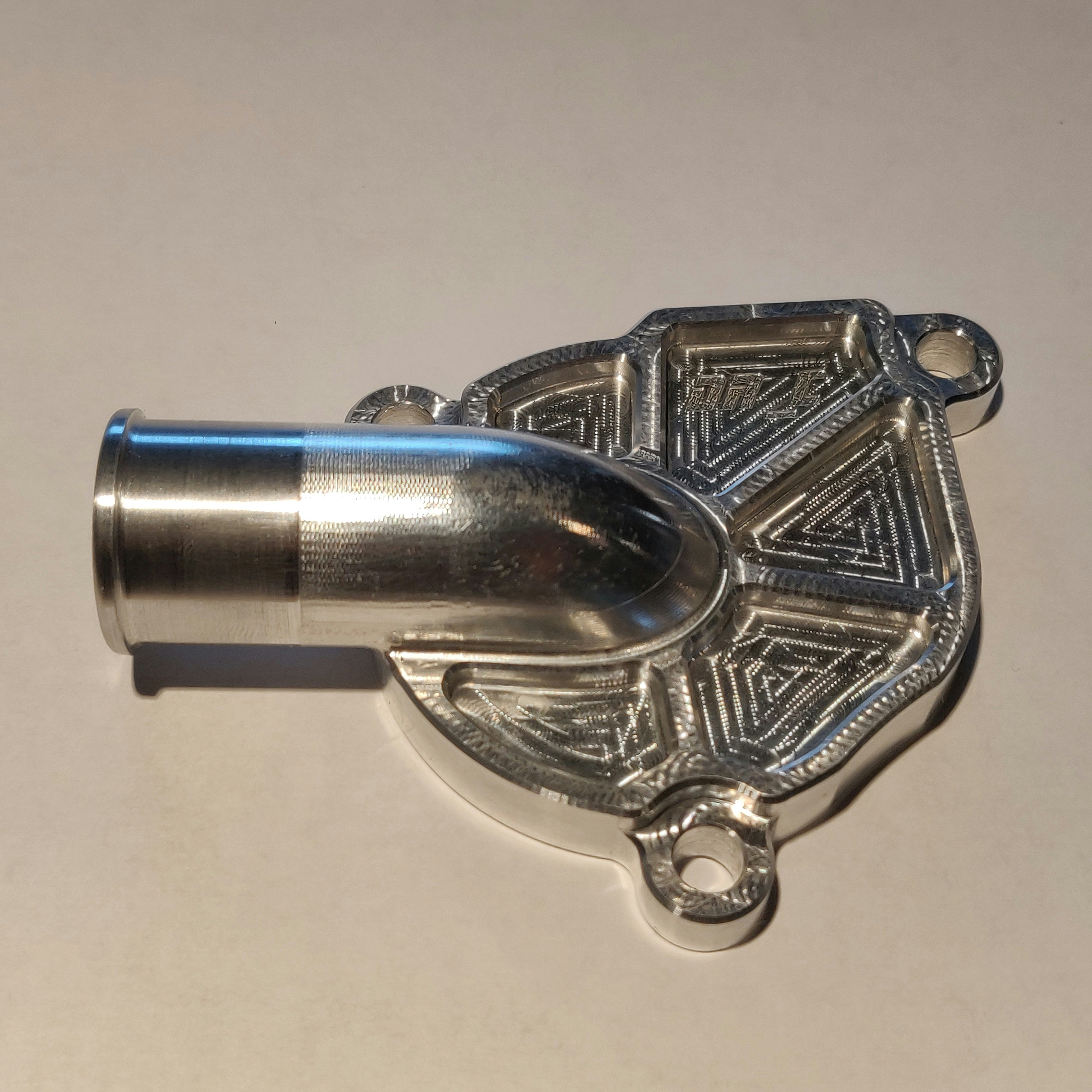

Introduction to Machined Metal Parts
Machined metal parts are intricately produced components created through various machining processes that involve the removal of material from a solid block of metal. This precision engineering technique allows for the creation of complex shapes and specifications required in numerous applications across multiple industries. The importance of machined metal parts cannot be understated, as they form the backbone of modern manufacturing and development in sectors such as automotive, aerospace, and general manufacturing.
The machining process encompasses a range of methodologies, including turning, milling, drilling, and grinding, each tailored to achieve specific features and tolerances. During these processes, a piece of raw metal is shaped into finished components by utilizing tools that cut, abrade, or deform the material. This level of custom fabrication is integral for meeting stringent quality and performance standards, especially in fields where safety and reliability are paramount, such as in the production of aircraft or vehicles.
Using machined metal parts offers several advantages. For instance, these components are typically made from high-strength materials, which enhance their durability and longevity. This is particularly beneficial in industries where the components are subjected to extreme stress or harsh environmental conditions. Furthermore, precision machining allows for a high degree of accuracy, ensuring that parts fit and function together seamlessly within larger assemblies. This accuracy is crucial in reducing waste, minimizing errors, and increasing overall efficiency in manufacturing processes.
Additionally, the capability to create customized parts through machining is vital for industries that require non-standard components. With the integration of advanced technologies such as computer numerical control (CNC) machining, the production of machined metal parts has become more efficient and versatile, capable of accommodating large scale production while maintaining high precision. As industries continue to advance, the role of machined metal parts remains a critical element in technological development and innovation.
Types of Machining Processes
Machining processes play a pivotal role in the manufacturing of metal parts, offering precision and versatility that are essential in various industries. This section explores the most common machining methods: milling, turning, drilling, grinding, and electrical discharge machining (EDM).
Milling is a subtractive machining process utilized to remove material from a workpiece by feeding it past a rotating multipoint cutting tool. Common tools used in milling include end mills and face mills. Materials typically machined in this manner include aluminum, steel, and plastics, making it suitable for producing complex shapes and detailed features such as grooves and slots. The versatility of milling makes it essential in automotive, aerospace, and general manufacturing applications.
Turning, on the other hand, involves the rotation of the workpiece against a single-point cutting tool, allowing for the creation of cylindrical parts. Lathes are the primary equipment used in this process, and it can efficiently machine materials like metals and plastics. Turning is predominantly used for tasks such as producing shafts, pins, and bushings, making it vital for parts where symmetry is key.
Drilling is another fundamental machining process that creates holes in a workpiece. Typically performed using drill bits, this technique is essential for adding dimensions and features to design parts accurately. Suitable materials range from metals like stainless steel to softer materials like wood. Drilling is widely used in construction, manufacturing, and assembly industries.
Grinding is used to achieve high precision and smooth finishes, involving the use of abrasive wheels to remove material. This process is ideal for hard materials such as tool steels and ceramics and is commonly employed in the finishing stages of production, ensuring components meet exact specifications.
Lastly, electrical discharge machining (EDM) uses electrical discharges to remove material and is particularly effective with hard metals. EDM is crucial for creating intricate shapes and features in molds and dies, making it a popular choice in the manufacturing of precision parts.
Materials Used for Machined Metal Parts
Machined metal parts are integral to various industries, including automotive, aerospace, and manufacturing. The selection of appropriate materials plays a crucial role in determining the part’s performance, functionality, and suitability for specific applications. Here, we explore several metals and plastics that are frequently utilized in machining processes.
Steel is one of the most widely used materials due to its superior strength and versatility. It comes in various grades, including carbon steel, alloy steel, and stainless steel. Carbon steel, for instance, features excellent hardness and wear resistance, making it suitable for parts subjected to high stress. Stainless steel, celebrated for its corrosion resistance, is often chosen for applications in harsh environments, such as in the food and medical industries.
Aluminum is another popular choice in machining, primarily due to its lightweight nature and excellent machinability. Aluminum’s inherent resistance to corrosion and its ability to conduct heat and electricity make it ideal for applications in electronics, automotive, and aerospace sectors. Moreover, various aluminum alloys can enhance strength and durability, allowing designers to tailor the material properties to meet specific needs.
Brass, an alloy of copper and zinc, is frequently selected for its excellent machinability and aesthetic properties. It is particularly beneficial for parts requiring low friction, such as gears and fasteners. Furthermore, brass exhibits good corrosion resistance, which makes it suitable for plumbing fixtures and decorative applications.
Titanium, known for its high strength-to-weight ratio and exceptional corrosion resistance, is increasingly used in aerospace and medical applications. While machining titanium poses challenges due to its toughness, its superior performance in demanding environments makes it a material of choice for critical components.
Lastly, plastics are also becoming an essential category in machined components. Materials like polycarbonate and nylon offer lower weights and can resist chemicals, making them suitable for specialized applications. The choice of material during the design phase is vital, as it impacts the functionality, durability, and cost-effectiveness of the machined part.
Precision and Tolerances in Machining
Precision and tolerances play a critical role in the production of machined metal parts, influencing functionality, performance, and overall quality. Tolerances refer to the allowable variations in the dimensions and physical properties of a machined component. They are essential not only for ensuring that parts fit together correctly, but also for maintaining the integrity of the mechanical system they are part of. Tight tolerances may be required for high-performance applications, such as in aerospace or medical devices, where even minor deviations could have significant implications.
Adhering to specified tolerances is imperative to ensure that machined parts meet the requisite functionality and reliability standards. If the tolerances are not maintained, it can lead to issues such as improper assembly, excessive wear, or potential failure of components under load. Consequently, engineers must carefully consider the required tolerances during the design phase, balancing performance requirements with manufacturability and cost efficiency.
To achieve precise machining, various measurement techniques and tools are employed. Gauges, such as micrometers and calipers, are commonly used for manual measurements, while advanced technologies like CNC (Computer Numerical Control) machines ensure high levels of accuracy in production. CNC machines allow for automated, precise cuts and movements, effectively reducing human error and ensuring that parts are manufactured within the designated tolerances. Additionally, modern metrology methods, including laser scanning and coordinate measuring machines (CMM), provide even more advanced means for verifying the conformity of machined metal parts to specified tolerances.
In the realm of machining, effective communication of tolerance requirements between designers, engineers, and fabricators is vital. A clear understanding of precision and its importance fosters improved collaboration and ultimately results in high-quality machined metal parts that meet industry standards.
Quality Control in Machined Metal Parts Production
Quality control plays an essential role in the production of machined metal parts, ensuring that each component meets stringent specifications and performance standards. Various techniques are deployed throughout the machining process to guarantee product integrity and reliability. One fundamental aspect of quality assurance involves thorough inspections at each stage of manufacturing. Inspections can include visual checks to identify surface defects, as well as more detailed examinations using specialized equipment to evaluate key properties.
Dimensional checks are another critical component of quality control. These checks verify that machined parts adhere to the precise tolerances specified in the design drawings. Using tools such as calipers, micrometers, and coordinate measuring machines (CMMs), operators can measure critical dimensions to ensure compliance. Any deviations from the acceptable tolerance ranges can lead to operational failures or safety hazards, making these checks vital in production.
In addition to inspections and dimensional checks, non-destructive testing (NDT) methods are employed to assess the internal integrity of machined metal parts without damaging them. Techniques such as ultrasonic testing, radiography, and magnetic particle inspection can identify microscopic flaws or internal stress that may compromise the performance of the components. These methods not only enhance the reliability of the final product but also minimize waste by reducing the need for rework.
Implementing a robust quality control system has numerous benefits for manufacturers of machined metal parts. It reduces the risk of defects, ensures consistent product quality, and enhances customer satisfaction. Moreover, effective quality assurance processes can lead to significant cost savings by minimizing rework and scrap rates. Ultimately, a focus on quality control in the production of machined metal parts is indispensable for meeting industry standards and maintaining competitive advantage.
The Role of CNC Machining
Computer Numerical Control (CNC) machining has revolutionized the manufacturing landscape by streamlining processes that once relied heavily on manual labor. At its core, CNC machining utilizes computer systems to control machinery, enabling unprecedented levels of accuracy and efficiency. This shift from traditional machining methods to CNC technology marks a significant advancement in how machined metal parts are produced.
One of the primary advantages of CNC machining is its ability to achieve high precision. CNC machines operate through programmed commands that dictate the exact movements and actions of the tools involved. This means that components can be manufactured to extremely tight tolerances, consistently producing parts that meet rigorous specifications. The high level of repeatability significantly reduces the margin for human error, a critical factor in industries where precision is paramount, such as aerospace, medical devices, and automotive manufacturing.
Efficiency is another hallmark of CNC machining. The automatic operation of these machines allows for faster production rates compared to manual methods. By minimizing downtime between processes and optimizing tool paths, manufacturers can significantly increase throughput. Additionally, the ability to quickly create and modify programs enables manufacturers to adapt to changes in design requirements or production volumes swiftly.
CNC machining plays a vital role in various applications. From creating intricate prototypes to producing large volumes of customized components, the versatility of CNC machining is evident across different sectors. Common applications include the fabrication of intricate parts such as gears, brackets, and housings, which require a blend of precision and durability. As industries continue to evolve, the reliance on CNC technology will likely expand, cementing its status as an essential tool for the production of machined metal parts.
Applications of Machined Metal Parts
Machined metal parts are integral components in a variety of industries, demonstrating their versatility and applicability in different contexts. One prominent sector that heavily relies on these parts is the aerospace industry. Aerospace applications require components that are not only lightweight but also exhibit high levels of precision and durability. This is crucial for ensuring safety and performance in aviation, where even minor imperfections can result in significant operational failures. Parts such as brackets, housings, and structural elements are commonly machined from materials like aluminum and titanium to meet stringent industry standards.
The automotive industry is another sector where machined metal parts play a vital role. As vehicles have evolved, the demand for precision-engineered components has increased significantly. Car manufacturers utilize machined parts to produce engine components, transmission systems, and suspension systems, emphasizing the necessity for durability and reliability under various operating conditions. The performance of these parts directly affects the overall efficiency and safety of vehicles, making precision machining essential in this industry.
In the realm of medical devices, precision is paramount, and machined metal parts are extensively used to create instruments that must meet rigorous health regulations. Components such as surgical tools, orthopedic implants, and diagnostic equipment must not only meet stringent quality standards but also provide reliability and accuracy. The materials chosen for these applications often include biocompatible metals and alloys that ensure functionality while mitigating risks to patient health.
Robotics is yet another field markedly impacted by advanced machining techniques. Machined parts are pivotal in the design and construction of robotic systems, which require meticulously engineered components for efficiency and movement. These parts must be crafted for optimal performance, often combining lightweight materials with durable finishes to withstand the demands of robotic applications.
These examples underscore the extensive applications of machined metal parts across vital industries, showcasing their importance in advancing technology and improving product performance.
Future Trends in Machining Technology
The machining industry is rapidly evolving, shaped by various technological advancements that promises to enhance production methods and improve efficiency in manufacturing. One of the most significant trends is the rise of automation. As industries strive for increased efficiency and cost reduction, the implementation of automated machining processes, including robotic systems, has become more prominent. These systems can perform repetitive tasks with precision and consistency, significantly reducing human error and increasing output rates.
Another notable trend is the integration of additive manufacturing within traditional machining processes. Also known as 3D printing, additive manufacturing enables the creation of complex geometries that were previously unattainable using conventional techniques. Industries are beginning to recognize the advantages of combining subtractive (traditional machining) and additive manufacturing. This hybrid approach not only boosts design flexibility but also minimizes waste, ultimately resulting in a more sustainable manufacturing process.
Furthermore, the emergence of smart machining tools is transforming the landscape. These tools often incorporate advanced sensors and data analytics, allowing them to monitor and optimize performance in real-time. This technological synergy facilitates predictive maintenance, reducing downtime and ensuring smoother operational continuity. Smart tools can also adapt to varying conditions, learning from their environment to maintain efficiency and precision, which is crucial in meeting today’s demanding production schedules.
Ultimately, these innovations create a forward-looking manufacturing environment where efficiency and flexibility coexist. The ability to integrate innovative technologies such as automation, additive manufacturing, and smart tools positions industries to respond more effectively to market demands. As these trends continue to develop, they will likely redefine manufacturing standards and practices in the machining sector, ensuring competitiveness and sustainability in the years to come.
Conclusion and Considerations for Your Next Project
Understanding machined metal parts is crucial for anyone engaged in manufacturing, engineering, or design. This guide has provided insights into the different types of machining processes, materials, and the applications of machined metal components. By comprehending the intricacies of machining, professionals can make informed decisions that enhance the quality and performance of their projects. Investing time in understanding these elements can significantly impact the success of your manufacturing goals.
When selecting the right machining processes, it is essential to weigh various factors such as the material properties, precision requirements, production volume, and cost implications. For example, processes like CNC machining and injection molding offer various advantages depending on the specific needs of a project. By assessing these requirements carefully, one can choose an appropriate method that aligns with both the technical specifications and budget constraints.
Moreover, the selection of materials is another significant consideration. The choice of metal, whether aluminum, steel, or titanium, will affect the overall performance and durability of the machined part. Understanding the characteristics of each material helps in choosing the best option tailored to the intended application, ensuring optimal strength, weight, and corrosion resistance.
Lastly, collaboration with skilled machinists and engineers can provide invaluable insights for achieving superior results. These professionals bring expertise that can further inform the design and manufacturing process, aiding in the creation of efficient and reliable machined components. By leveraging knowledge and resources effectively, one can enhance project outcomes while fostering innovation in machining practices.
In summary, a thorough understanding of machined metal parts, careful consideration of machining processes and materials, and the involvement of skilled professionals are essential steps in optimizing your next project. This comprehensive approach will not only ensure high-quality outcomes but also foster a more streamlined manufacturing process.