
Introduction to Turning Injection Molding
Turning injection molding is a sophisticated manufacturing process that combines the precision of injection molding with the rotational movement of turning. Essentially, this technique allows for the production of complex parts that require both intricate shapes and high-quality surface finishes. While traditional injection molding involves filling a stationary mold cavity with molten plastic, turning injection molding introduces a dynamic element whereby the mold is rotated during the injection process. This methodology not only enhances the capability to produce geometrically complex components but also optimizes material distribution within the mold.
The significance of turning injection molding within the manufacturing industry is notable. It serves various sectors, such as automotive, aerospace, and consumer products, where precision and efficiency are critical. For example, in the automotive industry, this process can be used to create lightweight yet durable components that meet stringent safety and performance standards. The ability to produce parts with precise tolerances also makes turning injection molding ideal for high-performance applications where reliability is paramount.
Another distinct advantage of turning injection molding lies in its capacity to implement multiple manufacturing operations simultaneously. By integrating turning, molding, and often additional finishing processes into one continuous cycle, manufacturers can significantly reduce production time and costs. This efficiency further opens doors for the creation of parts that might be challenging or impossible to produce using traditional methods. Additionally, turning injection molding allows for the use of diverse materials, broadening its applicability across different industries.
In summary, turning injection molding stands out as an innovative and invaluable technique in modern manufacturing, merging the advantages of both injection molding and turning machinery to deliver superior quality and efficiency in production processes.
The Mechanics Behind Turning Injection Molding
Turning injection molding is a sophisticated manufacturing process that integrates traditional injection molding with rotational movements, allowing for the creation of geometrically diverse and complex components. The primary machinery used in this process consists of an injection molding machine combined with a rotating mechanism. The injection molding machine is responsible for melting the thermoplastic materials and injecting them into a mold, while the turning aspect ensures that the material is evenly distributed and shaped according to the mold’s design.
The injection process begins with the chosen material, typically a thermoplastic, being fed into the barrel of the machine where it is heated to a specific temperature. This heating causes the material to melt, transforming it into a viscous state suitable for injection. The synchronized rotation mechanism then engages, allowing the molten material to be injected into a mold cavity. This turning motion is crucial as it promotes even distribution of the material, minimizing potential defects such as air pockets or weak spots in the final product.
Temperature and pressure play essential roles throughout the injection process. The temperature must be carefully controlled to ensure optimal melt flow and to avoid degradation of the material. High temperatures can make the material more malleable but excessive heat can lead to inconsistency in product quality. Simultaneously, pressure must be adequately managed to ensure that the material fills the mold accurately and swiftly. Different materials require different pressure settings, highlighting the importance of understanding the specific characteristics of the thermoplastics being utilized.
In conclusion, the mechanics of turning injection molding involve a combination of specialized machinery, temperature regulation, and pressure control, all working together to produce high-quality components. The integration of rotational movement into the process enhances material shaping, enabling manufacturers to achieve intricate designs with higher precision and efficiency.
Materials Used in Turning Injection Molding
Turning injection molding is a versatile manufacturing process that utilizes various materials to produce high-quality components with precision. The choice of material is a critical factor that can influence the final product’s durability, flexibility, and cost efficiency. The main categories of materials utilized in turning injection molding include thermoplastics, thermosets, and elastomers, each offering distinct characteristics and benefits suitable for diverse applications.
Thermoplastics are among the most commonly used materials in turning injection molding. These materials can be easily melted and remolded, making them highly adaptable. Examples of thermoplastics include polyethylene, polypropylene, and polyvinyl chloride (PVC). They are known for their excellent chemical resistance and impact strength, which enhance the durability of the final product. The flexibility of thermoplastics allows engineers to design intricate parts with varying thicknesses, optimizing them for specific performance requirements.
Thermosets, in contrast, are materials that undergo a chemical change during the curing process, leading to a rigid structure that does not melt upon reheating. Common thermosets include epoxy resins and phenolic compounds. These materials are ideal for applications where heat resistance and dimensional stability are crucial. They often exhibit superior strength characteristics when compared to thermoplastics, making them suitable for high-performance parts in automotive and aerospace industries.
Lastly, elastomers are rubber-like materials known for their exceptional elasticity and flexibility. They are frequently used in turning injection molding to create gaskets, seals, and vibration dampers. Common elastomers, such as styrene-butadiene rubber (SBR) and nitrile rubber (NBR), provide excellent durability and resilience, making them suitable for applications subjected to dynamic stresses.
In conclusion, selecting the appropriate material for turning injection molding is essential to ensure the desired properties of the final product. Understanding the unique attributes of thermoplastics, thermosets, and elastomers enables manufacturers to make informed decisions that drive efficiency, performance, and sustainability in production.
Advantages of Turning Injection Molding
Turning injection molding is rapidly gaining traction as a preferred manufacturing method across various industries due to its numerous advantages. One of the most significant benefits is cost-effectiveness. When producing large volumes of components, this method minimizes material waste and reduces overall production costs. The efficient use of materials results in lower scrap rates, decreasing expenses associated with waste disposal and excess materials, thus offering a competitive edge in pricing.
Another notable advantage is design flexibility. Turning injection molding allows for intricate and complex geometries that may be challenging to achieve with other methods. Designers can incorporate various features into a single part without compromising structural integrity. Such flexibility in design encourages innovation, as manufacturers can produce customized solutions that meet specific client needs or application requirements.
Furthermore, production efficiency is significantly enhanced with turning injection molding. The process is characterized by shorter cycle times due to its ability to automate and streamline operations. This efficiency translates to higher output rates and faster time-to-market for new products, which is crucial in today’s rapidly evolving markets. Automation not only improves throughput but also leads to consistent quality in finished products.
Moreover, turning injection molding is particularly adept at handling complex geometries and multi-functional components. This ability to create parts with intricate features—such as undercuts, threads, and various surface textures—distinguishes turning injection molding from traditional injection techniques. A real-world example can be seen in the automotive industry, where turning injection molding is used to navigate the intricate designs required for parts such as housings and connectors. Such applications further exemplify the practical benefits this advanced method brings to modern manufacturing.
Applications of Turning Injection Molding
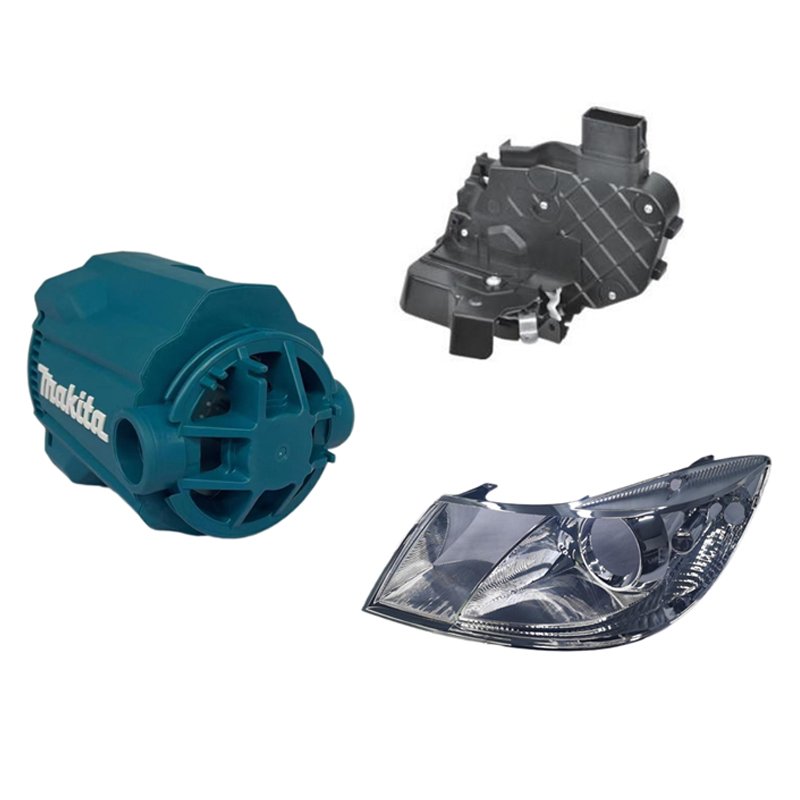
Turning injection molding is a highly adaptable manufacturing process employed across various industries, given its unique ability to create complex geometries and maintain precision. One of the primary sectors where turning injection molding excels is the automotive industry. Here, manufacturers utilize this technique to produce intricate components such as gears, housings, and brackets that are essential for vehicle assembly. The reliability and durability of parts created via turning injection molding ensure they meet the rigorous standards set forth for automotive applications while optimizing weight and performance.
Additionally, the consumer products sector benefits significantly from turning injection molding. Items such as kitchen utensils, personal care products, and toys are commonly produced using this method. This process allows for cost-effective production of high-quality plastic products that often require unique shapes and designs to improve user experience. Furthermore, the ability to incorporate multiple materials in the injection molding process enables manufacturers to enhance the functionality of consumer items, offering greater resistance to wear and improved thermal stability.
The electronics industry is yet another area where turning injection molding has found substantial application. This sector necessitates the production of various components, including housings, connectors, and insulators. Due to its capacity to achieve tight tolerances and integrate features such as snap-fit designs, turning injection molding supports the rapid advancement of electronic devices by enabling manufacturers to produce components that not only perform adequately but also meet aesthetic demands. Overall, turning injection molding serves as a versatile solution across these industries, effectively addressing specific manufacturing needs while enhancing product quality and performance.
Challenges and Considerations
Turning injection molding presents several challenges that must be carefully navigated to ensure efficient production and high-quality output. One of the foremost challenges in this process is the tooling costs associated with creating specialized molds. While these molds are essential for achieving precision and accuracy in the produced parts, the initial financial investment can be substantial. Manufacturers must weigh the cost of tooling against the expected production volume and long-term benefits of custom molds. A comprehensive cost-benefit analysis can help in determining whether the investment in high-quality molds aligns with the project goals.
Another significant challenge in the realm of turning injection molding is material waste. During the molding process, it is common for some excess material to be generated, especially in cases involving complex geometries. This can not only increase production costs but also raise concerns about environmental sustainability. Continuous improvement processes and technology advancements in injection molding aim to minimize waste through better design practices and more efficient machinery. Employing techniques such as recycling scrap materials can also play a crucial role in reducing overall waste in production.
Technical limitations further complicate the turning injection molding process. Each material used for molding has its own unique properties, which can affect how well it flows into the mold cavity and fills it completely. For instance, some thermoplastics may be prone to warping or shrinkage upon cooling, which could compromise the final product. Addressing these technical limitations requires a combination of effective design, precise process controls, and advanced monitoring techniques. By recognizing and adapting to these challenges, manufacturers can optimize their processes, resulting in higher-quality outputs with reduced production inefficiencies.
Best Practices for Successful Turning Injection Molding
Implementing turning injection molding effectively necessitates adherence to several best practices that can significantly enhance product quality and operational efficiency. One of the foremost considerations is material selection. It is crucial to choose the right thermoplastic materials that not only meet the specific requirements of the end product but also have demonstrated compatibility with the turning injection molding process. High-quality materials can lead to superior mechanical properties, lower rejection rates, and improved end-user satisfaction.
Another vital aspect is the maintenance of machinery. Regular inspections and preventive maintenance of turning injection molding machines are essential to ensure consistent performance. This includes routine checks on vital components such as molds, heaters, and injection systems. By proactively maintaining the equipment, manufacturers can minimize downtime, reduce repair costs, and maintain high production standards. Furthermore, training the operating staff on the proper handling and use of machinery plays a crucial role in optimizing the turning injection molding process.
Process optimization is also key to achieving successful outcomes. This involves fine-tuning variables such as temperature, pressure, and cooling times according to the specific material and product requirements. Utilizing advanced software tools for simulations can help in predicting outcomes and adjusting settings before actual production. Additionally, it’s beneficial to perform regular performance evaluations to identify areas for further improvement. Encouraging feedback from workers on the floor can provide valuable insights into potential inefficiencies or issues that need addressing.
Finally, documenting all processes, from material selection to troubleshooting methods, creates a knowledge base that can aid both current and future production runs. This practice not only fosters a culture of continuous improvement but also assists in maintaining high standards across multiple projects. Following these best practices will position manufacturers to harness the full potential of turning injection molding, yielding high-quality products while maximizing operational efficiency.
Future Trends in Turning Injection Molding
The landscape of turning injection molding is witnessing a significant transformation, driven by ongoing advancements in technology and evolving market demands. As industries seek greater efficiency and sustainability, several future trends are emerging which promise to redefine manufacturing processes. One notable area of progress is the enhancement of machine technology. Newer machines are becoming increasingly sophisticated, allowing for higher precision and faster production cycles. These innovations not only improve output but also contribute to a reduction in waste and energy consumption during the injection molding process.
Sustainability initiatives are also gaining prominence within the turning injection molding sector. As environmental concerns take center stage, manufacturers are exploring eco-friendly materials and practices. Biodegradable polymers and recyclable materials are becoming more prevalent, prompting a shift towards sustainable manufacturing methods. Companies are not only focusing on minimizing their ecological footprint but are also responding to consumer demand for sustainable products. This trend is likely to accelerate as legislation supporting green manufacturing practices becomes more widespread.
Furthermore, the influence of automation and Industry 4.0 is reshaping turning injection molding operations. The integration of smart technologies, such as the Internet of Things (IoT), artificial intelligence (AI), and machine learning, is paving the way for smarter, more efficient production lines. Automation allows for real-time data analysis and monitoring throughout the molding process, leading to better decision-making and enhanced quality control. As industries adopt these advanced technologies, the turning injection molding process is set to become more adaptive and responsive to market changes.
In summary, the future of turning injection molding is being driven by technological advancements, a commitment to sustainability, and the increasing role of automation. As these trends continue to evolve, they will play a crucial role in shaping a more efficient and environmentally responsible manufacturing landscape.
Conclusion
Turning injection molding is a critical aspect of contemporary manufacturing processes that has garnered significant attention in recent years. Throughout this guide, we have explored the principles, benefits, and applications of this innovative technology. By combining the features of both turning and injection molding, manufacturers can produce complex geometries with high precision, making it an invaluable technique in various industries, including automotive, aerospace, and consumer electronics.
The advantages of turning injection molding are numerous. It not only enhances production efficiency by allowing for the simultaneous manufacturing of parts but also reduces material waste, thus contributing to sustainable manufacturing practices. Additionally, the process facilitates the creation of intricate designs that would be difficult to achieve using traditional molding techniques. This capability is particularly important in today’s market, where customization and rapid prototyping are increasingly demanded.
Another significant point discussed in this guide is the versatility of turning injection molding. This method can accommodate a wide range of materials, including thermoplastics and thermosetting resins, allowing manufacturers to select the best material for their specific applications. Furthermore, reaping the benefits of advanced technologies, such as computer-aided design (CAD) and automation, can lead to enhanced accuracy and consistency throughout the production cycle.
As we conclude this comprehensive overview, it is evident that turning injection molding stands out as a viable production option for various manufacturers. The combination of efficiency, economic feasibility, and design flexibility makes it an attractive choice in the evolving landscape of industrial production. For those considering their production needs, exploring turning injection molding may yield significant advantages and growth opportunities in their respective markets.
**mitolyn reviews**
Mitolyn is a carefully developed, plant-based formula created to help support metabolic efficiency and encourage healthy, lasting weight management.