
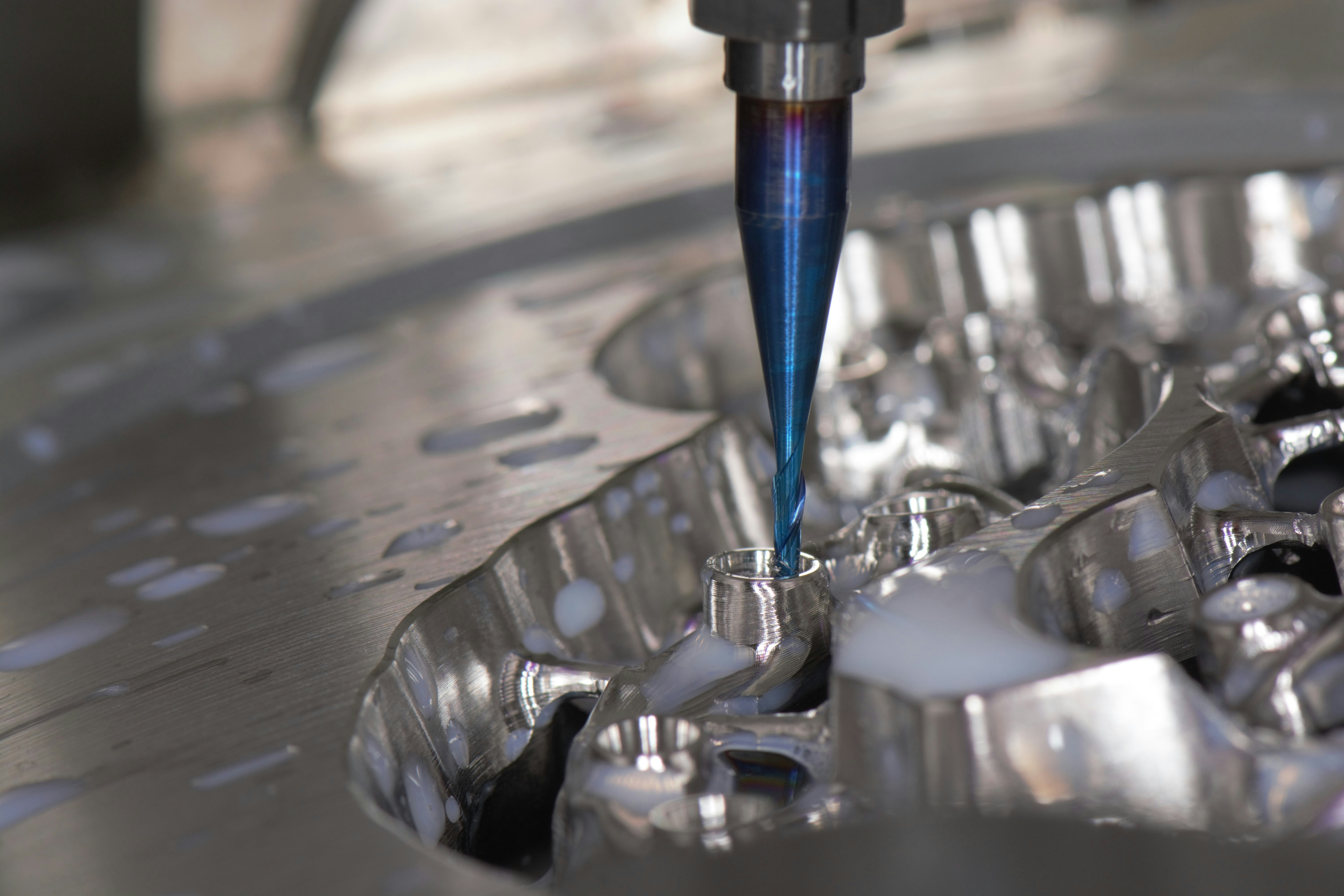
Introduction to Critical Component Machining
Critical component machining is a specialized process focused on the precision manufacturing of components that are essential for the proper functioning of various systems and devices. This type of machining is pivotal in industries such as aerospace, automotive, and medical, where even the slightest deviation in specifications can lead to significant safety hazards or operational failures. The importance of accuracy in machining critical components cannot be overstated; it ensures not only the efficacy of the products but also the safety of end-users and compliance with industry regulations.
In the aerospace sector, for example, components like turbine blades and landing gear must be manufactured with utmost precision to withstand extreme operating conditions. Any minute imperfection in these components risks catastrophic failure, potentially endangering lives. Likewise, in the automotive industry, precision machining of engine components, transmission systems, and braking systems is crucial to maintain the vehicles’ performance and reliability. Medical equipment, too, relies on expertly machined parts; devices such as surgical tools and life-support systems demand the highest standards of machining to guarantee their safety and effectiveness.
This blog aims to provide a comprehensive exploration of critical component machining. It will delve into various machining techniques, highlight the challenges faced by manufacturers, and examine recent innovations that are shaping the field. By analyzing these facets, we aim to enhance understanding of why precision and accuracy in machining critical components are vital. Throughout this discussion, the significance of maintaining such high standards in machining processes across industries will be aptly illustrated, reinforcing the essence of this specialized manufacturing domain.
The Machining Process: Techniques and Tools
When it comes to critical component machining, there are several techniques and tools utilized to achieve optimal results. One of the most prevalent methods is CNC (Computer Numerical Control) machining, which employs computer systems to control machine tools. This method is known for its accuracy and ability to produce complex geometries, making it particularly valuable in industries where precision is paramount. CNC machining allows for automated production with repeatable consistency, drastically reducing the potential for human error while enhancing productivity.
Another significant technique is Electrical Discharge Machining (EDM). This process uses electric sparks generated between the tool and the workpiece to remove material, resulting in high precision with a fine finish. EDM is often chosen for hard-to-machine materials that are difficult to cut using conventional methods. Its capability to create intricate shapes and contours makes it particularly useful in the manufacturing of critical components, such as molds and dies, which require exacting tolerances.
Grinding is also an essential machining technique, particularly when a smooth surface finish is required. This process involves using abrasive wheels to remove material, refining the surface to achieve desired specifications. Various types of grinding, including cylindrical, surface, and centerless grinding, cater to specific components and applications. The precision attained through grinding and the ability to work with various materials underscore its importance in the manufacturing of critical components.
Each of these machining techniques—CNC machining, EDM, and grinding—employ specific tools designed to maximize effectiveness. Tools such as end mills, lathes, and grinding wheels are crafted to ensure that the highest standards of precision and surface finish are met. The integration of these techniques and tools forms the backbone of precision engineering, enabling the production of critical components that meet stringent industry requirements.
Materials Used in Critical Component Machining
Critical component machining encompasses a variety of materials selected for their specific properties that meet demanding application requirements. Among the most prominent materials utilized in this sector are metals such as titanium, stainless steel, and aluminum, alongside advanced composites. Each of these materials possesses unique characteristics that render them suitable for critical applications.
Titanium is revered for its high strength-to-weight ratio, corrosion resistance, and ability to withstand extreme temperatures. These features make titanium ideal for aerospace and medical components where weight minimization is essential. However, machining titanium also poses challenges due to its toughness and propensity to generate heat during cutting processes, often leading to tool wear. Consequently, special cutting tools and techniques are required to effectively machine titanium components.
Stainless steel is another prevalent material in critical component machining. Its exceptional strength, durability, and corrosion resistance make it ideal for applications in medical devices, automotive parts, and food processing equipment. While it offers mechanical strength and resistance to oxidation, stainless steel can be challenging to machine due to its hardening properties and the tendency to produce work hardening during machining operations. Employing optimal cutting speeds and the right tools is essential to overcome these challenges.
Aluminum is favored in many industries for its lightweight nature and relatively easy machinability. It exhibits excellent thermal conductivity and resistance to corrosion, making it suitable for a multitude of applications, from aerospace components to consumer electronics. Nevertheless, attention must be given to chip formation and surface finish when machining aluminum, as the material can be prone to galling under certain conditions, leading to complications during the manufacturing process.
Advanced composites, which may include carbon fiber or fiberglass, are increasingly gaining traction in critical component manufacturing. These materials combine high strength with low weight and offer superior fatigue resistance. However, machining composite materials can be intricate due to their abrasive nature, requiring specialized tools and techniques to ensure precise finishing without delaminating layers.
Quality Control and Assurance in Machining
In the realm of critical component machining, quality control and assurance are paramount for ensuring that finished products meet stringent specifications and standards. The complexity of machining processes often requires the implementation of systematic quality management practices to minimize defects and enhance overall performance. Statistical Process Control (SPC) is one well-established method that plays a key role in achieving these objectives. SPC utilizes statistical techniques to monitor and control the machining process, allowing operators to identify variations and implement corrective actions before defective products are produced.
Another critical aspect of quality assurance in machining involves rigorous inspection techniques. These can range from visual inspections to more sophisticated methods, like coordinate measuring machines (CMM) and non-destructive testing (NDT). These inspections help verify that the machined components not only conform to design specifications but also maintain their integrity under operational conditions. By employing a blend of traditional inspection techniques and modern advancements, manufacturers can gain a comprehensive understanding of the quality of their components during various stages of production.
Furthermore, advancements in technology have significantly enhanced quality control measures. Innovations such as 3D scanning and laser measurement systems allow for highly accurate assessments of components without the need for excessive manual handling. These technologies provide real-time feedback, enabling immediate adjustments in the machining process. By incorporating these advanced technologies, companies can ensure higher precision levels while reducing inspection cycles and improving operational efficiency.
Ultimately, effective quality control and assurance practices not only uphold the standards of critical component machining but also foster continuous improvement within manufacturing processes. By adopting a multifaceted approach to quality assurance, businesses can navigate the challenges of machining while consistently delivering high-quality components that meet or exceed market expectations.
Challenges in Machining Critical Components
Machining critical components presents a unique set of challenges that significantly influence both the quality of the output and the efficiency of the production process. One major challenge is maintaining tight tolerances. Many critical components require precision within very narrow limits, as even minor deviations can lead to functional failures. Achieving these tolerances necessitates advanced machining techniques and equipment, as well as skilled operators who can regularly assess and calibrate machines to ensure compliance with specifications.
Another major obstacle is the presence of machining defects. Defects such as surface roughness, dimensional inaccuracies, and tool wear can compromise the integrity of a component. Factors contributing to these defects include improper tool selection, suboptimal cutting speeds, and inadequate coolant usage. Each of these issues must be meticulously addressed to minimize the risk of defects. Manufacturers often employ rigorous quality control measures to monitor the machining process, conducting inspections at various stages to catch defects and take corrective action as necessary.
Heat generation during the machining process also poses a significant challenge. Excessive heat can lead to thermal distortion of the components, resulting in dimensional changes that exceed acceptable tolerances. Moreover, high temperatures can accelerate tool wear, leading to increased costs and reduced productivity. To manage heat generation, cooling techniques such as flood cooling, mist cooling, or the use of specialized cutting fluids may be employed. These methods serve to dissipate heat effectively, thereby maintaining both tool life and component accuracy.
By identifying these common challenges and implementing effective strategies to mitigate them, manufacturers can enhance the reliability and performance of critical components. Addressing issues related to tolerances, defects, and heat generation is essential for fostering a smooth production process and ensuring high-quality outputs in the competitive landscape of machining.
Innovations and Technologies Shaping the Future of Machining
The landscape of critical component machining is experiencing a transformative shift due to notable innovations and technologies. Automation, for example, has emerged as a powerful tool enhancing production capabilities. With the integration of robotic systems and automated machinery, businesses are now able to streamline their operations, reduce human errors, and increase output rates. This transformation not only optimizes the machining process but also leads to cost efficiency, allowing manufacturers to allocate resources more effectively.
Advanced materials are further driving the evolution of machining processes. Modern components often require materials that provide higher strength-to-weight ratios, better corrosion resistance, and enhanced thermal stability. As a result, the industry is witnessing increased adoption of composites, ceramics, and advanced alloys. These materials impose unique challenges concerning their machinability, yet innovations in tooling and cutting technologies are providing solutions that ensure precision and longevity. The development of coated tools, for instance, facilitates improved performance while machining these advanced materials.
Another significant advancement reshaping critical component machining is the rise of smart manufacturing. Technologies such as the Internet of Things (IoT) and artificial intelligence (AI) are ushering in an era of interconnected machines and intelligent systems. By harnessing real-time data analytics, manufacturers can monitor equipment performance, predict maintenance needs, and make informed decisions on production scheduling. This level of insight not only enhances operational efficiency but also fosters flexibility in responding to market demands.
Moreover, additive manufacturing, or 3D printing, is standing out as a groundbreaking innovation in machining, allowing for the creation of complex geometries that traditional methods cannot easily achieve. This technology not only streamlines production but also reduces material waste, significantly impacting sustainability efforts within the industry. Through these collective innovations and advancements, critical component machining is evolving, presenting new opportunities to enhance efficiency, precision, and flexibility in manufacturing processes.
Case Studies: Successful Implementation of Machining Techniques
The successful implementation of advanced machining techniques in critical components can significantly elevate the capabilities of manufacturing industries. Various organizations have exemplified how innovative approaches to machining have led to improvements in efficiency, precision, and overall quality. One notable case is that of a leading aerospace manufacturer, which faced challenges related to the production of complex turbine components. Traditionally, these components required extensive manual labor, resulting in long lead times and increased potential for errors. By adopting advanced CNC machining technology combined with additive manufacturing, the company not only reduced production time by 30% but also increased the geometric precision of the parts.
Another compelling case involves an automotive supplier that struggled with machining delicate and high-performance engine components due to vibration issues that affected accuracy. In response to this challenge, the company implemented advanced vibration-damping techniques and employed high-frequency spindle technology, optimizing their machining process. The application of these innovations resulted in a 25% increase in throughput and a significant reduction in waste material, ultimately enhancing the profitability of production. Furthermore, the improvements in component quality led to increased customer satisfaction and retention.
Additionally, a medical device manufacturer adopted a holistic approach by incorporating real-time monitoring and predictive analytics into their machining operations. By utilizing IoT technologies, they obtained comprehensive data on machining performance, which allowed them to address potential issues proactively. This implementation not only minimized downtime but also ensured that the final products met stringent regulatory standards. As a result, the company saw a reduction in non-conformities of 40% and was able to expedite their time-to-market for critical health technologies.
These case studies illustrate the transformative impact of advanced machining techniques on critical components across various industries. By overcoming challenges through targeted innovations, companies can achieve substantial improvements in operational efficiency and product quality, ultimately contributing to their competitive advantage.
Future Trends in Critical Component Machining
The landscape of critical component machining is evolving, driven by rapid technological advancements and shifting market demands. One of the most significant trends is the increasing integration of artificial intelligence (AI) and machine learning into machining processes. These technologies offer the potential to enhance precision, optimize production efficiency, and predict equipment maintenance needs. By utilizing AI algorithms, manufacturers can analyze data in real-time to make informed decisions, thus reducing downtime and increasing overall productivity. The implementation of machine learning in critical component machining may also allow for adaptive processes, where machines can learn from past operations to improve future performances.
Furthermore, additive manufacturing is gaining traction as an innovative solution that complements traditional machining techniques. The ability to create complex geometries and reduce material waste makes additive processes particularly appealing for the production of critical components. As industries such as aerospace and automotive continue to demand high-performance parts, we may see a hybrid approach in which both machining and additive methods are employed to achieve optimal results. This combined strategy not only enhances design capabilities but also leads to shorter lead times in production.
In addition to technology, there are notable shifts in industry standards and practices that are expected to impact critical component machining. A growing emphasis on sustainability and environmentally friendly practices means that manufacturers must consider the lifecycle impacts of their processes. This could lead to the adoption of more efficient energy sources, as well as the exploration of recycling methods for machining byproducts. Moreover, regulatory bodies are likely to introduce stricter guidelines, pushing companies toward adopting innovative solutions that align with sustainable practices.
Overall, the future of critical component machining appears promising, with advancements in technology and a focus on sustainability driving transformation within the industry.
Conclusion: The Importance of Precision in Critical Component Machining
In the realm of manufacturing, precision in critical component machining emerges as a pivotal aspect that influences product quality, operational efficiency, and compliance with industry standards. The various techniques discussed, ranging from computer numerical control (CNC) machining to additive manufacturing, highlight the imperative nature of accuracy and attention to detail in the fabrication process. As industries continue to evolve, the demand for more sophisticated machining methods that can produce intricate components with tight tolerances has surged, underscoring the significance of precision.
Moreover, the challenges faced in critical component machining, such as material selection, tool wear, and process optimization, must be addressed with careful consideration. These challenges necessitate the adoption of innovative practices that not only improve precision but also enhance the overall quality of machined components. The integration of advanced technology, such as real-time monitoring and automation, has the potential to revolutionize machining practices by providing manufacturers with the tools required to improve efficiency and reduce errors.
Staying informed about the latest innovations and developments in the field is essential for manufacturers aiming to maintain competitiveness. Engaging with industry resources, attending workshops, and collaborating with experts can provide valuable insights that can be applied to enhance manufacturing processes. This proactive approach will enable organizations to adapt to changes in technology and market demands, thereby ensuring a sustainable advantage in critical component machining.
Ultimately, the role of precision in critical component machining cannot be overstated. As the manufacturing landscape continues to advance, a commitment to high-quality standards and cutting-edge techniques will be paramount in achieving excellence in production. Embracing this mindset will equip manufacturers to meet the challenges of tomorrow, ensuring that they deliver superior products in an increasingly demanding market.