
Introduction to Acrylic and CNC Machining
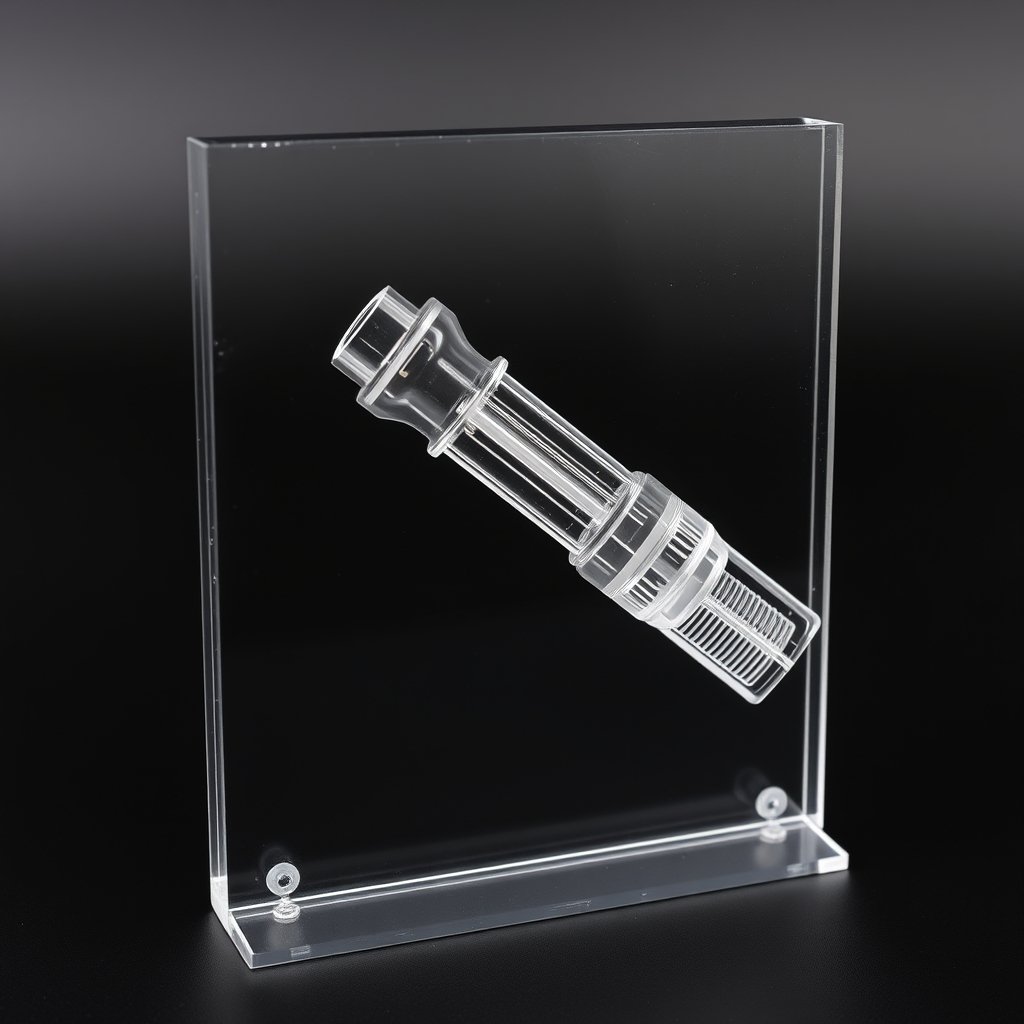
Acrylic, also known as polymethyl methacrylate (PMMA), is a versatile thermoplastic material recognized for its clarity, strength, and lightweight properties. It offers superior transparency, making it an ideal substitute for glass in numerous applications. Acrylic is resistant to ultraviolet light and can withstand harsh weather conditions, which contributes to its durability. Furthermore, the material is highly customizable, available in a variety of colors and finishes, thus allowing for aesthetic versatility in design. Due to these properties, acrylic is commonly used in signage, displays, and protective barriers, as well as in the automotive and architectural sectors.
Computer Numerical Control (CNC) machining is a manufacturing process that utilizes pre-programmed computer software to control the movement of machinery and tools. This technology has revolutionized the manufacturing industry since its inception in the mid-twentieth century. CNC machining allows for precise and intricate designs to be executed with minimal human intervention, thereby increasing efficiency and reducing human error. The process is highly adaptable, capable of cutting, drilling, and milling various materials, including metals, plastics, and wood.
The combination of acrylic and CNC machining presents numerous advantages. CNC machining provides the ability to create complex shapes and intricate designs in acrylic sheets, ensuring high precision and a smooth finish. This capability is especially beneficial in industries that demand both aesthetic appeal and functional performance, such as in the fashioning of bespoke furniture or custom displays. Moreover, the repeatability and consistency offered by CNC machining make it an ideal choice for high-volume production runs, where quality and efficiency are essential. Understanding both acrylic and the CNC machining process underscores the value this combination brings to various industries, paving the way for innovative design and manufacturing solutions.
Benefits of Using Acrylic in CNC Machining
Acrylic, also known as polymethyl methacrylate (PMMA), has become a favored material in the realm of CNC machining due to its unique properties and numerous advantages. One of the most significant benefits of acrylic is its exceptional clarity and aesthetic appeal. It can mimic glass while being more resilient, making it an ideal choice for applications where transparency is essential, such as in display cases and signage. Acrylic’s visual attributes often lead to enhanced product designs, thus attracting more attention in various settings.
Another substantial advantage of acrylic is its lightweight nature, which facilitates easy handling and installation during the machining process. This characteristic is particularly advantageous for industries where weight reduction is critical, such as aerospace and automotive applications. The low density of acrylic allows for reduced shipping costs and better fuel efficiency in transported products, contributing positively to the environment and overall project budgets.
Versatility is a hallmark of acrylic used in CNC machining. It can be easily fabricated, shaped, and colored to meet specific design requirements, rendering it suitable for a wide range of applications. Designers and manufacturers favor acrylic for crafting intricate patterns, components, and decorative elements without compromising structural integrity. This adaptability allows for innovation in product development, as it can accommodate both functional and artistic purposes.
Cost-effectiveness stands out as a crucial benefit of utilizing acrylic in CNC machining. Compared to traditional glass and other materials, acrylic generally has a lower material cost, combined with ease of machining that drives down labor expenses. This financial advantage makes it an appealing option for artisans and manufacturers who seek to balance quality and budget in their projects. All these benefits collectively contribute to acrylic’s growing popularity among designers, manufacturers, and artisans alike.
CNC Machining Process for Acrylic: Step-by-Step Overview
The CNC machining process for acrylic involves several critical steps that must be followed to ensure precision and quality in the final product. The first step is material selection and preparation. Choosing high-quality acrylic sheets is essential as it affects the machining outcome. Typically, cast acrylic is preferred due to its superior clarity and ease of machining. The sheets should be adequately cleaned and inspected for any defects before proceeding.
Next, design considerations play a pivotal role in the overall success of an acrylic CNC machining project. Utilizing CAD (Computer-Aided Design) software allows for the precise creation of the design intended for machining. The design should account for tooling path optimization, tolerances, and finish requirements. Additionally, it’s crucial to ensure that any features such as curves or edges are designed with the right parameters to avoid chipping or cracking during the process.
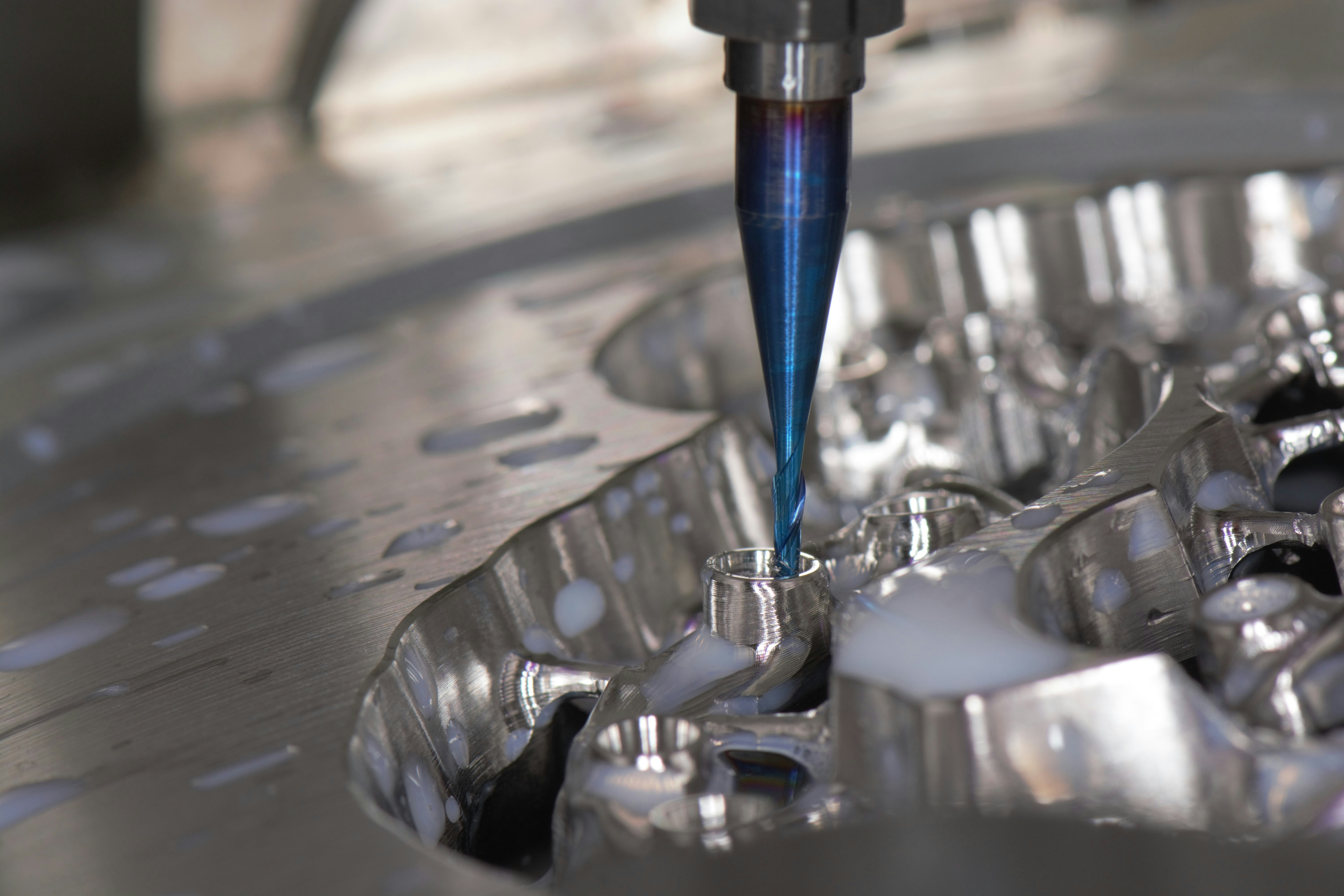
Once the design is finalized, machine setup is the next step. This involves configuring the CNC machine for acrylic machining. The appropriate spindle speed and feed rate must be determined based on the specific type of acrylic being used. Tool selection is also vital; using sharp, specially designed cutting tools will enhance machining efficiency and reduce the risk of damaging the material. After ensuring the machine is properly calibrated, the selected acrylic sheet is securely fastened to the work table.
After machine setup, programming is required to translate the CAD design into machine language. CNC software programs the machine to follow the designated path, executing various machining operations like cutting, engraving, or drilling. Machining operations should be performed systematically, monitoring for any deviations or issues that might arise during fabrication. Following the machining process, post-processing techniques such as sanding, polishing, or edge finishing can significantly enhance the final appearance of the acrylic product, ensuring it meets the required specifications.
Best Practices for CNC Machining Acrylic
CNC machining of acrylic requires adherence to specific best practices to achieve optimal results. One critical aspect is the selection of appropriate tooling. Using sharp, high-speed steel (HSS) or carbide end mills specifically designed for plastics is advisable. These tools facilitate clean cuts and minimize the risk of chipping or melting the acrylic. The geometry of the tool is paramount; a single-flute cutter is often preferred due to its aggressive chip removal capabilities, which reduce heat buildup during the machining process.
Another essential consideration is the optimization of feed rates and spindle speeds. Acrylic is a relatively soft material, and using excessively high speeds can lead to melting or scorching of the workpiece. A spindle speed in the range of 10,000 to 18,000 RPM is often effective, paired with feed rates around 50 to 100 inches per minute for milling operations. Adjusting these parameters may be necessary based on the specific type of acrylic being machined and the desired finish quality.
The use of coolant and lubrication can further enhance the CNC machining of acrylic. While some operators may opt to machine dry, incorporating a mist or flood coolant system can significantly improve surface finish and extend tool life. If coolant is not feasible, a light application of lubricant can assist in preventing the material from melting and ensure a smoother overall machining process.
Strategies for minimizing chip buildup and heat generation are also vital in this context. Regularly removing chips from the cutting area helps prevent them from re-entering the machining zone, which can cause surface imperfections. Additionally, maintaining optimal airflow around the workpiece will assist in dissipating heat. In conclusion, by following these established practices and continuously monitoring the machining parameters, operators can achieve high-quality results while mitigating common issues associated with CNC machining of acrylic.
Common Applications of Acrylic CNC Machining
Acrylic CNC machining serves a multitude of industries due to its lightweight and durable nature. One of the most prominent applications is in the signage sector. Acrylic signage is preferred for its clarity, ability to be easily shaped, and vibrant color options. Companies can create custom signs for both indoor and outdoor use, making acrylic a go-to material for businesses aiming to attract customers through visually appealing displays.
In addition to signage, acrylic CNC machining is commonly utilized in display fixtures. Retailers and exhibitions often employ acrylic displays to showcase their products effectively. These displays are known for their transparency, allowing for excellent visibility of the items on offer. With CNC machining, retailers can create intricate and tailored designs, enhancing the visual merchandising of their stores.
Another notable application is the creation of prototypes. Industries ranging from consumer goods to electronics benefit from acrylic prototypes, which are used in the design and testing phase of product development. The machining process can produce precise components, enabling designers and engineers to evaluate the functionality and aesthetics of their concepts before actual production.
Acrylic also finds its place in the automotive sector, where it is utilized for components such as interior trims and light covers. The lightweight properties of acrylic contribute to fuel efficiency, while its durability ensures longevity and resistance to impact. Furthermore, in the realm of furniture design, acrylic CNC machining allows for the production of modern and aesthetically pleasing furniture pieces, including tables and chairs that blend style with practicality.
Lastly, artists leverage the versatility of acrylic in their installations, utilizing CNC machining to create intricate sculptures and installations. The ability to manipulate the material with precision opens new avenues for creative expression. Through these various applications, it is evident that acrylic CNC machining has established itself as a vital process across diverse sectors, demonstrating its remarkable adaptability and utility.
Troubleshooting Common Issues in Acrylic CNC Machining
Acrylic CNC machining presents various challenges that can affect the quality of the finished product. One of the most prevalent issues is chipping. This occurs when the CNC router bit does not make a clean cut, leading to rough edges. To mitigate chipping, it is essential to use sharp, high-quality bits specifically designed for acrylic. Additionally, adjusting the feed rate can also play a crucial role. A slower feed rate often allows for a cleaner cut as it reduces the chances of the bit pulling or tearing the material.
Cracking is another significant concern when machining acrylic. This can happen due to the material’s inherent brittleness, especially if the wrong machining parameters are applied. To prevent cracking, ensure that the cutting depth is appropriate for the specific acrylic thickness being used. Light passes can reduce stress on the material, allowing for better results. Furthermore, avoiding sudden temperature changes during the machining process can help maintain the integrity of the acrylic, preventing cracks from developing.
Melting is an issue that frequently arises from excessive heat generated during cutting. Acrylic has a lower melting point compared to other materials; thus, managing heat is crucial. Utilizing cooling techniques, such as applying compressed air or coolant, can significantly help in dissipating heat and preventing the material from melting. Adjusting spindle speed and feed rates is also essential. Optimal speeds will reduce friction, thereby minimizing heat build-up.
Achieving a desired finish in acrylic machining can be challenging. Surface imperfections can result from improper tool selection or settings. To ensure a smooth finish, consider using finishing tools suitable for acrylic alongside proper feed rates. Regularly checking and maintaining tools will also contribute to high-quality outcomes. By understanding these common issues and implementing effective troubleshooting techniques, users can improve their acrylic CNC machining results significantly.
Comparison Between Acrylic and Other Materials in CNC Machining
CNC machining is a versatile manufacturing process that can accommodate a variety of materials, each of which brings distinct properties to the table. Acrylic, a popular thermoplastic, is often compared with materials such as wood, metal, and polycarbonate due to its unique characteristics and advantages. Understanding these differences is essential for making informed material choices in various applications.
Acrylic stands out for its lightweight nature and excellent transparency, which makes it an ideal substitute for glass in applications where visibility is crucial. Unlike wood, which can warp or swell with changes in humidity, acrylic offers superior dimensional stability and is resistant to environmental changes. Additionally, while wood is generally easier to machine, acrylic can achieve smoother finishes and more intricate designs due to its properties.
On the other hand, when compared to metals, the advantages of acrylic become clear in terms of ease of processing. While metals provide exceptional strength and durability, they are often more challenging to machine and require more specialized tools and techniques. Acrylic’s lower density and less abrasive nature make it easier on CNC tooling, reducing wear and tear during the machining process.
Polycarbonate, another commonly used material, has similar impact resistance as acrylic but can be more expensive and difficult to machine due to its tendency to chip. Acrylic offers a clear advantage in a broader range of aesthetic applications, including signage and display cases, due to its available variety of colors and finishes. However, polycarbonate can be more suitable for high-stress environments due to its enhanced toughness.
In summary, acrylic presents a compelling choice for many applications, blending ease of machining with aesthetic appeal, while other materials may excel in specific areas such as strength or cost-effectiveness. The selection between acrylic and alternatives ultimately depends on the unique requirements of the project at hand.
Environmental Considerations of Acrylic CNC Machining
Acrylic CNC machining has gained popularity for its versatility, yet it is vital to consider its environmental impact. The production of acrylic, while effective in creating lightweight and durable products, raises sustainability concerns. Acrylic, or polymethyl methacrylate (PMMA), is largely derived from fossil fuels. Therefore, the initial production phase involves significant energy consumption and greenhouse gas emissions. This factor necessitates a careful examination of the entire lifecycle of acrylic products, from extraction to disposal, to better understand their environmental footprint.
Waste management practices are another critical aspect in the discussion of acrylic CNC machining. During the machining process, considerable amounts of acrylic waste can be generated, including off-cuts and defective pieces. To mitigate this, manufacturers are encouraged to adopt efficient fabrication techniques that minimize waste. Techniques such as optimizing cutting paths and utilizing advanced CNC tools can substantially reduce the quantity of scrap material produced. Furthermore, companies are increasingly aware of the need for responsible waste disposal methods, ensuring that leftover materials are handled in an environmentally friendly manner.
Recycling options for acrylic are also evolving, with several organizations now focusing on reclaiming this versatile material. Acrylic is recyclable, and dedicated facilities can recycle it into usable raw materials. This process not only conserves resources but also diversifies the supply chain. Moreover, adopting eco-friendly practices such as sourcing recycled acrylic can significantly reduce the environmental impact associated with new material production. Overall, embracing sustainable practices within the CNC machining of acrylic is essential, not just for reducing waste, but also for promoting a more responsible approach to manufacturing in general.
Future Trends in Acrylic CNC Machining
The acrylic CNC machining sector is undergoing significant transformation driven by technological advancements and evolving industry demands. One of the most notable trends is the rapid development of machine tooling. Modern CNC machines are increasingly equipped with high-precision tools made from advanced materials that enhance durability and reduce wear. This improvement is crucial, as it allows for higher-speed machining while maintaining accuracy, resulting in higher quality finished products.
Software innovations are also at the forefront of the acrylic CNC machining evolution. CAD/CAM software tools are continually becoming more sophisticated, offering features that streamline design processes and optimize machining parameters. Integrating artificial intelligence into these software solutions helps in predicting tool wear and optimizing cutting paths, thus maximizing efficiency and reducing production costs. This step forward significantly impacts the precision with which acrylic sheets are processed, allowing for intricate designs that were previously unattainable.
Another emerging trend is the focus on enhancing precision through advanced techniques, such as adaptive machining. This method allows CNC machines to adjust their metalworking strategies based on real-time feedback, improving accuracy and reducing waste. Implementing sensors and monitoring technologies aids in detecting variations in the material being machined, allowing for swift adjustments. Consequently, machinists can ensure that each piece produced meets the stringent quality standards expected in various applications.
Furthermore, the integration of automation within the machining process is rapidly gaining traction. Automated systems can streamline workflows, improve productivity, and minimize human error. By utilizing robotics for loading and unloading materials, or even for some machining processes, manufacturers can enhance efficiency, particularly in high-volume production environments. As the industry continues to embrace automation, it is expected that the need for skilled labor will shift, leading to new opportunities for workers trained in both CNC machining and automation technology.
As we look to the future, these advancements hint at a dynamic landscape for acrylic CNC machining. By keeping up with these trends, companies can optimize their operations and deliver higher-quality products to clients, ensuring competitiveness in an ever-evolving market.
Hey, I just stumbled onto your site… are you always this good at catching attention, or did you make it just for me? Write to me on this website — rb.gy/3pma6x?smulT — my username is the same, I’ll be waiting.
“Carnal temptress demands irresistible passion.” Here — https://rb.gy/3fy54w?Freenly
“Erotic minx desires to explore her carnal desires.” Here — https://girlsfun.short.gy/UbzVKx?Freenly
“Erotic minx desires to explore her carnal desires.” Here — https://Kj3fz2f.short.gy/ueeSek?Freenly
“I’m feeling so frisky tonight. Join me for a steamy adventure?” – girlsfun.short.gy/Ju0Xdq?smulT
I need to feel the heat of your touch tonight. – https://nMm5id.short.gy/u2GPx3?Freenly
Let’s make this a night to remember – nMm5id.short.gy/Osi49c?smulT
Let’s indulge in our naughtiest fantasies – https://rb.gy/1vo60q?22511437
The camera is on and I’m ready for some real fun. – https://telegra.ph/Enter-01-31?Freenly