
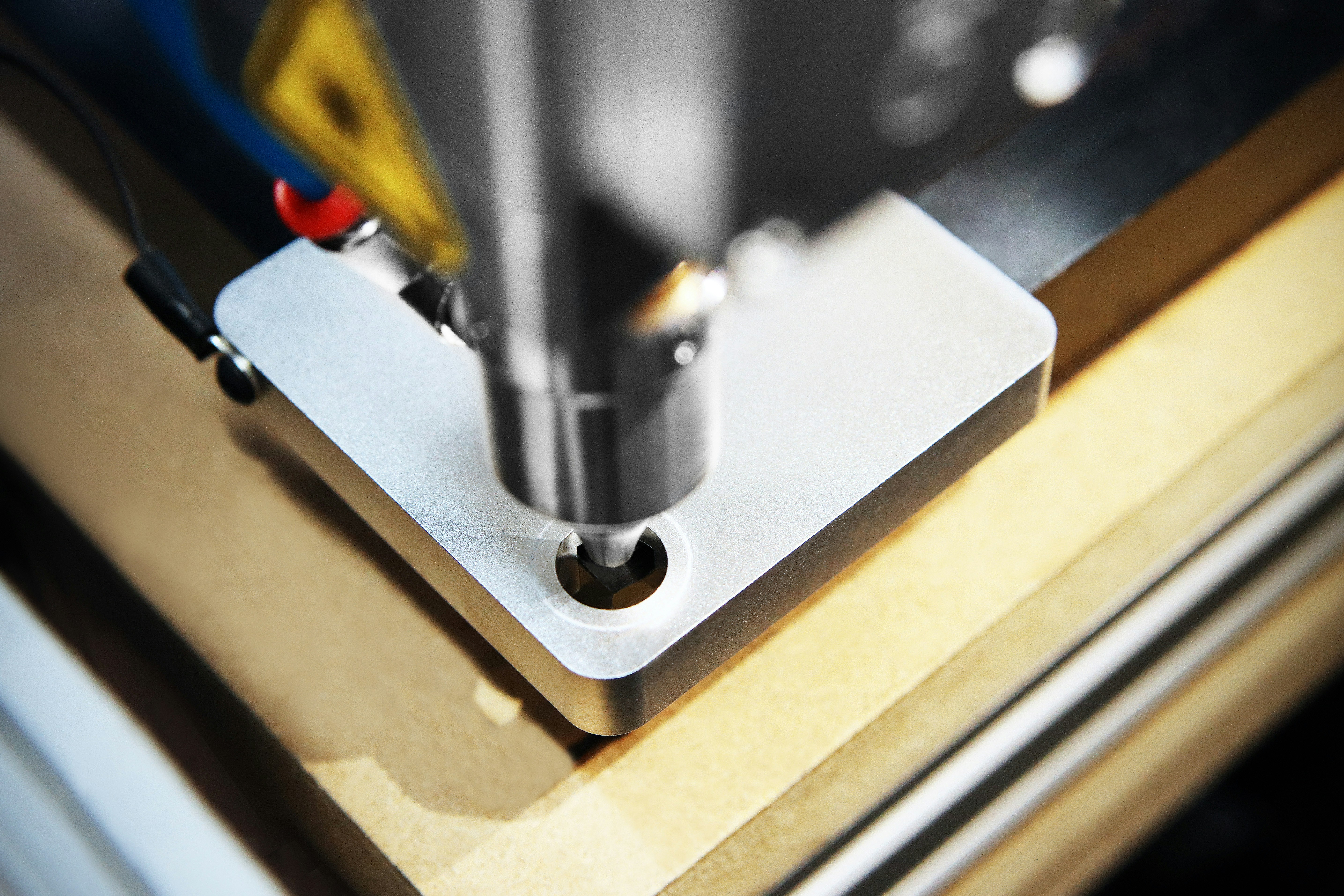
Introduction to CNC Machining
CNC, or Computer Numerical Control, machining is a transformative technology in the field of manufacturing that allows for the automated control of machine tools through pre-programmed sequences. This advanced methodology has revolutionized the way complex parts are produced, providing significant enhancements in precision, efficiency, and consistency compared to traditional machining methods. At its core, CNC machining utilizes computer systems to execute specific tasks with high accuracy, preparing the machine tools to create intricate parts from various materials such as metal, plastic, and wood.
One of the fundamental distinctions between CNC machining and traditional machining lies in automation. Traditional machining typically involves manual adjustments, requiring skilled operators to guide tools and control the machining process. In contrast, CNC machines operate based on coded instructions programmed into the computer, allowing for a level of precision that is difficult, if not impossible, to achieve manually. This not only reduces the potential for human error but also facilitates the replication of identical components with remarkable uniformity.
The importance of precision in CNC machining cannot be overstated, especially when producing complex components integral to industries such as aerospace, automotive, and medical device manufacturing. The ability to achieve tight tolerances becomes essential, as the performance and safety of assembled systems often depend on the exact specifications of each individual part. Furthermore, as manufacturing processes continue to advance, CNC machining has evolved to accommodate newer technologies, including multi-axis machining and additive manufacturing, thereby broadening the scope for creating intricate designs.
In summary, CNC machining signifies a paradigm shift in manufacturing processes, characterized by automated, precise, and efficient production of complex parts, enhancing output quality and fostering innovation across various industries.
What Are Precision CNC Parts?
Precision CNC parts are components manufactured using Computer Numerical Control (CNC) machining processes that prioritize accuracy and exact specifications. These parts are essential in various industries, including aerospace, automotive, medical, and electronics, where precision is of utmost importance. A defining characteristic of precision CNC parts is their tight tolerances, which refer to the allowable deviation from the desired dimensions. Tolerances can be measured in thousandths of an inch or microns, underscoring the level of detail achievable through advanced CNC technology.
Materials used in precision CNC machining are diverse, ranging from metals like aluminum, stainless steel, and titanium, to engineering plastics such as nylon, Delrin, and polycarbonate. Each material is chosen based on the specific application, ensuring that the final product meets performance, strength, and weight requirements. The selection of appropriate materials is crucial, as it directly impacts the functionality, durability, and longevity of the precision components.
The advantages of utilizing precision CNC parts are manifold. Firstly, these components are manufactured with a high degree of consistency, reducing the likelihood of defects and enhancing the reliability of the final product. Consequently, applications that demand high precision, such as intricate assemblies in the aerospace industry, can benefit significantly from the use of CNC machined parts. Secondly, precision parts help improve product functionality. When components are fabricated with exact measurements and tolerances, they fit together seamlessly, thus enhancing overall system performance. Moreover, such precision contributes to extended product lifespans, as parts are less likely to wear or fail due to improper fit.
In summary, precision CNC parts embody a combination of meticulous engineering and advanced manufacturing processes, making them indispensable in industries where high precision is critical.
Applications of Precision CNC Parts
Precision CNC parts play a pivotal role in numerous industries, thanks to their ability to deliver high levels of accuracy and repeatability. One of the most significant sectors benefiting from these components is the aerospace industry. Here, precision CNC machining is utilized to manufacture complex parts such as engine components, landing gears, and fuselage structures. These components must meet strict specifications and tolerances to ensure the safety and performance of aircraft, making precision CNC parts indispensable in modern aerospace engineering.
The automotive industry also heavily relies on precision CNC parts. From engine blocks to transmission parts, every element in a vehicle demands exact dimensions to function efficiently. Manufacturers use CNC machining to create these parts with remarkable precision, thus enhancing vehicle performance and fuel efficiency. Furthermore, as the industry moves towards electric vehicles, the need for intricate, lightweight parts has increased, further solidifying the importance of CNC technology in automotive applications.
In the medical field, precision CNC parts are crucial for producing instruments and devices that require exact specifications. Surgical instruments, prosthetics, and diagnostic equipment all benefit from the high precision and customizability offered by CNC machining. For example, orthopedic implants that interact with the human body must be manufactured to tight tolerances to reduce the risk of complications during and after surgery.
The electronics industry is another area where precision CNC parts are fundamental. Components such as circuit boards, connectors, and housings are often produced using CNC machining techniques. The rapid evolution of technology necessitates not only precise manufacturing but also innovative designs, making CNC machining an ideal method for creating advanced electronic devices.
In conclusion, precision CNC parts are integral to various industries, providing efficiency and innovation from aerospace to electronics. Their applications drive advancements that enhance safety, performance, and functionality across multiple sectors.
Advantages of Using Precision CNC Machining
Precision CNC machining offers numerous advantages that significantly enhance manufacturing processes across various industries. One of the primary benefits is improved accuracy. Utilizing advanced computer numerical control (CNC) technology allows for highly detailed and precise machining, which is essential for creating components that require tight tolerances. Traditional machining methods often suffer from human error or mechanical inefficiencies, whereas CNC machining relies on programmed instructions, ensuring that each part produced meets exact specifications consistently.
Furthermore, CNC machining significantly enhances production speed. The automated nature of CNC machinery enables continuous operation, reducing downtime and allowing for higher output rates. This efficiency is particularly beneficial in production environments where time is of the essence. By minimizing manual intervention and optimizing tool paths, manufacturers can achieve quick turnaround times while maintaining quality standards, ultimately satisfying customer demands and deadlines.
Another critical advantage of precision CNC machining is the reduction of waste. With optimized cutting paths and advanced material utilization techniques, CNC machining minimizes scrap material generation. This efficiency translates to cost savings, as less raw material is wasted during the manufacturing process. Additionally, the precision capabilities of CNC machines reduce the need for secondary operations or rework, further decreasing material costs and labor expenses.
Moreover, the cost-effectiveness of CNC technology is evident in the long-term savings it provides. While the initial investment in CNC machinery may be substantial, the economies of scale achieved through automated manufacturing processes facilitate lower production costs as output increases. Over time, these savings can offset the initial costs, making precision CNC machining a financially sound choice for businesses aiming to enhance their competitive edge.
Choosing the Right CNC Machining Service Provider
Selecting the appropriate CNC machining service provider for precision parts is a crucial decision that can significantly impact the quality and performance of your final products. When evaluating potential partners, it is essential to consider several factors to ensure that their capabilities align with your project requirements.
First, assess the technology capabilities of the CNC machining service provider. This includes examining the types of machinery they utilize and whether they offer the latest advancements in CNC technology. Modern CNC equipment can enhance precision and efficiency, which is vital for producing high-quality parts. Additionally, inquire about their range of services, such as milling, turning, and waterjet cutting, to determine if they can meet your specific needs.
Expertise and experience play a significant role in the quality of CNC machining services. Look for providers with a solid track record in your industry and with projects similar to yours. It is beneficial to inquire about their team’s qualifications and the training they undergo to stay updated with industry standards and technologies. Certifications, such as ISO 9001, indicate a commitment to quality management and can reassure you of the provider’s operational standards.
Customer testimonials and case studies can offer valuable insights into a provider’s performance and reliability. Request references from previous clients or read reviews and ratings online to gauge their reputation. A reputable CNC machining service provider will be transparent and willing to share feedback from satisfied customers, highlighting their commitment to quality assurance.
Lastly, establish clear communication and collaboration channels with your potential CNC machining partner. Strong communication ensures that your specifications are well-understood and met, facilitating a smoother project execution. By thoughtfully addressing these factors, you can make a well-informed decision when selecting a CNC machining service provider for your precision parts needs.
The CNC Machining Process: A Step-by-Step Overview
The CNC machining process is a sophisticated method used to create precision parts by utilizing computer numerical control technology. The first step in this process is design and prototyping. Engineers and designers create detailed CAD (Computer-Aided Design) models that serve as blueprints for the final product. This initial design phase is critical, as it ensures that all specifications—such as dimensions, tolerances, and materials—are clearly outlined before moving forward.
Once the design is finalized, the next essential step is material selection. The choice of material significantly influences the properties and applications of the final part. Common materials used in CNC machining include metals like aluminum, steel, and titanium, as well as plastics and composites. The selection process involves considering factors such as strength, weight, corrosion resistance, and cost-effectiveness.
Following material selection, machine setup takes place. This involves configuring the CNC machine with the selected material and ensuring that all tooling is properly installed. The setup also includes defining the machining parameters, such as feed rates, speeds, and depths of cut. A meticulously prepared machine ensures both accuracy and efficiency during the machining processes.
In CNC machining, there are various machining processes like milling and turning, each serving different purposes. Milling is used to remove material using rotating tools, ideal for creating complex shapes and features. Turning, on the other hand, involves rotating the workpiece against a stationary tool, primarily used for producing cylindrical parts. Each machining process is chosen based on the required specifications of the precision part.
The final phase comprises finishing operations. This step enhances the surface quality of the machined part and can involve additional processes such as grinding, sanding, or coating. Finishing not only improves aesthetics but also helps in fulfilling stringent tolerances and enhances durability. Overall, the CNC machining process encompasses a thorough workflow that ensures precision and quality in the production of parts.
Quality Control in CNC Machining
Quality control is a pivotal aspect of the CNC machining process, ensuring that the manufacturing of precision parts adheres to required industry standards and client specifications. The significance of quality control cannot be overstated, as even minor deviations in the production of CNC components can lead to significant operational issues and increased costs. Implementing robust quality assurance measures allows manufacturers to detect and rectify inconsistencies at various stages of the machining process, ultimately leading to superior final products.
One effective methodology employed in quality control is Statistical Process Control (SPC). This technique uses statistical methods to monitor and control the machining processes, allowing for real-time detection of variances that may occur during production. By analyzing production data, manufacturers can characterize the behavior of processes, facilitating the identification of trends or outliers. The integration of SPC into CNC machining not only enhances the accuracy of parts but also optimizes operational efficiency, reducing waste and rework.
In addition to SPC, the employment of precision measuring tools is integral to ensuring high quality in CNC operations. These tools, such as calipers, micrometers, and coordinate measuring machines (CMMs), help verify that machined parts meet specified tolerances and dimensions. Regular calibration of these measuring instruments is essential to maintain accuracy and reliability. By utilizing precision measuring tools, manufacturers are positioned to produce components that consistently fulfill customer requirements and comply with regulatory standards.
Ultimately, effective quality control in CNC machining fosters a culture of continuous improvement, where processes and outputs are consistently evaluated and refined. This commitment to quality not only builds trust with clients but also enhances the overall reputation of the manufacturing entity. Through robust quality control methodologies and the use of precision measuring tools, CNC machining facilities can deliver superior quality parts that meet or exceed expectations.
Future Trends in Precision CNC Machining
The landscape of precision CNC machining is undergoing a significant transformation driven by emerging technologies and innovative practices. One of the most notable trends is the integration of automation, which is revolutionizing traditional manufacturing processes. Automated CNC machines enhance productivity by reducing manual intervention, leading to increased efficiency and consistency in production. By employing robotics and automation, companies can streamline workflows and minimize the risk of human error, thereby improving overall output quality.
Artificial Intelligence (AI) also plays a pivotal role in the evolution of precision CNC machining. AI algorithms facilitate predictive maintenance, optimize machine performance, and enable adaptive machining processes. By analyzing data collected from CNC machines in real-time, AI can provide insights that drive better decision-making, ultimately enhancing production capabilities. This level of sophistication not only helps manufacturers to reduce operational costs but also fosters a more responsive manufacturing environment, capable of adapting to changing demands.
Additive manufacturing has emerged as another transformative force within the CNC machining landscape. The combination of subtractive and additive techniques allows for greater design flexibility and enables the production of complex geometries that were previously unattainable. This hybrid approach can lead to weight reduction and material savings, as well as shorten lead times, making it a valuable addition to traditional precision machining practices.
Furthermore, the concept of Industry 4.0 is becoming increasingly relevant in the context of CNC machining. By leveraging the Internet of Things (IoT), manufacturers are able to create a connected ecosystem that optimizes operations and enhances overall productivity. Data collected from machines can provide insights into performance trends, driving continuous improvement initiatives and fostering an environment of innovation.
Conclusion: The Importance of Precision CNC Parts in Modern Manufacturing
In today’s rapidly evolving manufacturing landscape, precision CNC (Computer Numerical Control) parts play a pivotal role in driving innovation and maintaining high standards of product quality. The integration of advanced CNC technology has revolutionized the production process, enabling manufacturers to create components with remarkable accuracy and consistency. These precision parts are critical not only in ensuring the functionality of various products but also in meeting the stringent requirements of multiple industries, including aerospace, automotive, and medical fields.
The significance of precision CNC parts can be attributed to their ability to reduce production costs while enhancing efficiency. By minimizing waste and optimizing machining processes, manufacturers are better equipped to produce high-quality components that adhere to exact specifications. This level of precision is essential for industries where safety and performance are paramount. For instance, in the aerospace sector, the reliability of components directly impacts operational safety, making precision CNC parts indispensable.
Furthermore, as technology continues to advance, the capabilities of CNC machines are expanding. Innovations such as multi-axis machining and additive manufacturing are allowing for more complex geometries and improved material utilization. This development ensures that precision CNC parts remain at the forefront of modern manufacturing practices, accommodating the growing demand for customized and intricate designs that conventional machining cannot fulfill.
As we look to the future, the importance of precision CNC parts will only increase. Ongoing advancements in automation, artificial intelligence, and materials science are expected to further enhance the potential of CNC technology. Therefore, it is crucial for manufacturers to invest in precision CNC processes to remain competitive in an ever-changing market landscape, ensuring that they can meet both current and future production challenges effectively.