
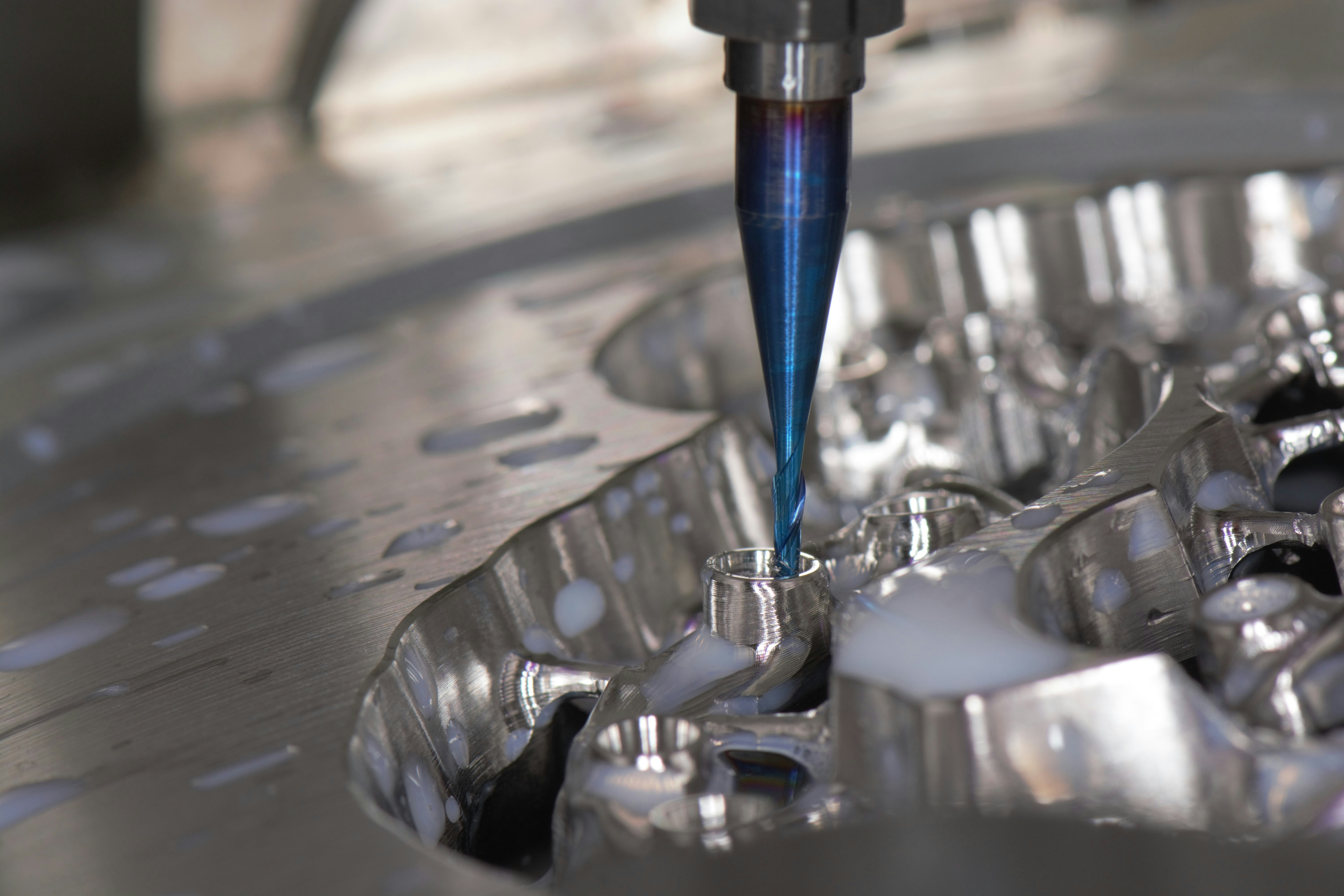
Introduction to CNC Machining
CNC (Computer Numerical Control) machining is a modern manufacturing process that utilizes computer technology to control and automate the operation of machine tools. This method allows for enhanced precision and repeatability in the production of custom parts, making it a cornerstone of contemporary manufacturing. CNC machining has fundamentally transformed the landscape of production, enabling manufacturers to create complex components with remarkable accuracy and efficiency.
The origins of CNC technology trace back to the 1940s when researchers began developing numerical control (NC) machines that utilized punched tape with coded instructions. Over the decades, advancements in computer technology have led to the evolution of CNC machining, where computers interpret intricate design files and translate them into precise movement commands for machinery. This transition has greatly enhanced the complexity of parts that can be manufactured, as well as reduced the time and labor required for production.
The significance of CNC machining in producing custom parts lies in its versatility and adaptability. This technology is capable of working with a wide range of materials, including metals, plastics, and composites. Industries such as aerospace, automotive, medical, and electronics have all benefited from the precise and customizable nature of CNC machining. Engineers and designers can utilize CAD (Computer-Aided Design) software to create detailed models, which CNC machines then replicate with extreme accuracy.
As businesses strive for efficiency, reducing waste, and meeting the demands of intricate designs, CNC machining has established itself as a vital technology that aligns with modern manufacturing needs. From prototypes to large-scale production runs, CNC machining plays a crucial role, maintaining high quality while optimizing the speed of manufacturing processes. Understanding this technology is essential for anyone involved in industries relying on precision and custom components.
Understanding Custom CNC Machining Parts
Custom CNC machining parts refer to components that are specifically designed and manufactured using Computer Numerical Control (CNC) technology, tailored to meet the unique specifications of various applications. This contrasts with standard parts, which are pre-fabricated and available in fixed dimensions and designs. The crux of custom CNC machining lies in its ability to produce parts that cater to the precise requirements of businesses and manufacturers, making it an invaluable resource in numerous industries.
The importance of custom-made components cannot be overstated. As industries evolve, the need for specialized parts that enhance operational efficiency becomes paramount. Custom CNC machining allows for the creation of intricate designs, which standard parts often cannot replicate. This bespoke approach enables manufacturers to maintain a competitive edge by ensuring that their products not only fit perfectly but also function optimally in their intended applications. The advantages of opting for custom solutions substantially contribute to their significance in manufacturing.
Precision is a primary benefit of custom CNC machining. This technology allows for meticulous attention to detail during the manufacturing process, ensuring that components adhere to exact specifications. The result is parts that offer reliable performance while minimizing the risks of malfunctions associated with ill-fitting standard components. Furthermore, the versatility of custom CNC machining means that businesses can develop a wide array of parts for various applications, seamlessly accommodating diverse material types and complexities.
Efficiency is another critical aspect of custom CNC machining. By producing parts that are tailored to specific needs, businesses can reduce waste and optimize their workflows. Custom parts often lead to shorter assembly times, as they are designed to fit their functions flawlessly from the outset. Therefore, understanding and utilizing custom CNC machining parts represents a strategic decision for businesses aiming to enhance their production line and improve overall performance.
Common Applications of Custom CNC Machining Parts
Custom CNC machining parts are integral to a variety of industries, showcasing their versatility and the precision they bring to manufacturing processes. One of the most prominent sectors utilizing these machined components is the aerospace industry. Here, CNC machined parts are crucial for fabricating lightweight yet robust components, such as brackets, housings, and engine mounts. The exacting standards required for aerospace applications necessitate high precision, which CNC machining readily provides, resulting in enhanced safety and performance of aircraft.
In the automotive sector, custom CNC machining is employed to produce a wide range of components, from engine parts to interior fittings. These machined parts often experience high levels of stress and must meet stringent safety regulations. CNC machining technology enables automotive manufacturers to create components with high accuracy, reducing the risk of defects and increasing the overall efficiency of the production process. Examples include intricate gears, custom brackets, and transmission cases, which are all critical to vehicle functionality.
The medical field also benefits significantly from custom CNC machining. In this sector, precision and reliability are paramount. CNC machined parts are used in the production of surgical instruments, medical devices, and implantable components. For instance, the manufacturing of orthopedic implants requires compliance with strict medical standards, and CNC machining ensures that these parts are crafted with the necessary precision and biocompatibility.
Furthermore, consumer electronics rely heavily on custom CNC machined components. Products such as smartphones, laptops, and gaming devices include machined parts that contribute to both functionality and aesthetics. These components often consist of complex geometries designed to fit precisely within electronic assemblies, enhancing overall performance.
In summary, the application of custom CNC machining parts spans multiple industries, each benefiting from the technology’s ability to produce high-precision parts essential for safety, functionality, and overall quality. Whether it’s for aerospace, automotive, medical, or consumer electronics, CNC machining plays a pivotal role in modern manufacturing.
The CNC Machining Process
The CNC machining process is a sophisticated manufacturing technique that involves several intricate steps to transform raw materials into precise, custom CNC machining parts. The first stage of this process is design representation, which typically utilizes Computer-Aided Design (CAD) software. Designers create detailed 2D or 3D models that depict the desired dimensions and features of the finished product. These CAD models serve as blueprints, ensuring accuracy and efficiency in the subsequent stages of production.
Once the design is finalized, the next step involves programming the CNC machine through Computer-Aided Manufacturing (CAM) software. In this phase, the CAD model is converted into a series of commands that guide the CNC machinery. This programming is crucial as it dictates the machine’s movements, cutting speeds, and tool selection, ultimately determining the efficiency and quality of the machining operations. Advanced CAM systems can simulate the machining process, helping to identify potential complications before actual production begins.
The execution phase follows programming, where the CNC machine carries out the specified operations. During this stage, various tools such as mills, lathes, and routers are employed to remove material and shape the part according to the programmed instructions. The precision of CNC machining ensures repeatability, allowing for the consistent production of identical parts. Different types of CNC machines may be utilized depending on the specific requirements, including 3-axis, 4-axis, or 5-axis machines, each offering unique advantages in achieving complex geometries.
Quality assurance is the final step in the CNC machining process. After the machining operations are completed, the parts undergo rigorous inspection using techniques such as coordinate measuring machines (CMM) or visual checks to ensure they meet the specified tolerances and quality standards. This thorough quality control is vital to confirm that the custom CNC machining parts will perform as intended in their designated applications. The meticulous nature of this process underscores the importance of precision engineering in modern manufacturing.
Materials Used in CNC Machining
CNC machining is a sophisticated manufacturing process that relies on various materials to produce precise components. Among the most commonly used materials in custom CNC machining are metals, plastics, and composites. Each material offers unique properties that cater to different applications and requirements. Understanding these materials can significantly influence the final product’s performance and durability.
Metals such as aluminum, steel, and titanium are prevalent choices in CNC machining due to their remarkable strength-to-weight ratios and excellent machinability. Aluminum, for instance, is lightweight and corrosion-resistant, making it ideal for industries that prioritize both performance and aesthetic appeal. Steel, particularly in its alloyed forms, delivers superior strength, making it suitable for heavy-duty applications. Titanium, while more expensive, boasts an outstanding strength-to-weight ratio and exceptional resistance to high temperatures and corrosion, ideal for aerospace and military applications.
Plastics, including acrylic and nylon, are also widely utilized in CNC machining. Acrylic provides optical clarity and is lightweight, making it an excellent choice for applications needing transparency, like display cases or light fixtures. On the other hand, nylon offers significant durability and flexibility, which is beneficial for creating parts that require resistance to wear and tear, such as gears and bearings. The machinability of these plastics can result in smoother finishes, reducing the need for extensive post-processing.
Additionally, composite materials, which combine different substances for enhanced properties, are gaining traction in CNC machining. They provide the benefits of both metals and plastics, presenting combinations that can withstand extreme conditions while remaining lightweight. Ultimately, the choice of material is critical in the custom CNC machining process, as it determines the final product’s functionality, lifespan, and fit within its intended application.
Benefits of Custom CNC Machining
Custom CNC machining offers a myriad of benefits that make it a preferred choice for manufacturers across various industries. One of the most significant advantages is its high precision. CNC machines operate with exceptional accuracy, which allows for the production of components that meet stringent tolerances. This precision ensures that parts fit together seamlessly and function as intended, reducing the likelihood of errors during assembly.
Another vital benefit is the repeatability that custom CNC machining provides. Once a design has been programmed into the CNC system, it can be reproduced with consistent results across multiple units. This consistency is crucial for mass production, ensuring that every piece manufactured is identical to the last. Such reliability not only enhances the quality of the final product but also instills confidence in the manufacturing process itself.
The ability to create complex designs is yet another compelling advantage of custom CNC machining. Unlike traditional machining methods, CNC technology can manipulate materials into intricate shapes and details that would be difficult, if not impossible, to achieve manually. This capability opens up new avenues for innovation, allowing designers to visualize and produce sophisticated components that enhance functionality and aesthetic appeal.
Economically, custom CNC machining is highly cost-effective, particularly for larger production runs. The initial investment in setup and programming may be higher, but the efficiency gained during mass production significantly lowers the cost per unit over time. Furthermore, the customization options available through CNC machining allow manufacturers to tailor products to specific client needs, adding value to the end products.
Finally, lead times are reduced with custom CNC machining compared to traditional methods. The automated nature of CNC processes streamlines production, enabling quicker turnaround times without sacrificing quality. This efficiency is particularly beneficial in today’s fast-paced markets, where timely delivery can be a competitive advantage.
Challenges in Custom CNC Machining
Custom CNC machining offers numerous advantages in precision manufacturing; however, it is not without its challenges. One of the primary hurdles faced during the custom machining process is design complexity. As projects vary in specifications, the intricacies of intricate designs often require advanced software and significant expertise to realize them accurately. Collaborating with engineers and designers from the inception stage is crucial to navigating these complexities effectively and ensuring that the machine can reproduce these designs reliably.
Another significant challenge is material selection. Selecting the appropriate material for the required custom CNC machined parts can heavily influence durability, machining performance, and overall project costs. Different materials possess unique properties, such as strength, thermal resistance, and machinability, which must be considered. Inappropriate material choices can lead to issues such as premature wear, excessive manufacturing time, or even complete project failure. Therefore, an informed understanding of the specific application’s requirements is essential for optimal material selection.
The need for skilled technicians cannot be overlooked in the context of custom CNC machining. The proficiency of operators directly affects the machining quality and efficiency. Skilled technicians are required to manage the complexity of CNC machinery, run programming codes, and troubleshoot issues that may arise during operation. Their expertise impacts not only the production speed but also the quality consistency of the parts produced.
Additionally, machine maintenance presents another layer of challenge. Regular maintenance is necessary to ensure that CNC machines operate at peak performance. Neglecting maintenance can result in unexpected breakdowns, which lead to costly downtimes and delays in production schedules. Beyond machine upkeep, maintaining production consistency while scaling operations can be difficult, emphasizing the need for stringent quality control measures throughout the entire manufacturing process.
Future Trends in CNC Machining
The landscape of custom CNC machining is rapidly evolving, driven by advancements in technology and changing industry demands. One of the most significant trends is the increasing automation of machining processes. Automation enhances operational efficiency, reduces labor costs, and minimizes human error, enabling manufacturers to accelerate production cycles. As technologies such as robotics and automatic machine setups become standard, they pave the way for higher accuracy and consistency in custom CNC machined parts.
Moreover, the integration of artificial intelligence (AI) and the Internet of Things (IoT) into CNC machining processes is revolutionizing the industry. AI algorithms are capable of analyzing data from CNC machines in real-time, which allows for predictive maintenance and optimization of machining parameters. This not only enhances productivity but also leads to more precise outcomes in the production of custom parts. IoT connectivity provides the advantage of monitoring machines remotely, allowing for immediate adjustments and quality control across the manufacturing process.
Another emerging trend is the growing demand for sustainable machining practices. As manufacturers face increasing pressure to reduce their environmental footprint, many are adopting eco-friendly practices in CNC machining. This includes utilizing materials that are more sustainable, optimizing machining processes to reduce waste, and implementing energy-efficient technologies. Innovations in machining techniques, such as additive manufacturing, are also contributing to sustainability by allowing for the creation of complex parts with less material waste.
As we look to the future, these trends indicate a shift toward more efficient, intelligent, and environmentally responsible CNC machining practices. The industry is poised for transformation as companies embrace these technologies to meet customer demands and adhere to sustainability goals, ultimately shaping the future landscape of custom CNC machining.
Choosing the Right CNC Machining Service
Selecting a suitable CNC machining service is crucial for ensuring the success and quality of your project. The right provider can significantly affect the final product, both in terms of precision and durability. One of the first factors to consider is the industry experience of the machining service. A provider with a proven track record in your specific industry often understands the nuances and challenges faced during the machining process. This familiarity can assist in better anticipating project needs and avoiding potential pitfalls.
Technological capabilities should also play a vital role in your decision-making process. A machining service that invests in state-of-the-art equipment and software will likely deliver higher accuracy and quicker turnaround times. Services that offer advanced technologies such as multi-axis machining or additive manufacturing can also accommodate more complex designs, enhancing your project’s overall quality.
Quality assurance measures are another critical aspect to evaluate when choosing a CNC machining service. Look for providers who implement comprehensive quality control processes, including rigorous inspections and adherence to industry standards. Reviews and testimonials from previous clients can provide insight into the service’s commitment to quality. For instance, a client may share how a service provider rectified an issue in a timely manner, thus preventing any delays in their production schedule.
Turnaround time is a practical consideration, especially if you are working on a tight deadline. It is essential to choose a service that can meet your timeline without compromising quality. Finally, excellent customer service cannot be overlooked. A provider that maintains clear communication and is readily available to address your concerns will contribute to smoother project execution. By evaluating these factors, you can make an informed choice that aligns with your machining needs.