
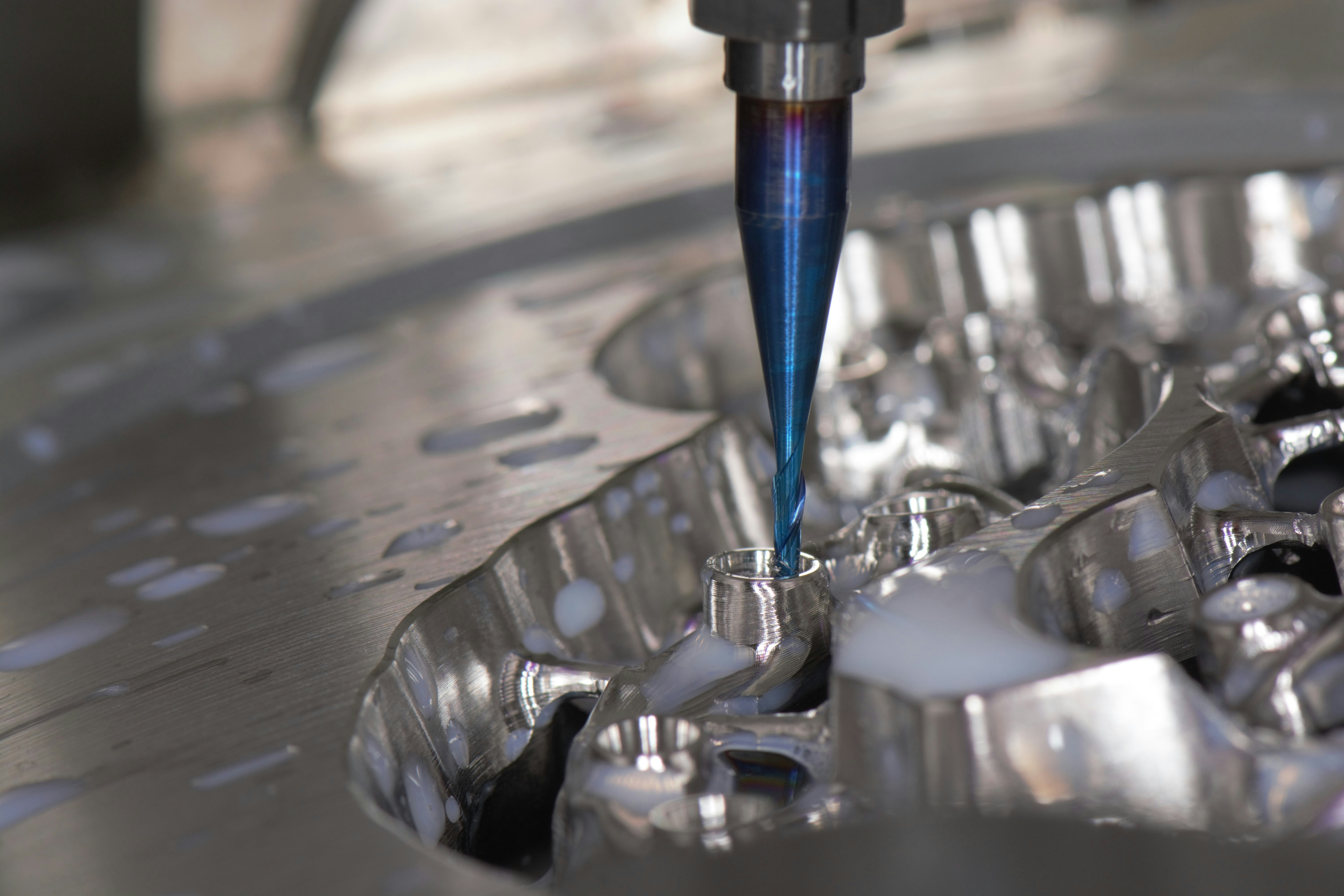
Introduction to Swiss-Type Machining
Swiss-type machining is a highly precise method of manufacturing, originating from Switzerland at the beginning of the 19th century. This technique is primarily engineered for producing complex, small-diameter parts with exceptional accuracy. Its invention can be traced back to the needs of the watchmaking industry, which demanded meticulous attention to detail and precision—qualities that Swiss craftsmanship is renowned for. Over the years, Swiss-type machining has evolved into a broader application, extending its benefits beyond watchmaking to various sectors including automotive, medical, and aerospace industries.
What sets Swiss-type machining apart from traditional machining methods is primarily the mechanism by which it creates parts. In this process, the workpiece is held firmly in place while a rotating cutting tool slides along the length of the material, allowing for a higher degree of control and precision. This ability results in the seamless production of intricate and multi-faceted components that may be difficult to achieve using conventional machining techniques, such as milling or turning.
The functionality of Swiss-type lathes, equipped with multiple tools and the ability to perform various operations simultaneously, makes them a preferred choice for high-volume production runs. This versatility not only reduces cycle times but also enhances productivity, further underscoring the technique’s relevance in today’s manufacturing landscape. Components produced using this method frequently feature tight tolerances and refined surfaces, making them ideal for applications where quality is non-negotiable.
As industries advance and the demand for precision-engineered parts continues to rise, understanding Swiss-type machining becomes increasingly crucial. The technique’s historical roots, coupled with its innovative advancements, provide a compelling case for its continued adoption in modern manufacturing. The distinctive capabilities of this method enable it to meet the complexities and standards of today’s fast-paced technological environment, making it a pivotal aspect of precision engineering.
Basic Principles of Operation
Swiss-type machining is a highly regarded precision manufacturing process that leverages unique mechanical principles to produce intricate components. At the core of this methodology lies the Swiss lathe, a specialized piece of equipment designed specifically for the efficient machining of small, complex parts with tight tolerances. The primary function of this machine is to rotate the workpiece while simultaneously feeding it through the spindle, which allows for unparalleled accuracy and consistency.
A key characteristic of Swiss-type machining is the sliding headstock, which enables the tool to remain stationary while the workpiece advances towards it. This significant design aspect enhances the stability of the operation, reducing vibrations and improving the overall quality of the machined part. The workpiece is kept under tension, ensuring that it maintains its position throughout the machining process, which is essential for achieving precise dimensions and surface finishes.
In Swiss-type machining, the integration of various components is crucial for optimal functionality. These include the guide bushing, which supports the workpiece as it is fed through the machine, and the cutting tools, which can be positioned in multiple ways to accommodate different machining operations. The versatility of these tools allows for various operations, such as turning, milling, and drilling, all performed on a single machine setup.
The efficiency and accuracy of Swiss-type machining make it a preferred choice in industries where precision is paramount, such as aerospace, medical devices, and automotive components. The principles governing its operation highlight the engineering advancements that have enabled the production of high-quality machined parts at scale. Understanding these fundamental mechanics is essential for grasping the advantages that Swiss-type machining offers in modern manufacturing.
Advantages of Swiss-Type Machining
Swiss-type machining, a highly regarded manufacturing process, offers several significant advantages that contribute to its widespread use in precision engineering, particularly for small, intricate components. One of the foremost benefits of this method is its ability to maintain exceptional precision. The design of Swiss-type lathes incorporates a sliding headstock and fixed workpiece, which allows for exceptionally tight tolerances and intricate features, ensuring that parts meet strict specifications consistently.
Another notable advantage is the efficiency with which Swiss-type machining can produce small parts that often come with complex geometries. The process utilizes rotating tools and a guide bushing, enabling multiple machining operations to occur concurrently. This not only reduces cycle times but also increases the overall throughput of parts produced. As a result, manufacturers can achieve higher productivity levels when opting for Swiss-type machining compared to traditional methods.
Moreover, Swiss-type machining reduces the need for frequent tooling changes. The integrated design allows for quick tool changes, which streamlines the setup process significantly. This is particularly beneficial for long production runs where consistent quality and rapid output are critical. The reduction in tooling changes also minimizes downtime, making Swiss-type machining an efficient choice for high-volume production environments.
Additionally, the process is known for its ability to lower material waste. The precision of Swiss-type machining results in fewer rejected parts and less scrap material generated during production. This eco-friendly aspect not only benefits the environment but also contributes to cost savings for manufacturers. Overall, the advantages of Swiss-type machining—including high precision, efficiency in handling complex designs, reduced tooling changes, increased productivity, and minimized material waste—make it an ideal solution for the modern manufacturing landscape.
Applications of Swiss-Type Machining
Swiss-type machining plays a crucial role in a multitude of industries, owing to its unparalleled precision and efficiency. One of the most prominent sectors utilizing this technique is aerospace, where components must meet strict safety standards and performance specifications. Swiss machines produce intricate parts such as micro-gears, brackets, and fittings that are integral to aircraft systems. The need for reliability in such applications underscores the importance of the precision that Swiss-type machining can deliver.
Another industry that significantly benefits from Swiss-type machining is medical devices. In this highly regulated field, manufacturing processes are expected to adhere to stringent quality standards. Components such as surgical instruments, implants, and diagnostic equipment require precise dimensions and tight tolerances, making Swiss machining an ideal choice. The ability to produce small, complex geometries ensures that medical devices function effectively and safely in critical situations.
The automotive industry also leverages Swiss-type machining for the creation of high-quality components, including valves, fittings, and sockets. These parts must withstand rigorous conditions while maintaining high levels of performance. Swiss machines are capable of producing items with exceptional uniformity, which is paramount in automotive applications where deviations can lead to performance issues and safety concerns.
In addition, the electronics sector utilizes Swiss-type machining for creating components such as connectors, switches, and housings. As electronic devices become smaller and more compact, the demand for precision manufacturing has intensified. Swiss-type machines can create intricate parts that are essential for the functionality of modern gadgets and equipment, ensuring that these devices meet consumer expectations for quality and reliability.
In conclusion, German-type machining serves as a backbone for various industries, including aerospace, medical devices, automotive, and electronics, by producing essential components that require high precision. The continued innovation in Swiss machining technologies will likely expand its applications in the future, maintaining its critical role in precision manufacturing.
Materials Commonly Used in Swiss-Type Machining
Swiss-type machining is renowned for its versatility and precision, allowing for the effective machining of a variety of materials. One of the most commonly used materials in this process is metal. Metals such as stainless steel, aluminum, and brass are frequently chosen due to their excellent machinability and strength. Stainless steel, for instance, is favored for its corrosion resistance and durability, making it suitable for components that require a long lifespan or are exposed to harsh environments. Aluminum, being lightweight yet robust, is often utilized in aerospace and automotive applications, where reducing weight without compromising strength is crucial. Brass is frequently employed in applications requiring good conductivity and resistance to rust, which enhances its usability in electronic components.
In addition to metals, plastics also play a significant role in Swiss-type machining. Engineering plastics such as polycarbonate, nylon, and acetal are utilized due to their favorable properties. Polycarbonate is appreciated for its impact resistance and clarity, making it ideal for optical applications. Nylon, known for its high strength-to-weight ratio and chemical resistance, is widely used in producing gears and bearings that withstand mechanical stresses. Acetal, another plastic of note, exhibits low friction properties and dimensional stability, making it perfect for precision parts.
Moreover, composites are gaining traction in Swiss-type machining due to their unique capabilities. Composites, which can be a combination of different materials like carbon fiber and resin, provide outstanding strength while remaining lightweight. This characteristic is particularly important in industries where performance and efficiency are paramount. These materials expand the possibilities of Swiss-type machining, allowing for the production of customized components that meet diverse requirements across various sectors.
Challenges and Limitations
Swiss-type machining, while renowned for its precision and efficiency in producing small, intricate parts, does present certain challenges and limitations that cannot be overlooked. Among these, tooling costs represent a significant concern. High-quality tools are essential to maintain the accuracy and finish required in Swiss-type machining, and these tools can often be quite expensive. This upfront investment can be a barrier for smaller enterprises or startups, potentially making it financially challenging to adopt this advanced machining method.
Another factor to consider is the complexity of the setup process. Swiss-type lathes are sophisticated machines that require careful configuration to achieve optimal performance. The setup may involve selecting appropriate collets, tools, and settings, which can be time-consuming and may require specialized knowledge. Operators need to be well-versed in both the machinery and the materials being processed, necessitating a substantial investment in training and experience.
The learning curve for new operators can be steep. Proficiency in Swiss-type machining often requires a deep understanding of both the machines and the specific manufacturing processes. An inexperienced operator may struggle to achieve the intended precision and could inadvertently result in defective parts, leading to waste and increased costs. This demand for skilled labor can limit the availability of qualified personnel in some regions, further exacerbating the challenges faced by companies utilizing Swiss-type machining.
Lastly, while Swiss-type machining excels in certain applications, there are situations where alternative machining processes may prove more favorable. For instance, machining larger components or executing complex geometries may be better suited to different techniques, such as CNC milling or traditional turning. In conclusion, while Swiss-type machining offers distinct advantages in precision and efficiency, companies must carefully weigh these challenges against their specific operational requirements and capabilities.
Technological Advances in Swiss-Type Machining
In recent years, the field of Swiss-type machining has seen remarkable technological advances that significantly enhance its efficiency and precision. Central to these developments is the evolution of Computer Numerical Control (CNC) technology, which has revolutionized manufacturing processes across various sectors. Modern CNC systems enable unparalleled accuracy, allowing for the production of intricate components with minimal tolerances. The integration of advanced software algorithms not only streamlines programming but also facilitates real-time monitoring and adjustments during machining operations. This adaptability ensures that manufacturers can respond swiftly to changes in production requirements, thereby optimizing operational productivity.
Another noteworthy advancement is the introduction of automatic tool changers, which have become a standard feature in contemporary Swiss-type machines. These devices enhance machining efficiency by reducing downtime associated with manual tool changes. Automated systems allow for the seamless transition between multiple tools, thus enabling complex multi-operation processes to be completed without interruption. This improved workflow maximizes output while maintaining high standards of precision—a critical requirement in industries such as medical device manufacturing and aerospace engineering.
Moreover, the emergence of smart manufacturing systems is transforming Swiss-type machining by incorporating the principles of Industry 4.0. These interconnected systems employ the Internet of Things (IoT) to facilitate data exchange between machines, tools, and operators. By leveraging big data analytics, manufacturers can gain insights into tool wear, machine performance, and production efficiency. This data-driven approach allows companies to implement predictive maintenance strategies, thereby minimizing equipment downtime and enhancing operational reliability. As these technologies continue to evolve, their integration into Swiss-type machining processes is expected to further augment efficiency and accuracy, setting new standards for the industry.
Future Trends in Swiss-Type Machining
As industries evolve, Swiss-type machining is anticipating significant transformations driven by technological advancements and market demands. One prominent trend is the increased integration of automation in machining processes. Automation not only optimizes production efficiency but also enhances precision. With the advent of advanced robotics and automated systems, Swiss-type machining is becoming increasingly capable of producing intricate components with minimal manual intervention. This shift towards greater automation allows manufacturers to meet tighter deadlines while maintaining high-quality standards.
Moreover, the integration of the Internet of Things (IoT) into Swiss-type machining is set to revolutionize the way machines communicate and operate. IoT-enabled machines can collect and transmit real-time data, facilitating predictive maintenance and reducing downtime. These connected systems enable manufacturers to monitor performance remotely, leading to prompt interventions when necessary. As a result, the potential for enhancing productivity and efficiency in Swiss-type machining through intelligent data analysis will undoubtedly increase. The synergy between sophisticated IoT frameworks and machining technology will lead to smarter manufacturing environments overall.
Advancements in machine learning are further shaping the future landscape of Swiss-type machining. Machine learning algorithms can analyze vast amounts of operational data, allowing for more refined processes and the ability to anticipate potential issues before they arise. This predictive analysis ensures that precision parts are not only manufactured to exact specifications but also optimally tailored to the specific requirements of various applications. As industries demand an ever-increasing range of complex, precision-engineered parts, Swiss-type machining stands well-positioned to adapt to these evolving challenges.
In conclusion, the future of Swiss-type machining looks promising, with trends in automation, IoT integration, and machine learning set to enhance efficiency and precision. The growing demand for high-quality precision parts in various sectors further reinforces the relevance of this machining technique as it meets the challenges of modern manufacturing.
Conclusion
In the realm of modern manufacturing, Swiss-type machining has emerged as a pivotal technological advancement that significantly enhances precision and efficiency. Throughout this overview, we have explored the fundamental characteristics that distinguish Swiss-type machining from other manufacturing methods. The unique sliding headstock system allows for unparalleled accuracy when producing complex components with intricate geometries, often required in sectors such as aerospace, automotive, and medical device manufacturing.
Moreover, the inherent ability of Swiss-type lathes to machine small-diameter parts while maintaining tight tolerances stands out as a crucial advantage. This capability is particularly beneficial for industries where quality and precision are paramount. Utilizing advanced tooling and automated processes, Swiss-type machining not only improves production rates but also minimizes waste and reduces overall operational costs, making it an economically viable choice for manufacturers.
Additionally, the flexibility of Swiss-type machines enables them to handle multiple tasks, from simple turning operations to complex milling, drilling, and threading. This versatility allows manufacturers to adapt quickly to changing market demands and production requirements, a necessity in today’s fast-paced industrial landscape. By considering the wide array of applications and advantages associated with Swiss-type machining, companies can better position themselves to meet the evolving challenges of their respective industries.
In conclusion, embracing Swiss-type machining represents a strategic investment in quality and efficiency that can yield significant returns for manufacturers. As industries continue to evolve, the integration of this technology could prove to be essential in optimizing production processes and achieving competitive advantages. Companies looking to enhance their operational capabilities should explore the potential of Swiss-type machining to address their specific manufacturing needs.