
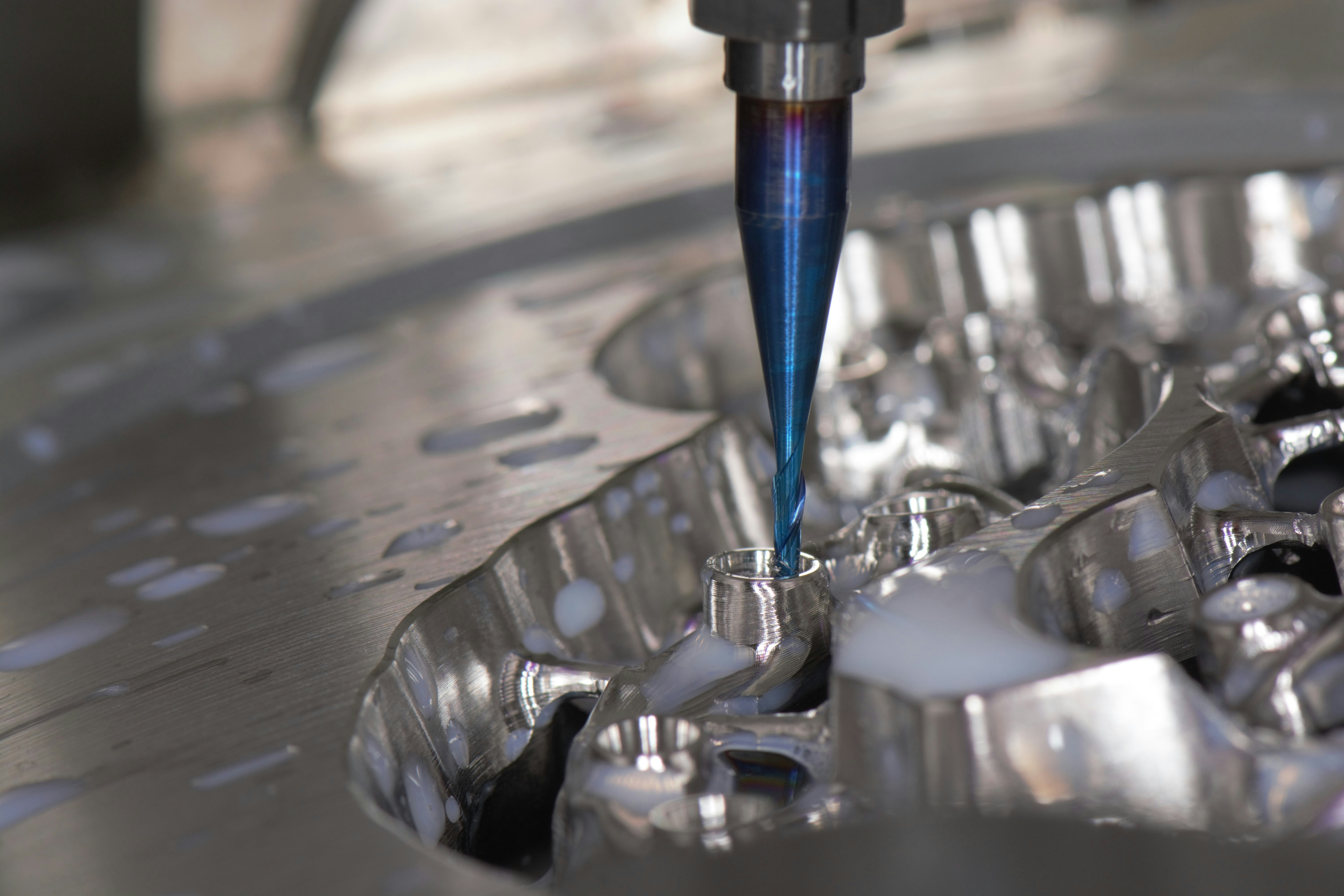
Introduction to Swiss-Type Machining
Swiss-type machining, a method rooted in the precision engineering of the late 19th century, emerged from the necessity to manufacture tiny, intricate components. This innovative approach was developed in Switzerland, hence its name, and has since revolutionized the manufacturing landscape. At its core, Swiss-type machining is characterized by a unique mechanism in which the material is fed into the machine and subsequently machined from all sides, utilizing a sliding headstock and a series of tools. This technique allows for the creation of parts with complex geometries and tight tolerances that are often unattainable through conventional machining processes.
What sets Swiss machining apart is its unparalleled ability to produce small components, typically less than 30 millimeters in diameter, with exceptional precision. In contrast to traditional machining workflows, which often involve fixed tooling and longer cycle times, Swiss-type machines operate with a synchronized tool movement that enhances efficiency. This capability is particularly beneficial for tasks requiring high volumes of repeatability, making it indispensable in sectors such as aerospace, automotive, and medical device manufacturing, where precision is paramount.
Moreover, the versatility of Swiss-type machining makes it a preferred choice across various industries. The technology is adept at handling a wide range of materials, from metals and plastics to exotic alloys, enabling manufacturers to fulfill diverse production requirements. The ability to manage complex, multi-operational tasks in a single setup not only streamlines production but also minimizes the risk of errors associated with transferring parts between different machines. Consequently, Swiss machining supports modern manufacturing goals while setting a higher standard for quality and efficiency in component production.
How Swiss-Type Machining Works
Swiss-type machining is a precision manufacturing process that leverages the capabilities of CNC Swiss machines to produce high-quality components with tight tolerances. The foundation of this specialized machining method lies in its unique design and functionality. At the core of a Swiss-type machine is the sliding headstock, which serves as the main driving force in the process. This headstock moves the workpiece toward the cutting tools, ensuring a highly accurate cut that accommodates intricate designs.
Essential to this operation are the workpiece holder and tool holders. The workpiece holder is responsible for securely holding the material being machined, while the tool holders accommodate several cutting tools. This arrangement allows for multiple operations to be performed sequentially without needing to reposition the workpiece, significantly enhancing production efficiency. Each tool can be employed for turning, milling, or drilling, contributing to the overall versatility of the Swiss-type system.
The feeding mechanism is another crucial aspect of Swiss-type machining. It systematically advances the workpiece into the cutting zone, ensuring that each cut is executed with precision. This mechanism operates in perfect harmony with the sliding headstock, allowing the machine to maintain tight tolerances even during complex machining tasks. Furthermore, the incorporation of live tooling features, such as rotating tools that perform functions independently of the main spindle, enables the production of more intricate geometries and reduces the need for secondary operations.
Through this harmonious interaction of components—including the sliding headstock, workpiece holder, tool holders, and advanced feeding mechanisms—Swiss-type machining achieves high precision and efficiency. This innovative machining technique exemplifies the evolution of precision engineering, enabling manufacturers to meet the demands of today’s complex manufacturing landscape.
Advantages of Swiss-Type Machining
Swiss-type machining technology has become increasingly popular in the manufacturing sector due to its remarkable advantages, particularly in precision engineering. One of the key benefits is the superior precision it offers. Swiss machines utilize a unique sliding headstock design that allows the workpiece to be held firmly while cutting tools move along the Z-axis. This method ensures that the tools remain close to the material, significantly reducing the chances of vibration and inaccuracies, thus enhancing the overall quality of the final product.
Another noteworthy advantage of Swiss-type machining is the reduction of cycle times. The efficiency of these machines allows for high-speed operations, which is critical in environments where time is of the essence. With the ability to perform multiple operations in a single setup, Swiss machines minimize downtime, further streamlining the manufacturing process. This capability not only expedites production but also contributes to the ability to meet tight deadlines without compromising on quality.
Swiss-type machining is especially suited for creating complex geometries, making it indispensable for industries that demand intricate designs, such as aerospace and medical. The precision in design also means that intricate components, which could be challenging to produce using traditional methods, can be manufactured with a high degree of accuracy. Moreover, the capability for high-volume production increases the return on investment and minimizes costs.
Additionally, Swiss-type machining promotes cost efficiency and sustainability within manufacturing operations. The design and operation of these machines generate minimal waste, allowing businesses to optimize their material usage effectively. As industries increasingly focus on sustainability, this reduced waste is a compelling reason to adopt Swiss technology. In consideration of these significant advantages, it is evident why Swiss-type machining stands out as a preferred solution in precision engineering.
Applications of Swiss-Type Machining
Swiss-type machining is a manufacturing process renowned for its ability to produce high-precision components efficiently. This technique finds applications in several industries, owing to its unique capabilities in shaping complex geometries. Notably, sectors such as medical device manufacturing, aerospace, automotive, and electronics have shown remarkable reliance on Swiss-type machining.
In the medical device sector, the demand for precision components is paramount. Swiss-type machining excels in producing intricate parts such as surgical instruments, implants, and drug delivery systems. The ability to maintain tight tolerances and high surface finishes makes it an ideal choice for components like screws and fittings used in critical medical applications.
The aerospace industry also benefits significantly from Swiss-type machining. Components such as fuel injectors, landing gear parts, and engine components necessitate stringent quality control measures. Swiss machining allows for the production of lightweight, durable, and precisely engineered parts that are essential for aircraft performance and safety.
In the automotive field, Swiss-type machining is utilized to manufacture components that require meticulous engineering. Parts such as valves, shafts, and transmission components are commonly produced using this technique. The increased complexity of automotive designs requires the efficiency and precision that Swiss machining can provide, ensuring vehicle reliability and performance.
Electronics is another key area where Swiss-type machining plays a crucial role. The production of connectors, housings, and other intricate electronic components demands a level of precision that is characteristic of this machining technique. This sector relies on Swiss machining to produce small, complex parts that can accommodate the rapid evolution of technology.
These examples illustrate that Swiss-type machining is an invaluable method across various industries, consistently meeting the growing demands for precision and complexity in component manufacturing.
Materials Suitable for Swiss-Type Machining
Swiss-type machining is highly regarded for its ability to precisely shape and finish a diverse array of materials. This technique excels particularly with metals, plastics, and composites, each presenting unique properties that influence the machining process. Understanding the suitability of various materials is crucial for manufacturers looking to optimize the benefits of Swiss-type machining.
Metals such as stainless steel and aluminum are commonly machined using Swiss techniques. Stainless steel, known for its strength and corrosion resistance, requires specific considerations such as tooling materials and cutting speeds to manage its work-hardening properties effectively. On the other hand, aluminum’s lightweight nature and excellent machinability make it a favorable option for Swiss machines, facilitating faster cycle times and reduced tool wear.
Traditional industrial applications also utilize materials like brass and copper, which are appreciated for their conductivity and ease of machining. Brass, in particular, is often favored for applications requiring intricate parts due to its ability to achieve a fine finish with minimal effort. The thermal and mechanical properties of copper allow for effective heat dissipation, making it suitable for components like electronic connectors.
Beyond metals, a variety of plastics, including acrylonitrile butadiene styrene (ABS) and polycarbonate, can also benefit from Swiss-type machining. These materials enable the production of lightweight parts that maintain structural integrity in a range of applications. The machining process for plastics requires careful temperature control and tooling considerations to avoid melting or deforming the material.
When evaluating materials for Swiss-type machining, manufacturers should consider factors such as ductility, hardness, and thermal conductivity. Each of these characteristics may affect the choice of cutting tools, speeds, and feeds necessary for effective machining while ensuring high precision and surface finish. By understanding these material properties, companies can achieve optimal results in their Swiss machining operations.
Challenges and Limitations of Swiss-Type Machining
Swiss-type machining, while renowned for its precision and efficiency, is not without its challenges and limitations. One of the most significant hurdles encountered by manufacturers is the high initial setup cost associated with Swiss-type lathes. These machines, designed for maximum precision, often require substantial financial investment, which can be a barrier for smaller businesses looking to enter the market. Moreover, the sophistication of these machines typically demands advanced technology and infrastructure, further increasing the upfront expenses.
Another considerable challenge is the need for skilled operators. The complexity of Swiss-type machining necessitates that operators possess a high level of expertise to program and manage the machines effectively. This skill requirement can result in increased labor costs and complications in training new staff. A shortage of personnel with the needed expertise can lead to operational delays and adversely affect production timelines, making it critical for companies to invest in ongoing training and development for their workforce.
Additionally, while Swiss-type machining is well-suited for high-precision components, it can face limitations in volume production for certain designs. The machining process can become less cost-effective when producing low quantities of parts, as the time and resources required for setup may not yield the desired return on investment. This limitation is particularly relevant for custom designs that do not fit the standard manufacturing process.
Fortunately, continuous advancements in technology are addressing some of these challenges. Automation, for instance, is increasingly being integrated into the workflow of Swiss-type machining, streamlining processes and minimizing the need for manual intervention. Improved machine capabilities and software developments are also enhancing efficiency, making it possible to overcome some of the traditional limitations related to setup times and design variations.
Future Trends in Swiss-Type Machining
As the manufacturing landscape continues to evolve, Swiss-type machining stands on the brink of transformative changes driven by emerging technologies. One of the most significant trends shaping the future of this precision engineering technique is the advent of smart manufacturing. By integrating Internet of Things (IoT) capabilities, Swiss-type machining centers can communicate in real-time, allowing for enhanced monitoring and optimization of production processes. This connectivity not only improves efficiency but also allows for predictive maintenance, reducing downtime and extending machine life.
Another critical advancement is the incorporation of artificial intelligence (AI) into Swiss-type machining. AI algorithms can analyze vast amounts of production data to identify patterns and recommend adjustments to improve accuracy and efficiency. For example, machine learning techniques can be utilized to fine-tune cutting parameters, leading to enhanced surface finishes and tighter tolerances. The integration of AI promises to reduce human error and enable more automated decision-making, making Swiss-type machining an even more reliable choice for high-precision components.
Advances in machine design also play a pivotal role in shaping the future of Swiss-type machining. The focus on improving kinematics and machine ergonomics is resulting in new designs that offer greater flexibility and capability. Manufacturers are exploring hybrid machines capable of both subtractive and additive processes, expanding the horizons of what can be achieved through Swiss machining. This hybridization could lead to shorter lead times and increased customization in production runs, catering to the evolving needs of various industries.
Overall, the future of Swiss-type machining appears promising with these trends. The integration of smart technologies, AI, and advanced machine design is paving the way for unprecedented levels of efficiency, accuracy, and versatility in precision engineering. The potential impact on the manufacturing sector could be profound, as more companies adopt these advancements to remain competitive in a rapidly changing market.
Comparison with Traditional Machining Techniques
Swiss-type machining has gained recognition for its unique approach to precision engineering, distinguishing itself from traditional machining methods such as CNC milling and turning. One of the primary advantages of Swiss-type machining lies in its unparalleled ability to produce intricate parts with complex geometries. This method employs a sliding headstock that allows the workpiece to be fed continuously as tools are applied, leading to enhanced precision and reduced cycle times.
In contrast, traditional CNC milling and turning often necessitate multiple setups and repositioning of the workpiece. This results in potentially longer production times and increased chances for error during part re-fixturing. Specifically, CNC turning focuses on rotational workpieces, while milling handles stationary ones, sometimes limiting the complexity that can be achieved in one cycle. In environments where high-volume production is essential, Swiss-type machining quickly becomes advantageous due to its efficient, one-pass approach, leading to substantial time savings.
Cost considerations also play a crucial role in the comparison between these machining techniques. While Swiss-type machines may present a higher initial investment, the long-term benefits—including superior accuracy, reduced material waste, and minimized labor costs—can justify the expenditure. Conversely, traditional machining is typically less capital-intensive upfront, making it a suitable choice for low-volume production or simpler components. Understanding the trade-offs between these methods is vital for manufacturers. For example, when dealing with high-precision applications like medical devices or watchmaking, Swiss-type machining often excels, whereas traditional methods might be more suited for larger, less intricate parts.
Ultimately, each technique has its place in the spectrum of manufacturing, and the choice between Swiss-type machining and traditional counterparts depends significantly on the specific requirements of production efficiency, part complexity, and cost structure.
Conclusion
In reviewing the intricacies of Swiss-type machining, it becomes evident that this method plays a pivotal role in contemporary precision engineering. The unique capabilities of Swiss machining, characterized by its ability to produce highly precise and intricate components, set it apart from traditional machining techniques. This section encapsulates the key aspects discussed throughout this blog post, reaffirming the significance of Swiss-type machining in an increasingly technology-driven landscape.
Swiss-type machining utilizes a sliding headstock that allows for the production of long, slender parts, which is particularly advantageous for industries such as medical, automotive, and aerospace. These sectors often demand parts that require tight tolerances and superior surface finishes, a specification that Swiss machining readily fulfills. As highlighted, the progress in technology continually enhances the capabilities of this machining process, making it increasingly viable for scaling production while maintaining quality.
Moreover, another compelling benefit of Swiss-type machining lies in its efficiency. The ability to perform multiple machining operations in a single setup reduces lead times and waste, ultimately resulting in cost savings for manufacturers. This aspect is particularly important as companies seek to streamline their operations and enhance their competitive edge in the global market.
To sum up, choosing Swiss-type machining is not merely a decision based on current needs but a strategic move towards future-proofing manufacturing capabilities. As industries evolve, the adaptability and precision offered by Swiss machining will undoubtedly continue to attract diverse applications. Thus, considering Swiss-type machining for your precision engineering projects could be a crucial step towards achieving excellence in your production outcomes.