
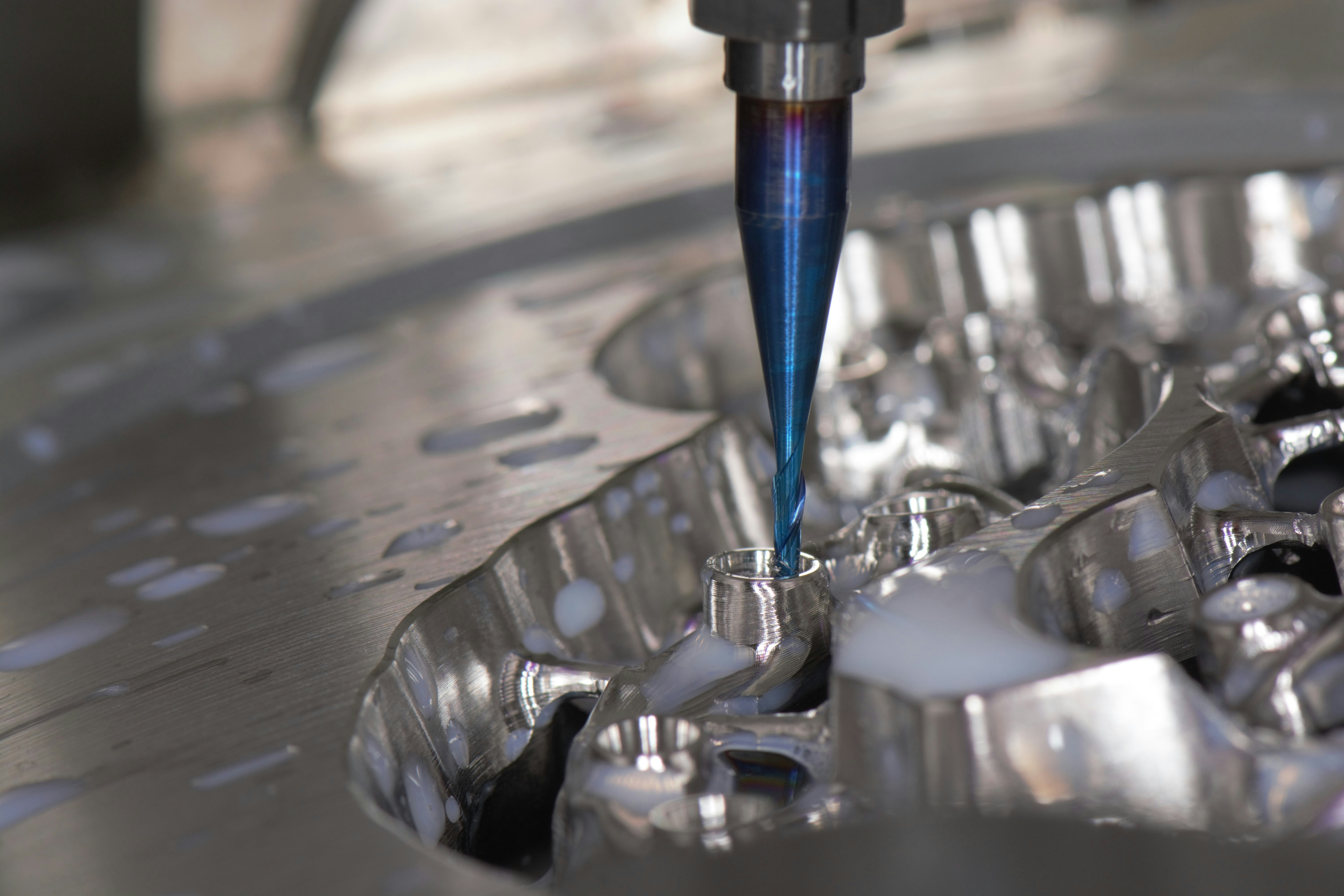
Introduction to Swiss-Type Machining
Swiss-type machining, a highly efficient method of producing precision components, is characterized by its unique capability to manufacture intricate parts with exceptional accuracy. This machining technique emerged in the late 19th century in Switzerland, where skilled watchmakers sought advanced methods to enhance production efficiency and precision. The need for producing small, complex parts led to the development of the Swiss-style lathe, known for its ability to work on materials in a way that minimizes waste while ensuring consistent quality. Over time, this technique adapted beyond the watchmaking industry to meet the demands of various sectors, including aerospace, medical, and electronics.
Rooted in a process known as “sliding headstock” technology, Swiss-type machining utilizes a sliding head mechanism that allows tools to work on materials while they remain in motion. This approach not only increases efficiency but also enhances the precision of the final product. The unique setup enables multiple operations to be performed simultaneously on a workpiece, allowing complex geometries to be achieved with fewer setups and reduced cycle times. Such attributes have paved the way for Swiss-type machining to become indispensable in industries requiring high-volume production of small parts with tight tolerances.
In recent years, advancements in technology have further propelled the evolution of Swiss-type machining. Modern CNC Swiss lathes have integrated advanced controls, which facilitate intricate programming and automation capabilities. These enhancements allow manufacturers to create components that require innovative designs while maintaining manufacturing efficiency. As industries continue to demand higher precision and reliability, Swiss-type machining stands out as an ideal solution, underscoring its relevance in today’s fast-paced manufacturing landscape.
How Swiss-Type Machining Works
Swiss-type machining is a unique manufacturing process that is particularly effective for producing small, precise parts with high complexity. The operational principles of this technique revolve primarily around the sliding headstock and guide bushing. Understanding the interaction between these components is crucial for grasping how Swiss-type machines operate efficiently compared to traditional machining methods.
The sliding headstock is a defining feature of Swiss-type lathes. Unlike conventional lathes that utilize fixed spindles, the sliding headstock moves back and forth along a horizontal axis. This movement allows the cutting tool to approach the workpiece from varying angles, facilitating operations such as turning, facing, and grooving. Such versatility enables manufacturers to machine intricate geometries that may be challenging with standard lathes.
Another essential element is the guide bushing. This component serves to support the workpiece as it is being machined. When the sliding headstock advances, the guide bushing ensures that there is minimal play and that the part remains stable, thus enhancing precision and reducing the risk of tool deflection during the machining process. The close tolerance between the workpiece and the guide bushing greatly contributes to the overall accuracy, which is a distinctive advantage of Swiss-type machining.
Moreover, the combination of the sliding headstock and guide bushing allows for continuous feed, meaning that parts can be progressively machined without the need for repositioning. This efficiency not only speeds up production times but also leads to greater consistency in the machining process.
By utilizing this innovative approach, Swiss-type machining can produce high-quality components that meet stringent specifications, making it a preferred choice in industries such as aerospace, medical devices, and automotive manufacturing.
Benefits of Swiss-Type Machining
Swiss-type machining offers several advantages that make it a preferred manufacturing technique, particularly for producing precision components. One of the most significant benefits is the increased precision it provides. The unique design of Swiss machines allows for tight tolerances, often up to ±0.001 mm, which is crucial in industries requiring intricate and accurate parts. This high level of precision reduces the likelihood of errors, leading to enhanced overall product quality.
Another substantial advantage of Swiss-type machining is the reduced lead times. The automation and efficiency of Swiss machines enable manufacturers to produce parts in a shorter timeframe compared to traditional machining methods. This is particularly beneficial in environments where demand can fluctuate rapidly or where quick turnaround times are essential. The ability to quickly switch from one part design to another contributes to operational flexibility and responsiveness to market needs.
Moreover, Swiss-type machining excels at producing complex geometries that may be challenging or impossible to achieve with other methods. The sliding headstock mechanism allows for precise tool positioning and control, making it possible to create intricate designs in a single operation. This capability not only streamlines production processes but also minimizes the need for secondary operations, thus saving both time and resources.
Real-world applications of Swiss-type machining illustrate these benefits effectively. In the medical industry, for example, where the production of surgical instruments requires utmost precision, Swiss machines play a pivotal role in meeting stringent regulatory standards and customer expectations. Similarly, in the aerospace sector, where components often feature complex geometries and exact tolerances, the use of Swiss-type machining has become essential to enhance performance and reliability.
Overall, the advantages of Swiss-type machining—precision, reduced lead times, and capability for complex geometries—make it an invaluable asset for manufacturers across various industries.
Common Applications of Swiss-Type Machining
Swiss-type machining has emerged as a critical manufacturing process across various industries, providing precision and efficiency in producing intricate components. One of the most prominent sectors leveraging this method is the medical industry. Swiss-type machining is essential for creating complex medical devices, such as surgical instruments and implantable components, where precision is paramount. The capability to achieve tight tolerances enhances the reliability and safety of these crucial medical products.
In the aerospace sector, Swiss-type machining plays a significant role in the production of components that must withstand extreme conditions. Parts like fuel injectors, turbine blades, and specialized fasteners are commonly produced using this technique. The ability to manufacture lightweight yet durable components is vital for the aerospace industry, as it contributes to efficiency and performance, meeting the stringent requirements of safety standards.
The automotive industry also benefits significantly from Swiss-type machining, particularly in the creation of precision parts such as fuel systems and transmission components. As vehicles become more advanced, the demand for intricate, high-quality components grows. Manufacturers in this sector utilize Swiss-type machining to produce gear shafts, valve assemblies, and various other components where accuracy and surface finish are critical for optimal performance.
Furthermore, the electronics industry employs Swiss-type machining for creating small, complex parts such as connectors, housings, and circuit boards. The growing trend toward miniaturization in electronics necessitates precise manufacturing processes that the Swiss-type method provides. By producing parts with fine details and superior surface finishes, this method ensures that electronic devices perform reliably in various applications.
Overall, the versatility of Swiss-type machining is evident in its widespread adoption across diverse industries. Its ability to produce high-precision, complex components underlines its importance in modern manufacturing, making it an indispensable technique for meeting the demands of various applications.
Differences Between Swiss-Type and Conventional Machining
Swiss-type machining distinguishes itself from conventional machining techniques in several key aspects, most notably in speed, efficiency, and the types of materials suitable for each method. One prominent difference lies in the design and operational approach of the two systems. Swiss-type machining employs a sliding headstock, which allows the workpiece to move along the axis of the cutting tool, thereby optimizing the material removal process. This design is particularly advantageous for producing intricate parts with tight tolerances, where conventional machining may struggle to maintain precision.
In terms of speed and efficiency, Swiss-type machines can execute high-volume production runs at a faster pace than traditional lathes. Due to their mechanism, they can perform multiple operations simultaneously, which significantly reduces cycle times. For instance, while a conventional lathe may require several setups to complete various machining processes on a single part, Swiss-type machining can achieve these through its highly automated, continuous operation, ensuring a smoother workflow and minimizing operational downtime.
The types of materials suited for Swiss-type and conventional machining also differ. Swiss-type machining excels with smaller diameter workpieces and can handle materials that are difficult to machine with traditional techniques, such as hardened alloys and plastics. Conversely, conventional machining is generally more versatile when it comes to larger components or those requiring complex setups, as it can accommodate more substantial stock and is typically less limited by size or geometry.
In specific edge case scenarios, Swiss-type machining demonstrates superiority, particularly in situations demanding high precision and low quantities, such as the aerospace or medical device industries. This performance is often attributed to its unique ability to maintain a tight grip on tolerances while producing parts efficiently. Ultimately, understanding these differences assists manufacturers in selecting the most appropriate machining technique based on their needs.
Materials Compatible with Swiss-Type Machining
Swiss-type machining is renowned for its precision and versatility, which is heavily influenced by the choice of materials used in the process. The most common materials compatible with this method include metals, plastics, and composites, each with unique properties that dictate their suitability for various applications. Understanding these materials and their characteristics is crucial for achieving optimal machining parameters and product quality.
Metals are frequently employed in Swiss-type machining due to their strength and durability. Commonly used metals include aluminum, stainless steel, brass, and titanium. Aluminum is lightweight and offers excellent machinability, making it an ideal choice for complex parts that require precision without excessive weight. Stainless steel, known for its corrosion resistance, is often used in applications ranging from medical devices to aerospace components. Brass provides good electrical conductivity and is often utilized in the production of fittings and hardware. Titanium, although more challenging to machine, boasts high strength-to-weight ratios, making it advantageous for high-performance applications.
In addition to metals, plastics are increasingly being used in Swiss-type machining processes. Materials such as polycarbonate, acetal, and nylon are popular due to their favorable properties, such as lightweight and resistance to a variety of chemicals. Polycarbonate is known for its excellent impact resistance, while acetal is valued for its low friction properties, making it suitable for precision parts that require smooth movement. Nylon is often chosen for its excellent durability and versatility, appealing for applications in various industries.
Composites, which combine two or more materials to enhance performance, are also compatible with Swiss-type machining. These materials provide tailored properties, allowing for greater design flexibility. The diverse range of materials used in Swiss-type machining reflects the method’s capability to produce high-quality components across multiple industries, where the unique properties of each material play a pivotal role in determining the final outcome of the machining process.
Technological Advances in Swiss-Type Machining
The field of Swiss-type machining has undergone significant transformations in recent years, thanks to numerous technological advancements that enhance productivity and precision. Automation stands at the forefront of these innovations, allowing for streamlined operations that minimize human error and maximize efficiency. Automated Swiss-type machines come equipped with advanced features such as robotic loading systems and automatic tool changers, enabling continuous operation and reducing idle time. This shift not only optimizes production but also allows manufacturers to allocate human resources to more complex tasks, thus improving overall operational efficiency.
In addition to automation, advancements in software development for CNC (Computer Numerical Control) machines have played a crucial role in enhancing the capabilities of Swiss-type machining. Modern CNC software solutions enable programmers to create complex geometries with ease, facilitating the production of intricate parts that meet exact specifications. These software systems often boast user-friendly interfaces and incorporation of simulation tools, allowing operators to visualize machining processes before executing them. Such features significantly reduce material waste and shorten lead times by identifying potential issues ahead of time.
Moreover, the convergence of Swiss-type machining with Industry 4.0 principles represents a major evolution in manufacturing practices. This trend emphasizes connectivity and data exchange among machines, leading to smarter production environments. Swiss-type machines are increasingly equipped with IoT (Internet of Things) capabilities, allowing them to communicate in real-time and provide valuable data about operational efficiency. Manufacturers can now employ predictive maintenance strategies, which use data analytics to anticipate machine failures before they occur, further enhancing productivity and reducing downtime.
Ultimately, the technological advances in Swiss-type machining not only elevate efficiency and precision but also fortify the industry’s position in the competitive landscape. As these innovations continue to unfold, the future of Swiss-type machining promises even greater improvements in performance and capability.
Challenges in Swiss-Type Machining
Swiss-type machining, recognized for its precision and efficiency, is not without its challenges. One of the most significant hurdles in this process is the need for skilled operators. The intricate nature of these machines requires operators who not only possess technical expertise but also have a thorough understanding of the machining principles. Training and retention of skilled personnel can be a challenge, as the learning curve for operating Swiss lathes can be steep. Companies must invest in continuous training to ensure that their workforce is capable of maximizing machine capabilities while minimizing errors.
Another critical challenge pertains to machine maintenance. Swiss-type lathes, known for their high-speed capabilities and complex construction, demand regular maintenance to remain in optimal condition. This entails a proactive approach to maintenance, including routine checks and part replacements. Organizations must ensure that they have a maintenance schedule in place to avoid costly downtimes that can significantly impact production efficiency. This maintenance requirement can also add an additional layer of expense for businesses, requiring a budget allocation that might detract from other operational areas.
Cost considerations further complicate the appeal of Swiss-type machining. While these machines can lead to high-quality outputs and reduced waste overall, the initial capital investment can be substantial. Smaller manufacturers might find it challenging to justify the expense, especially when considered alongside other operational costs. However, for those committed to precision engineering, the potential for reduced cycle times and improved product quality can outweigh these initial costs, making Swiss-type machining a worthwhile investment in the long run.
Addressing these challenges requires strategic planning. Companies are advised to implement comprehensive training programs and prioritize maintenance protocols. Additionally, they can explore financing options or shared manufacturing resources as a means to mitigate high costs.
Future Trends in Swiss-Type Machining
The landscape of Swiss-type machining is continuously evolving driven by advancements in technology, increasing sustainability demands, and the ever-changing needs of various industries. As we look towards the future, several trends are likely to shape and influence Swiss-type machining processes.
One significant trend is the ongoing integration of advanced technologies. Automation and artificial intelligence are anticipated to have a profound impact on Swiss-type machining operations, enabling manufacturers to improve precision and efficiency. For instance, the implementation of machine learning algorithms can facilitate predictive maintenance, minimizing downtime and enhancing productivity. Additionally, more manufacturers are likely to adopt Industry 4.0 principles to optimize their operations through interconnected systems and real-time data analytics. This shift can lead to smarter production processes that not only increase output but also reduce waste.
Sustainability is another critical factor that will play a pivotal role in the future of Swiss-type machining. As industries worldwide become more conscious of their environmental impact, the pressure to adopt sustainable practices intensifies. Manufacturers of Swiss-type machining components may increasingly seek eco-friendly materials and explore energy-efficient processes. Furthermore, recycling initiatives for metal and plastic waste produced during machining processes are expected to gain traction, aligning operations with a circular economy model.
Lastly, the evolving demands of industries such as aerospace, automotive, and medical will continue to influence developments in Swiss-type machining. As these sectors push the boundaries of precision and complexity, Swiss-type machines will need to rise to the challenge by incorporating more versatile capabilities. This adaptability will be essential for meeting the stringent tolerances set by these industries and accommodating new material technologies. The combination of technological advancements, sustainability initiatives, and industry demands will undoubtedly shape the future trajectory of Swiss-type machining practices.