
What is CNC Machining?
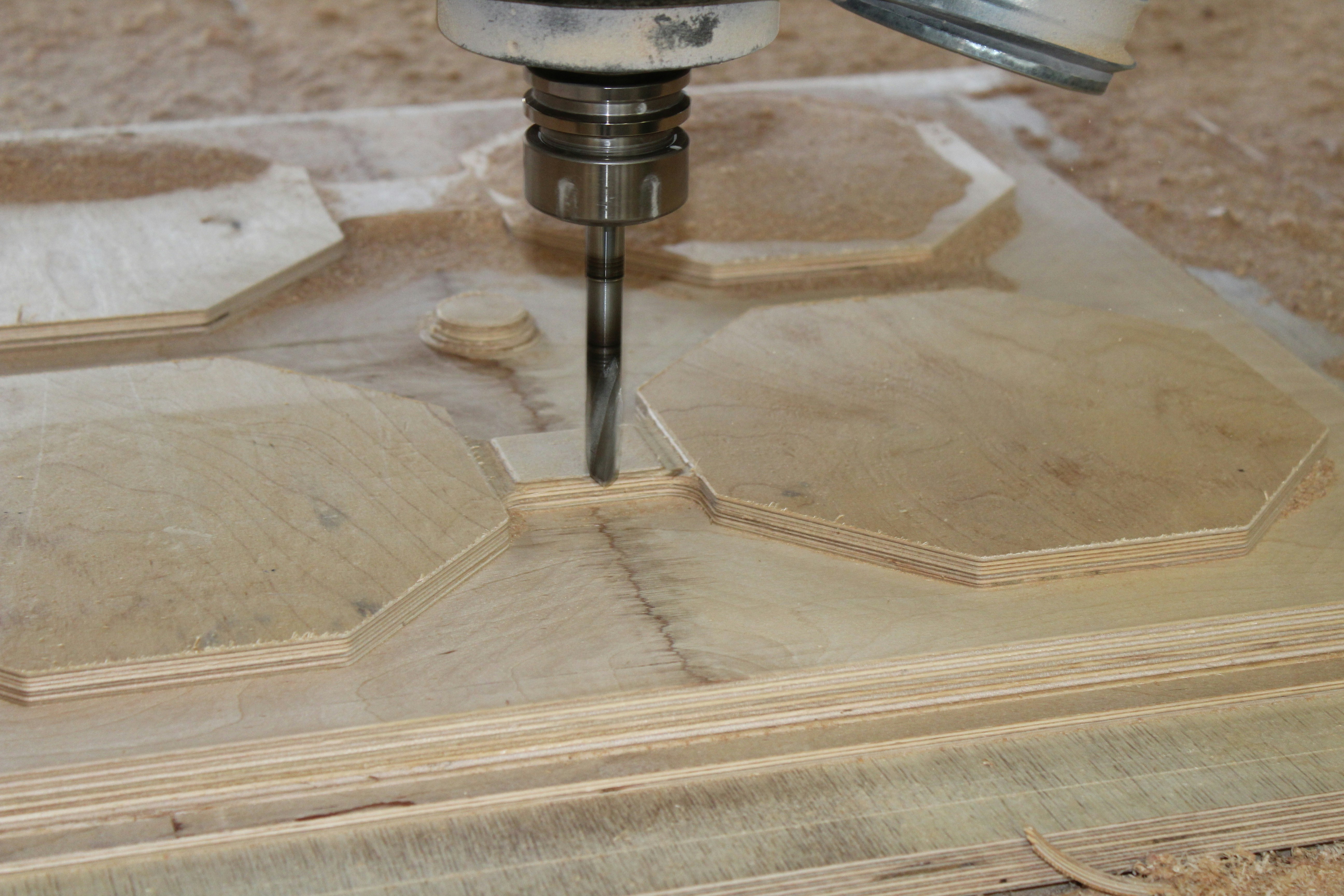
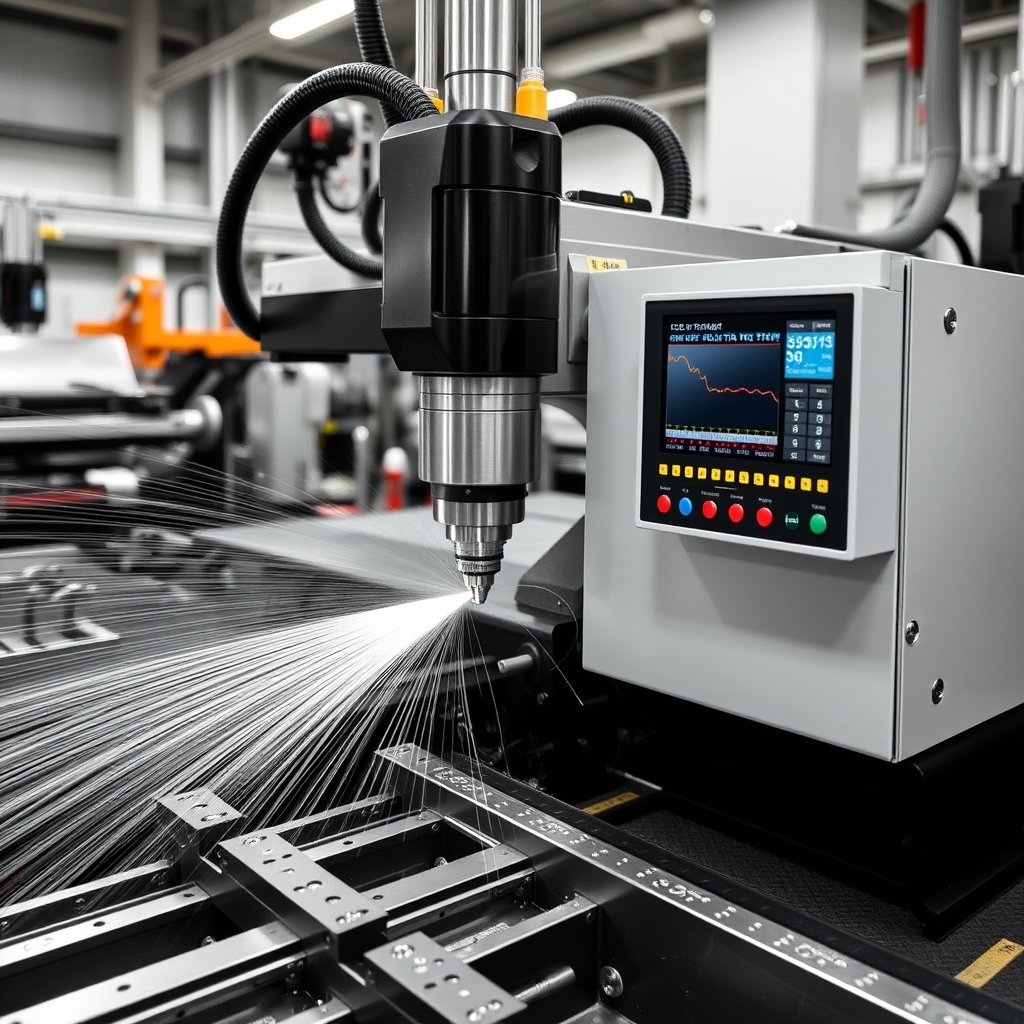
CNC machining, which stands for Computer Numerical Control machining, is a manufacturing process that utilizes computer systems to control machine tools. These tools can include lathes, mills, routers, and grinders that are essential in producing precise components and parts for various applications. The principle behind CNC machining lies in converting computer-aided design (CAD) files into a set of instructions that dictate the actions of machine tools equipped with cutting, drilling, or engraving capabilities.
The CNC machining process begins with the creation of a digital design using CAD software, allowing engineers to visualize and refine their prototypes. Once the design is finalized, it is translated into a format that CNC machines can understand, which typically involves generating a G-code. This code contains specific commands that guide the machinery through each step smoothly and efficiently, ensuring consistency and accuracy.
CNC machining is highly versatile and can work with various materials, including metals, plastics, wood, and composites. Its adaptability makes it an invaluable asset across numerous industries, such as aerospace, automotive, medical device manufacturing, and electronics production. These sectors utilize CNC machining to create complex and intricate parts that meet strict quality standards and tolerances.
There are several types of CNC machines, each tailored for specific functions. For example, CNC milling machines utilize rotating cutting tools to machine components, while CNC lathes employ a rotating workpiece to create cylindrical parts. Additionally, CNC plasma cutters and laser cutters are employed for cutting and shaping materials with high precision, often used in sheet metal fabrication.
In summary, CNC machining plays a crucial role in modern manufacturing, transforming digital designs into tangible products with remarkable precision. Its ability to operate across various materials and industries exemplifies its importance in producing high-quality components efficiently and consistently.
The Importance of CNC Machining Quotes
CNC machining quotes serve as a critical component in the manufacturing process, providing detailed insights into projected costs associated with specific machining services. These quotes are indispensable for businesses, especially those seeking precision and efficiency in their production processes. By obtaining accurate CNC machining quotes, manufacturers can effectively budget their projects, ensuring that they allocate the necessary financial resources to complete their desired outcomes. Furthermore, having a clear understanding of costs helps in minimizing the risk of unexpected expenses during the production phase.
Planning production timelines is another key area where CNC machining quotes play a vital role. A well-prepared quote outlines not only the pricing but also the anticipated turnaround times for various machining operations. This information aids manufacturers in scheduling their production activities, allowing them to align their supply chain and workforce accordingly. When stakeholders are aware of the timeframes involved, it fosters better coordination and minimizes potential bottlenecks that could disrupt the production schedule.
Selecting the right machining service provider also hinges on the effectiveness of received CNC machining quotes. A thorough comparison of quotes from different providers enables businesses to evaluate not only costs but also service quality, capabilities, and overall compatibility with their project requirements. A transparent quote can indicate a provider’s level of professionalism and understanding of the client’s needs, thereby establishing trust and facilitating long-term partnerships.
Moreover, well-structured quotes significantly enhance project management efficacy. They provide crucial data points that inform project scope, resource allocation, and timeline assessment. Clear and comprehensive CNC machining quotes can serve as reference documents throughout the project lifecycle, ensuring that teams remain aligned with the initial objectives and contractual obligations. In essence, acquiring detailed CNC machining quotes is not merely a financial step; it is an integral aspect of successful manufacturing strategy.
Components of a CNC Machining Quote
A comprehensive understanding of the components of a CNC machining quote is essential for businesses seeking precision manufacturing solutions. A CNC machining quote typically includes several key pricing factors that can significantly influence the overall cost of a project. One of the primary components is the cost of materials, which varies depending on the type and volume of raw materials required. Common materials used in CNC machining include metals like aluminum and steel, as well as plastics and composite materials, each carrying different price points and availability constraints.
Labor rates also play a critical role in the CNC machining quote. The complexity of the machining process directly correlates to the labor required, with intricate designs demanding higher skilled labor and, consequently, higher rates. Setup fees are another important aspect; these charges cover the costs associated with preparing the machine for production, which may include tooling and fixture adjustments for specific jobs. Understanding these setup costs helps businesses to accurately budget for their projects.
The complexity of the machining process must not be overlooked when evaluating a CNC machining quote. More complicated designs require advanced machining techniques and may involve additional tool changes or longer machining times, thus impacting the overall cost. Furthermore, lead times are crucial for project planning; they indicate the time it will take from quote acceptance to delivery and can affect both production schedules and strategic business operations. Lastly, clearly defined payment terms outline the financial obligations between the manufacturer and client. These terms may include deposits, milestone payments, and final payments upon project completion, ensuring transparency for all parties involved.
How to Request a CNC Machining Quote
Requesting a CNC machining quote is a crucial step in the manufacturing process, as it allows potential clients to obtain accurate price estimates from service providers. To facilitate a seamless and effective quoting process, it is essential to provide comprehensive and precise information. Below are the key steps to consider when requesting a CNC machining quote.
The first step involves preparing detailed design specifications. This includes submitting the CAD files or technical drawings of the components you require. These files are important, as they depict the geometry, dimensions, and tolerances needed for precise machining. Offering both 2D and 3D representations can significantly help machinists visualize the project and gather the necessary insights for an accurate quote.
Next, clearly define the material specifications. Whether you require aluminum, steel, plastic, or another material, mentioning the type and any specific grades can influence cost and lead time. Additionally, indicating the quantity of parts required is vital, as bulk orders might qualify for lower rates compared to smaller batches.
It is also prudent to highlight any particular tolerances or surface finishes that are essential for your project. Depending on the application, certain parts may necessitate strict tolerances, which could affect the machining processes and time required. By noting these aspects, you enable the provider to assess their capabilities more effectively.
Furthermore, establishing a timeline for when the components are needed can help ensure that the machining service can accommodate your schedule. Lastly, be open to discussing potential options and alternatives that could optimize costs and functionality. By following these guidelines while requesting a CNC machining quote, you can enhance communication with providers and improve the overall accuracy of the quotes you receive.
Common Mistakes to Avoid When Getting CNC Quotes
When seeking out CNC machining quotes, businesses often fall prey to a number of common mistakes that can lead to increased costs and misunderstandings. One of the principal pitfalls is a lack of clarity regarding material costs. Companies may assume that the quoted price covers all aspects of the material when, in fact, variations in grade, finish, or other specifications can lead to significant price changes. It is crucial to ensure that the details regarding the type of materials required are explicitly stated in the request for quotation (RFQ) to obtain the most accurate estimates.
Another notable mistake involves overlooking additional fees associated with CNC machining. Suppliers may charge for setup, tooling, or finishing processes that are not immediately apparent in the quoted price. Businesses frequently misinterpret the quote as a comprehensive breakdown of all costs. To avoid this, it is advisable to ask suppliers for a detailed cost breakdown to ensure that no hidden fees will arise during production. This transparency can prevent surprise expenses later in the project.
Furthermore, clear communication with suppliers is paramount. Misinterpretations can arise from vague specifications or ambiguous terminology, leading to quotes that do not align with the organization’s requirements. It is advisable to provide as much detail as possible in RFQs, including drawings, tolerances, and any special instructions. Engaging in dialogues with suppliers during this process can clarify expectations and mitigate potential miscommunications.
Lastly, businesses may also erroneously compare quotes without considering the different levels of service or quality provided by each supplier. A lower price might not equate to better value if it compromises quality or timeliness. Therefore, businesses should evaluate quotes holistically, factoring in aspects such as supplier reputation, manufacturing capabilities, and customer service to ensure informed decision-making.
Comparing CNC Quotes: What to Look For
When evaluating CNC machining quotes, it is crucial to approach the process methodically to ensure you select the most suitable option for your project. One of the primary factors to consider is pricing. This encompasses not only the cost of services but also any additional expenses that may arise, such as material fees or setup costs. While it can be tempting to choose the lowest price, understanding what is included in each quote and the quality of materials used is essential for making an informed decision.
Turnaround time is another critical aspect. Different CNC machining service providers may offer varying lead times, which can significantly impact project deadlines. It is important to clarify the delivery schedule outlined in each quote and assess whether it aligns with your specifications and timelines. Timely delivery is vital in the manufacturing process, and delays can lead to increased costs or missed market opportunities.
The quality assurance measures provided by each service provider should also be heavily weighed during your comparison. Look for details on the quality control processes in place, certifications possessed by the company, and the availability of reports or inspections. Understanding how a company ensures the durability and precision of its machined parts can provide valuable insight into the reliability of their service.
Lastly, evaluating the reputation of CNC machining service providers is fundamental. This can be accomplished through customer testimonials, online reviews, and industry reputation. A company with a strong track record of delivering quality work is typically more trustworthy than a lesser-known entity, regardless of pricing. Therefore, pay attention to the company’s history and client feedback to make the most informed decision possible for your CNC machining needs.
Understanding Cost Drivers in CNC Machining
CNC machining is a sophisticated subtractive manufacturing process that is influenced by several cost drivers. Understanding these elements is essential for customers seeking CNC machining quotes, as they directly impact the final pricing. One of the primary cost drivers is the choice of materials. Different materials possess varying properties, with metals being generally more expensive than plastics. Factors such as availability and specific grades also play significant roles in determining costs. For example, high-strength alloy steels are often more costly due to their specialized characteristics and limited suppliers.
Part complexity is another crucial factor that affects CNC machining quotes. Complex parts may require intricate tool paths and longer machining times, thus increasing production costs. An elaborate design can mean more setup time and potentially more machine wear, which are added expenses to consider. Conversely, simpler components usually incur lower costs due to reduced processing time and fewer specialized tools. Therefore, it is essential for customers to evaluate their designs’ complexity when seeking quotes.
Machining time significantly contributes to the overall cost of CNC parts. This variable can be influenced by several factors, including feed rates, spindle speeds, and the particular type of CNC machine used. The longer a machine runs, the higher the operational costs, which include labor, power consumption, and wear on the machinery itself. Additionally, finishes applied to parts, such as anodizing or coatings, can further add to the quote. These finishing processes, while enhancing aesthetics or functionality, can also necessitate extra steps in production, thus elevating the overall price. Understanding these cost drivers enables customers to communicate effectively with CNC machinists and make informed decisions about their projects.
Negotiating CNC Machining Quotes
Negotiating CNC machining quotes is a crucial skill for businesses that rely on precision manufacturing. Effectively engaging with suppliers can lead to better rates and improved service, making it essential to approach these negotiations strategically. To begin, it is vital to research and gather multiple quotes from different providers. This comparative analysis not only gives insight into the market rate but also serves as leverage during discussions.
When initiating negotiations, clear communication is paramount. Clearly articulate your project’s specifications and timeline to ensure suppliers comprehend your needs. This transparency fosters trust and can result in more favorable terms. Additionally, discussing volume discounts can significantly impact the pricing structure. Many CNC machining providers offer reduced rates for bulk orders; thus, it is beneficial to assess project demands and potential future orders during negotiations. A well-defined order schedule may incentivize suppliers to provide better pricing or terms.
Building long-term relationships with CNC machining suppliers can further enhance negotiation outcomes. Establishing a partnership based on mutual respect and understanding creates an environment conducive to open dialogue about prices and terms. Suppliers are often more willing to offer discounts or concessions to clients with whom they have a rapport. Consistent communication and ongoing collaboration between both parties can lead to improved pricing and more flexible terms over time, thereby enhancing the overall partnership.
In summary, engaging in negotiations for CNC machining quotes requires research, clear communication, and relationship-building skills. By understanding the market and applying effective negotiation strategies, businesses can achieve favorable outcomes that benefit their production needs and budget constraints.
Conclusion: Making the Most of Your CNC Machining Quote
As we draw this comprehensive guide to a close, it becomes increasingly clear that understanding CNC machining quotes is crucial for anyone embarking on a manufacturing project. These quotes serve not only as a reflection of the cost associated with the services offered but also as a communication tool between the client and the CNC machining service provider. By appreciating the various elements that contribute to the overall pricing, stakeholders can engage in more informed discussions and negotiations.
One of the fundamental takeaways is the importance of clarity in specifications. Accurate and detailed descriptions allow service providers to develop precise quotes, minimizing the likelihood of unexpected costs. It is essential to consider factors such as material types, complex geometries, and tolerances, as they significantly impact the final pricing. By presenting detailed requirements, you assert greater control over the CNC machining process, ensuring that the project aligns with your budget and timeline.
Moreover, it is vital to recognize that not all CNC machining quotes are equal. Variations can arise based on provider capabilities, technologies utilized, and material sourcing practices. Therefore, seeking multiple quotes is advantageous, granting insights into competitive pricing structures. This approach not only aids in understanding market standards but also positions you to negotiate more favorably.
Lastly, maintaining an open line of communication with your chosen provider can yield significant benefits throughout the project duration. Establishing relationships built on transparency helps in addressing any potential discrepancies or concerns related to machining costs. In summary, by approaching CNC machining quotes with knowledge and a critical eye, you empower yourself to secure fair, transparent, and competitive proposals, ultimately leading to a successful project outcome.