
Introduction to CNC Machining
CNC machining, or Computer Numerical Control machining, refers to the automated process of operating tools and machinery via computer-directed commands. This method enhances precision in manufacturing, enabling the creation of complex parts and components across a variety of industries, including aerospace, automotive, and medical fields. By utilizing software and programmed codes, CNC machines can execute intricate tasks that would be difficult and time-consuming if done manually.
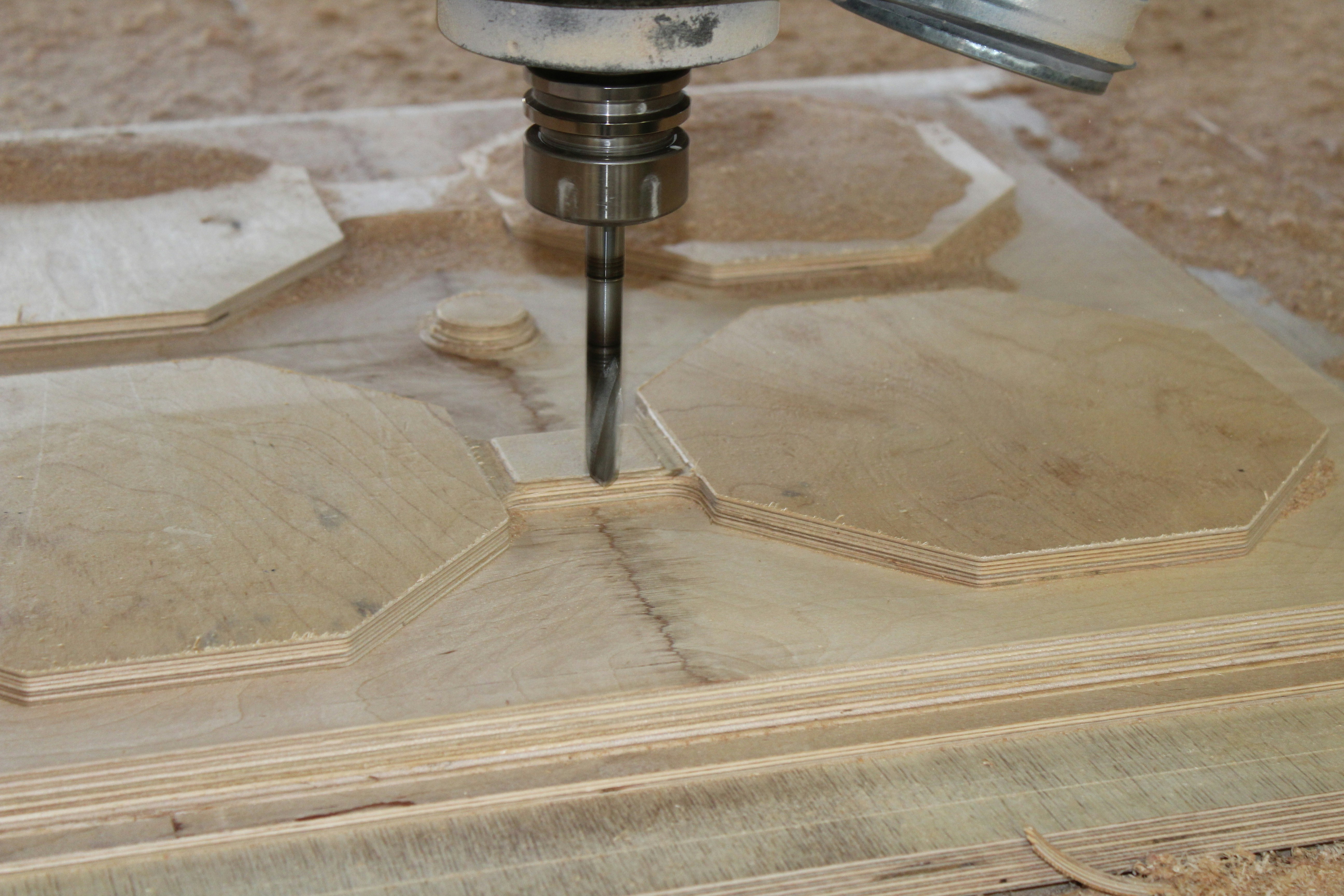
At the core of CNC machining are several types of machines, each tailored for specific applications. Lathes, mills, routers, and plasma cutters are among the most common CNC machines. Lathes are used primarily to produce cylindrical parts by rotating the workpiece, while mills operate by moving a cutting tool across various axes to shape the material. Routers excel in cutting softer materials such as wood, while plasma cutters are wells suited for metals. This diversity in machines underscores the versatility of CNC machining, addressing the varying demands of sectors that rely on precise manufacturing practices.
Applications of CNC machining range from simple one-off prototypes to large-scale production runs. Manufacturers rely on this technology for tasks such as drilling, milling, engraving, and laser cutting, which foster efficiency and accuracy. The rise of additive manufacturing has also seen CNC technologies blend with 3D printing for even more revolutionary production capabilities. Given this landscape, the importance of obtaining CNC machining quotes cannot be overstated; they provide critical insights into cost estimation and project requirements, allowing businesses to budget effectively and make informed decisions. Companies engaged in CNC machining must therefore understand the intricacies involved in obtaining accurate quotes that reflect their specific production needs.
What is a CNC Machining Quote?
A CNC machining quote is a detailed estimate provided by a manufacturer that outlines the costs associated with machining a specific part or component using Computer Numerical Control (CNC) technology. This quote serves multiple purposes within the manufacturing process, primarily acting as a reference for both the client and the supplier. It allows clients to understand the financial implications of their project, helping them make informed decisions regarding budgets, timelines, and sourcing.
Several factors contribute to generating an accurate CNC machining quote. Initially, material costs play a significant role, as the type of material required for the part—be it aluminum, steel, plastic, or any other substrate—varies greatly in price. Moreover, the choice of material affects not only cost but also the machining techniques and time needed to achieve the desired quality and precision.
Labor costs are another essential component of the CNC machining quote. Skilled machinists operate the CNC machines and set parameters for the production process. Depending on the intricacy of the part and the time required for setup and operation, labor costs can fluctuate significantly. Additionally, the complexity of the design dictates how much machine time is needed, influencing the overall quote. Machine time is typically charged per hour and varies based on the machinery used and its operational efficiency.
In essence, a CNC machining quote encapsulates all these factors—material costs, labor, and machine time—into a concise document that serves as the financial foundation for the project. Accurately generating this quote is crucial, as it aids in budgeting, planning, and streamlining communication between all parties involved in the manufacturing process. Understanding these elements can lead to more precise expectations and successful project outcomes.
Factors Influencing CNC Machining Quotes
CNC machining quotes can vary significantly based on several key factors that influence the overall cost of production. Understanding these elements is crucial for both manufacturers and clients looking to obtain accurate pricing. One of the primary considerations is the selection of materials. Different materials have varying costs and machining properties, which can directly impact the quote. For instance, metals like aluminum are generally less expensive and easier to machine compared to harder materials such as titanium or exotic alloys, which often require more sophisticated techniques and equipment.
Another critical factor is the complexity of the design. Intricate geometries or designs that involve multiple moving parts will typically require advanced CNC programs and more time on the machine, resulting in higher machining quotes. Conversely, simpler designs can be produced more quickly and efficiently, thus lowering costs. Additionally, the machining time is a vital aspect; longer machining processes not only increase labor costs but also machine wear, which can be factored into the quote.
The quantity of parts ordered also plays a significant role in determining CNC machining quotes. Generally, the larger the order, the more cost-effective it becomes per unit, as setup costs can be amortized over a greater number of items. However, small batch orders can lead to higher per-piece costs due to the fixed expenses associated with setup and operation.
Tolerances required for a particular design can further influence quotes. Parts that need tight tolerances typically demand more precision, resulting in longer machining times and potentially increased pricing due to the need for skilled labor and specialized equipment. Lastly, any secondary processes, such as finishing, coating, or assembly, will add to the overall quote. These processes are essential for meeting required specifications and enhancing product quality, thus further complicating the pricing structure.
How to Request a CNC Machining Quote
Requesting a CNC machining quote is a critical step that can significantly impact the success of your project. The accuracy and timeliness of the quote largely depend on the details you provide to the suppliers. To facilitate this process, certain best practices should be considered.
First and foremost, you should supply comprehensive CAD files. These files are essential as they clearly define the dimensions, shapes, and complexities of the parts you require. High-quality CAD files help the suppliers visualize the final product and minimize misunderstandings. Make sure that your files are well-detailed, specifying tolerances and any critical geometric features that influence function and aesthetics.
In addition to CAD files, it is crucial to include specifications that highlight the material requirements. Be explicit about the type of material you want; this could range from metals such as aluminum or steel to plastics and composites. Also, mention any specific grades or finishes required to ensure the product meets performance standards.
Beyond the technical specifications, provide any additional requirements that might influence manufacturing. For instance, if there are particular deadlines for production or delivery, indicate these to ensure that suppliers can accommodate your timeline. Furthermore, if there are bulk ordering needs or multiple variations of the same part, detailed descriptions and quantities are essential.
Another helpful tip is to communicate your budget constraints upfront. Sharing a ballpark figure can often guide suppliers in recommending the best approaches for your project, whether that involves optimizing for cost or prioritizing speed. Thus, by providing thorough, organized information, you increase your chances of receiving accurate and timely CNC machining quotes.
Interpreting Your CNC Machining Quote
When you receive a CNC machining quote, it is essential to thoroughly interpret its details to understand what you are paying for and to ensure transparency in the process. A typical quote will include several key components, each of which serves a specific purpose.
One of the primary aspects is the cost breakdown, which provides a detailed account of how the total price is arrived at. This breakdown may include costs for materials, labor, tooling, and any additional services required for the project. Understanding this section is crucial, as it allows you to evaluate whether the pricing aligns with your budget and expectations. If you notice any unclear entries, it is advisable to seek clarification from the supplier to avoid misunderstandings later in the project.
Timelines are another critical element within the CNC machining quote. This section outlines the production schedule, including lead times for both prototyping and production runs. Knowing the delivery dates is essential for planning your project effectively, as delays may impact downstream activities. Make sure to pay close attention to whether the quote includes estimated delivery times after possible delays and how those might affect your overall schedule.
Payment terms, often a key part of CNC machining quotes, specify how and when payments should be made. These terms can vary widely, from upfront payments to payment upon delivery. Understanding the payment structure will help you budget more accurately and maintain a good relationship with your supplier.
In essence, effectively interpreting your CNC machining quote empowers you to make informed decisions, ensuring that both budget and timelines are fully understood and managed throughout the project lifecycle. By carefully analyzing these components, you can better navigate your CNC machining journey with confidence.
Comparing CNC Machining Quotes: What to Look For
When navigating the landscape of CNC machining, obtaining and comparing quotes is a crucial step in the decision-making process. Understanding how to assess these quotes can significantly impact the overall quality and cost-effectiveness of your project. Several key factors should be taken into consideration when comparing quotes from various machining providers.
One of the most obvious factors is price. While it may be tempting to select the lowest offer, it’s essential to evaluate what is included in that price. Check for any hidden costs, such as setup fees, tool changes, or post-processing charges. A comprehensive understanding of the total cost will help ensure that you are not compromising quality for a reduced price.
Delivery time also plays a critical role in comparing CNC machining quotes. Assessing the lead time associated with each quote can influence your project timeline. Delays in production can cascade through your supply chain, making it vital to select a provider who can meet your deadlines without compromising on quality. Make sure to inquire about any penalties for missed deadlines or the potential for expedited services.
Quality assurance processes are another significant factor to consider. A reputable machining provider will have robust quality control measures in place to ensure that the products meet specified tolerances and standards. Look for details about their inspection techniques and certifications. This ensures adherence to industry standards, safeguarding against defective products.
Lastly, the reputation of the machining provider should not be overlooked. Research customer reviews and testimonials to gauge past performance and reliability. Engaging with a provider who has a solid track record fosters confidence in the quality of work being delivered. By carefully considering these factors, one can make an informed decision that aligns both with project requirements and budget constraints.
Common Mistakes to Avoid When Getting Quotes
Obtaining accurate CNC machining quotes is crucial for ensuring your project’s success. However, there are several common mistakes that individuals often make, which can lead to misunderstandings or unexpected costs. One significant error is providing insufficient detail about the components or materials required. When requesting a quote, it is vital to include comprehensive specifications, such as dimensions, material types, and any special treatments or coatings. Vague descriptions can result in inaccurate estimates and ultimately compromise the quality of the finished product.
Another frequent oversight is the failure to specify tolerances. Tolerances define the acceptable limits of variation in a manufactured part, and neglecting to mention these can lead to complications. Suppliers often assume standard tolerances if none are provided, which might not meet your project’s precision requirements. Clearly stating the desired tolerances not only clarifies your expectations but also helps the machining service provide a more accurate quote.
Moreover, neglecting to inquire about lead times can lead to significant scheduling issues. Understanding the timeframe for production and delivery is essential for planning your project timeline effectively. If you do not ask upfront about how long machining will take, you may find yourself facing delays that could disrupt the entire production process. Always confirm the expected lead times when seeking quotes and consider how these fit into your overall project schedule.
Lastly, it is advisable to avoid relying solely on the cheapest quote. While budget constraints are necessary, selecting a CNC machining provider should factor in quality, reliability, and communication as well. Choosing the lowest-cost option may lead to compromised quality or service, reflecting in more significant expenses over time. By avoiding these common pitfalls, you can enhance your understanding of CNC machining quotes and ensure a smoother, more efficient manufacturing process.
Negotiating Your CNC Machining Quote
Negotiating a CNC machining quote is an essential skill for businesses seeking cost-effective manufacturing solutions while maintaining high-quality standards. The negotiation process can significantly influence the overall expenses associated with CNC machining projects. Thus, it is vital to approach suppliers with a clear understanding of one’s requirements and a well-defined budget.
One of the primary strategies in negotiating a CNC machining quote is to conduct thorough research on potential suppliers. It is advisable to gather multiple quotes from different manufacturers to understand the prevailing market rates. This comparison not only provides insight into the typical costs associated with CNC machining services but also empowers buyers to negotiate more effectively. When armed with this information, businesses can discuss pricing and advocate for favorable terms.
Additionally, considering bulk order discounts is a pragmatic approach. Many suppliers are willing to offer reduced pricing for larger volume orders, which can lead to substantial long-term savings. Therefore, if a business anticipates requiring CNC machining services frequently, it may be advantageous to inquire about bulk pricing structures. Furthermore, fostering a long-term partnership with a supplier can yield additional benefits, such as preferential rates and enhanced service quality. Establishing a relationship built on trust and reliability can create a win-win situation where both parties benefit from mutually advantageous terms.
Moreover, being transparent about one’s budgetary constraints can lead to essential discussions about alternative materials or manufacturing processes that may significantly lower costs without compromising the end product’s quality. This collaborative approach benefits both the buyer and the supplier and contributes to a more productive and efficient negotiation process.
Ultimately, effective negotiation in CNC machining quotes involves a combination of market research, exploring bulk order opportunities, and nurturing supplier relationships. By employing these strategies, businesses can achieve a more favorable outcome in their CNC machining projects.
Conclusion and Final Thoughts
Throughout this comprehensive guide, we have explored the intricacies of CNC machining quotes, underlining their critical role in project planning and execution. Understanding these quotes is essential for businesses and individuals looking to efficiently manage their machining projects. The key aspects discussed include the analysis of quote components, factors affecting pricing, and common terminologies used in CNC machining. Each of these elements contributes to a clearer understanding of how to effectively interpret and utilize quotes to optimize project outcomes.
Furthermore, we have highlighted the importance of engaging with suppliers to enhance communication and clarify any uncertainties associated with quotes. By fostering relationships with CNC machining providers, clients can gain insights that not only facilitate better pricing but also ensure the alignment of quality standards with project requirements. This collaborative approach can significantly impact the decision-making process and lead to more successful project completion.
As technology and machining processes continue to evolve, keeping abreast of industry trends and developments is vital. Continuous learning in conjunction with regular interactions with CNC machining suppliers can empower professionals to make informed decisions. It allows for the exploration of innovative solutions that can enhance efficiency and productivity. Therefore, it is crucial to stay engaged with the market, seeking advice, and leveraging expertise from experienced suppliers.
In conclusion, comprehending CNC machining quotes is not merely a procedural task; it is an integral part of ensuring project success. By valuing the information within these quotes and fostering proactive communication with suppliers, businesses can pave the way for streamlined operations, cost-effective solutions, and ultimately, superior quality outcomes in their machining endeavors.
Your blog always helps me stay updated on the latest in CNC technology. Keep it up!