
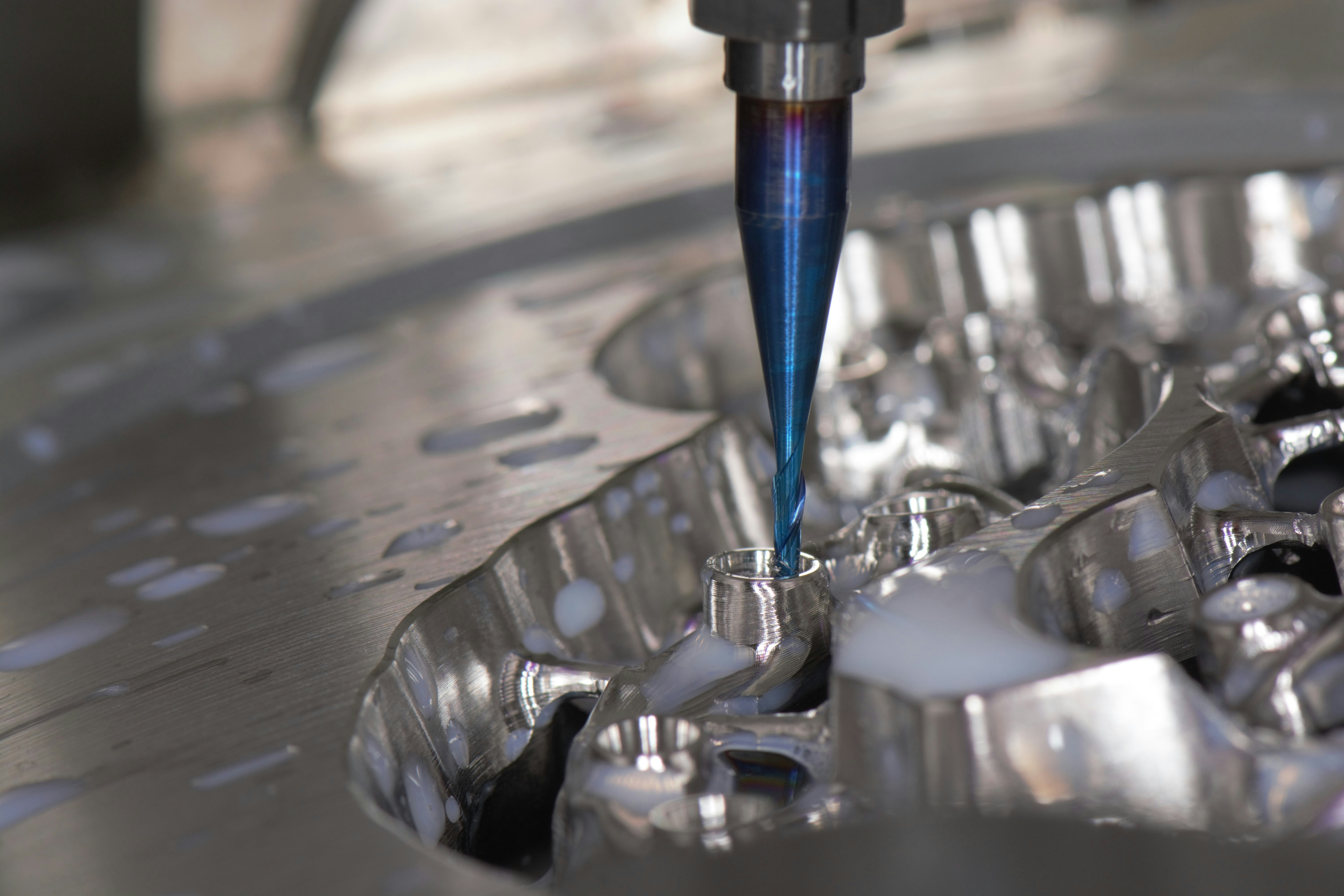
Introduction to CNC Machining
CNC (Computer Numerical Control) machining represents a revolutionary shift in the manufacturing industry. This method involves the use of computers to control machine tools, allowing for high precision and automation in the production of parts and components. The concept of CNC machining can be traced back to the late 1940s and early 1950s, when the first numerical control systems were developed to automate the manufacturing process. These early systems were limited in capability, but they laid the groundwork for what would evolve into modern CNC technology.
As technology advanced, CNC systems became increasingly sophisticated. By the 1970s, with the advent of microprocessors, CNC machines could perform more complex tasks with greater efficiency. The evolution of CAD (Computer-Aided Design) software played a crucial role in CNC machining, enabling designers to create detailed models that could be directly translated into machine instructions. This integration not only improved accuracy but also reduced lead times in the manufacturing process.
The significance of CNC machining in contemporary manufacturing cannot be overstated. It has transformed the way industries produce a wide range of products, from intricate aerospace components to everyday consumer goods. With CNC technology, manufacturers are able to achieve high levels of precision and repeatability, which are essential for maintaining quality standards. Furthermore, CNC machining allows for the efficient handling of complex geometries and materials, ensuring that manufacturers remain competitive in a fast-paced global market.
In summary, CNC machining is a vital aspect of modern manufacturing that has evolved from simple numerical control systems to sophisticated computer-driven machines. Its ability to automate and refine the production process makes it an invaluable resource for industries seeking precision and efficiency.
What are CNC Machined Parts?
CNC machined parts are components that have undergone a precise manufacturing process utilizing Computer Numerical Control (CNC) technology. This method involves the use of computer software to control machine tools, enabling the automated creation of highly detailed and accurate parts from a variety of materials. The key distinguishing characteristic of CNC machined parts is their ability to achieve complex geometries and tolerances that would be challenging or impossible to achieve through traditional manufacturing techniques.
The process typically begins with a digital design, most often executed in CAD (Computer-Aided Design), which is then translated into machine instructions. These instructions guide the CNC machine during the machining process, allowing for precise cutting, drilling, and shaping of the material. Common materials used for CNC machining include metals like aluminum, steel, brass, and titanium, as well as plastics such as ABS and nylon. Each material offers distinct properties that cater to specific application requirements, ensuring suitable performance in various environments.
CNC machined parts find extensive applications across diverse industries due to their high level of precision and repeatability. For instance, in the aerospace sector, components like brackets, engine parts, and mountings are often CNC machined to guarantee stringent safety and performance standards. In the automotive industry, manufacturers utilize CNC machining to produce complex components such as engine blocks and assembly fixtures. Additionally, the medical field frequently employs CNC machined parts for surgical instruments and prosthetics, where precision can have life-saving implications.
In essence, CNC machined parts are integral to modern manufacturing, providing unmatched accuracy, scalability, and the flexibility to produce intricate designs that enhance product functionality across a myriad of applications.
The CNC Machining Process
The process of CNC (Computer Numerical Control) machining is a complex and highly efficient method of producing precision parts in various industries, including automotive, aerospace, and manufacturing. It begins with the creation of a design using Computer-Aided Design (CAD) software, where engineers and designers develop detailed 2D or 3D models of the desired components. These models serve as the blueprint for the machining process, ensuring accuracy and adherence to specifications.
Once the CAD models are finalized, the next step involves the utilization of Computer-Aided Manufacturing (CAM) software. The CAM software translates the CAD designs into a language that CNC machines can understand, generating the precise tool paths needed for fabrication. This critical step ensures that the intricate details of the design are accurately represented in the programming code, allowing for a seamless transition from digital design to physical creation.
After programming, the CNC machine setup is performed. This includes securing the workpiece, selecting appropriate tooling, and configuring machine parameters such as speed and feed rates. It is a crucial phase that significantly influences the overall quality of the final product. Tooling selection is determined by various factors, including the material type and complexity of the part being produced. High-quality tools lead to superior finishes and enhance the machining efficiency.
The actual machining process involves the coordinated movements of the CNC machine’s axes, enabling it to cut, drill, mill, or turn the material into the intended shape. This automation provides notable advantages over traditional machining methods, including increased production rates, enhanced precision, and reduced human error. Throughout this process, continuous monitoring and adjustments may be required to maintain optimal performance and accuracy.
In conclusion, the CNC machining process is a systematic approach integrating design, programming, setup, and execution. This workflow is pivotal in producing high-quality machined parts that meet stringent specifications across various industries.
Advantages of CNC Machining
CNC machining, or Computer Numerical Control machining, is a manufacturing process that utilizes computerized controls to operate machinery, offering numerous benefits over traditional manufacturing methods. One of the most significant advantages of CNC machining is its exceptional precision and accuracy. CNC machines are capable of producing intricate parts with tolerances as tight as 0.001 inches, making them ideal for industries that require high-quality components, such as aerospace and medical device manufacturing.
In addition to precision, CNC machining demonstrates remarkable versatility in materials. These machines can work with a wide range of substances, including metals, plastics, wood, and composites. This adaptability enables manufacturers to meet diverse requirements and specifications, ensuring that they can produce parts suited for various applications across multiple sectors.
Scalability is another key advantage of CNC machining. Whether producing a single component or thousands of identical parts, CNC machines can be easily programmed to adjust production rates. This flexibility allows manufacturers to respond promptly to market demands without compromising on quality. Additionally, the repeatability of CNC processes guarantees that each part produced maintains consistent quality, reducing the risk of defects that can occur with manual machining methods.
Another benefit of CNC machining is the reduction in labor costs. As the process is largely automated, the need for skilled labor is significantly diminished. This cost-effectiveness is particularly advantageous for companies aiming to improve profit margins while maintaining high production quality. Furthermore, with the automation reducing human error and increasing efficiency, manufacturers can achieve higher output rates in less time.
Overall, these advantages underscore why many industries prefer CNC machined parts, making it a critical aspect of modern manufacturing that continues to evolve with technology.
Common Applications of CNC Machined Parts
CNC machined parts are integral to various industries, playing a critical role in enhancing manufacturing efficiency and precision. One of the most prominent sectors leveraging these components is the automotive industry. CNC machining facilitates the production of intricate parts such as engine blocks, gear housings, and brackets, which require high accuracy and durability. This precision ensures that vehicles operate safely and efficiently on the roads. In this context, the ability to quickly and accurately fabricate parts allows manufacturers to respond swiftly to changing market demands.
Another significant application of CNC machined parts is in the aerospace sector. Aircraft components, including brackets, fuselage sections, and turbine blades, require exceptionally high standards of safety and performance. The use of CNC machining not only ensures that these components meet strict regulatory standards but also optimizes the use of lightweight materials that are crucial for improving fuel efficiency and overall performance. The aerospace sector’s reliance on CNC machined parts underscores their importance in achieving complex geometries while maintaining structural integrity.
The medical device industry also heavily depends on CNC machining for producing high-precision components such as surgical instruments, prosthetics, and implants. These parts often involve intricate designs and must adhere to regulatory standards for safety and efficacy. CNC machining provides the necessary precision and consistency, which are paramount in medical applications where even slight deviations can lead to significant repercussions.
In the realm of electronics, CNC machined parts contribute to producing enclosures, connectors, and circuit boards with high precision. The increasing demand for miniaturized electronic components further emphasizes the need for CNC machining capability, allowing manufacturers to create complex shapes in minimal space. Lastly, custom manufacturing thrives on CNC machined parts, as they allow companies to produce personalized components tailored to specific needs, fostering innovation across various sectors.
Challenges and Limitations of CNC Machining
CNC machining stands as one of the most advanced methods for manufacturing precision parts; however, it is not devoid of challenges and limitations. One significant barrier encountered is the high initial setup costs associated with CNC machining operations. The acquisition of CNC machines, tooling, and software often requires a substantial financial investment, which can be a deterrent for small businesses or startups looking to enter the market. Additionally, ongoing operational costs, such as maintenance and recalibration, contribute to the overall expense, making CNC machining a costly endeavor in the initial phases.
Another critical aspect to consider is the necessity for skilled operators. While CNC machines can perform tasks autonomously, the complexity of programming and maintenance demands expertise. The operators must possess a deep understanding of computer-aided design (CAD) software and be proficient in machine operation. Inadequate skill levels can result in inefficiencies, subpar quality, and increased production time, ultimately impacting the overall cost-effectiveness of the machining process.
Furthermore, there are limitations regarding the types of materials and shapes suitable for CNC machining. While the technology is versatile, certain materials such as composites and ceramics can pose significant challenges due to their unique properties. Additionally, while CNC machines excel in creating intricate designs, there are restrictions regarding specific geometries, leading to potential design compromises. For example, very complex internal features or designs with undercuts may be difficult or impossible to manufacture using standard CNC machining techniques.
Ultimately, businesses must weigh these challenges and limitations when considering CNC machining as a viable manufacturing option. A thorough assessment of costs, required skills, and material compatibility is essential for making informed decisions that align with specific operational goals and production requirements.
Future Trends in CNC Machining
The landscape of CNC machining is continually evolving, driven by a variety of technological advancements. One of the most significant trends impacting the industry is the increased automation of CNC machinery. Automation enhances efficiency by minimizing human intervention, reducing error rates, and consistently delivering high-quality parts. Advanced robotics and artificial intelligence (AI) are playing crucial roles in this transformation, allowing for real-time monitoring, predictive maintenance, and more sophisticated programming capabilities. These improvements not only streamline production processes but also enable manufacturers to respond flexibly to market demands.
Another notable trend is the growing integration of additive manufacturing with traditional CNC machining. This hybrid approach allows for the refinement of complex geometries that would be difficult or impossible to achieve with subtractive methods alone. By combining these technologies, manufacturers can enhance their capabilities, reduce waste, and shorten production times. The ability to use additive manufacturing to create prototypes or intricate features, followed by CNC machining for finishing, optimizes the overall fabrication process and results in superior products.
Furthermore, the advent of Industry 4.0 is revolutionizing the way CNC machining operations are managed and executed. This new paradigm emphasizes connectivity and data exchange through the Internet of Things (IoT), allowing for smarter manufacturing environments. CNC machines equipped with sensors can share real-time data on performance metrics and operational status, empowering decision-makers to implement data-driven strategies. The incorporation of machine learning algorithms is also set to enhance predictive analytics, facilitating not only operational efficiencies but also better maintenance and workflow optimization.
As these trends continue to develop, they will undoubtedly reshape the future of CNC machining, influencing production techniques, economic viability, and industry standards. Manufacturers who adapt to and embrace these advancements will be better positioned to remain competitive in the ever-evolving market landscape.
Choosing the Right CNC Machining Service
When it comes to selecting a CNC machining service provider, several critical factors should be evaluated to ensure that the final product meets your specifications and quality expectations. One of the first aspects to consider is the provider’s capabilities. It is essential to examine their equipment, technology, and the range of materials they are proficient in machining. Understanding what specific services such as milling, turning, or prototype machining they offer will help you determine if they align with your project requirements.
Additionally, expertise in the field is vital. A well-established CNC machining service with a knowledgeable team can significantly influence the outcome of your project. Review their experience in your industry and inquire about their previous work. Portfolio samples or case studies can provide insight into their proficiency and ability to handle complex designs. This is particularly important if your project involves intricate parts or specialized applications.
Quality assurance processes are another essential criterion. Ensure that the service provider implements rigorous quality control measures throughout the machining process. Certifications such as ISO 9001 can indicate a commitment to maintaining high standards. You might also want to ask about their inspection methods and whether they employ advanced measuring equipment to guarantee precision.
Lastly, customer service plays an integral role in the decision-making process. A CNC machining service provider that prioritizes communication and responsiveness can provide a smoother project experience. Evaluate how they handle inquiries and whether they provide ongoing support throughout the project lifecycle. By considering these factors—capabilities, expertise, quality assurance, and customer service—you will be well-equipped to choose a CNC machining service that meets your specific needs effectively.
Conclusion
In the ever-evolving landscape of modern manufacturing, CNC machined parts play a pivotal role in achieving precision and efficiency. This guide has explored the various facets of CNC machining, from its defining characteristics to its manifold applications across diverse industries. By utilizing computer numerical control technology, manufacturers can produce intricate components with remarkable accuracy and consistency, thus revolutionizing production processes.
The advantages of CNC machined parts extend beyond mere precision. These components are known for their durability and repeatability, making them indispensable in sectors such as aerospace, automotive, and medical device manufacturing. Furthermore, the ability to produce complex geometries and designs not only enhances product performance but also contributes to innovation in product development. As industries strive to meet rigorous standards and evolving consumer demands, the role of CNC machining becomes increasingly crucial.
As we have discussed, investing in CNC machined parts can significantly advance your production capabilities. Whether you are an engineer seeking to refine component specifications, a company looking to optimize manufacturing processes, or an innovator aiming to develop cutting-edge designs, CNC machining offers a reliable solution. Organizations that have adopted this technology have often reported improved efficiency, reduced waste, and enhanced adaptability to market changes.
In conclusion, the continued integration of CNC machined parts into manufacturing workflows is essential for achieving competitive advantages. We encourage readers to consider incorporating CNC machining into their future projects and innovations, as this technology offers a pathway to not only meet but exceed current industry standards. As the demand for high-quality, precise, and customized components grows, so too does the potential for CNC machining to shape the future of manufacturing.