
Introduction to Acrylic CNC Machining
Acrylic CNC machining is a precise manufacturing process that utilizes computer numerically controlled (CNC) machines to shape acrylic materials into various desired forms. Acrylic, also known as polymethyl methacrylate (PMMA), is a versatile thermoplastic renowned for its clarity, durability, and ease of fabrication. The use of CNC technology allows for automated and highly accurate production, setting it apart from traditional machining methods, which may rely more heavily on manual adjustments and techniques.
One of the significant advantages of acrylic CNC machining is its ability to create intricate designs and components with exceptional precision. CNC machines operate based on digital designs, which are translated into mechanical movements, ensuring that each cut is executed consistently and accurately. This differs markedly from traditional machining methods, where the operator’s skill can heavily influence the quality and precision of the final product. The automation of CNC machining also leads to increased efficiency, reducing lead times and costs associated with manual processes.
When it comes to the types of CNC machines used for acrylic machining, laser cutters, routers, and milling machines are among the most prevalent options. Each type of machine offers unique advantages depending on the specific requirements of the project. Laser cutters, for instance, provide high precision and can execute complex patterns, making them suitable for detailed acrylic projects. CNC routers are well-suited for larger workpieces, enabling smooth edges and quick processing speeds. Similarly, milling machines can achieve high levels of accuracy for mechanical components and other intricate designs.
The popularity of acrylic in CNC machining lies in its wide range of applications, from signage and displays to custom parts and prototypes. This material’s strong aesthetic qualities combined with the advanced capabilities of CNC technology make it an ideal choice for various industries, ensuring high-quality outputs that cater to specific client needs.
Types of Acrylic: Choosing the Right Material for Your Project
Acrylic, known for its clarity and versatility, is available in several types that cater to different applications and project requirements. The two primary forms of acrylic sheets are cast acrylic and extruded acrylic, each exhibiting unique properties that influence their suitability for various CNC machining tasks.
Cast acrylic is produced by polymerizing methyl methacrylate (MMA) between two sheets of glass, resulting in a hard, durable finish. One of its key advantages is its superior optical clarity, often compared to glass. It also boasts a higher resistance to impact and weathering, making it an excellent choice for outdoor applications such as signage and display cases. The process of casting allows for thicker sheets, providing greater design flexibility for intricate CNC machining operations.
In contrast, extruded acrylic is manufactured through a continuous extrusion process, resulting in thinner sheets with slightly lower optical clarity compared to cast acrylic. However, this method offers advantages in terms of cost-effectiveness and availability. Extruded acrylic sheets have a better tolerance for bending, which can be beneficial when constructing complex shapes. Due to its ease of fabrication, it is often preferred for projects involving rapid prototyping or less critical applications like light fixtures and furniture components.
When selecting the right type of acrylic for a specific CNC machining project, it is essential to consider the material’s intended use, desired clarity, and fabrication requirements. The decision should involve evaluating factors such as the project’s budget, the complexity of the design, and whether the final product will be exposed to outdoor elements or require a high level of detail. By understanding the differences between cast and extruded acrylic, users can make informed choices that enhance the quality and performance of their CNC machined products.
Acrylic CNC Machining Process: Step-by-Step
The acrylic CNC machining process begins with the creation of a detailed design using Computer-Aided Design (CAD) software. During this stage, engineers and designers meticulously outline the dimensions and specifications of the desired component, ensuring that the drawing adheres to the intended application requirements. This digital model serves as the blueprint for the subsequent machining operations.
Once the CAD model is prepared, the next step involves the selection of the appropriate acrylic material. Acrylic comes in various forms, including cast and extruded varieties, each possessing distinct characteristics that affect machinability. After determining the suitable material, the acrylic sheet is cut to the necessary dimensions for machining, ensuring that it fits the workspace of the CNC machine.
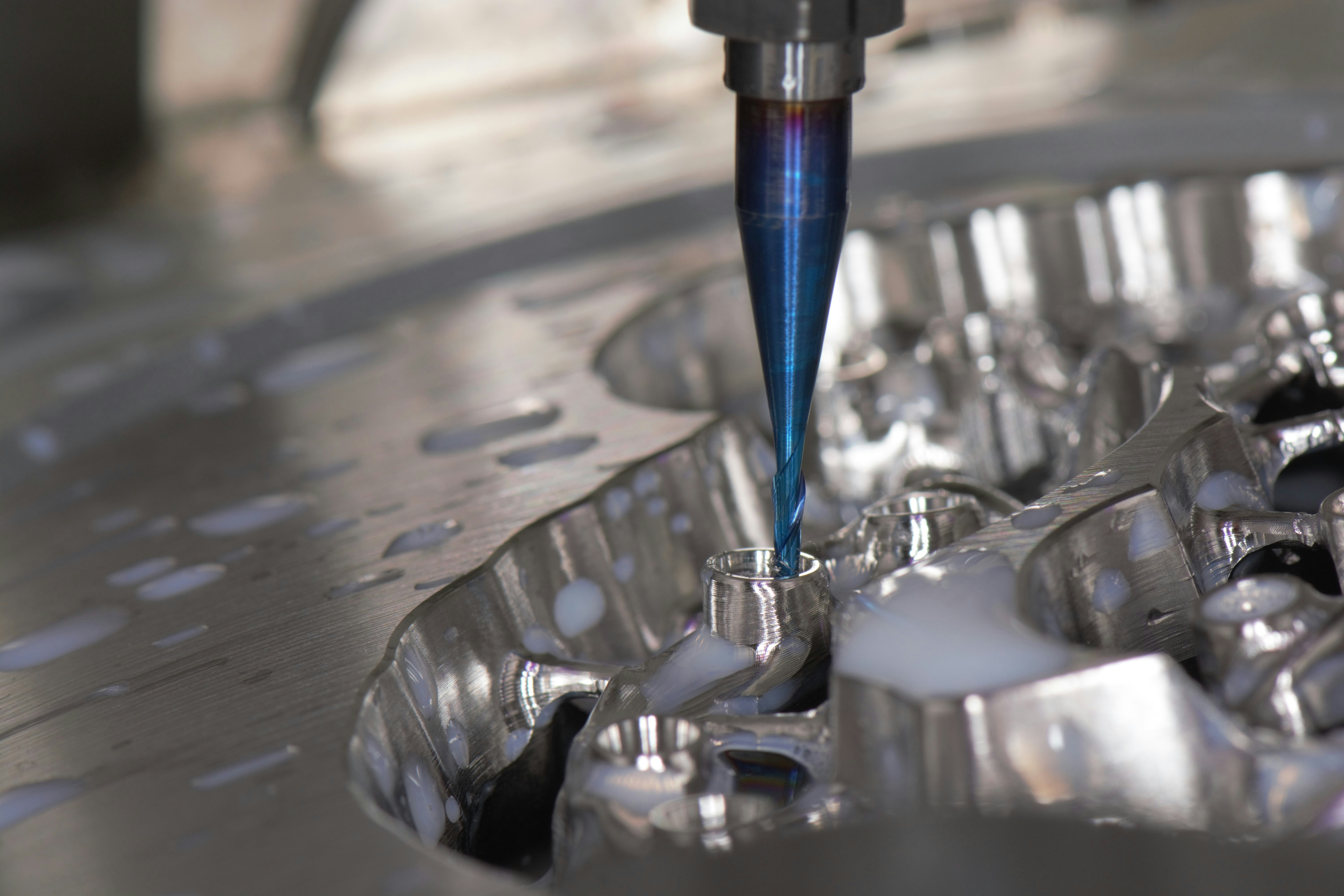
With the material prepared, the acrylic sheet is securely mounted onto the CNC machine bed. The machining process commences as the CNC router follows the programmed paths of the CAD model, employing various tools such as end mills and drill bits to achieve precise cuts and contours. The process can entail several operations, such as routing, engraving, and drilling, depending on the complexity of the design. Cooling fluids may be applied during machining to minimize heat buildup which can adversely affect the integrity of the acrylic.
Upon completing the machining operations, the acrylic part may require finishing processes to enhance its aesthetic appeal and functionality. Common finishing techniques include sanding, polishing, and coating to achieve the desired surface quality. The final stage entails a comprehensive quality assurance inspection, assuring that all specifications and tolerances stipulated in the original design are met. This meticulous process not only maintains the structural integrity of the acrylic component but also ensures that it meets the operational demands of its intended application.
Essential Tools and Equipment for Acrylic CNC Machining
Acrylic CNC machining requires a variety of specialized tools and equipment to achieve precision and durability in the final products. The choice of these items can significantly affect the quality of machining and the ease of the process. Firstly, the type of CNC router is paramount. There are various models available, including gantry-style routers and desktop units, each suited for different scales of projects. Gantry routers typically offer larger workspaces and are ideal for industrial applications, while desktop routers suit smaller, hobbyist needs.
The next crucial component is the cutting bits. For acrylic machining, specific bits such as spiral up-cut bits, down-cut bits, and flat end mills are recommended. Spiral up-cut bits efficiently remove material and help prevent the melting of the acrylic, while down-cut bits ensure a clean edge finish on the surface. Flat end mills, on the other hand, are excellent for creating flat surfaces. Selecting the appropriate bit is essential for achieving optimal performance and extending the lifespan of both the tool and the acrylic material.
In addition to routers and bits, maintaining the cutting tools is vital for consistent results. Regular cleaning of bits to prevent resin accumulation is necessary, as is the periodic sharpening of these tools to maintain cutting efficiency. Furthermore, a proper dust extraction system is essential to keep the work area clean and safeguard both the operator and the machinery from potential hazards. Investing in quality tools and equipment not only boosts the efficiency of the acrylic CNC machining process but also enhances the overall output quality. Therefore, careful consideration should be given to tool selection, maintenance, and overall setup to ensure a successful machining experience.
Best Practices for CNC Machining Acrylic
When it comes to CNC machining acrylic, adhering to best practices is crucial for achieving optimal results. First, selecting the appropriate speed settings plays a pivotal role in the machining process. Generally, a higher spindle speed is recommended, usually between 15,000 and 30,000 RPM, to create a clean cut and enhance surface finish. However, it is essential to adjust speed according to the thickness and type of acrylic being processed, as certain materials may require specific settings.
Another critical aspect is managing feed rates effectively. Feed rates should be carefully calibrated to balance the cutting speed while preventing the material from melting or producing rough edges. Typically, a slower feed rate of 20 to 40 inches per minute is advisable, but experimentation may be necessary based on the specific CNC machine and the complexity of the design. It’s recommended to run test cuts to determine the optimal feed rates for the acrylic being machined.
Cooling methods also play a significant role in maintaining the integrity of acrylic during machining. Unlike metals, acrylic does not require coolant; however, incorporating air blowers or mist systems can help minimize material melting and keep the working area clear of debris. This eliminates buildup and enhances visibility, further reducing the risk of errors. Additionally, using sharp cutting tools designed specifically for acrylic can lead to improved finishes and longer tool life.
Finally, effective dust management is essential in the CNC machining of acrylic. Acrylic generates fine dust during the machining process, which can adversely affect air quality and visibility. Employing a proper dust extraction system or vacuum helps maintain a clean workspace and ensures safety. Following these best practices will significantly enhance the quality of the finished product while minimizing mistakes, ultimately leading to more successful machining outcomes.
Common Challenges and Solutions in Acrylic CNC Machining
Acrylic CNC machining presents unique challenges that can impact the quality and efficiency of the final product. One of the most prevalent issues encountered during the machining process is cracking. Acrylic is known for its brittleness, which can lead to fractures if not handled correctly. To mitigate this risk, it is recommended to use appropriate feed rates and tool speeds. A slower feed rate allows the material to cool and reduces the stress that could lead to cracking. Additionally, ensuring that the tools used are sharp and suitable for acrylic can help maintain a smooth cutting edge, thus minimizing the chances of generating excess heat.
Another common issue is melting, which occurs when the acrylic experiences excessive heat during machining. This can result in a poor finish and warping of the material. To counteract melting, operators should consider employing a cooling strategy during the machining process, such as using air blowers or mist coolant systems. These methods help dissipate heat and keep the acrylic at a stable temperature while being processed. Furthermore, selecting the right spindle speed and feed rate can contribute significantly to the reduction of heat generated during CNC operations.
Static buildup is another challenge that machinists frequently encounter when working with acrylic materials. The accumulation of static electricity can attract dust and debris, compromising the precision of the cut. A proactive approach to manage static is to use anti-static mats and tools during the machining process. Implementing ionizers in the workspace can also help mitigate static charges effectively. By incorporating these preventive measures, operators can enhance their acrylic CNC machining experience and achieve higher-quality results in their projects.
Applications of CNC Machined Acrylic
CNC machined acrylic has gained immense popularity across a multitude of industries due to its versatility, durability, and aesthetic appeal. One of the primary applications is in the signage industry, where CNC machined acrylic is used to create vibrant, customized signs that are both attractive and long-lasting. The material allows for intricate designs and engravings, making it a preferred choice for businesses looking to enhance their branding. For example, many retail companies use acrylic signs for storefront displays that capture the attention of potential customers.
Another significant application of CNC machined acrylic is in the manufacturing of display cases. Museums, galleries, and retail establishments utilize these cases to protect and exhibit valuable items while maintaining visibility. CNC machining enables manufacturers to produce cases with precise dimensions and shapes, ensuring that the displays are both functional and visually appealing. In a notable instance, a museum adopted CNC machined acrylic cases to showcase delicate artifacts, allowing for optimal protection without compromising on aesthetics.
Acrylic is also widely employed in furniture design, with CNC machining enabling the creation of unique and modern furniture pieces. Designers are increasingly attracted to acrylic for coffee tables, chairs, and shelves due to its ability to blend seamlessly with various interior styles. Using CNC machining technology, manufacturers can create bespoke acrylic furniture that meets specific design criteria while ensuring structural integrity.
Furthermore, CNC machined acrylic is vital in custom parts manufacturing across diverse sectors such as automotive and aerospace. Its lightweight properties combined with robust performance make it an ideal choice for components that demand precision and reliability. For example, several automotive manufacturers have implemented acrylic parts to reduce overall vehicle weight while maintaining performance standards, indicating the material’s potential for innovation.
In conclusion, the applications of CNC machined acrylic are vast and varied, ranging from signage to custom parts, highlighting the material’s adaptability and functionality. As technology advances, the possibilities for acrylic CNC machining continue to expand. This opens new avenues for creativity and efficiency across various industries.
Benefits of Using Acrylic in CNC Machining
Acrylic has become increasingly popular in the field of CNC machining, owing to its numerous advantages that cater to a variety of applications. One of the primary benefits of acrylic is its remarkable versatility. This material can be easily shaped into complex designs without compromising its structural integrity. Unlike traditional materials such as wood or metal, acrylic allows for intricate cuts and details, making it an appealing option for designers and fabricators alike.
Durability is another significant advantage of acrylic in CNC machining. Despite being lightweight, acrylic offers a substantial level of impact resistance, which is crucial for manufacturing products that require both strength and resilience. Unlike glass, which can shatter upon impact, acrylic is less likely to break, thereby providing a safer alternative in applications such as signage and display cases. This durability extends the lifespan of end products, further enhancing the value of using acrylic.
Aesthetic appeal is also a defining characteristic of acrylic. Available in various colors and finishes, this material can be tailored to suit specific design needs. Its excellent optical clarity allows for custom machining that produces stunning visual effects in both illuminated and unlit applications. Moreover, acrylic can easily be polished or treated to achieve a high-gloss surface, elevating the overall appearance of the final product.
Finally, the ease of fabrication makes acrylic a preferred choice in CNC machining. It has a relatively low cutting temperature, which helps prevent warping during the machining process. Additionally, acrylic can be efficiently cut, drilled, and shaped using standard CNC tools, further streamlining production. This combination of advantages—versatility, durability, aesthetic appeal, and ease of fabrication—makes acrylic a highly favorable material in various sectors, including retail, architecture, and industrial design.
Conclusion: Future of Acrylic CNC Machining
Acrylic CNC machining has proven to be a transformative technology in various industries, offering versatility and precision that elevate the standards of fabrication. Throughout this guide, we have explored essential techniques, diverse applications, and the considerable benefits of using acrylic as a primary material. As industries continue to innovate, the future of acrylic CNC machining appears promising, marked by advancements in both technology and the materials themselves.
One significant trend is the increasing integration of automation and artificial intelligence in CNC machining processes. These technologies are streamlining operations, enhancing precision, and reducing production times. As a result, manufacturers can achieve higher levels of accuracy when working with acrylic, leading to more intricate designs and complex geometries that were previously unfeasible.
Moreover, the development of advanced acrylic materials, such as those with improved impact resistance and optical clarity, is set to further expand the horizons of CNC machining. These innovations encourage designers and engineers to leverage the unique properties of acrylic in new applications, ranging from architectural elements to intricate consumer products. Furthermore, as sustainability becomes a crucial factor in manufacturing, the exploration of eco-friendly acrylic alternatives may emerge, aligning with global efforts to reduce environmental impact.
The evolution of software tools for CNC programming also plays a pivotal role in driving the future of acrylic CNC machining. Enhanced simulation and design software enable users to visualize their projects more comprehensively, promptly identify potential issues, and optimize cutting paths for efficiency. This ensures that the machining process is not only productive but also economically viable.
In closing, the future landscape of acrylic CNC machining is set to be shaped by technological advancements, innovative materials, and enhanced design software. Embracing these changes allows designers and manufacturers to harness the full potential of acrylic in their projects, paving the way for exciting possibilities in the years to come.