
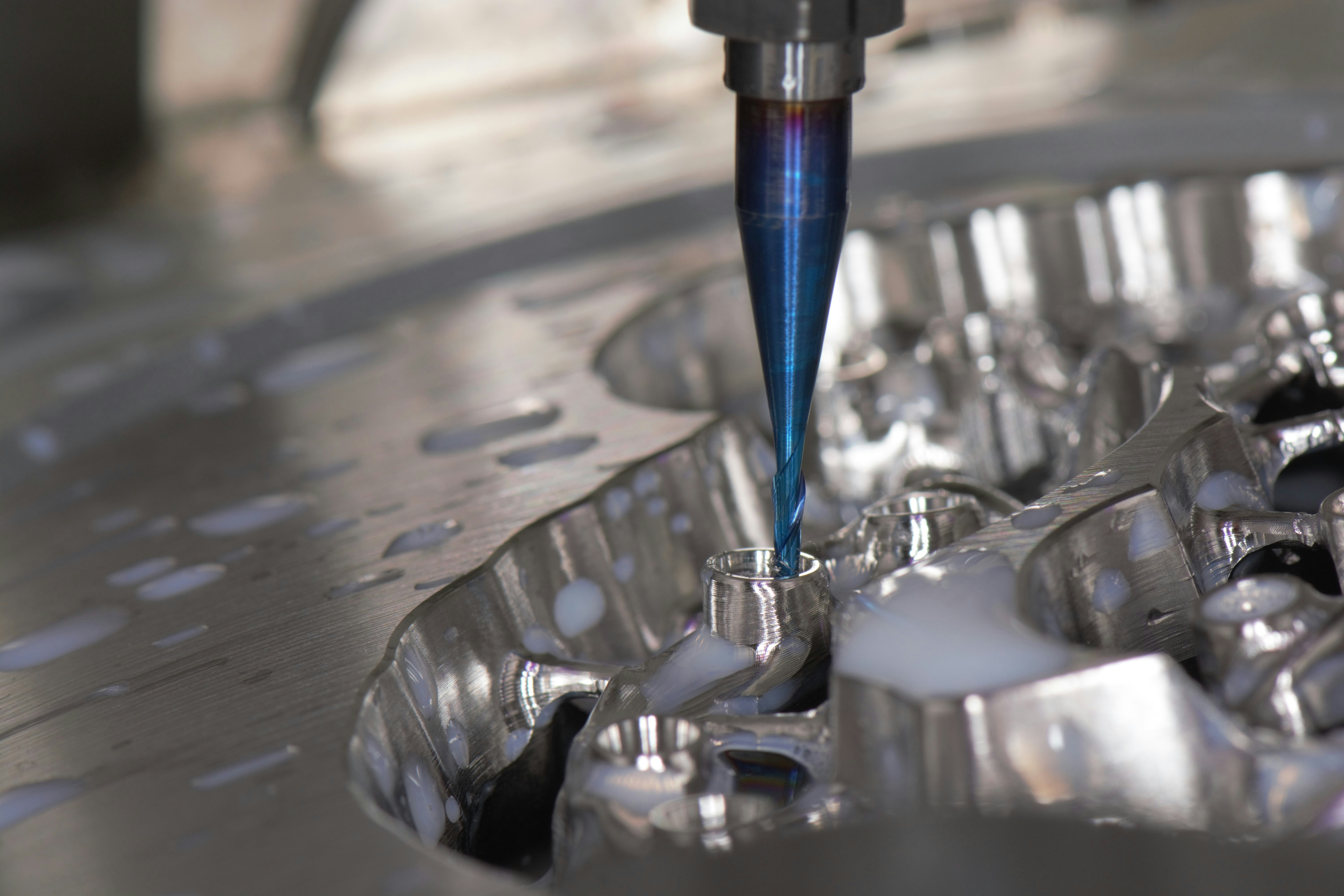
Introduction to Swiss-Type Machining
Swiss-type machining, often referred to as Swiss machining, has emerged as a vital method in the field of precision machining, primarily used for manufacturing complex parts in high-volume production settings. Originating from Switzerland, this machining technique was developed to produce small, intricate components that require exceptional accuracy and repeatability. The fundamental principle behind Swiss-type machining is its ability to work on materials while they remain in a fixed position, utilizing a sliding headstock to move the tool in relation to the workpiece, which is particularly beneficial when working with small diameters.
One defining characteristic of Swiss-type machining is its deviation from traditional machining methods, where parts are typically held in place on a stationary platform while cutting tools are moved around. In contrast, Swiss machines feature a unique design that allows for continuous material feed and simultaneous cutting, enhancing efficiency and minimizing wastage. This method is particularly advantageous for producing long, slender pieces with tight tolerances, making it ideal for industries such as medical device manufacturing, automotive components, and electronics.
The versatility of Swiss-type machining is further exemplified by its application across various materials, including metals, plastics, and composites. This adaptability allows manufacturers to produce an extensive range of components, from simple fasteners to complex assemblies. Additionally, the advanced tooling and programming capabilities of modern Swiss-type machines enable high precision and intricate geometries, which are often critical in specialized applications. Due to these advantages, Swiss-type machining continues to be favored by manufacturers seeking to optimize their production processes while maintaining stringent quality standards.
Mechanics of Swiss-Type Machinery
Swiss-type machining, recognized for its high precision and efficiency, operates through a unique setup characterized by a sliding headstock design. This configuration is pivotal in enhancing the machining process, allowing the workpiece to remain stationary while the cutting tools move along multiple axes. The sliding headstock serves as a notable feature, permitting the tooling to travel in synchronization with the material being machined. This dynamic setup minimizes tool wear and optimizes the cutting process, making it appropriate for complex geometries and intricate features that require meticulous attention to detail.
At the heart of Swiss-type machinery’s efficiency lies its tool movement dynamics. Unlike traditional lathes, these machines utilize a system where multiple tools can operate simultaneously, effectively increasing production rates. The spindle, usually positioned on the left side, rotates the workpiece, while the tooling mounted on a fixed slide can move in a linear fashion. This movement facilitates rapid engagement with the material, significantly reducing idle times and enhancing throughput. Moreover, the precise control over tool positioning allows operators to create finely detailed parts with excellent surface finishes and tolerances.
Furthermore, Swiss-type machines often incorporate advanced control systems that enhance their functional capabilities. These systems allow for real-time adjustments and monitoring of the machining process, ensuring that any variances in material or tool condition can be addressed promptly. The integration of CNC technology into Swiss-type machining further advances these machines, providing higher levels of automation and customization. As a result, manufacturers can produce components with consistent quality and repeatability, which is essential in industries where precision is paramount.
Applications of Swiss-Type Machining
Swiss-type machining has become an indispensable technology across multiple industries, distinguished by its precision and efficiency in producing intricate components. This machining technique excels in creating small, complex parts that require tight tolerances, making it particularly advantageous in sectors such as medical device manufacturing, aerospace, automotive, and electronics.
In the medical device sector, Swiss-type machining is utilized to manufacture components like surgical instruments, implants, and diagnostic devices. The stringent regulatory requirements for these products necessitate a high degree of accuracy and consistency, which Swiss machining can deliver. For instance, the production of custom surgical tools requires meticulous attention to detail, where even the slightest deviation can have serious implications. Thus, the capability of Swiss lathes to produce complex geometries and fine details makes them invaluable in this field.
Aerospace is another domain that leverages the advantages of Swiss-type machining. Parts such as valves, housings, and fasteners must not only be lightweight but also possess unparalleled strength and durability. The precision offered by Swiss machining allows manufacturers to create components that meet the rigorous standards required for aerospace applications, ultimately improving aircraft performance and safety.
The automotive industry also benefits significantly from Swiss-type machining, especially in the production of small, precision parts like fuel injectors, gears, and sensor housings. These components often play a critical role in the functionality and efficiency of vehicles, necessitating the need for high-quality manufacturing processes that can yield complex designs consistently.
Finally, in the electronics sector, Swiss-type machining is essential for crafting connectors, housings, and circuit board components. As technology advances and the demand for miniaturized devices grows, the ability to produce tiny, highly detailed components efficiently becomes increasingly important.
Through its diverse applications across these key industries, Swiss-type machining has established itself as a cornerstone of modern manufacturing, providing tailored solutions that meet the specific production needs of each sector.
Advantages of Swiss-Type Machining
Swiss-type machining, renowned for its precision, offers numerous advantages that set it apart from traditional machining methods. One of the primary benefits is its unparalleled accuracy. The design of Swiss-type lathes allows the workpiece to move along the tool’s axis while it simultaneously rotates. This setup minimizes tool deflection, enabling operators to achieve tolerances of just a few microns, which is essential for industries that require stringent specifications, such as medical device manufacturing and aerospace.
Another significant advantage is the reduced cycle times associated with Swiss-type machining. The equipment is engineered for efficiency, often capable of producing complex components in a single setup. This efficiency not only streamlines the manufacturing process but also reduces the need for multiple machine setups, ultimately decreasing production time and increasing throughput. Manufacturers can significantly enhance productivity by utilizing these capabilities, leading to faster delivery times for customers.
Swiss-type machining also excels in handling complex geometries, which many traditional lathes may find challenging. The ability to create intricate designs with various diameters and lengths without sacrificing quality makes Swiss lathes an ideal choice for projects requiring a high degree of complexity. This versatility is instrumental in producing components that meet the ever-evolving demands of modern engineering and design.
Furthermore, Swiss-type machining yields superior surface finishes due to its precise tooling and machining methods. This high-quality output reduces the necessity for additional finishing processes, saving both time and costs. Enhanced surface quality improves product performance, particularly in applications where friction and wear resistance are critical.
Collectively, these advantages highlight Swiss-type machining’s role as a strategic choice for manufacturers looking to optimize their production processes, improve quality, and realize substantial cost savings. The combination of high precision, efficiency, and capacity to handle complex shapes makes it a compelling option in the competitive manufacturing landscape.
Challenges in Swiss-Type Machining
Swiss-type machining presents several challenges and limitations that can impact its effectiveness in certain applications. One of the most significant obstacles is the cost of equipment. Swiss-type lathes are precision machines designed for high-speed and intricate part production. The initial investment for such machinery can be substantial, making it less feasible for smaller operations or those just entering the manufacturing sector. This high capital expenditure often leads to longer return-on-investment periods, necessitating careful financial planning.
Additionally, the requirement for skilled operators cannot be overlooked. Operating Swiss-type machines demands a level of expertise that not all manufacturing personnel possess. These machines are sophisticated and require an understanding of both the programming and operational nuances. Organizations may need to invest in training programs or seek experienced machinists, which can further elevate operational costs. The reliance on human skill can introduce variability in the production process, potentially affecting quality control.
Material compatibility issues also pose a challenge in Swiss-type machining. Although these machines are adept at working with a variety of materials, not all options are equally suitable. Certain materials may lead to increased wear on tools, while others may not produce the desired surface finish. Understanding the properties of materials beforehand is crucial to avoid complications during production.
Finally, longer setup times can become problematic, especially for complex parts. While Swiss-type machining excels at producing high volumes of similar components, transitioning to new part designs often requires more extensive setup procedures. This includes recalibrating the machine and potentially adjusting tool settings, which may lead to downtime and affect overall productivity.
In light of these challenges, it is essential for firms to weigh the advantages and limitations of Swiss-type machining carefully. Proper planning, investment in skilled labor, and a deep understanding of material choices can mitigate many of these issues, ultimately leading to more successful manufacturing outcomes.
Choosing the Right Swiss-Type Machine
When selecting the appropriate Swiss-type machining equipment, several key factors must be taken into consideration to ensure that the chosen machine meets your production needs efficiently. One of the primary elements to evaluate is the size of the Swiss-type machine. It is crucial to assess both the physical footprint required for installation and the size of the components that will be machined. Machines are available in different configurations and sizes, allowing for flexible adaptation to various part sizes and geometries.
Another critical aspect to consider is the capabilities of the Swiss-type machine. Different models offer varying levels of functionality, including features like multi-axis machining, live tooling, and spindle speed. Therefore, understanding your anticipated production needs will guide your selection. For example, if your operations demand high precision and complex part geometries, opting for a machine with advanced CNC capabilities may be necessary. Additionally, it is important to evaluate the material compatibility, ensuring that the machine is suitable for the metals or alloys you intend to process.
Automation options represent another significant consideration when choosing a Swiss-type machine. Automated features can vastly enhance production efficiency by reducing cycle times and minimizing labor costs. Machines equipped with bar feeders and integrated handling systems can facilitate continuous, unattended operation and are especially beneficial in high-volume manufacturing settings. Weighing the cost implications of automation against the expected improvement in productivity can provide valuable insights.
Lastly, assessing your overall production requirements, including estimated volume, lead times, and budget constraints, will assist in identifying the right Swiss-type machining equipment. Engaging in discussions with suppliers or industry experts may also yield recommendations tailored to your specific requirements. To summarize, comprehensive evaluation of size, capabilities, and automation options is essential in selecting the most suitable Swiss-type machine for your operations.
Future Trends in Swiss-Type Machining
As the Swiss-type machining industry continues to evolve, several future trends are poised to redefine the landscape of manufacturing. One notable advancement is the integration of automation technologies. Automation not only enhances the precision of Swiss-type machining processes but also significantly reduces cycle times, thereby improving production efficiency. Automated systems enable manufacturers to achieve higher levels of consistency, which is crucial for industries that require tight tolerances and high-quality outputs.
Moreover, the rise of digital integration within manufacturing practices presents another important trend. Industry 4.0 technologies, such as the Internet of Things (IoT), allow for real-time monitoring and control of machining processes. By implementing smart connected devices, manufacturers can gain valuable insights into machine performance and operational efficiency. This shift towards data-driven decision-making enables companies to optimize their production schedules, reduce downtime, and enhance overall productivity in the Swiss-type machining sector.
Another transformative trend is the growing role of artificial intelligence (AI) in the manufacturing process. AI can assist in predictive maintenance, identifying potential failures before they occur, thus minimizing costly interruptions. Additionally, machine learning algorithms can be employed to improve machining parameters based on historical data, enabling operators to make more informed choices that enhance productivity. As Swiss-type machining moves towards a more intelligent future, the deployment of AI-driven solutions will likely lead to significant advancements in operational efficiency and product quality.
The convergence of these trends—automation, digital integration, and artificial intelligence—positions Swiss-type machining to not only meet but exceed the increasing demands of the manufacturing sector. These innovations are set to redefine traditional machining practices, leading to more agile production environments and creating opportunities for businesses to maintain a competitive edge in an ever-evolving marketplace.
Case Studies: Success Stories in Swiss-Type Machining
Swiss-type machining has emerged as a pivotal technology across various sectors, delivering precision and efficiency. This section highlights several case studies that exemplify the successful implementation of Swiss-type machining, showcasing the challenges faced, the solutions provided, and the results achieved.
One notable case involves a leading manufacturer in the automotive sector. The company encountered significant production delays due to the complexity of components required for their high-performance engines. The intricate designs demanded a level of precision that was difficult to achieve with traditional machining methods. By transitioning to Swiss-type machining, they were able to produce these components with tighter tolerances, ultimately reducing production time by 30%. The outcome not only exceeded customer expectations but also improved the overall efficiency of their manufacturing process.
In the medical device industry, a company specializing in surgical instruments faced challenges related to the high cost and variability of producing small, lightweight components. The implementation of Swiss-type machining allowed for the streamlined production of these parts with a reduction in scrap rates. This technology enabled them to increase production volume without compromising quality. The results included a 25% decrease in production costs and a substantial boost in order fulfillment rates, which ultimately enhanced customer satisfaction.
Lastly, a precision engineering firm focused on the telecommunications sector turned to Swiss-type machining to address limitations in producing complex brass fittings. The existing machining techniques were not only time-consuming but also led to inconsistencies in product quality. By integrating Swiss-type technology, the firm experienced a significant improvement in both lead times and product reliability. They reported a 40% increase in output and a marked decline in operational errors, demonstrating the effectiveness of Swiss-type machining in addressing real-world manufacturing challenges.
These case studies underscore the transformative impact of Swiss-type machining across various industries, illustrating how it can resolve challenges while enhancing productivity and quality.
Conclusion: The Future of Precision Manufacturing
Swiss-type machining has firmly established itself as a crucial player in the precision manufacturing industry, thanks to its ability to produce intricate components with remarkable accuracy and efficiency. Throughout this guide, we have explored the various facets of Swiss-type machining, including its operational mechanisms, advantages, and the technological advancements that underpin its success. The unique design of Swiss lathes allows for enhanced productivity, making them ideal for high-volume production of complex geometries.
As we look ahead, it is apparent that Swiss-type machining will continue to be at the forefront of precision manufacturing. The ongoing integration of cutting-edge technologies such as automation, artificial intelligence, and advanced materials is set to significantly enhance the capabilities of Swiss-type machines. These innovations not only streamline the machining process but also improve the flexibility of operations, enabling manufacturers to respond swiftly to ever-changing market demands.
Furthermore, the emphasis on sustainability in manufacturing cannot be overlooked. Swiss-type machining offers environmentally friendly options by minimizing waste and maximizing efficiency. As industries strive for more sustainable practices, the adaptability of Swiss-type machining will likely play a vital role in achieving these objectives, further solidifying its importance in the future of manufacturing.
In summary, Swiss-type machining stands as a testament to the advancements in precision manufacturing. With its unique advantages, it is well-positioned to meet the evolving demands of the industry’s landscape. Stakeholders who invest in and embrace this technology will undoubtedly gain a competitive edge, ensuring that Swiss-type machining remains an integral part of the manufacturing process well into the future.