
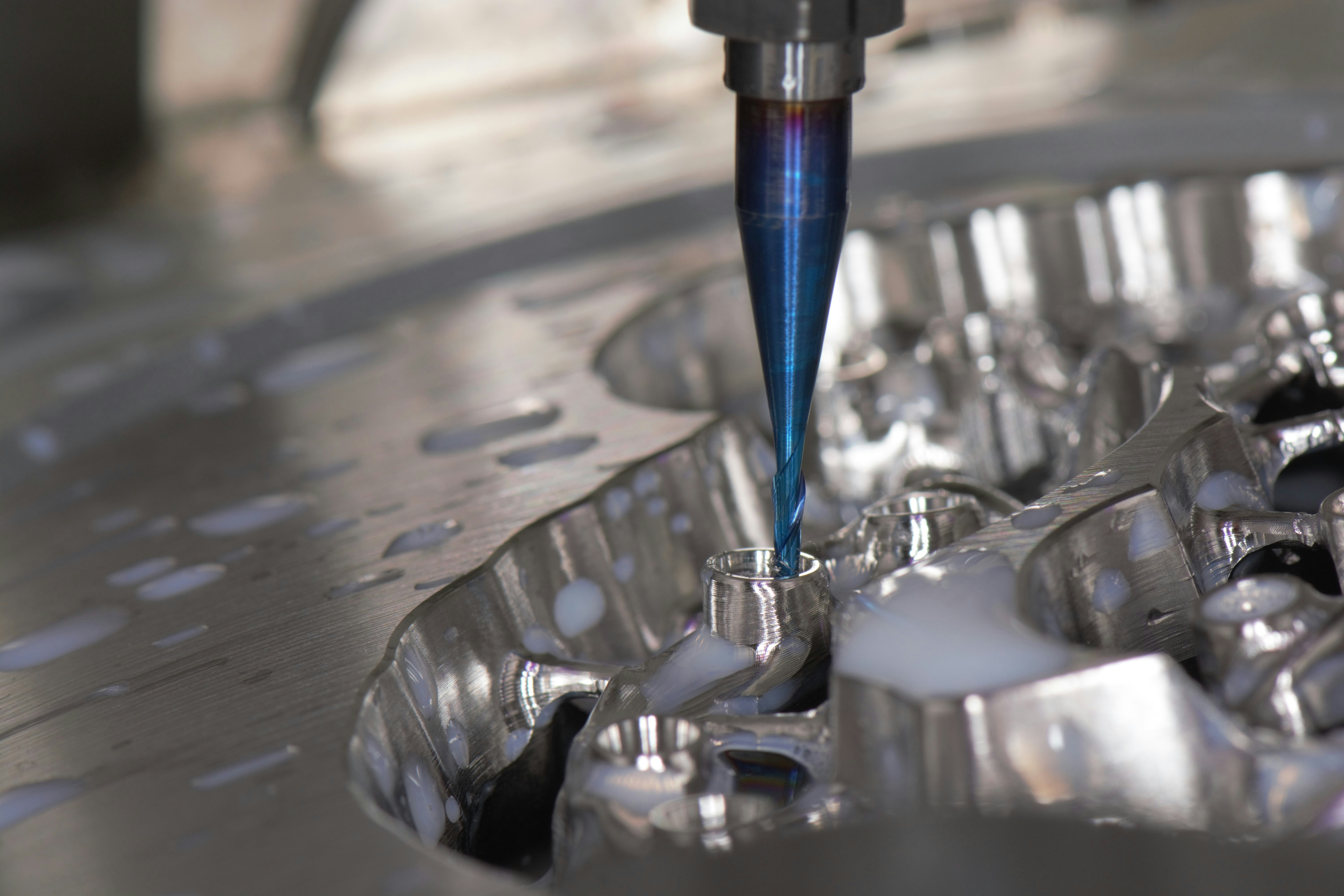
Introduction to Swiss CNC Machining
Swiss CNC machining, a technology rooted in precision engineering, has gained prominence in the manufacturing sector for its unparalleled ability to produce complex and intricate components. This form of machining originated in Switzerland during the late 19th century, originally designed for the production of watch parts, demonstrating remarkable accuracy and efficiency. Today, Swiss CNC machining is vital to various industries, including aerospace, medical, and automotive, due to its ability to create tight tolerances and intricate geometries that traditional machining methods may struggle to replicate.
At its core, Swiss CNC machining refers to a particular type of computer numerical control (CNC) machining that utilizes a sliding headstock to feed material through a guide bushing. The configuration allows for precise workpiece support, minimizing the chance of deflection during the machining process. This unique design facilitates the production of long, slender components, making Swiss machines particularly advantageous for parts requiring extensive machining without sacrificing precision. Unlike traditional CNC machines, which often utilize a fixed orientation, Swiss CNC machines are capable of continuous motion along multiple axes, enabling a more dynamic approach to machining.
Within this context, several key terms are essential for understanding Swiss CNC machining. “Guide bushing” refers to a component that supports the workpiece, while “live tooling” allows for additional features such as milling or drilling to be performed concurrently with turning operations. Additionally, terms like “accuracy,” “tolerance,” and “threading” are integral to comprehending the capabilities and applications of Swiss CNC machines. The significance of Swiss CNC machining lies not only in its technological advancements but also in its influence on modern manufacturing practices, fostering innovation and ensuring high-quality production standards across various sectors.
How Swiss CNC Machining Works
Swiss CNC machining is a highly precise manufacturing process that relies on advanced technology to produce intricate components. The key components of a Swiss CNC machine include the guide bushing, sub-spindle, and various tooling options. Understanding the function of these elements is crucial to appreciate how the machining process operates efficiently.
The guide bushing plays a vital role in Swiss CNC machining as it supports the workpiece during the cutting process. Positioned at the front of the machine, it provides stability and accuracy by holding the workpiece in place while the cutting tools operate. This ensures that even the most delicate and complex designs can be crafted with precision. The sub-spindle is another essential part, enabling secondary operations to be carried out without the need for the workpiece to be repositioned, thereby increasing efficiency and reducing cycle times.
The machining process begins with a detailed program that outlines the specifications of the part being manufactured. This program is usually created using Computer-Aided Design (CAD) software, which allows designers to visualize the component before production. Once inputted into the machine, the CNC system interprets the instructions and transfers them into precise movements.
During operation, a rotating tool engages with the workpiece, which is held securely by the guide bushing. The movement of the tooling, combined with the linear and rotary motion of the workpiece controlled by the CNC system, allows for highly accurate cuts. This method is particularly suitable for materials such as metals, plastics, and composites.
Overall, Swiss CNC machining is a sophisticated technique that embodies the principles of precision engineering. By harnessing technology and precise mechanical components, manufacturers can achieve exceptional accuracy and repeatability in the production of complex parts.
Advantages of Swiss CNC Machining
Swiss CNC machining has emerged as a pivotal technology within the manufacturing sector due to its numerous advantages, particularly in producing high-precision parts. One of the most notable benefits is its capability to achieve remarkable accuracy. The design of Swiss CNC machines allows for high rotational speeds and minimal tool deflection, resulting in parts manufactured with tolerances as tight as ±0.001 inches. This level of precision is crucial in industries such as medical devices, aerospace, and automotive, where component reliability and performance are paramount.
Another significant advantage of Swiss CNC machining is its efficiency in producing complex geometries. The machines are engineered to handle intricate component shapes that may be challenging to create using conventional machining methods. This not only enables manufacturers to meet specific design requirements but also allows for the integration of multiple features into a single machining operation. For instance, Swiss machining is often employed in the production of connectors, fasteners, and other intricate components used in electronic devices.
Reducing material waste is another key benefit of Swiss CNC machining. The process utilizes a bar stock material that is fed directly into the machine, allowing for a reduction in excess material through automated cut-off mechanisms. This efficiency translates to cost savings for manufacturers, as they can optimize raw material usage and minimize scrap production. Furthermore, because Swiss machining often requires fewer setups than traditional methods, it leads to improved turnaround times and lower labor costs.
Additionally, Swiss CNC machining excels in working with small and intricate components, making it an ideal choice for industries requiring micro-manufacturing technologies. Applications in sectors such as electronics, medical devices, and precision engineering have seen significant improvements in their production processes due to the unique capabilities of Swiss CNC machining. Overall, these advantages position Swiss CNC machining as a leading solution for manufacturers looking to enhance their production efficiency and product quality.
Challenges and Limitations of Swiss CNC Machining
Swiss CNC machining, renowned for its precision and efficiency, does present certain challenges and limitations that businesses must consider before adopting this technology. One of the primary obstacles is the initial investment required for acquiring Swiss CNC machines. These machines are often more costly than traditional CNC equipment, primarily due to their advanced technology and high level of precision. This upfront cost can be a significant barrier for small to medium-sized enterprises looking to integrate Swiss machining into their operations.
Additionally, the learning curve associated with operating Swiss CNC machines is noteworthy. These machines utilize unique programming techniques and setups, which can necessitate extensive training for operators. It is imperative that operators are well-versed in the intricacies of these machines to maximize their capabilities and ensure high-quality outputs. This requirement for specialized knowledge can lead to increased training costs and longer transition periods, which may strain production timelines during the initial phases of adoption.
Maintenance is another critical aspect to consider when evaluating Swiss CNC machining. Although these machines are designed for durability and extended service life, regular maintenance is essential to ensure optimal performance and reliability. This maintenance includes monitoring precision, calibrating tools, and checking for wear, which can incur additional costs and require downtime that could affect overall productivity.
Moreover, while Swiss CNC machining excels at producing complex, small to medium-sized components, it does have limitations regarding part size and geometry. The capability to effectively machine larger components may be restricted, making this technology less suitable for certain projects. Understanding these challenges and limitations is crucial for businesses considering Swiss CNC machining as a viable manufacturing solution.
Applications of Swiss CNC Machining
Swiss CNC machining plays a pivotal role across various industries due to its exceptional precision and efficiency. One of the most prominent sectors leveraging this technology is medical device manufacturing. Swiss machining is ideal for producing intricate components such as surgical instruments, implants, and high-precision devices. For instance, parts like bone screws, catheters, and valve components are often crafted using Swiss CNC techniques, which ensure that these critical items meet stringent safety and reliability standards.
Another industry that benefits greatly from Swiss CNC machining is the automotive sector. The complexity of modern vehicles requires advanced manufacturing methods to produce components with high tolerances. Swiss machines are employed to manufacture parts such as fuel injectors, transmission components, and sensors. These parts demand precise geometries and finishes, which are achievable through the capabilities of Swiss CNC machining. The reduced waste and greater efficiency also contribute to lower production costs, making it an attractive option for automotive manufacturers.
Aerospace is yet another field where Swiss CNC machining proves invaluable. In this industry, components must adhere to strict regulations regarding quality and performance. Swiss CNC technology is utilized to create various intricate aerospace parts, including turbine blades, housing for electronic systems, and structural components. These parts often require challenging geometries and materials that can withstand extreme conditions, which is precisely where Swiss machining excels.
Furthermore, other industries such as electronics, defense, and oil and gas are increasingly turning to Swiss CNC machining for their precision needs. The versatility of this manufacturing method ensures that it can accommodate a wide range of materials and product specifications, making it a critical asset in modern manufacturing. Overall, the real-world applications of Swiss CNC machining illustrate its significance across diverse sectors, underscoring its role in enhancing product quality and operational efficiency.
Comparison with Traditional CNC Machining
Swiss CNC machining is distinguished from traditional CNC machining through several key factors including speed, precision, and versatility in machining profiles. At the core of Swiss machining is a sliding headstock mechanism that significantly facilitates high-speed operations, allowing for the continuous feeding of material as the tooling remains stationary. This contrast enhances productivity, particularly for small, complex parts typical of the Swiss manufacturing legacy. In many cases, components crafted through Swiss CNC machining exhibit tighter tolerances and improved dimensional accuracy compared to those produced via traditional methods.
Precision is paramount in both machining processes; however, Swiss CNC machining is particularly renowned for handling intricate geometries with ease. The unique setup enables the production of long, slender components, often used in industries such as medical, automotive, and aerospace, where precision is critical. Traditional CNC machines, while also capable of high precision, are better suited for larger volumes of parts and simpler shapes. They allow more flexibility in machining larger profiles, which can lead to optimized production for bulk items that do not require the same level of detail.
There are scenarios where one method may be favored over the other. For instance, when production runs necessitate high volumes of straightforward components, traditional CNC machining can achieve better cost-efficiency. Conversely, when the project demands high precision and narrow features—traits inherent to Swiss CNC machining—it proves to be the optimal choice. Additionally, complexity and design requirements can dictate the selection of the machining process. Understanding these differentiating factors allows manufacturers to select the most suitable approach, ensuring that they meet both quality standards and production goals effectively.
The Future of Swiss CNC Machining
The evolution of Swiss CNC machining is entering an exciting phase characterized by significant advancements in technology and methodology. One of the most prominent trends reshaping this industry is the integration of automation. Automation not only expedites the machining processes but also minimizes human error, ensuring a higher level of precision and consistency in production. As manufacturers increasingly adopt automated solutions, the potential for increased efficiency becomes apparent, allowing for higher throughput and reduced operational costs.
Moreover, the introduction of artificial intelligence (AI) is revolutionizing Swiss CNC machining by facilitating smarter machine operations. AI-enhanced systems can analyze real-time data and optimize machining parameters on-the-fly. By employing machine learning algorithms, these intelligent systems continuously improve performance through data-driven insights. This capability enables manufacturers to forecast machine failures and implement predictive maintenance, thus extending the lifespan of their Swiss CNC machines and enhancing productivity.
The expansion of material capabilities is another critical aspect of the future of Swiss CNC machining. As industries demand more sophisticated materials for applications ranging from aerospace to medical devices, Swiss CNC machines are evolving to accommodate these needs. Advanced tooling and machining techniques are being developed to handle a wider variety of materials, including superalloys and composite materials. This adaptability ensures that Swiss CNC machining remains relevant and competitive in a rapidly changing market.
Furthermore, the focus on sustainable manufacturing practices is becoming increasingly vital. Swiss CNC machining is incorporating environmentally-friendly approaches, utilizing energy-efficient machines and reducing waste through effective material management. As industries strive for greener solutions, the Swiss machining sector is poised to lead the way through innovative technologies and sustainable practices.
Incorporating these advancements will undoubtedly enhance the capabilities of Swiss CNC machines, making them indispensable in the modern manufacturing landscape. As we look ahead, it is clear that the future of Swiss CNC machining lies in the synergy of automation, artificial intelligence, advanced materials, and sustainability efforts.
Best Practices for Swiss CNC Machining
Swiss CNC machining is a highly specialized manufacturing process that demands meticulous attention to detail and adherence to best practices to ensure optimal performance and longevity of the equipment. Operators and manufacturers can achieve exceptional results by following key guidelines that enhance machining efficiency, precision, and reliability.
First and foremost, regular maintenance of Swiss CNC machines is crucial. Operato.s should develop a systematic maintenance schedule that includes routine checks, lubrications, and adjustments. This practice not only prevents unexpected breakdowns but also extends the lifespan of the machines. Keeping a clean workspace and regularly inspecting components for wear and tear can significantly improve the overall operation.
Moreover, selecting the right materials is vital for achieving desired outcomes in Swiss CNC machining. It is recommended to use high-quality raw materials that are specifically compatible with the machining requirements. The selection of materials should consider machinability, strength, and thermal properties, ensuring that they meet the intended application specifications. Proper material selection helps in reducing tool wear and enhances the quality of the final product.
In terms of programming techniques, it is essential for operators to familiarize themselves with advanced software tools that optimize the machining process. Utilizing simulation software allows for thorough examination and validation of programs before actual production, minimizing the chances of errors. Additionally, incorporating techniques such as cycle time reduction and efficient tool path strategies can significantly enhance productivity.
Furthermore, implementing stringent quality control measures during the machining process can help in identifying defects early on. Regularly monitoring machine parameters and final products not only ensures compliance with industry standards but also helps in making necessary adjustments to enhance performance. By adopting these best practices, manufacturers can unlock the full potential of Swiss CNC machining, leading to superior quality products and improved operational efficiency.
Conclusion
Swiss CNC machining has emerged as a pivotal technology in the realm of modern manufacturing, enhancing precision and efficiency across various industries. Throughout this discussion, we have explored the defining characteristics of Swiss CNC machining, including its ability to produce intricate parts with tight tolerances. This advanced method is particularly valued for its capacity to handle a diverse range of materials, making it suitable for both complex component production and high-volume manufacturing.
Moreover, the adaptability of Swiss CNC machines allows businesses to tailor their manufacturing processes in accordance with fluctuating demand, resulting in improved productivity and reduced lead times. This flexibility is further augmented by technological advancements such as automation and integration with computer-aided design (CAD) systems, which collectively enhance the overall workflow in precision machining.
The importance of incorporating Swiss CNC technology into manufacturing practices cannot be overstated. Companies that leverage these innovations often experience not only enhanced quality and efficiency but also a significant competitive advantage in the marketplace. As industries continue to evolve and embrace digital transformation, the implications of Swiss CNC machining will become even more pronounced. By implementing these capabilities, manufacturers can realize the full potential of precision engineering, facilitating the creation of more complex components that meet the demands of tomorrow’s applications.
In light of these points, readers are encouraged to consider not only how Swiss CNC machining can be integrated into their own manufacturing processes but also to recognize its critical role in shaping the future of precision machining. The ongoing advancements in this field promise to redefine industry standards, ultimately leading to even greater operational efficiencies and product innovations.
Hi there! Someone in my Myspace group shared this website with us so I came to look it over. I’m definitely enjoying the information. I’m book-marking and will be tweeting this to my followers! Fantastic blog and fantastic style and design.
I am curious to find out what blog platform you’re utilizing? I’m having some minor security problems with my latest website and I’d like to find something more risk-free. Do you have any solutions?
I don’t unremarkably comment but I gotta say thankyou for the post on this one : D.
Perfectly pent written content, Really enjoyed reading through.
Keep working ,fantastic job!
whoah this blog is great i love reading your articles. Keep up the good work! You know, lots of people are looking around for this info, you can aid them greatly.
This blog is definitely rather handy since I’m at the moment creating an internet floral website – although I am only starting out therefore it’s really fairly small, nothing like this site. Can link to a few of the posts here as they are quite. Thanks much. Zoey Olsen
Great weblog here! Additionally your web site lots up fast! What host are you using? Can I get your associate link for your host? I desire my web site loaded up as quickly as yours lol