
Introduction to CNC Machining in the Medical Field
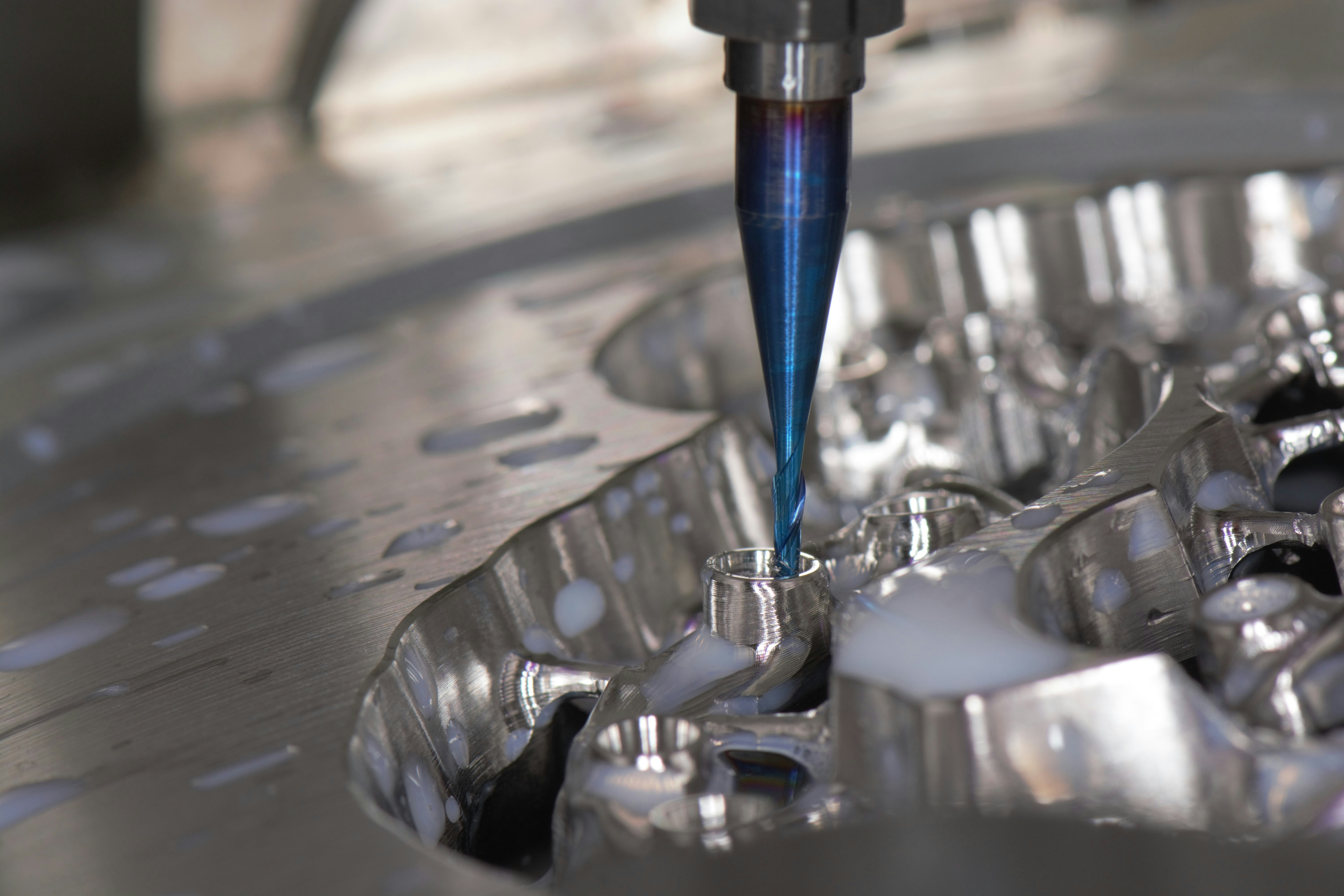
CNC (Computer Numerical Control) machining has fundamentally transformed the landscape of the medical industry by enabling the precise and efficient manufacturing of medical parts. This advanced technology utilizes computer systems to control machine tools, ensuring that components are produced with remarkable accuracy and consistency. The significance of CNC machining in healthcare manufacturing cannot be overstated, as it allows for the creation of intricate and critical components that are essential for the functionality of various medical devices.
One of the primary benefits of CNC machining in the medical field is its unparalleled precision. When producing parts for medical devices, surgical instruments, and prosthetics, even the slightest deviation can have serious implications. CNC technology ensures that each component is manufactured to exact specifications, adhering to strict industry standards. This level of accuracy reduces the likelihood of errors and enhances the safety and effectiveness of medical devices used in patient care.
Furthermore, CNC machining is known for its repeatability. Once a particular design is programmed into the CNC system, the machinery can replicate the manufacturing process numerous times without any loss of quality. This consistency is essential for the production of large volumes of medical components, where uniformity is crucial. For instance, in producing surgical instruments, the exactness of form and function ensures that these tools perform reliably in critical situations.
Additionally, the efficiency offered by CNC machining streamlines the manufacturing process. Automated operations allow for faster production times and reduced labor costs, making it an attractive option for medical manufacturers. As a result, CNC technology has not only optimized the way medical parts are manufactured but also contributed to the overall improvement of healthcare delivery through better product availability and reliability.
Advantages of CNC Machining for Medical Parts
CNC machining offers numerous advantages for the production of medical parts, firmly establishing itself as a cornerstone in healthcare manufacturing. One of the most significant benefits is the improved accuracy and consistency that CNC machines deliver. These computer-controlled machines can manufacture components with tight tolerances, which is crucial in the medical field where even minute deviations can lead to significant issues in product performance and patient safety.
Additionally, the implementation of CNC technology significantly reduces lead times compared to traditional machining methods. This efficiency is vital for the healthcare sector, which often requires rapid prototyping and quick turnaround for medical devices and components. As a result, healthcare providers benefit from more efficient workflows and can expedite the development of critical medical products.
CNC machining also facilitates the production of complex geometries that are commonly needed in medical applications. The ability to create intricate designs and customized parts enables manufacturers to develop specialized tools and devices that cater to specific medical requirements. This flexibility in design not only meets the diverse needs of healthcare professionals but also enhances patient care through more personalized medical solutions.
Moreover, CNC machining promotes enhanced material utilization. With precise cutting techniques and minimal waste, manufacturers can make better use of raw materials, which is particularly important given the high costs associated with certain medical-grade materials. This efficiency not only lowers production costs but also aligns with sustainable manufacturing practices, an increasingly important aspect in today’s healthcare landscape.
Finally, CNC machining plays a crucial role in meeting stringent regulatory and quality assurance standards within the healthcare sector. The ability to replicate high-quality parts consistently ensures compliance with industry regulations, thus reinforcing trust in medical devices and components produced through this advanced technology.
Materials Commonly Used in CNC Medical Part Production
CNC machining has revolutionized the production of medical parts, with a variety of materials utilized to meet stringent healthcare requirements. Among the metals commonly employed, titanium and stainless steel are notable for their exceptional strength, corrosion resistance, and biocompatibility. Titanium is particularly valued for its lightweight nature and ability to integrate well with bone tissue, making it a preferred choice for surgical implants and orthopedic applications. Stainless steel, on the other hand, offers robust mechanical properties, excellent durability, and a well-established history of use in various medical devices, including surgical instruments and implants.
In addition to metals, various plastics are integral to CNC medical part production. Polyether ether ketone (PEEK) is an outstanding material due to its high-temperature resistance, chemical stability, and biocompatibility, which is essential for both implantable devices and surgical components. Polycarbonate is another widely used plastic, recognized for its impact resistance and clarity, making it suitable for applications such as housings for medical devices or components requiring visual inspection without compromising structural integrity.
Furthermore, biocompatible materials play a critical role in the medical sector, especially for products that come into direct contact with human tissue. These materials, including certain polymers and alloys specifically designed for medical use, ensure that the risk of adverse reactions is minimized. The focus on bio-compatibility is paramount in the production of items ranging from stents to dental implants, where the interaction with biological systems can significantly affect patient health outcomes.
Choosing the right material for CNC machined medical components involves considering properties such as mechanical strength, biocompatibility, and the intended application in a clinical setting. As the demands of the healthcare sector evolve, the selection and innovation of materials continue to play a pivotal role in enhancing patient care and treatment outcomes.
Key CNC Processes Used in Medical Part Fabrication
CNC (Computer Numerical Control) machining plays a pivotal role in the manufacturing of medical parts, ensuring that the specifications required for precision in healthcare are met. Various CNC processes are utilized, each tailored for specific applications and demands. Among the most significant are turning, milling, laser cutting, and electrical discharge machining (EDM). Each process provides unique advantages and is chosen based on the particular requirements of the medical component being produced.
Turning is a method where a rotating workpiece is shaped by a stationary cutting tool. This process is especially useful for creating cylindrical components such as syringes or tubes, where consistency and precision are crucial. The CNC lathe meticulously controls the feed rate and cutting speed, ensuring that tolerances are maintained throughout production. This level of precision is vital in medical applications, where even the slightest deviation can lead to performance issues.
Milling, on the other hand, involves the movement of a cutting tool across a stationary workpiece to produce complex shapes and features. It is widely used in the medical industry for manufacturing components such as surgical tools and implants. CNC milling machines can create intricate designs that are often required in medical devices, ensuring not only precision but also the necessary surface finishes that comply with healthcare standards.
Laser cutting offers another advanced approach, utilizing focused laser beams to cut and engrave materials with high accuracy. This method is particularly effective for materials that must be worked into specific shapes, such as delicate implants or intricate circuit boards used in medical devices. The precision of laser cutting ensures that parts can be produced with minimal wastage of material and a high degree of repeatability.
Lastly, electrical discharge machining (EDM) is a non-traditional process that is highly effective for hard metals and intricate designs. By using electrical discharges to remove material, it is ideal for creating complex geometries that are common in advanced medical devices. The ability to achieve extremely fine tolerances makes EDM particularly valuable in this industry.
Quality Control and Industry Standards in CNC Medical Parts
The production of CNC medical parts is fundamentally governed by rigorous quality control measures and industry standards to ensure the safety and efficacy of medical devices. One of the most critical standards in this field is ISO 13485, which outlines the requirements for a quality management system where an organization needs to demonstrate its ability to provide medical devices and related services that consistently meet customer and regulatory requirements. Compliance with ISO 13485 ensures that manufacturers are capable of producing medical devices that are safe for consumer use and meet necessary regulatory expectations.
To maintain high-quality standards, manufacturers of CNC medical parts undergo a series of inspections and audits throughout the production process. These evaluations involve a combination of methods including visual inspections, measurements, and performance testing of the CNC components. Techniques such as coordinate measuring machines (CMM) and non-destructive testing (NDT) are often employed to assess the precision and integrity of these parts. Through these methods, manufacturers can identify any defects or deviations from specified tolerances, thereby ensuring that only compliant parts are delivered to the healthcare sector.
Furthermore, it is essential for manufacturers to implement a robust traceability system, which tracks each component from its origin through to the final product. This system allows for efficient monitoring of material sources, production processes, and end-user interactions. By adopting a comprehensive approach to quality control that encompasses these standards and practices, manufacturers can mitigate risks associated with medical device failures, thereby enhancing patient safety and improving overall healthcare outcomes.
In conclusion, the integration of quality control standards such as ISO 13485 and the application of meticulous inspection methods are essential in the production of CNC medical parts. This adherence not only fulfills regulatory requirements but also ensures that healthcare professionals can rely on the components used in medical devices, promoting better patient care and safety.
CNC Machining Technologies: Innovations Shaping the Future
The field of CNC machining is undergoing a transformative phase, particularly in the realm of medical manufacturing. One of the notable advancements is the integration of artificial intelligence (AI) into the manufacturing process. AI technologies are enhancing production efficiency by enabling predictive maintenance, optimizing machining parameters, and minimizing human errors. Machine learning algorithms analyze large datasets to identify patterns, allowing manufacturers to adjust their methods in real-time, thus improving the quality and consistency of medical parts.
Furthermore, advancements in machine tooling have significantly impacted the CNC machining landscape. Engineers are developing new materials and designs for cutting tools that extend their lifespan and improve performance. For example, coatings such as titanium nitride (TiN) and diamond-like carbon (DLC) are increasingly being used to enhance tool durability and reduce friction. These innovations not only lead to better precision but also enable manufacturers to produce complex geometries required for modern medical devices, such as implants and surgical instruments.
The rise of additive manufacturing techniques, combined with traditional CNC methods, represents another frontier in medical part production. This hybrid approach leverages the speed and flexibility of 3D printing while maintaining the precision of CNC machining. By utilizing additive manufacturing for creating complex structures and components alongside CNC milling or turning for finishing touches, manufacturers can achieve greater design freedom and functional capabilities. This synergy is crucial in developing specialized medical parts that meet specific patient needs while adhering to stringent regulatory standards.
Overall, the innovations in CNC machining technologies are shaping the future of healthcare manufacturing. By embracing AI, advanced tooling, and additive manufacturing, the industry is poised to enhance the production of medical parts significantly. These advancements not only foster greater efficiency but also ensure that the medical devices and components produced are of the highest quality, ultimately benefiting patient care and outcomes.
Challenges in CNC Machining for Medical Parts
CNC machining has revolutionized the production of medical parts, allowing for high precision and the ability to produce complex geometries. However, several challenges are inherent to this manufacturing process in the healthcare sector. One primary challenge is material selection, which is critical for the performance and safety of medical devices. Materials must not only meet strict biocompatibility standards but also possess the necessary mechanical properties to withstand demanding conditions. The materials used must also be compatible with various sterilization processes, adding another layer of complexity to the selection process.
Another significant challenge involves maintaining precision across large production runs. In medical manufacturing, even minute deviations can lead to significant complications, impacting patient safety. Consistency in machining operations is essential, requiring stringent control over parameters such as temperature, tooling, and feed rates. Any fluctuations can result in variations that may jeopardize the integrity of the product. Validating and ensuring precision across all units can be resource-intensive and demands continual oversight.
Cost management also presents obstacles for manufacturers engaging in CNC machining for medical parts. While the technology allows for efficient production, initial setup costs and ongoing maintenance expenses can burden manufacturers, particularly smaller operations. Balancing cost efficiency with the necessary investment in high-quality machinery and talent is essential to remain competitive while ensuring product reliability.
Moreover, the landscape of regulatory requirements continues to evolve, posing risks to manufacturers who must navigate complex compliance scenarios. Adhering to standards set by governing bodies, such as the FDA, requires an ongoing review of processes and documentation. Failure to comply not only jeopardizes market access but could lead to significant fines or legal action. Therefore, manufacturers must integrate quality assurance processes within their CNC machining operations to mitigate these risks while being responsive to regulatory changes.
Case Studies: Successful Implementations of CNC Medical Parts
Over the past few years, various healthcare facilities and manufacturers have successfully implemented CNC machined medical parts to enhance their operations. This section highlights three significant case studies that illustrate the specific challenges faced, the innovative solutions employed, and the remarkable outcomes achieved in the healthcare industry.
The first case study involves a surgical instrument manufacturer that was struggling with the precision and consistency of their products. By integrating CNC machining technology into their production line, they managed to automate the production process, which resulted in a significant reduction in human error. This transformation enabled the company to produce highly accurate surgical instruments at a faster rate. Within the first year of implementation, they noted a 30% increase in production efficiency and a remarkable decrease in production costs by 15%, affirming the pivotal role that CNC technology plays in enhancing operational capabilities.
In another case, a hospital faced challenges in creating customized implants for their patients. Standardized implants often did not fit well, leading to complications during surgeries. By collaborating with a CNC machining service provider, the hospital was able to design and manufacture patient-specific implants tailored to the individual anatomical requirements of each patient. This approach not only improved postoperative recovery times but also significantly reduced the risk of complications during surgeries. The positive feedback from surgical teams and patients alike validated the effectiveness of CNC machined parts in personalized medicine.
The third case study revolves around a diagnostic device company that needed to innovate their product line. After employing CNC machining to develop complex components for their diagnostic equipment, they experienced a substantial increase in device performance and reliability. This transition resulted in better patient outcomes and increased the market competitiveness of their diagnostic devices. The incorporation of CNC technology thus proved invaluable in meeting market demands for higher-performance medical equipment.
These case studies collectively underscore the transformative impact of CNC machined medical parts in healthcare, showcasing how innovative manufacturing techniques can lead to improved efficiency, personalized solutions, and enhanced patient outcomes.
Future Trends in CNC Machining for Healthcare
The landscape of CNC machining for healthcare is rapidly evolving, influenced by technological advancements and an increasing emphasis on sustainability. One of the most notable trends is the integration of sustainability practices within the manufacturing processes. As the healthcare industry faces growing pressures to reduce its environmental footprint, CNC machining is adapting by employing more eco-friendly materials and techniques. Manufacturers are exploring biodegradable composites and recyclable materials, which not only address environmental concerns but also enhance the overall quality of medical components.
Another significant trend is the incorporation of robotics into CNC machining systems. The use of robotic automation in manufacturing processes streamlines operations, increases efficiency, and improves precision. Medical device manufacturers are increasingly adopting collaborative robots, or cobots, which work alongside human operators to enhance productivity while ensuring safety. This synergy allows for more complex machining tasks to be handled with a higher degree of accuracy, ultimately contributing to better patient outcomes.
Personalized medicine manufacturing is also set to transform CNC machining practices in healthcare. As medical treatment becomes more tailored to individual needs, manufacturers are exploring customized solutions that CNC technology can provide. The ability to rapidly produce unique components that meet specific patient requirements not only helps in delivering better healthcare but also increases patient satisfaction by offering tailored solutions.
Predictive maintenance technologies represent another exciting advancement on the horizon. By implementing data analytics and IoT applications, manufacturers can monitor CNC machines in real time, predicting when maintenance is required before issues arise. This shift towards a more proactive maintenance strategy minimizes downtime, optimizes production efficiency, and ultimately leads to improved quality in medical part manufacturing.
In conclusion, the future of CNC machining in the healthcare sector appears promising, characterized by innovations that enhance efficiency, reduce environmental impact, and support the growing demand for personalized medicine. As these trends continue to unfold, the industry will likely witness significant improvements in the quality and delivery of healthcare services.