
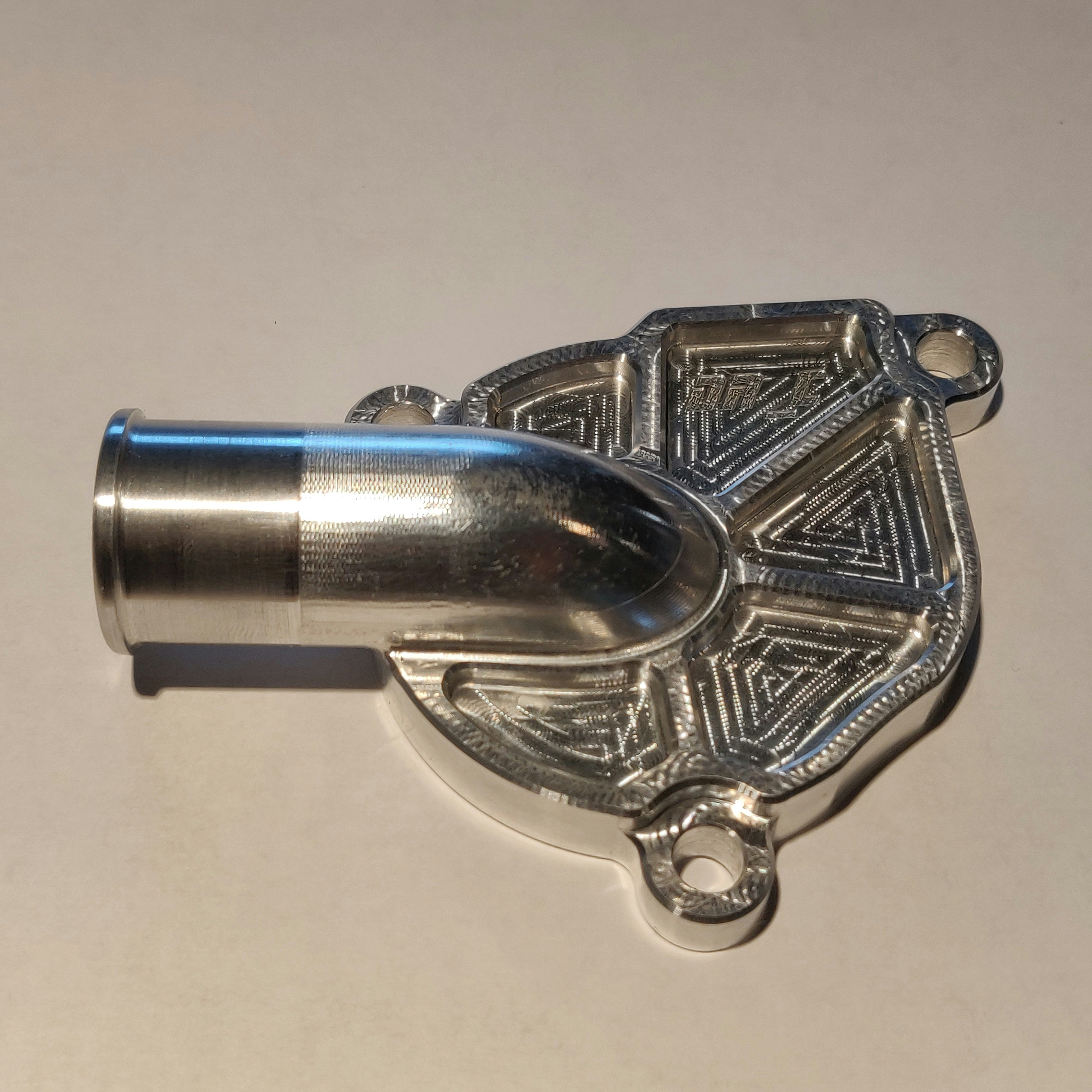
Introduction to Machined Metal Parts
Machined metal parts refer to components that have been crafted through a precise manufacturing process known as machining. This process involves the removal of material from a solid block of metal to produce a desired shape and size. Machining techniques, which encompass processes such as turning, milling, drilling, and grinding, allow for high accuracy and a fine finish, making it a preferred method in various industries, including aerospace, automotive, and medical manufacturing.
The machining process typically begins with the selection of appropriate metal, which can range from aluminum and steel to titanium and brass. Each type of metal possesses distinct properties—such as strength, weight, and resistance to corrosion—that can influence the final product’s performance in its designated application. The ability to use different metals also enhances the versatility of machined metal parts; thus, manufacturers can tailor solutions to meet specific operational requirements.
One significant advantage of machining is its ability to achieve tight tolerances, which are critical in ensuring that the machined part fits correctly and functions as intended within a larger assembly. This precision is paramount in sectors that demand high-performance components, as even minor discrepancies can lead to failures or inefficiencies. Furthermore, the machining process can be completed on both simple and complex geometries, enabling the production of intricate designs that may not be possible through other manufacturing methods.
Moreover, machined metal parts often undergo various finishing processes to enhance their appearance and functionality. These processes can include anodizing, coating, or polishing, contributing to the part’s longevity and overall effectiveness. As industries continue to evolve, understanding the foundational aspects of machined metal parts becomes critical for recognizing their pivotal role in modern manufacturing.
The Machining Process Explained
The machining process is a fundamental technique in manufacturing that significantly contributes to the production of precisely engineered metal parts. It involves removing material from a workpiece to achieve desired dimensions and surface finish, applying various methods such as CNC machining, turning, milling, and drilling. Each method utilizes specific equipment and approaches, ensuring accuracy and efficiency in creating complex components.
CNC machining, or computer numerical control machining, stands out as one of the most advanced methods. It employs programmed software to control the movement of tools and machinery, allowing for high precision and repeatability. The process typically begins with CAD (computer-aided design) models, which guide the CNC machine in executing intricate shapes and designs. Materials can be cut, shaped, and drilled with minimal human intervention, ensuring exceptional accuracy and productivity.
Turning is another key method utilized in the machining process. This technique involves rotating the workpiece against a fixed cutting tool, allowing for the creation of cylindrical parts. Essential equipment in turning includes lathes, which can be engineered for various sizes and types of materials. The process is particularly effective for producing items such as shafts, sleeves, and fittings, showcasing its versatility in manufacturing.
Milling, in contrast, employs a multi-point cutting tool to remove material from a stationary workpiece. This process is highly versatile, capable of creating complex geometries, slots, and surfaces. Milling machines come in various configurations, including vertical and horizontal types, each suited for specific applications. The precision of milling is crucial for parts requiring tight tolerances and intricate detailing.
Lastly, drilling is a process aimed specifically at creating round holes in metal parts. It frequently acts as a preliminary step for further manufacturing processes, ensuring parts can be assembled accurately. Specialized drilling machines enhance the precision and efficiency of this operation, playing a vital role in the overall machining landscape.
Types of Machined Metal Parts
Machined metal parts play a vital role in numerous industries, serving various functions and applications. Among the most common types of machined metal parts are shafts, brackets, housings, and more. Each of these components is designed with specific purposes in mind, adhering to distinct design specifications that meet industry standards.
Shafts are cylindrical components that transmit power and torque in machinery. Typically made from metals like steel or aluminum, shafts are engineered to withstand rotational forces and vibrations. Common applications include automotive drivetrains and industrial machinery, where they are essential for rotational movement and stability.
Brackets, on the other hand, serve as support structures that hold or stabilize other components. They can be fabricated in various shapes and sizes, often customized based on the requirements of a specific application. Industries such as construction, automotive, and aerospace utilize brackets for mounting parts, ensuring structural integrity and alignment. The design of brackets must account for weight distribution and load-bearing capacities to function effectively.
Housings provide protective enclosures for various mechanical components. In many cases, they are designed to shield sensitive internal parts from environmental influences such as dust and moisture. Housings are used extensively in electrical devices, automotive engines, and industrial equipment, requiring specific design considerations to ensure durability and heat dissipation.
Furthermore, other machined metal parts include fasteners, gears, and valves, which play crucial roles in assembly and fluid control systems. Each of these parts is fabricated with precision to ensure compatibility and efficiency in their respective applications. By understanding the diverse types of machined metal parts, industries can select the appropriate components to enhance operational efficiency and product performance.
Materials Used for Machined Metal Parts
In the realm of machining, the selection of appropriate materials for metal parts significantly influences the performance and quality of the final product. Among the most commonly utilized materials are aluminum, steel, titanium, and brass, each offering distinct properties that cater to specific applications.
Aluminum is renowned for its lightweight and excellent corrosion resistance. This metal is particularly beneficial in industries where weight reduction is crucial, such as aerospace and automotive. Its machinability is another advantage, allowing for intricate designs and efficient production. However, aluminum may not provide the same strength as other materials, which could limit its use in high-stress environments.
Steel, on the other hand, is favored for its strength and durability. It is available in various grades, including stainless and carbon steel, each with unique characteristics. Stainless steel, for instance, is highly resistant to rust and oxidation, making it ideal for medical instruments and food processing equipment. Conversely, carbon steel is often more economical and is suitable for a wide range of structural applications. Despite its advantages, steel can be more challenging to machine due to its hardness, requiring specialized tools.
Titanium stands out for its high strength-to-weight ratio and exceptional resistance to extreme temperatures and corrosive environments. As a result, it is commonly used in aerospace and medical applications. However, titanium’s high cost and difficulty in machining can be limiting factors for some projects.
Lastly, brass, an alloy of copper and zinc, is well-regarded for its machinability and aesthetic appeal. It is often utilized in decorative applications and fittings due to its excellent conductivity and resistance to corrosion. Nonetheless, its lower mechanical strength compared to steel can restrict its use in demanding applications.
Ultimately, the choice of material is crucial as it impacts not only the machining process but also the longevity and performance of the machined metal parts. Understanding the properties and applications of these materials allows engineers and designers to make informed decisions that align with project requirements.
Quality Control in Machined Metal Parts
Quality control is a vital aspect of the manufacturing process for machined metal parts, as it ensures that each component meets specified criteria and adheres to industry standards. Effective quality assurance processes incorporate a variety of inspection techniques and testing methods. These practices not only verify the dimensions and tolerances of machined components but also assess their surface finishes and overall integrity.
One common inspection technique employed in quality control is dimensional inspection. This process utilizes precision measuring tools, such as calipers, micrometers, and coordinate measuring machines (CMM), to assess the accurate dimensions of the machined metal parts. Properly measuring these dimensions is essential, as even minor deviations can lead to significant issues in the final assembly or performance of the finished product. Additionally, the use of gauges and fixtures can ensure consistent quality across a batch of parts.
Testing methods also play a crucial role in quality control. Destructive testing techniques, such as tensile tests and fatigue tests, are conducted on a sample of parts to evaluate their mechanical properties. In contrast, non-destructive testing methods, like ultrasonic testing or dye penetrant inspection, help identify internal defects without compromising the integrity of the components. These QA procedures are essential in confirming that machined metal parts are not only functional but also reliable under operational conditions.
Moreover, the importance of tolerances and surface finishes cannot be overstated. Tolerances define the acceptable limits of variation in dimensions, ensuring compatibility and performance in assembled products. Surface finishes influence both the aesthetic aspect and functional performance of metal parts, affecting wear resistance and lubrication. By rigorously applying quality control measures, manufacturers can guarantee that their machined metal parts meet stringent requirements, thereby satisfying customer demands and ensuring the longevity of the components in practical applications.
Applications of Machined Metal Parts
Machined metal parts play a pivotal role in a multitude of industries, serving as essential components in the production of various products. The automotive sector is one of the most significant users of machined metal parts, utilizing them in engines, transmission systems, and braking mechanisms. Precision-engineered components ensure optimal performance and reliability in vehicles, contributing directly to safety and efficiency. The intricate designs of these machined parts allow manufacturers to meet stringent regulatory requirements while maintaining high-quality standards.
In the aerospace industry, the demand for machined metal parts is even more pronounced. Here, components must withstand extreme conditions, such as high temperatures and pressures. Using lightweight yet durable materials, such as titanium and aluminum alloys, machined parts are engineered to reduce weight while ensuring structural integrity. This is crucial as it directly impacts fuel efficiency and overall aircraft performance. Precision in manufacturing is paramount, as even the smallest error can result in catastrophic failures.
The electronics sector also heavily relies on machined metal parts for a variety of applications. Components such as heat sinks, housings, and connectors often require high levels of accuracy and tolerances, which machined parts provide. These components not only support the functionality of electronic devices but also enhance their aesthetic appeal. In this arena, rapid prototyping techniques have become increasingly important, allowing for rapid development and testing of machined metal parts, which streamlines the product development cycle.
Overall, the versatility of machined metal parts ensures their relevance across multiple applications. Their contribution lies not only in enhancing the functionality of end products but also in ensuring reliability in critical systems. As industries continue to evolve, the demand for precision-engineered machined parts is likely to grow, underscoring their indispensable role in modern manufacturing.
Advantages of Machined Metal Parts
Machined metal parts offer a range of significant advantages that contribute to their growing popularity in various industries. One of the most notable benefits is their unparalleled precision. The machining process allows for tight tolerances, enabling the creation of components that fit perfectly in their applications. This precision minimizes the need for further adjustments or modifications, leading to quicker assembly times and enhanced operational efficiency.
Durability is another compelling advantage of machined metal parts. Metals such as steel, aluminum, and titanium possess inherent strength properties that make them suitable for demanding environments. Unlike other materials, machined metal parts can withstand high levels of stress, temperature fluctuations, and corrosion, ensuring a longer lifespan and reducing the need for frequent replacements. This durability ultimately leads to lower maintenance costs, which is a crucial consideration for businesses focused on sustainability and cost-effectiveness.
Versatility further enhances the appeal of machined metal parts. They can be engineered to meet a wide variety of specifications and can be used across diverse applications, from automotive and aerospace to industrial machinery and electronics. This adaptability means that companies can rely on a single manufacturing process for multiple components, streamlining production and reducing inventory complexity. Additionally, the precision involved in machining allows for innovative designs that facilitate the creation of intricate geometries.
Moreover, the machining process is efficient in terms of material usage. It typically generates less waste compared to other manufacturing processes, such as casting or forging. By utilizing only the necessary amount of material, companies can reduce costs and lessen their environmental impact. In sum, the advantages of machined metal parts—precision, durability, versatility, and efficiency—make them a preferred choice in modern manufacturing practices.
Challenges in Machining Metal Parts
Machining metal parts presents several challenges that can significantly impact manufacturers’ efficiency and product quality. One major issue faced during the machining process is tool wear. The development of wear on cutting tools can lead to increased operational costs, as frequent tool changes are required to maintain accuracy and quality. As a result, manufacturers must invest in higher-quality materials and designs for tools, which can further elevate production expenses.
Material costs are another critical factor in the machining process. Metals such as titanium and stainless steel can be particularly expensive, and fluctuations in market prices can strain budgets. Manufacturers are often required to balance the trade-off between acquiring higher-quality materials that enhance product performance and managing operational costs. The decision-making surrounding material selection becomes crucial, as it directly influences the overall feasibility of the machining project.
Furthermore, the complexity of metal parts poses significant challenges. As designs become more intricate, particularly with modern applications that demand high precision, manufacturers must adapt their processes and tooling. Complex geometries often necessitate advanced machining techniques, which can lengthen production time and increase labor costs. This complexity can also complicate the setup process, as ensuring proper alignment and configurations is essential for achieving optimal results.
Finally, maintaining quality control throughout the machining process is paramount. Variations in tools, materials, and operational conditions can lead to inconsistencies in the final product. Implementing effective quality control measures, such as regular inspections and adherence to stringent standards, is essential to mitigate these risks. Addressing tool wear, material costs, complex geometries, and quality control allows manufacturers to improve their efficiency and output in the machining of metal parts.
Future Trends in Machined Metal Parts Manufacturing
The landscape of machined metal parts manufacturing is experiencing significant evolution driven by technological advancements, automation, and increasing sustainability practices. One of the most noteworthy trends is the integration of advanced machining technologies, such as computer numerical control (CNC) systems and high-speed machining tools. These innovations enhance precision and efficiency, allowing manufacturers to produce complex geometries that were previously impractical or too costly. Subsequently, the demand for high-quality machined parts at reduced lead times continues to rise.
Automation is another critical trend shaping the manufacturing sector. The rise of robotics and artificial intelligence (AI) in machining processes streamlines operations, increases productivity, and reduces human error. Automated systems can monitor and adjust machining parameters in real-time, ensuring that production stays within specified tolerances. This level of automation is particularly beneficial in high-volume production environments where consistent quality is paramount.
Another emerging area of focus is sustainability. As environmental concerns grow, manufacturers are increasingly adopting sustainable practices in metal machining. This includes reducing waste and energy consumption, implementing recycling programs for scrap materials, and exploring alternative methods such as green machining. Such approaches not only address environmental impact but also enhance the overall efficiency and cost-effectiveness of manufacturing operations.
Furthermore, the advent of 3D printing and additive manufacturing is revolutionizing the traditional machining processes. These technologies enable the production of complex shapes and structures layer by layer, significantly reducing material waste. They complement traditional methods by offering solutions for prototyping, low-volume production, and customization of machined parts. As these technologies continue to advance, they are expected to reshape the conventional machining landscape, leading to innovations in production techniques and product offerings.