
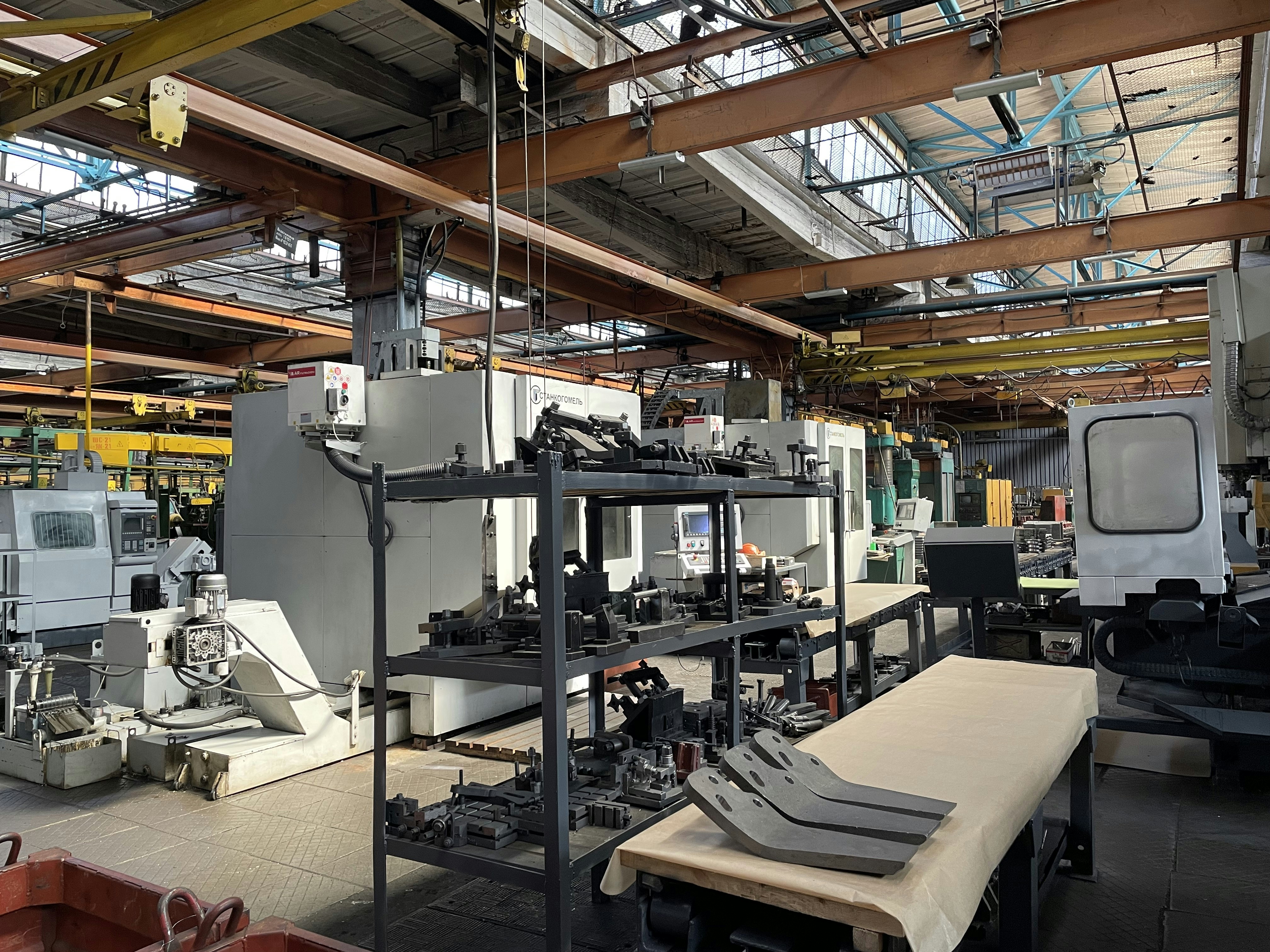
Introduction to CNC Parts Manufacturing
CNC stands for Computer Numerical Control, a technology that revolutionizes the manufacturing process by using computer software to control machine tools. This method allows for high precision, repeatability, and the ability to produce complex shapes and designs that would be challenging or impossible to achieve using traditional manufacturing techniques. CNC parts manufacturing encompasses a variety of processes, including milling, turning, grinding, and cutting, all regulated by computer-generated codes that dictate the movements of machines. This advanced technology is integral to several industries, including aerospace, automotive, healthcare, and electronics, where the demand for precision-engineered components is paramount.
As industries evolve and markets become more competitive, the necessity for fast delivery of CNC parts has emerged as a critical factor influencing production efficiency and customer satisfaction. Manufacturers are often under pressure to reduce lead times and respond rapidly to changing demands. The ability to produce and deliver CNC machined parts swiftly can provide a significant competitive advantage, especially for businesses looking to fulfill orders quickly and maintain customer loyalty. Moreover, rapid prototyping and short-run production capabilities afforded by CNC technology make it possible for companies to innovate and test new designs efficiently.
Moreover, as supply chains become increasingly globalized and subject to disruptions, the emphasis on expedited delivery of CNC parts grows stronger. Companies that can efficiently deliver prototypes or finished components not only meet the immediate needs of their clients but also foster long-term partnerships built on reliability. Hence, understanding the significance of fast delivery in CNC parts manufacturing is essential for stakeholders aiming to thrive in a rapidly changing industrial landscape.
The Role of CNC Parts in Modern Manufacturing
Computer Numerical Control (CNC) parts have become integral to contemporary manufacturing processes due to their ability to deliver precision, efficiency, and customization. In a landscape where time-to-market and production costs significantly impact business competitiveness, CNC technology emerges as a solution that addresses these challenges head-on.
One of the critical advantages of CNC parts lies in their precision. CNC machining allows manufacturers to create highly accurate components that meet strict tolerances, which is essential for industries such as aerospace, automotive, and medical devices. This precision reduces the need for secondary operations, thereby streamlining production workflows and enhancing overall product quality. The result is fewer errors, reduced waste, and ultimately, lower production costs.
Efficiency is another hallmark of CNC parts in modern manufacturing. With automation at the core of CNC machinery, businesses can operate machinery continuously, minimizing downtime associated with traditional machining methods. The ability to rapidly switch between designs and run multiple parts simultaneously means faster turnaround times for customers seeking quick delivery. Consequently, by leveraging CNC technology, manufacturers can significantly reduce lead times, directly enhancing their operational agility.
Customization capabilities further underscore the importance of CNC parts. As industries increasingly require bespoke solutions, CNC machining allows for tailored manufacturing that meets specific client specifications. Whether it’s adjusting dimensions or creating unique features, CNC machines can adapt to design changes swiftly without compromising quality. This flexibility ensures that companies can respond promptly to customer demands, fostering a more competitive and dynamic market environment.
In conclusion, the significance of CNC parts in modern manufacturing cannot be overstated. Their contributions to precision, efficiency, and customization not only enhance production processes but also align manufacturers with evolving consumer expectations and market dynamics.
Factors Influencing CNC Parts Delivery Time
The delivery time of CNC parts is influenced by a variety of factors, each playing a crucial role in determining how quickly a customer can receive their ordered components. Understanding these factors can be vital for businesses needing to manage their operations efficiently.
One significant factor is the complexity of the CNC parts being produced. Parts that have intricate designs, requiring detailed machining or multiple features, can demand more time in the production process. As each CNC machine has limitations, the complexity must be balanced with the capability of the machine tasked with manufacturing the parts. This interplay can either prolong production timelines or streamline the process if designed within the machine’s capacity.
Material availability also plays a critical role. Depending on the specific materials required for production, supply shortages or delays can greatly affect the delivery schedule. Manufacturers often rely on a network of suppliers to source materials, and any disruption within this supply chain can lead to extended lead times, affecting overall customer satisfaction.
Moreover, machine capability influences how efficiently CNC parts can be produced. Advanced CNC machines equipped with state-of-the-art technology can often reduce cycle times, leading to quicker delivery. Conversely, older machines or those with less capability may require more time to produce the same parts. Regular maintenance and timely upgrades can mitigate this issue, ensuring consistent production speeds.
Finally, supply chain logistics are paramount to the timely delivery of CNC parts. Factors such as shipping routes, transportation methods, and the ability to manage inventory effectively can lead to either expedited or delayed deliveries. Companies that prioritize streamlined logistics are more likely to meet or exceed delivery expectations, enhancing their competitiveness in the industry.
Benefits of Fast Delivery for Businesses
In the modern manufacturing landscape, the capability to deliver CNC parts swiftly is paramount for businesses aiming to maintain a competitive edge. One of the primary advantages of fast delivery is the significant improvement in project timelines. When CNC parts are delivered promptly, companies can adhere to their schedule, reducing downtime and accelerating the entire production process. This adherence not only streamlines operations but also allows businesses to meet client deadlines more consistently.
Additionally, quick delivery enhances customer satisfaction. In an era where clients expect timely service, being able to furnish products rapidly can significantly elevate a company’s reputation. Satisfied customers are more likely to return for future projects and recommend the business to others, ultimately fostering brand loyalty and driving sales growth. Enhanced satisfaction through speed is a crucial factor in nurturing long-term relationships with clients.
Moreover, fast delivery provides increased flexibility in production schedules. With components arriving more rapidly, businesses can adapt more efficiently to unforeseen changes in demand or project specifications. This agility allows manufacturers to pivot quickly, whether to accommodate a last-minute order or to mitigate delays caused by unforeseen production challenges. Consequently, a business equipped with rapid delivery capabilities is better positioned to handle fluctuating market demands.
Lastly, the competitive advantages gained from expedited CNC parts delivery can significantly influence market positioning. Companies that prioritize speedy service can outpace competitors who struggle to deliver in a timely manner, thereby capturing more market share. In summary, the implications of fast delivery extend beyond immediate tangible benefits, collectively strengthening a company’s overall market presence and operational effectiveness.
Challenges in Achieving Fast Delivery
In the rapidly evolving landscape of manufacturing, achieving fast delivery of CNC parts presents a myriad of challenges that can hinder operational efficiency and customer satisfaction. One prominent challenge is the constraint of resources. Many manufacturers grapple with limited availability of skilled personnel and machinery, critical to producing high-quality CNC parts within tight deadlines. The inability to scale production quickly when faced with sudden demand surges can lead to delays, straining relationships with clients and impacting revenue.
Additionally, fluctuations in demand pose another significant hurdle. Variability in order quantities often complicates production planning, leaving suppliers to manage resources for unpredictable workloads. This inconsistency can lead to either overproduction or underproduction, both of which are detrimental. Companies may find themselves with excess inventory, incurring unnecessary holding costs, or failing to meet customer expectations due to insufficient output during peak periods.
Quality control issues further exacerbate the challenges associated with fast delivery. Rushing production may compromise the thorough inspection of parts, resulting in defects that necessitate rework or even scrapping of components. Quality assurance is paramount in the CNC industry, where precision is critical. Suppliers must strike a balance between speed and quality to avoid delays stemming from post-production failures.
Lastly, managing a streamlined supply chain adds to the complexity of delivering CNC parts rapidly. Suppliers often rely on multiple vendors for raw materials, and any disruption in this network can lead to bottlenecks that impede overall production schedules. Transportation delays, administrative inefficiencies, and unforeseen logistical challenges can further amplify these issues, ultimately hindering the ability of manufacturers to fulfill customer orders swiftly.
Solutions for Expediting CNC Parts Delivery
In the current competitive manufacturing landscape, expediting CNC parts delivery is critical for businesses aiming to meet customer demands efficiently. Manufacturers can adopt various strategies to enhance their delivery speed, ensuring that they remain agile and responsive in fulfilling orders. One effective approach is the implementation of advanced technology, such as computer-aided design (CAD) and computer-aided manufacturing (CAM) systems. These tools streamline the design and production processes, significantly reducing lead times by fostering precise machining operations.
Moreover, manufacturers may consider incorporating automation and robotics into their workflow. Automated systems can handle repetitive tasks, while robotics can execute machining processes with a higher degree of accuracy and speed compared to traditional methods. The integration of these technologies ultimately leads to improved efficiency and reduced production cycles, thereby facilitating faster CNC parts delivery.
Another vital aspect of expediting delivery lies in enhanced production processes. Manufacturers should regularly evaluate and refine their production workflows. Techniques such as Lean Manufacturing or Six Sigma can help identify inefficiencies and eliminate bottlenecks. By focusing on continuous improvement, businesses can further optimize their operations, ensuring timely delivery of CNC components.
Effective inventory management is also essential in maintaining swift delivery times. By utilizing just-in-time (JIT) inventory practices, manufacturers can minimize stock levels while ensuring that necessary materials are readily available. This approach reduces delays caused by material shortages and promotes quicker turnaround times.
Lastly, establishing strong partnerships with suppliers can yield significant benefits. Collaborating closely with suppliers allows manufacturers to secure high-quality materials promptly and often leads to preferential treatment regarding order fulfillment. Strong supplier relationships can also facilitate communication and improve logistics, ultimately enhancing the speed of CNC parts delivery.
Case Studies: Successful Fast Delivery Examples
In today’s competitive manufacturing landscape, fast delivery of CNC parts has proven to be a critical factor for companies striving for operational excellence. Numerous organizations have successfully implemented streamlined processes and technologies to enhance their delivery speed, setting benchmarks for the industry.
For instance, a leading automotive supplier adopted an advanced manufacturing setup coupled with Lean principles. By analyzing its production workflow, the company identified bottlenecks that delayed CNC part delivery. Through the integration of data analytics and automation technologies, they were able to reduce lead times significantly. This transformation not only enabled them to deliver parts faster but also improved overall product quality, resulting in a 30% boost in customer satisfaction ratings. The supplier demonstrated that targeted investments in technology and process optimization can yield substantial improvements in delivery efficiency.
Another compelling case is that of a small aerospace firm that faced increasing pressure from clients for rapid delivery of custom CNC parts. To address this challenge, the company implemented a Just-In-Time (JIT) manufacturing strategy that aligned production closely with demand. By leveraging real-time inventory management systems, they minimized waste and ensured the availability of essential components for quick turnaround. In doing so, they successfully reduced their average delivery times from several weeks to just a few days, leading to an increase in clients and orders.
These case studies illustrate that the successful implementation of fast delivery strategies in CNC parts manufacturing requires an investment in technology, attention to process optimization, and a commitment to continuous improvement. Companies that prioritize efficient production and delivery mechanisms can gain a significant competitive advantage, demonstrating the importance of these strategies in today’s market.
The Future of CNC Parts Delivery
The landscape of CNC parts delivery is undergoing transformative changes, driven by advancements in technology and evolving customer expectations. One of the most significant trends shaping this future is automation. Automated systems in manufacturing not only expedite the production process but also enhance precision in the CNC parts delivered to clients. Moreover, incorporating artificial intelligence (AI) within these systems allows for real-time data analysis, enabling companies to predict potential issues and adjusting production schedules accordingly. This capability minimizes delays and optimizes overall supply chain management.
In addition to automation, the rise of additive manufacturing, commonly known as 3D printing, is reshaping how CNC parts are produced and delivered. This technology allows for quicker prototyping and production of complex geometries that traditional methods may struggle to achieve. As a result, businesses can meet customer demands faster, facilitating a more streamlined delivery process. The integration of 3D printing into CNC manufacturing not only reduces lead times but also minimizes waste, aligning with the sustainability goals many companies pursue today.
Changing customer demands also play a crucial role in influencing future CNC parts delivery systems. Customers increasingly expect rapid turnaround and customization options without compromising quality. As a response, manufacturers are adapting their approaches to include flexible production systems capable of accommodating small batch sizes and varied designs. Globalization, too, introduces complexities and opportunities for CNC parts delivery. As manufacturing becomes more international, businesses must navigate different regulations, logistics, and cultural expectations, necessitating efficient global delivery strategies that can promptly respond to diverse consumer needs.
To prepare for these shifts, companies should invest in cutting-edge technologies, embrace innovations in materials, and adapt their operational frameworks. By taking proactive measures, businesses can position themselves at the forefront of the evolving CNC parts delivery landscape, ensuring they meet the demands of their customers and remain competitive in a global market.
Conclusion
In the rapidly evolving landscape of manufacturing, fast delivery of CNC parts has emerged as a cornerstone of operational efficiency and customer satisfaction. The ability to provide quick turnaround times significantly impacts a company’s competitiveness and its capacity to meet market demands. As highlighted throughout this discussion, the demand for rapid production cycles is driven by the need for manufacturers to respond promptly to consumer needs and technological advancements.
Moreover, implementing strategies that prioritize timely delivery can enhance production scheduling, minimize lead times, and ultimately augment a manufacturer’s reputation. By optimizing the logistics involved in CNC parts fabrication, businesses can ensure that they retain a loyal customer base. This loyalty is often cultivated through reliability and responsiveness, both of which are hallmarks of a business that values rapid delivery.
Additionally, the adoption of modern technologies such as automation, real-time tracking, and improved supply chain management practices is instrumental in achieving these fast delivery objectives. These innovations enable manufacturers to not only accelerate their production processes but also maintain a high level of quality assurance. As a result, the interplay between speed and quality becomes a significant factor in securing long-term contracts and establishing fruitful partnerships in the industry.
Conclusively, as businesses navigate the complexities of the manufacturing sector, fast delivery should be viewed not just as an operational requirement but as a strategic advantage. Companies that prioritize and achieve rapid turnaround times will likely see increased revenue, enhanced customer loyalty, and sustainable growth. Therefore, integrating speed into the core operational strategy of CNC parts manufacturing is essential in today’s highly competitive market environment.