
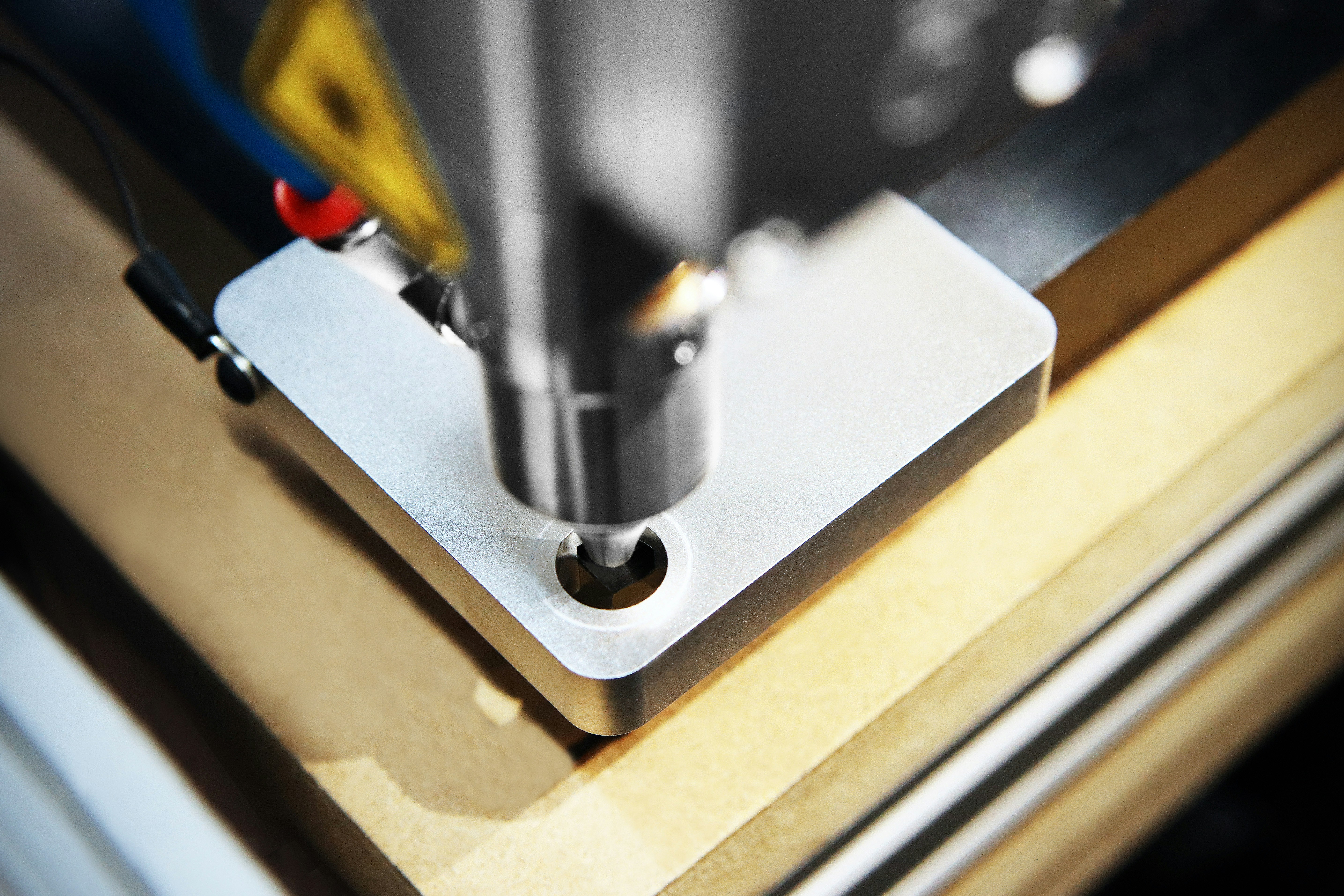
Introduction to CNC Parts
CNC, or Computer Numerical Control, is a sophisticated technology that has revolutionized the manufacturing industry by enabling the precise control of machinery through computer programming. CNC technology allows for the automated control of processes such as milling, turning, and drilling, which are common in machining operations. The core components that facilitate these operations are known as CNC parts. These parts—comprised of actuators, motors, and controllers—play a crucial role in translating digital designs into physical objects with a high degree of accuracy.
The significance of CNC parts in the manufacturing sector cannot be overstated. They are essential for facilitating mass production while ensuring consistency and precision in each manufactured piece. As a result, CNC machining has become a cornerstone in industries that require high tolerances and reliability, including aerospace, automotive, and medical device manufacturing. The smooth interaction between various CNC parts ensures that the entire operation runs efficiently, significantly reducing the likelihood of errors and material wastage.
The evolution of CNC technology spans several decades. Initially, CNC systems were relatively basic, limited by the computing power and control methods of their time. Early CNC machines relied on manual input and were constrained in their programming capabilities. However, advancements in technology have led to the development of more sophisticated CNC parts, resulting in multifunctional systems that can execute complex tasks with minimal human intervention. The integration of advanced software has further enhanced capabilities, allowing for real-time monitoring and adjustments during machining processes.
In conclusion, as CNC technology continues to advance, the role of CNC parts becomes increasingly critical in maintaining precision engineering standards. Understanding these components offers valuable insights into the efficiency and capabilities of modern automated machining processes.
Types of CNC Machines and Their Parts
CNC (Computer Numerical Control) machines play a vital role in modern manufacturing, allowing for precision machining in various applications. Some of the most common types of CNC machines include CNC lathes, milling machines, routers, and plasma cutters. Each machine serves a distinct purpose and comprises unique components essential for its operations.
CNC lathes are primarily used for machining cylindrical parts. The main components of a CNC lathe include the spindle, which holds and rotates the workpiece, and the tool holder, which secures the cutting tools. The control system of a CNC lathe is crucial as it interprets the CAD/CAM data and directs the spindle and tool movements with high precision. Additionally, mounting bases are critical in stabilizing the lathe during operation.
Milling machines utilize rotary cutters to remove material from a stationary workpiece. Key components of these machines consist of a spindle that drives the cutting tool, table for the workpiece, and an intricate control system that manages both tool path and speed. Milling machines may also incorporate various tool holders allowing for quick changes between different cutting operations.
CNC routers are versatile machines that predominantly work with softer materials, such as wood, plastics, and composites. They share comparable parts with milling machines but often feature a lightweight construction to accommodate faster speeds. The control systems in routers are designed for three-dimensional machining, allowing intricate designs to be executed with precision.
Lastly, plasma cutters operate by utilizing a high-temperature plasma arc to cut through metal materials. The essential parts include the plasma torch, where the arc is generated, and the control mechanism that dictates the motion and parameters of the cut. While plasma cutters differ in function, their operational efficiency is greatly reliant on the coordination between various components.
Common CNC Parts and Their Functions
Computer Numerical Control (CNC) machines are remarkable for their ability to automate machining processes with high precision. To understand how these machines function, it is essential to explore their core components, including motors, drives, encoders, and power supplies.
1. Motors: CNC machines utilize various types of motors, predominantly servo motors and stepper motors, to control motion. Servo motors offer feedback mechanisms to ensure precise positioning and speed control, making them ideal for complex operations, while stepper motors excel in applications where precision is crucial without the need for feedback. Together, these motors provide the necessary force to manipulate tools along specified paths.
2. Drives: The drive components serve as intermediaries between the control system and the motors, converting commands from the CNC controller into actionable movements. They regulate motor performance, ensuring that the desired speed and torque are achieved consistently. Drive systems, which include both digital and analog options, play a vital role in enhancing the reliability and efficiency of CNC operations.
3. Encoders: Encoders are integral to the feedback loop essential for ensuring accurate motion control. These devices translate rotary or linear movements into electrical signals, providing real-time information about the position of the machine’s components. There are two main types: incremental and absolute encoders, each serving to enhance precision and reduce errors in machining tasks.
4. Power Supplies: A reliable power supply is foundational for the operational capabilities of CNC machines. It ensures that all electronic components receive the appropriate voltage and current, facilitating smooth functioning. Fluctuations in power can lead to operational inconsistencies; hence, quality power supplies are critical for maintaining the integrity and performance of CNC systems.
In conclusion, understanding the common CNC parts is crucial for appreciating how they interact to achieve precision in machining. Each part—motors, drives, encoders, and power supplies—plays a distinct role in maintaining the overall functionality and reliability of CNC operations, contributing to advancements in manufacturing techniques.
Material Selection for CNC Parts
The selection of materials for CNC (Computer Numerical Control) parts plays a critical role in the overall performance, durability, and cost-effectiveness of the final product. Different materials, whether traditional or advanced, bring unique properties that impact the machining processes and the final application of the manufactured parts.
Traditional materials such as metals and plastics are commonly used in CNC machining. Metals like aluminum, steel, and brass are favored for their strength and durability. Aluminum, for instance, is lightweight and resistant to corrosion, making it suitable for applications where weight is a concern. Conversely, materials like steel offer increased strength and are often used in engineering applications where high stress is expected. On the other hand, plastics, such as acrylic and nylon, provide excellent machinability and can be tailored for applications that require chemical resistance or lower weight. Understanding the characteristics of these materials is essential for selecting the appropriate option for specific projects.
Advanced composites have emerged as preferred choices in certain applications due to their unique properties, such as high strength-to-weight ratios and enhanced fatigue resistance. Composites are particularly valuable in industries like aerospace and automotive, where performance and reliability are critical. However, machining composite materials can be more complex and may require special tools and techniques due to their specific properties. Factors such as CNC machining speed, tool wear, and heat generation must be carefully considered when working with these advanced materials.
Ultimately, the selection of the right materials for CNC parts should be based on a comprehensive assessment of the material properties, anticipated machining processes, and end-use requirements. This thoughtful approach ensures that the produced parts meet all performance criteria while balancing factors such as cost and manufacturability.
CNC Part Design and Engineering Considerations
When designing CNC parts, several key engineering considerations are critical to ensuring functionality, manufacturability, and quality. One of the foremost considerations is the determination of tolerances. Tolerances define the acceptable limits of variation in a part’s dimensions, which are essential in high-precision applications. For instance, in industries such as aerospace and automotive, where safety and performance are paramount, tighter tolerances may be necessary. Conversely, for less demanding applications, wider tolerances may be acceptable, allowing for cost-effective production.
Surface finish is another vital aspect of CNC part design. The surface finish affects both the aesthetic appeal and the performance of the part. Different fabrication techniques yield varying finishes, which must align with the part’s functional requirements. For example, precision machining can achieve smooth finishes, while additive manufacturing may require additional post-processing to meet surface quality standards.
Fabrication techniques themselves influence design decisions. Understanding the capabilities and limitations of CNC machining methods, such as milling, turning, and drilling, is essential when conceptualizing CNC components. The geometry and complexity of the parts must accommodate the specific processes employed in their manufacturing. Additionally, features such as overhangs or intricate details may necessitate design modifications to facilitate suitable tool access and minimize the risk of machining errors.
Moreover, CAD (Computer-Aided Design) software plays a pivotal role in optimizing the design of CNC parts. Advanced CAD tools allow engineers and designers to simulate machining processes, analyze stresses, and visualize the finished product. This not only enhances the understanding of how various design features affect manufacturability but also aids in identifying potential design flaws early in the development cycle. Proper integration of CAD can streamline the design process, reduce costs, and improve the overall quality of CNC parts.
Manufacturing Processes for CNC Parts
CNC (Computer Numerical Control) machining encompasses several manufacturing processes vital for producing high-precision parts. Each process—turning, milling, drilling, and grinding—serves different needs and presents unique advantages depending on the specific application at hand.
Turning is a process primarily used for producing cylindrical parts. A workpiece is rotated while a cutting tool moves linearly along its axis to create various features such as diameters, threads, and grooves. This method is highly efficient for machining materials like metals and plastics, making it ideal for parts requiring detailed specifications.
Milling, in contrast, is a versatile machining process that involves removing material from the surface of a workpiece using a rotating cutter. This can be performed on flat or complex shapes, allowing for a wider range of applications. CNC milling machines can operate in multiple axes, enhancing the ability to produce intricate designs with high precision.
Drilling is specifically designed for creating holes in materials. CNC drilling machines can accurately position and create holes at various depths and sizes. This process is crucial in applications requiring precise hole placement for fittings or component assembly.
Grinding is utilized for achieving high-quality surface finishes and precision dimensions. This process uses an abrasive wheel to delicately grind down the material, ideal for refining the final products or completing intricate geometries that other processes may not effectively accomplish.
Selecting the right manufacturing process is essential, as each has its strengths and weaknesses that can impact the final product. Factors such as material type, desired tolerances, and production volume should guide the choice of turning, milling, drilling, or grinding processes, ensuring suitable outcomes for specific applications.
Quality Control in CNC Machining
Quality control is a critical aspect of CNC (Computer Numerical Control) machining, ensuring that the produced parts meet strict engineering specifications and quality standards. In the highly competitive manufacturing environment, maintaining quality not only guarantees customer satisfaction but also enhances operational efficiency and reduces costs associated with errors or rework.
The quality control process in CNC machining typically begins with thorough inspections of the raw materials before they are processed. This involves verifying that the materials meet the specified grades and properties necessary for the intended application. Once machining begins, continual monitoring is essential. Various testing methods, including visual inspections and non-destructive testing, are employed to identify potential defects at each stage of production.
Precision measurement tools play a crucial role in quality control. Instruments such as calipers, micrometers, and gauges are utilized to measure critical dimensions and tolerances of the CNC parts, ensuring they match the design specifications. Additionally, advanced technologies like coordinate measuring machines (CMM) and laser scanners provide detailed assessments of machined components, facilitating a higher level of accuracy in measurement.
Moreover, statistical process control (SPC) methods are often implemented to analyze data during production. By applying statistical techniques, manufacturers can detect variation in the processes, address issues proactively, and ensure consistent product quality. Continuous improvement practices, such as Six Sigma, are commonly adopted to enhance overall process reliability and performance. These strategies not only streamline production but also foster a culture of quality within the organization.
Ultimately, rigorous quality control in CNC machining is vital for producing reliable and high-quality parts. The combination of systematic inspection, advanced testing, and precise measurement contributes significantly to achieving desired outcomes while adhering to industry standards.
Innovations and Trends in CNC Technology
The landscape of CNC technology is continuously evolving, driven by innovations and trends that enhance manufacturing efficiency and capability. One major advancement is the increase in automation within CNC systems. Automated CNC machines streamline the manufacturing process by minimizing human intervention, thereby reducing errors and speeding up production cycles. Machines equipped with advanced robotics can handle material loading and unloading, while some systems allow for unattended machining, significantly increasing productivity.
Moreover, the rise of the Internet of Things (IoT) has transformed how CNC machines operate. Integration of IoT technologies enables machines to communicate with each other and with centralized platforms for real-time monitoring and data exchange. This connectivity facilitates predictive maintenance, where IoT-enabled sensors collect data on machine performance and usage patterns to predict potential failures before they occur. This not only minimizes downtime but also optimizes operational efficiency.
Another emerging trend in CNC technology is the adoption of smart manufacturing concepts. Utilizing data analytics and artificial intelligence, manufacturers can now analyze large sets of data generated by CNC machines to identify patterns and inefficiencies. This insight allows for improved decision-making and operational strategies. For instance, adaptive machining is becoming more common, where CNC systems adjust operating parameters dynamically based on real-time feedback from the machining environment.
These innovations undoubtedly shape the future of CNC parts and machining processes. As manufacturers implement automated systems and smart technologies, the production of CNC parts becomes faster, more precise, and cost-effective. The continued evolution of CNC technology promises to deliver enhanced capabilities, driving competitiveness in the manufacturing sector.
Conclusion and Future Outlook for CNC Parts
In summary, the exploration of CNC parts has illuminated their vital role in modern manufacturing. Key topics such as the components of CNC machinery, the intricacies of their functioning, and the materials involved have showcased how accuracy and precision are paramount in enhancing manufacturing processes. Understanding these CNC components empowers businesses to leverage these technologies efficiently, ultimately leading to reduced production times and improved product quality.
Looking ahead, the future of CNC parts appears promising, driven by continuous advancements in technology. Innovations such as artificial intelligence, machine learning, and enhanced automation are poised to revolutionize the manufacturing landscape. These developments will not only optimize CNC machining processes but also elevate product design and customization capabilities. As CNC technology evolves, we may witness an increased incorporation of smart manufacturing techniques, resulting in more responsive and adaptive production systems.
Furthermore, sustainability is becoming a significant focus within the manufacturing industry. The design and construction of CNC parts are likely to shift towards eco-friendly materials and processes, aligning with global sustainability goals. This inclination will not only benefit the environment but will also cater to the growing demand for sustainable practices among consumers and businesses alike.
Ultimately, the ongoing evolution in CNC parts and technology will likely lead to enhanced manufacturing capabilities, allowing companies to meet the increasingly complex demands of various industries. As manufacturers embrace these advancements, the potential for innovation and efficiency in product design continues to expand, indicating a bright future for CNC parts and their applications.