
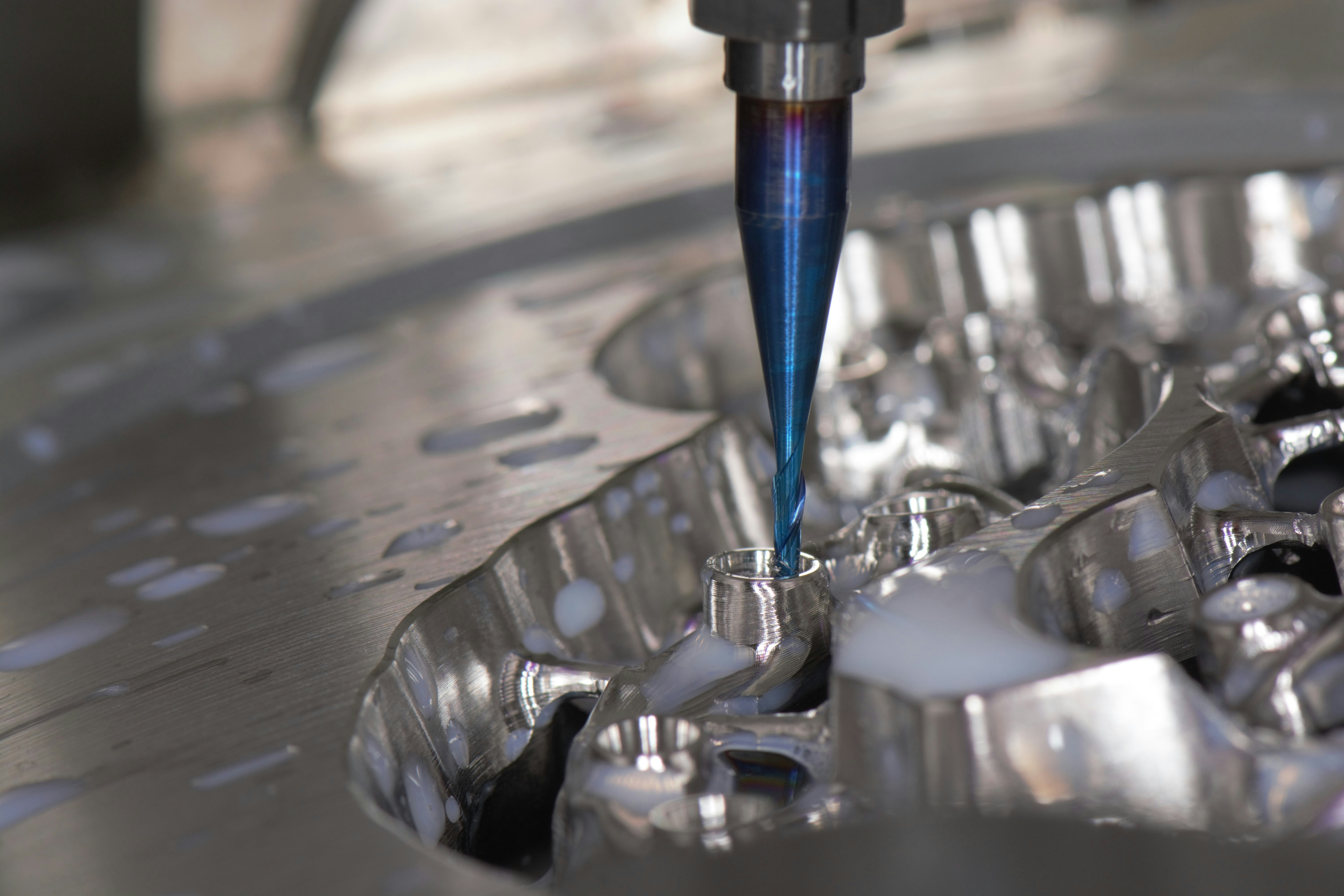
Introduction to CNC Machining
Computer Numerical Control, commonly referred to as CNC, is a technology that revolutionized the manufacturing landscape. At its core, CNC machining involves the use of computers to control machine tools, enabling precise and automated production processes. This method of machining groups a wide array of processes, including milling, turning, and drilling, into a cohesive framework where each machine operates based on coded instructions generated from a computer program.
The significance of automation in CNC machining cannot be overstated. Traditional manual machining methods rely heavily on skilled operators to navigate and manipulate tools, which can lead to variance in quality and increased potential for human error. In contrast, CNC technology allows for consistent quality and precision, as each cut, hole, or shape is executed with exacting replication. The code that drives CNC machines not only dictates the physical movements of the tools but also ensures that every operation adheres to strict tolerances, thereby enhancing overall product quality.
CNC machines are incredibly versatile, serving a multitude of industries ranging from aerospace and automotive to medical and consumer goods. They can work with various materials, with aluminum considered one of the most commonly machined substances due to its malleability, strength, and lightweight properties. The ability to produce complex geometries with ease makes CNC aluminum machining a preferred choice in high-precision applications.
Moreover, the advantages of CNC machining extend beyond just precision and versatility. It significantly reduces production time, accommodates small batch sizes efficiently, and improves safety by minimizing manual intervention. By automating the machining process, businesses can optimize their operations, lower their costs, and ultimately enhance their competitiveness in today’s fast-paced manufacturing environment.
Aluminum: Properties and Benefits
Aluminum is a versatile metal renowned for its distinct properties, making it an ideal choice for a multitude of applications. One of the primary characteristics of aluminum is its lightweight nature, which allows for easy handling and transportation. This property is particularly significant in sectors such as aerospace and automotive engineering, where reducing weight can greatly enhance fuel efficiency and overall performance.
Another crucial benefit of aluminum is its exceptional corrosion resistance. When exposed to the environment, aluminum naturally forms a protective oxide layer that prevents further oxidation, thereby extending the material’s lifespan. This characteristic makes aluminum an excellent option for applications in harsh environments, such as marine settings or outdoor structures, where durability is essential.
Additionally, aluminum boasts a high strength-to-weight ratio, which means that it is both strong and lightweight. This unique combination allows manufacturers to create lightweight structures without compromising on strength and safety. This quality has made aluminum a preferred material in the aerospace sector, where engineering structures must sustain significant stress and weight constraints.
The environmental benefits of aluminum should not be overlooked. It is a highly recyclable material, with nearly 75% of the aluminum produced in the last century still in use today. The recycling process requires only a fraction of the energy needed to produce primary aluminum, significantly reducing the environmental footprint associated with its manufacturing. This sustainability aspect positions aluminum as an eco-friendly choice in the production of consumer goods and industrial applications alike.
In conclusion, the properties of aluminum—its lightweight nature, corrosion resistance, high strength-to-weight ratio, and sustainability—make it an exceptionally valuable material across a wide range of industries. Its advantages continue to drive innovation and efficiency in manufacturing processes, reinforcing its status as a leading choice in modern engineering.
Types of CNC Machines for Aluminum Machining
CNC machines have revolutionized the manufacturing industry, particularly in the context of aluminum machining. Several types of CNC machines are optimized for working with this lightweight yet durable metal, including CNC mills, CNC lathes, and CNC routers. Each of these machines possesses unique functionalities suited to different applications.
CNC mills are among the most commonly used machines for aluminum machining. They operate by removing material through a rotating cutting tool, allowing for precise shaping and detailing of aluminum parts. Mills generally feature multiple axes of movement, with 3-axis and 5-axis configurations available. The 3-axis CNC mills enable movements along the X, Y, and Z axes, making them suitable for simple designs. The 5-axis versions, however, offer additional rotational axes that allow for more complex shapes and intricate designs, proving advantageous when working with aluminum components that require high precision, such as aerospace parts and intricate machinery.
On the other hand, CNC lathes operate differently. They are designed to create cylindrical parts through a subtractive manufacturing process, wherein the aluminum workpiece is rotated against a stationary cutting tool. This makes CNC lathes ideal for producing parts like shafts and rods, where roundness and symmetry are crucial. Typically, these machines can also come in multi-axis configurations to accommodate more complex machining tasks.
CNC routers are also advantageous for aluminum machining, especially in applications requiring larger sheets of material. These machines are primarily designed for high-speed, 3D contouring, making them effective for cutting and milling aluminum sheets and panels used in architectural designs and signage. The robust nature of modern CNC routers supports aluminum machining, combining speed with precision.
In conclusion, understanding the capabilities and functionalities of different CNC machines, including CNC mills, lathes, and routers, is essential for selecting the right equipment for aluminum machining projects. Each machine offers distinct advantages that can significantly impact efficiency and precision in manufacturing aluminum components.
CNC Machining Process for Aluminum
The CNC machining process for aluminum involves a systematic approach that ensures precision and efficiency in producing high-quality components. The first step in this process is design considerations, where engineers must think about the final specifications and tolerances required for the aluminum parts. Utilizing Computer-Aided Design (CAD) software, designers can create detailed 3D models that reflect the intricate features of the components. These models serve as a critical foundation for the subsequent steps in the CNC machining process.
Once the design is finalized, it is translated into a manufacturing-ready format using Computer-Aided Manufacturing (CAM) software. This step involves generating the necessary tool paths that dictate how the CNC machine will operate. The selection of appropriate cutting tools is paramount; specialized tools tailored for aluminum, such as end mills and drills, are chosen based on material properties and desired finish. Tool geometry, coating, and material play significant roles in achieving optimal cutting performance.
Feed rates and spindle speeds are crucial parameters that directly influence the efficacy of aluminum machining. Setting the correct speeds ensures that the cutting process is efficient while minimizing heat generation, which is especially important given aluminum’s thermal conductivity. Too high a speed can lead to poor surface finish or damage to the material, while too slow may result in excessive tool wear. Therefore, understanding the relationship between feed rates, spindle speeds, and the selected cutting tools is essential in achieving the best results.
Additionally, aluminum machining has unique considerations, such as chip removal and coolant application. Due to the material’s tendency to stick to cutting tools, effective chip management systems and the use of coolant or cutting fluids can significantly enhance the machining process. Thus, the CNC machining process for aluminum is a precise operation that requires careful planning and execution to ensure optimal performance and quality.
Choosing the Right Tools for CNC Aluminum Machining
When engaging in CNC aluminum machining, the selection of appropriate tools is paramount to achieving precision and efficiency. The two primary types of cutting tools typically considered for this process are carbide and high-speed steel (HSS) tools. Carbide tools are favored for their durability and ability to maintain sharpness under high temperatures, making them ideal for machining aluminum, which can produce significant heat due to its malleability. On the other hand, HSS tools are generally less expensive and can work well for lighter machining tasks. However, they may not offer the same longevity or performance efficiency as carbide counterparts when it comes to aluminum.
Another critical factor in selecting CNC cutting tools involves coatings. Tools designed with specialized coatings, such as TiN (Titanium Nitride) or TiAlN (Titanium Aluminum Nitride), can further enhance performance by reducing friction and minimizing material adhesion. These coatings also help in dissipating heat, thereby prolonging tool life and ensuring a smoother machining process. It is essential to choose a coating that aligns with the specific requirements of aluminum machining, mainly focusing on operational temperatures and cutting speed.
Tool geometry plays a significant role in the effectiveness of aluminum machining. Tools with sharper cutting edges and appropriate rake angles facilitate better chip removal and reduce the likelihood of workpiece deformation. Moreover, spiral flute designs can help manage chip evacuation more efficiently, particularly when working with aluminum, which is known for producing long, stringy chips. Along with selecting the right tools, it is crucial to be aware of common tool wear issues, such as edge chipping and abrasion, which can negatively impact machining quality. Regular maintenance, including proper cleaning and inspection of tools, can further enhance their lifespan, ensuring consistent performance throughout the project.
Common Applications of CNC Aluminum Parts
CNC (Computer Numerical Control) machining has revolutionized the manufacturing industry, particularly in the production of aluminum parts. This lightweight yet robust material is widely employed across various sectors, thanks to the precision achievable through CNC machining. One of the most significant industries utilizing CNC machined aluminum is aerospace. Components such as aircraft frames, engine casings, and brackets benefit from aluminum’s favorable strength-to-weight ratio, allowing for enhanced fuel efficiency and overall performance.
In the automotive sector, CNC aluminum parts play an essential role in vehicle manufacturing. Custom machined aluminum components, such as engine blocks, transmission housings, and wheel rims, contribute to weight reduction without compromising structural integrity. This weight reduction leads to improved fuel economy and maneuverability, making vehicles more environmentally friendly and cost-effective for consumers.
The electronics industry also heavily relies on CNC machined aluminum. Cases and heat sinks for computers, smartphones, and other electronic devices are often made from aluminum to provide not only aesthetic appeal but also superior heat dissipation properties. Electronics manufacturers appreciate the durability and lightweight nature of custom aluminum parts, which help improve product lifespan and performance.
Moreover, the consumer products sector benefits from CNC aluminum machining through the creation of durable and stylish items, such as kitchen appliances, sporting goods, and musical instruments. For instance, brands often utilize custom aluminum in the production of professional-grade cookware that offers exceptional heat conduction while remaining lightweight and easy to handle.
Overall, CNC machined aluminum parts serve vital functions across diverse industries, enhancing performance and reducing the weight of the final products. Through innovative engineering and design, these components continue to push the boundaries of what is achievable in modern manufacturing.
Advantages and Challenges of CNC Machining Aluminum
CNC machining aluminum offers a multitude of advantages that position it as a preferred choice for manufacturers in various industries. One of the most significant benefits is precision; CNC machines can produce intricate designs with remarkable accuracy. This level of precision is essential for components that require tight tolerances, enhancing the overall quality of the end products. Additionally, the repeatability of CNC machining processes ensures that manufacturers can achieve consistent results, which is crucial for high-volume production runs. This advantage often translates into lower costs per unit produced, making CNC machining aluminum a cost-effective solution for businesses seeking to meet increased demand.
However, the process of machining aluminum is not without its challenges. One notable issue is the potential for chip buildup during machining operations. Aluminum has a tendency to form long, stringy chips that can impede production and negatively impact the quality of machined parts. To counteract this problem, it is essential to utilize appropriate cutting tools and techniques. For instance, employing tools with optimized geometries can facilitate the effective evacuation of chips, thus reducing the risk of buildup.
Another challenge involves the need for proper coolant usage. Aluminum machining generates significant heat due to the metal’s relatively low melting point. If not managed effectively, this heat can lead to tool wear, diminished accuracy, and compromised part integrity. To address this concern, incorporating adequate coolant systems during the machining process is vital. Using cutting fluids that not only cool but also lubricate the cutting area can enhance tool life and improve output quality.
By recognizing these challenges and implementing best practices—such as selecting the right tools, managing chip removal, and utilizing suitable coolants—manufacturers can harness the full potential of CNC machining aluminum, ensuring both efficiency and high-quality output in their production processes.
Quality Control in CNC Machining Aluminum
Quality control plays a critical role in the production of CNC machined aluminum parts, ensuring that each component meets the necessary specifications and industry standards. Since aluminum is widely used in various applications due to its lightweight and corrosion-resistant properties, maintaining quality throughout the machining process is paramount. Effective quality control measures help in identifying defects or deviations early, thus reducing waste and ensuring customer satisfaction.
One of the fundamental techniques employed in quality control is dimensional checks. This involves verifying the physical dimensions of machined components against the specified measurements outlined in blueprints or designs. Precision in dimensions is vital because even minor discrepancies can affect the performance and functionality of the final product. Techniques such as calipers, micrometers, and gauges are commonly used for these inspections to ensure accuracy.
Another essential aspect of quality control is assessing the surface finish of CNC machined aluminum parts. The surface finish can significantly impact the aesthetic appearance and the mechanical properties of the components, influencing factors like wear resistance and fatigue strength. Inspection methods may include visual assessments, roughness gauges, and profilometers to quantify the surface texture according to industry standards.
In more advanced manufacturing environments, the incorporation of Coordinate Measuring Machines (CMM) has revolutionized inspection precision. CMM allows for automated, highly accurate measurements, capturing complex geometries that would otherwise be challenging to assess manually. This technology enhances the consistency of quality control, reducing human error and increasing efficiency in the inspection process.
To ensure compliance with industry standards, manufacturers should adopt a systematic approach. Documenting inspection results, adhering to quality management systems, and regular training of personnel involved in quality assessment are all essential practices. By implementing rigorous quality control in CNC machining aluminum processes, manufacturers can guarantee a reliable product that meets customer expectations and regulatory requirements.
Future Trends in CNC Aluminum Machining
The landscape of CNC aluminum machining is undergoing significant transformations driven by advancements in technology and evolving market demands. As industries continue to embrace automation, the integration of sophisticated robotics and artificial intelligence (AI) into CNC machining processes is becoming increasingly prevalent. This automation enhances precision, reduces machining time, and minimizes human error, ultimately driving efficiency in production environments.
Industry 4.0 is another crucial catalyst reshaping the future of CNC aluminum machining. This movement encourages the interconnectivity of machinery, data analytics, and smart factory solutions, enabling real-time monitoring and adjustments during machining operations. With the implementation of IoT (Internet of Things) devices, manufacturers can collect vast amounts of data to predict maintenance needs, optimize workflows, and improve overall productivity. Consequently, the CNC machining market is evolving towards more responsive and adaptive systems that can adjust to dynamic production schedules and varying material requirements.
Moreover, emerging technologies such as additive manufacturing are beginning to complement traditional CNC machining methods. By allowing for the direct production of parts from digital files, additive manufacturing can enhance design flexibility and reduce material waste. Hybrid machining combines these two approaches, integrating additive and subtractive processes to create more efficient workflows. These advancements hold potential for creating complex geometries and customized components in aluminum machining, significantly broadening design possibilities.
In conclusion, the future of CNC aluminum machining is poised to be characterized by increased automation, the impact of Industry 4.0, and the integration of innovative manufacturing techniques. These developments will not only improve operational efficiency but also redefine the capabilities of CNC machines used for aluminum parts production, setting the stage for a new era in manufacturing excellence.
**mitolyn official**
Mitolyn is a carefully developed, plant-based formula created to help support metabolic efficiency and encourage healthy, lasting weight management.