
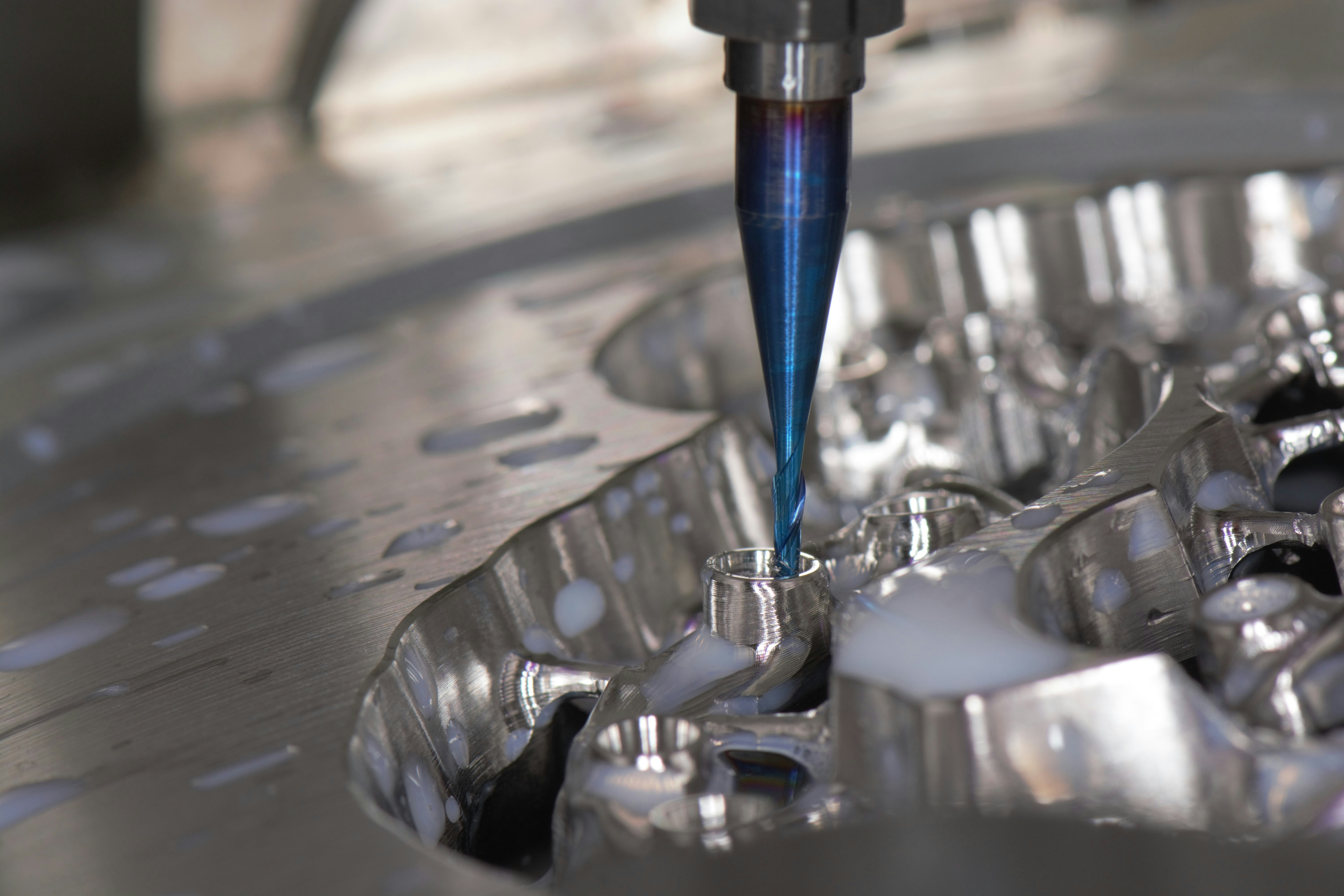
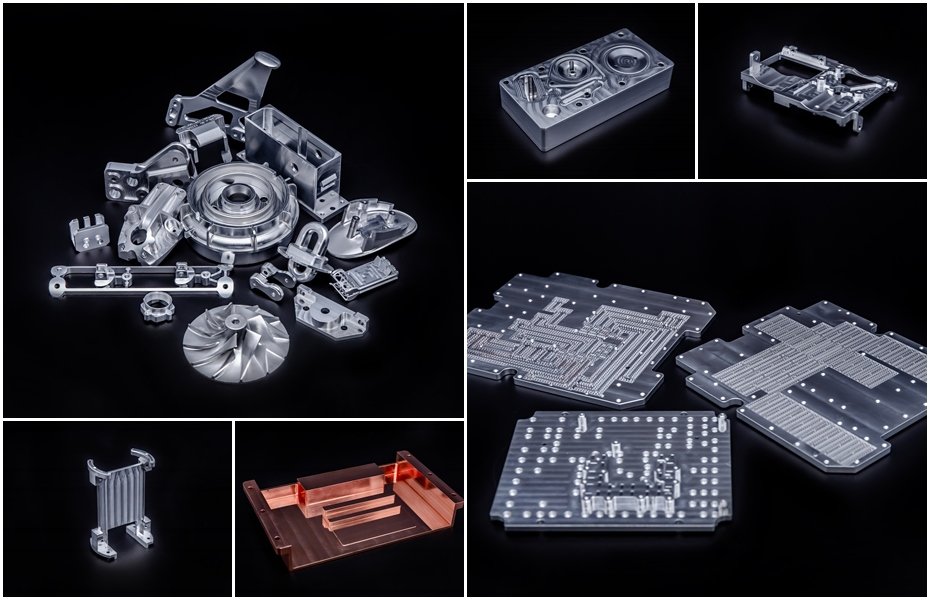
Introduction to Acrylic CNC Machining
CNC machining, or Computer Numerical Control machining, represents a revolutionary approach in the manufacturing sector, allowing for extremely precise and efficient fabrication of materials. When applied to acrylic, this technology showcases distinct advantages that make it a favorable choice for both small-scale projects and large-scale production. Acrylic materials, commonly used in a myriad of applications ranging from signage to furniture design, benefit significantly from CNC machining due to the unique properties of acrylic itself, including its lightweight nature and exceptional clarity.
One of the primary advantages of acrylic CNC machining is precision. CNC machines utilize computer-generated designs to guide tools with high accuracy, resulting in intricate and detailed cuts that are often unachievable through manual methods. This precision is vital, especially in applications where dimensional accuracy is critical. Furthermore, CNC machining can produce highly detailed patterns and shapes, enabling complex designs that elevate the aesthetic appeal of acrylic products.
Another notable benefit is efficiency. The automated nature of CNC machining allows for rapid production cycles, significantly reducing labor time and operational costs. Once a design is programmed into the CNC system, it can be replicated numerous times with consistent quality, thus ensuring uniformity in production. This level of efficiency makes acrylic CNC machining an ideal solution for businesses seeking to meet high consumer demand without sacrificing quality.
Additionally, the versatility of CNC machining allows for a wide range of acrylic thicknesses and colors to be processed without compromising the integrity of the material. Whether crafting bespoke items or large batches of components, CNC machining opens up a world of possibilities for transforming acrylic sheets into finished products. Overall, the integration of CNC technology into the machining of acrylic has transformed industry practices, setting a new standard for both quality and creativity in material fabrication.
Understanding Acrylic: Properties and Types
Acrylic, a synthetic polymer known as polymethyl methacrylate (PMMA), is a versatile material widely used in various industries due to its unique properties. One of the primary attributes of acrylic is its exceptional durability. Compared to glass, acrylic is significantly more impact-resistant, which makes it an ideal choice for applications requiring robustness without compromising on transparency.
Additionally, acrylic possesses high optical clarity, allowing for up to 92% light transmission. This property renders it a preferred material for applications where visibility is crucial, such as in signage, display cases, and lenses. The lightweight nature of acrylic further enhances its usability, making it easier to handle and install in various setups. Moreover, acrylic can be easily fabricated into intricate shapes and sizes, which is particularly advantageous in the realm of CNC machining.
When considering the types of acrylic available, it is essential to note the distinction between cast acrylic and extruded acrylic. Cast acrylic is created by pouring the liquid material into a mold, a process that allows for greater thickness and higher optical clarity. This type is often utilized in applications requiring high-end aesthetic appeal, such as furniture, art pieces, and high-quality displays. Conversely, extruded acrylic is manufactured through a continuous process, resulting in a more cost-effective option. While it generally possesses lower optical quality than cast acrylic, it remains popular for general-purpose applications like protective barriers and light fixtures.
Each type of acrylic material holds specific benefits and applications in CNC machining. Cast acrylic is preferred for projects that demand superior quality, while extruded acrylic is ideal for projects where budget constraints are a concern. Understanding these properties and differences between acrylic types enables manufacturers and designers to choose the most suitable option for their CNC machining needs.
Preparing for CNC Machining: Tools and Software
When embarking on acrylic CNC machining, the selection of appropriate tools and software is crucial for achieving optimal results. Not all CNC machines are created equal; thus, choosing the right model specifically designed for machining acrylic is paramount. Generally, CNC routers are the most popular choice for acrylic materials due to their ability to handle sheets of various thicknesses and sizes with precision. Depending on project needs, machines with a higher spindle speed are preferred, as they can effectively cut through acrylic without causing damage or melting, which could compromise the integrity of the material.
Equipping a CNC machine with the right tooling further enhances machining efficacy. For acrylic, specialized tools such as spiral up-cut bits and single-flute end mills are recommended. These tools facilitate smooth cuts and clean edges, which minimizes post-processing effort. The diameter of the tools should also be carefully considered since larger-diameter tools can remove material faster but may not achieve intricate details. Therefore, an effective balance must be established based on specific project requirements and complexity.
In addition to hardware considerations, the role of software cannot be overstated in the CNC machining process. CAD (Computer-Aided Design) and CAM (Computer-Aided Manufacturing) software are integral for designing and preparing machining paths for acrylic projects. Popular software options include Autodesk Fusion 360, SolidWorks, and Vectric’s Aspire. These applications enable users to create intricate designs and translate them into machine-readable formats. Proper integration of these tools ensures that the CNC machine operates as intended while reducing potential errors in the cutting processes.
Ultimately, meticulous preparation involving the right CNC machine, suitable tooling, and efficient software tools is essential for successful acrylic CNC machining, laying the groundwork for high-quality finished products.
CNC Machining Processes for Acrylic
Acrylic, known for its versatility and clarity, benefits from various CNC machining processes tailored to its properties. These methods, including routing, laser cutting, and engraving, are crucial in achieving precise and intricate designs.
Routing is one of the most common CNC machining processes used for acrylic. This technique involves a rotating cutting tool that removes material by following specific paths to create shapes and contours. Routing is particularly effective for machining thicker acrylic sheets, where the precision of the cutter allows for complex designs, such as signs or displays. The process can produce smooth edges, which often require minimal finishing, making it suitable for both functional and aesthetic applications.
Laser cutting is another essential method in the acrylic fabrication process, utilizing a focused beam of light to melt or vaporize material. This technique is highly precise, allowing for intricate shapes and designs that might be challenging to achieve with traditional cutting methods. Laser cutting is particularly advantageous for creating fine details and can be used for thinner acrylic sheets. It also produces excellent edge quality, reducing the need for post-processing. Common applications include decorative elements, intricate signage, and prototypes.
Engraving, the third significant CNC machining process for acrylic, is used to create detailed designs or text on the surface of the material. This technique employs a specialized tool that engraves or carves into the acrylic, offering depth to the design. Engraving can be combined with both routing and laser cutting processes to produce multi-dimensional items, such as trophies, plaques, and customized products. The versatility of engravers allows for various depths and widths, enabling the creation of unique textures and finishes.
These CNC machining processes collectively enhance the potential of acrylic fabrication, catering to a wide range of applications across industries. Each technique—routing, laser cutting, and engraving—offers distinct advantages, allowing for effective solutions tailored to project requirements.
Best Practices for Acrylic CNC Machining
Acrylic CNC machining presents unique challenges that necessitate specific best practices to ensure optimal results. One of the primary considerations is the method of securing the acrylic sheet on the CNC machine. Proper clamp setup is vital as it minimizes movement during the cutting process, thereby reducing the risk of chipping or melting. Use soft jaws or pads along with appropriate clamp pressure to avoid damaging the surface of the acrylic, promoting a clean finish.
Feed rates and spindle speeds are critical parameters that significantly influence the quality of the machining process. It is recommended to adjust the feed rates depending on the thickness of the acrylic sheet; a slower feed rate can help in achieving smoother edges but may lead to increased heat buildup. Therefore, it is advisable to experiment with a balance of feed rate and spindle speed to find the optimal settings for the specific grade of acrylic being used, generally a higher spindle speed in conjunction with a moderate feed rate works best.
Cooling methods play an essential role in preventing heat-related distortions. Employing an air blast cooling system or mist cooling can effectively dissipate heat during machining, preserving the integrity of the acrylic. Alternatively, liquid cooling solutions can also be considered. However, care must be taken to avoid moisture getting trapped within the material, as this can lead to complications during subsequent applications.
Safety should not be overlooked during the machining process. Operators should always wear personal protective equipment such as goggles and gloves to guard against debris and sharp edges. Moreover, ensuring that the workspace is free from obstructions and that the machine is properly maintained can mitigate risks associated with acrylic CNC machining. By adhering to these best practices, the likelihood of successful machining outcomes is significantly increased, thus enhancing both safety and performance.
Common Issues and Troubleshooting in Acrylic CNC Machining
Acrylic CNC machining presents distinct challenges that can affect the quality of the final product. One of the most prominent issues encountered is related to surface finish quality. Poor finishing can result from several factors, such as improper cutting speeds, inadequate feed rates, or dull tools. To mitigate these issues, it is essential to choose the correct router bit, typically made from carbide or high-speed steel, which can handle the properties of acrylic. Furthermore, optimizing the spindle speed and feed rate according to the thickness and type of acrylic is crucial.
Another common problem faced during the CNC machining process of acrylic is chipping. Chipping occurs when the material fractures at the cutting edge, leading to an unsatisfactory finish. This can be particularly problematic with thicker acrylic sheets. To reduce the likelihood of chipping, operators should ensure their tools are sharp and properly aligned. Additionally, employing a climb milling technique can often yield better results than conventional milling since it helps to create a smoother edge by reducing the impact strength at the cutting edge.
Tool wear is also a relevant concern during acrylic CNC machining, as dull tools can exacerbate issues like poor surface finish and chipping. Regularly inspecting tools for signs of wear and promptly replacing them when necessary will maintain the integrity of the machining process. Furthermore, keeping the machining area clean and free from debris can help reduce tool wear and maintain quality. Effective lubrication and cooling can enhance tool longevity and performance, ensuring precision and improving overall machining results.
By being aware of these common issues and implementing the suggested solutions, manufacturers and hobbyists can achieve high-quality outcomes and extend the lifespan of their tools during acrylic CNC machining.
Applications of Acrylic CNC Machining
Acrylic CNC machining has become an essential process across a multitude of industries, owing to its versatility and the unique properties of acrylic materials. This manufacturing technique is widely utilized in the signage industry, where custom acrylic signs are highly valued for their clarity, durability, and aesthetic appeal. For example, illuminated signs and contemporary shop displays often employ acrylic components, allowing businesses to create striking visual presentations that attract customer attention.
In display manufacturing, acrylic CNC machining enables the creation of intricate display cases and holders. These products often showcase items such as jewelry, collectibles, and electronics while providing protective encasement. The ability to machine acrylic into precise shapes and sizes enhances the presentation of merchandise, increasing both visibility and consumer interest. Consequently, designers can experiment with various finishes and colors, resulting in unique and eye-catching displays.
The automotive industry also benefits significantly from acrylic CNC machining, with applications ranging from vehicle dashboards to custom lighting fixtures. Lightweight and shatter-resistant, acrylic components can enhance both the performance and safety of vehicles. Furthermore, car enthusiasts often seek acrylic solutions for bespoke features, such as personalized interior elements and custom lighting designs that enhance aesthetics and functionality.
Interior design is another sector where acrylic CNC machining finds its applications. Designers often source acrylic for furniture, decorative elements, and architectural features, taking advantage of its modern look and the ease of customization. Items like acrylic coffee tables, room dividers, and art pieces have gained popularity in contemporary interiors. The lightweight nature of acrylic allows for easy installation and modifications, making it an ideal choice for both residential and commercial spaces.
In summary, the diverse applications of acrylic CNC machining demonstrate its vital role across industries, allowing for innovative designs and practical solutions that cater to varying consumer needs.
Cost Considerations in Acrylic CNC Machining
When analyzing the costs associated with acrylic CNC machining, several key factors come into play. Understanding these variables is crucial for manufacturers aiming to produce high-quality products while managing expenses efficiently. One of the primary costs involves the acrylic material itself. Prices can fluctuate significantly based on the quality, thickness, and type of acrylic selected for the project. For instance, cast acrylic often costs more than extruded acrylic due to its superior clarity and strength. Choosing the right material can significantly impact the overall budget.
Another critical factor is machine time. The machining process can vary in duration depending on the complexity of the design, the precision required, and the speed of the CNC equipment utilized. Faster machines may incur higher upfront investments but can lead to lower costs in the long run by enhancing productivity. It is essential to balance the initial capital and the operational efficiency to optimize machining costs.
Labor costs also play a significant role in determining the total price of acrylic CNC machining. Skilled technicians are required to program, operate, and maintain CNC machines. Their proficiency can lead to reduced errors and high-quality outputs, thereby saving costs associated with rework and scrap materials. Thus, investing in skilled labor is advantageous, even if it initially seems like an added expense.
Lastly, overhead costs encompass various expenses, including facility costs, utilities, and equipment maintenance. Manufacturers must allocate these costs effectively to determine the total expense linked to CNC machining processes. To manage costs effectively, businesses can conduct regular audits of production efficiency, invest in training for employees, and consider bulk purchasing of materials. By adopting these strategies, organizations can ensure that their acrylic CNC machining remains cost-effective while maintaining quality standards.
Future Trends in Acrylic CNC Machining
The acrylic CNC machining industry is poised for significant advancements as technology evolves and market demands shift. One of the most prominent trends is the integration of artificial intelligence (AI) and machine learning into CNC machining processes. These technologies are expected to enhance precision, reduce waste, and optimize machining time, thus improving overall efficiency. With AI systems analyzing performance data, operators can make informed adjustments in real-time, leading to higher quality outputs in acrylic machining.
Additionally, the development of more advanced composite materials is likely to impact acrylic CNC machining. New formulations that combine acrylic with other polymers or additives promise to enhance properties such as durability, resistance, and aesthetic appeal. As these innovative materials become more popular, CNC machining techniques will need to adapt, requiring equipment that can handle different material characteristics effectively. This shift will necessitate investment in both capital and training for the workforce, fostering a culture of continuous learning within organizations.
Furthermore, sustainable practices are gaining traction across all manufacturing sectors, and acrylic CNC machining is no exception. The increasing focus on environmental stewardship is driving the demand for eco-friendly machining processes. Businesses may adopt practices such as recycling acrylic waste and utilizing biodegradable lubricants to minimize their carbon footprint. These sustainability initiatives will not only meet regulatory requirements but will also cater to a growing consumer base that values environmentally conscious products.
Ultimately, businesses that remain proactive in their approach, embracing emerging technologies and sustainable practices, will be better positioned to thrive in the ever-evolving landscape of acrylic CNC machining. Staying ahead of these trends will ensure that organizations can leverage new capabilities while expanding their competitive edge in the market.