
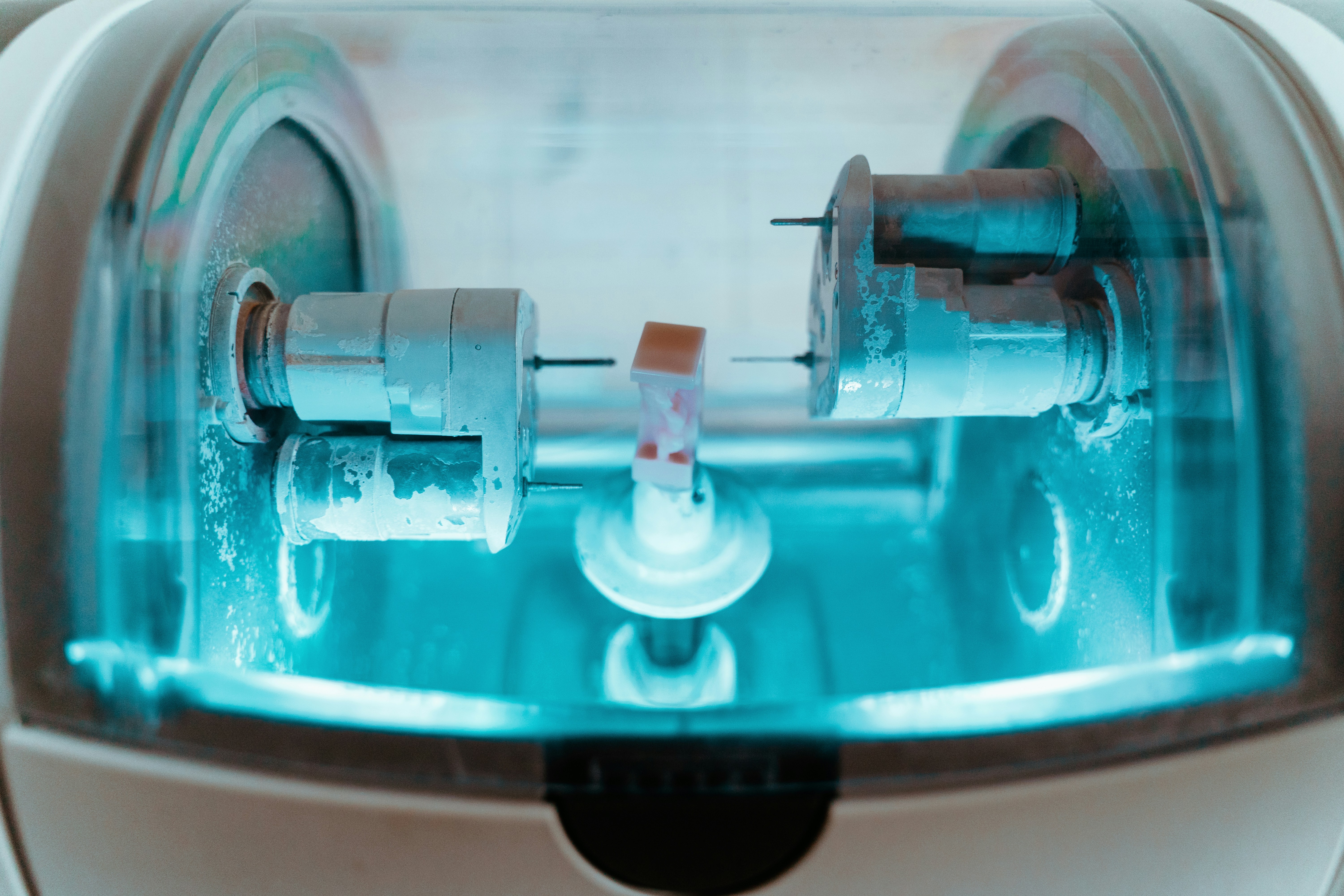
Introduction to CNC Machining in the Medical Field
Computer Numerical Control (CNC) machining has emerged as a pivotal technology in the medical field, significantly enhancing the production of medical devices and components. CNC machining involves the use of computer software to control machine tools, allowing for highly precise and repeatable manufacturing processes. The fundamental principle of CNC machining lies in its ability to convert digital designs into physical products, achieving accuracy that is crucial in medical applications where precision is paramount.
In the medical industry, CNC machining is employed to fabricate a wide variety of components including surgical instruments, prosthetics, and implantable devices. The precision offered by CNC technology ensures that these components meet the stringent regulatory standards and dimensions required for safe and effective use in medical procedures. For instance, components such as orthopedic implants require meticulous engineering to ensure compatibility with human anatomy, making CNC machining an indispensable tool for manufacturers in this field.
One of the primary advantages of CNC machining over traditional manufacturing methods is its ability to handle complex geometries and intricate designs. This technology allows for the production of parts that would be nearly impossible to achieve through manual machining. Moreover, CNC machining reduces the likelihood of human error, streamlining production and minimizing waste. The use of automated systems also facilitates faster production cycles, enabling medical device companies to respond swiftly to market demands.
Additionally, CNC machining supports the customization of medical devices tailored to individual patient needs. This is particularly significant in the development of personalized medical solutions, where each device must be uniquely crafted to ensure optimal performance. As the medical field continues to evolve, the role of CNC machining will become increasingly crucial, driving innovation and improvement in the quality of healthcare products.
Overview of the Chinese Medical Manufacturing Landscape
The Chinese medical manufacturing landscape has experienced remarkable growth over the past two decades, positioning the country as a formidable player in the global healthcare sector. Driving this transformation is a combination of government support, technological advancements, and a robust supply chain ecosystem. According to recent industry reports, the medical device market in China has been projected to surpass USD 100 billion by 2025, reflecting an annual growth rate of over 10%. This remarkable trajectory is indicative of China’s commitment to enhancing its medical manufacturing capabilities.
Within this evolving landscape, CNC machining has emerged as a critical technology, providing precision manufacturing solutions essential for the production of medical devices. CNC (Computer Numerical Control) machining allows for high accuracy and repeatability, which are crucial in the fabrication of complex medical components such as surgical instruments, prosthetics, and diagnostic equipment. As the demand for high-quality, customized medical solutions escalates, CNC machining plays an integral role, meeting the stringent regulations and specifications of the healthcare industry.
Moreover, the Chinese market is characterized by a mix of domestic and international manufacturers. Major players, including Mindray, Shanghai United Imaging Healthcare, and Siemens China, are significantly contributing to the innovation landscape, often collaborating with research institutions to foster advancements in medical technology. Furthermore, the rise of startups in the medical sector, focusing on innovative solutions and digital health technologies, adds another layer of dynamism to the industry.
In conclusion, the Chinese medical manufacturing industry, particularly bolstered by CNC machining capabilities, is rapidly evolving, driven by substantial investments in technology and a favorable regulatory environment. This growth signifies China’s vital role within the global landscape of medical manufacturing, offering a unique opportunity for stakeholders to engage in this dynamic market.
Advantages of Medical CNC Machining in China
China’s CNC machining industry presents several advantages that are particularly beneficial for medical device manufacturers. One of the most significant factors is cost efficiency. The general affordability of labor and raw materials in China leads to lower production costs compared to many Western countries. This allows manufacturers to produce high-quality medical devices at competitive prices, ultimately passing savings on to healthcare providers and patients.
In addition to cost savings, China boasts advanced technology in CNC machining. Continuous investments in modern machinery and equipment ensure that manufacturers have access to the latest innovations. State-of-the-art CNC machines enhance precision and accuracy in producing intricate medical components, which are crucial in meeting the stringent regulatory standards of the healthcare industry. The integration of automation in production processes further improves efficiency, enabling faster turnaround times for manufacturing runs.
The skilled workforce in China also plays a vital role in enhancing the capabilities of the medical CNC machining sector. With a large pool of skilled engineers and technicians trained specifically in machining processes, Chinese manufacturers can maintain high standards in product quality and design intricacies. The expertise of this workforce is further complemented by continuous training programs that keep them updated on technological advancements and best practices in the industry.
Another noteworthy advantage is the rapid prototyping capabilities that the CNC machining industry in China provides. Quick turnaround for prototypes allows medical device companies to iterate on designs swiftly, facilitating timely market entry. The ability to swiftly produce prototypes also provides significant flexibility during the product development phase. This combination of cost efficiency, technological advancements, skilled labor, and rapid prototyping ultimately positions China as a favorable hub for medical device manufacturing.
Quality Standards and Regulations in Medical CNC Machining
The medical CNC machining industry in China operates under a stringent framework of quality standards and regulations. One of the primary frameworks is the ISO certification system, particularly ISO 13485, which outlines the requirements for a comprehensive quality management system (QMS) specific to medical devices. This standard ensures that manufacturers consistently meet both client and regulatory requirements while maintaining high-quality production processes.
Compliance with ISO 13485 is critical, as it demonstrates a manufacturer’s commitment to quality assurance throughout the entire lifecycle of medical device development, from design to production and post-production activities. In addition to ISO 13485, manufacturers may also seek other relevant certifications, such as ISO 9001, which focuses more broadly on quality management systems and is beneficial for enhancing operational efficiency.
Moreover, the Chinese government has established its own set of regulations and guidelines that are harmonized with international standards. The Medical Device Supervision and Administration Regulations (MDSAR) provide a regulatory framework that dictates the requirements for medical devices, ensuring their safety and effectiveness. Under MDSAR, manufacturers are required to register their products and obtain necessary market approvals before commercialization.
Quality assurance in CNC machining processes is paramount, as the precision and reliability of medical devices directly impact patient safety. To ensure adherence to these quality standards, manufacturers implement rigorous testing and inspection protocols throughout the manufacturing process. Utilizing advanced CNC machining technologies, along with meticulous quality control measures, allows organizations to produce components that comply with both domestic and international regulations.
In summary, the importance of adhering to established quality standards and regulations in the medical CNC machining sector cannot be overstated. These measures not only foster trust and reliability among stakeholders but also contribute significantly to the advancement of medical technologies in a global context.
Technological Innovations in CNC Machining for Medical Applications
The medical industry has witnessed significant advancements in CNC machining technologies, which have played a crucial role in enhancing the precision and efficiency of manufacturing medical devices. One of the primary innovations is the advancement in software solutions that facilitate better design integration and simulation processes. Modern CNC software provides medical engineers with powerful tools to create highly complex geometries that are often required for intricate medical devices. This increased capability allows for a higher degree of customization and precision in producing implants, surgical instruments, and prosthetics.
Another notable technological progression is the improvement in tool materials used during the machining process. These advanced materials, often characterized by higher hardness and resistance to wear, enable manufacturers to produce components with tighter tolerances while maintaining the integrity of delicate features. Techniques such as carbide coating and the use of ceramic tools have emerged, thereby extending tool lifespan and reducing downtime in production. This enhances overall efficiency in the manufacturing workflow, crucial for meeting the growing demands of the medical sector.
Automation has also notably transformed the CNC machining landscape. Integrating robotic systems with CNC machines not only minimizes human error but also increases production speed. Automated processes allow for continuous operation and greater output, which is particularly important in meeting the stringent demands for large-scale medical device production. Furthermore, the inclusion of additive manufacturing alongside traditional CNC processes has paved the way for hybrid techniques that can fabricate complex components better suited for specific medical applications, such as patient-specific implants.
In conclusion, the technological innovations in CNC machining are pivotal in advancing the manufacturing of medical devices. Through enhancements in software, tool materials, automation, and hybrid manufacturing techniques, the industry can achieve higher precision and efficiency, ultimately improving patient outcomes in medical treatments.
Case Studies of Successful Medical CNC Machining Projects in China
The medical sector in China has witnessed several successful implementations of CNC machining technology, further solidifying its place as a crucial component in healthcare innovation. One notable case is the production of orthopedic implants, where a leading Chinese manufacturer utilized advanced CNC machining techniques to create titanium implants tailored for individual patient needs. This project faced challenges such as stringent regulatory requirements and the need for precise, biocompatible materials. However, by integrating feedback from surgeons and employing highly sophisticated software, the company succeeded in producing high-quality implants that improved patient outcomes significantly.
Another exemplary project involved the development of surgical instruments for minimally invasive procedures. A collaboration between a Chinese CNC machining firm and a renowned medical device company resulted in precision-engineered tools that enhanced surgical efficiency. The primary challenge here was maintaining tight tolerances while ensuring that the instruments were lightweight and easy to manipulate. By investing in state-of-the-art CNC machining equipment and optimizing the manufacturing processes, the team was able to deliver instruments that exceeded performance expectations, ultimately benefiting both surgeons and patients.
Moreover, a case study focusing on the production of personalized prosthetics highlights the adaptability and customization capabilities of CNC machining in the medical field. This project involved the use of 3D scanning technology combined with CNC machining to create prosthetics that matched the unique anatomy of each patient. Facing challenges like scalability and production costs, the team implemented lean manufacturing principles that not only streamlined operations but also reduced waste. As a result, they delivered high-quality, affordable prosthetics within shorter lead times, enhancing accessibility for patients in need.
These case studies illustrate the versatility and innovative potential of CNC machining within China’s medical industry. Through effective collaboration, adoption of new technologies, and a commitment to quality, these projects showcase best practices that can guide future initiatives in the field.
Challenges Faced by the CNC Machining Industry in Medical Manufacturing
The CNC machining industry in China, particularly within the medical manufacturing sector, faces several significant challenges that can hinder growth and innovation. One of the foremost difficulties lies in navigating an increasingly complex regulatory landscape. Compliance with both domestic and international standards is critical to ensure product safety and efficacy. Medical devices and equipment produced through CNC machining must meet stringent regulations set forth by authorities such as the National Medical Products Administration (NMPA) and the U.S. Food and Drug Administration (FDA). These regulatory hurdles can impose extensive time demands and financial burdens on manufacturers, often delaying product launch timelines.
Supply chain issues represent another major challenge for the CNC machining industry. The procurement of high-quality raw materials is essential for the production of precision medical instruments. However, disruptions in the supply chain, influenced by factors such as global economic fluctuations and logistical constraints, can threaten both production schedules and product quality. The reliance on overseas suppliers for specific components complicates matters further, especially in light of recent trade tensions and restrictions that may affect availability and costs.
In addition to these regulatory and supply chain hurdles, competition within the CNC machining sector is fierce. Companies must continuously innovate and improve their manufacturing processes to maintain market relevance. This requirement places additional pressure on businesses to invest in advanced technologies and machinery, which can be cost-prohibitive for smaller enterprises. Furthermore, the rapid pace of technological advancement necessitates ongoing skill development among the workforce. The demand for workers proficient in cutting-edge CNC machining techniques is rising, leading companies to confront challenges associated with recruiting and training a skilled workforce adequately.
The Future of Medical CNC Machining in China
The medical CNC machining industry in China is poised for substantial transformation over the coming years, driven by several factors including technological advancements, market dynamics, and regulatory changes. One of the foremost trends anticipated is the integration of advanced technologies such as artificial intelligence (AI) and machine learning into CNC machining processes. By leveraging these technologies, manufacturers can enhance precision, reduce lead times, and optimize production efficiency. The incorporation of AI also allows for predictive maintenance, significantly reducing machine downtime and overall costs.
Market demand is expected to shift towards personalized medical devices. As healthcare becomes more patient-centric, the need for custom-tailored solutions is crucial. CNC machining allows for the production of highly specialized implants and prosthetics, ensuring better fit and functionality. This trend necessitates a shift in manufacturing strategies, with a heightened focus on flexibility and rapid prototyping capabilities to meet specific patient needs efficiently.
Regulatory frameworks will also evolve to accommodate the rapid growth in medical technology. The Chinese government is likely to implement more stringent quality control standards and certification processes to ensure the safety and efficacy of medical devices. This regulatory evolution poses new challenges but also presents opportunities for companies that can adapt swiftly and maintain compliance. Additionally, the increased focus on sustainability within manufacturing will influence the CNC machining sector. Companies will need to adopt eco-friendly practices and materials, aligning with global sustainability goals and consumer demand for greener products.
In essence, the future of medical CNC machining in China appears to be dynamic and promising. Companies that navigate the evolving landscape through innovation, adaptability, and a commitment to quality and sustainability are likely to lead in this competitive sector. Embracing change and anticipating market needs will be critical for success in the years to come.
Conclusion
China’s medical CNC machining industry has demonstrated significant growth and development, reflecting the critical role that computer numerical control (CNC) machining plays in modern medical manufacturing. The increasing complexity of medical devices and components reveals the necessity for precision and accuracy that CNC machining provides. This manufacturing technology enhances the production of intricate surgical instruments, implants, and other essential medical equipment, ensuring they meet strict regulatory standards while maintaining high quality.
Furthermore, the implications of this growth extend beyond domestic healthcare needs; they resonate on a global scale. As China establishes itself as a leader in medical manufacturing, it influences international supply chains and sets benchmarks for quality and innovation. Stakeholders worldwide must recognize the importance of engaging with this vibrant industry, which is characterized by rapid technological advancements and a commitment to continual improvement. The harmony of efficiency, precision, and innovation in CNC machining provides an opportunity for enhanced patient care and successful medical outcomes.
In light of these developments, it is crucial for medical manufacturers and healthcare professionals to stay informed and proactive in adapting to the evolving CNC machining landscape. Collaborative efforts among industry players, researchers, and policymakers will drive innovation and improve health outcomes. As China continues to invest in and refine its CNC machining capabilities, it is poised to shape the future of the global medical manufacturing sector, setting new standards and leading advancements that ultimately contribute to improved healthcare solutions worldwide.
**mitolyn reviews**
Mitolyn is a carefully developed, plant-based formula created to help support metabolic efficiency and encourage healthy, lasting weight management.