
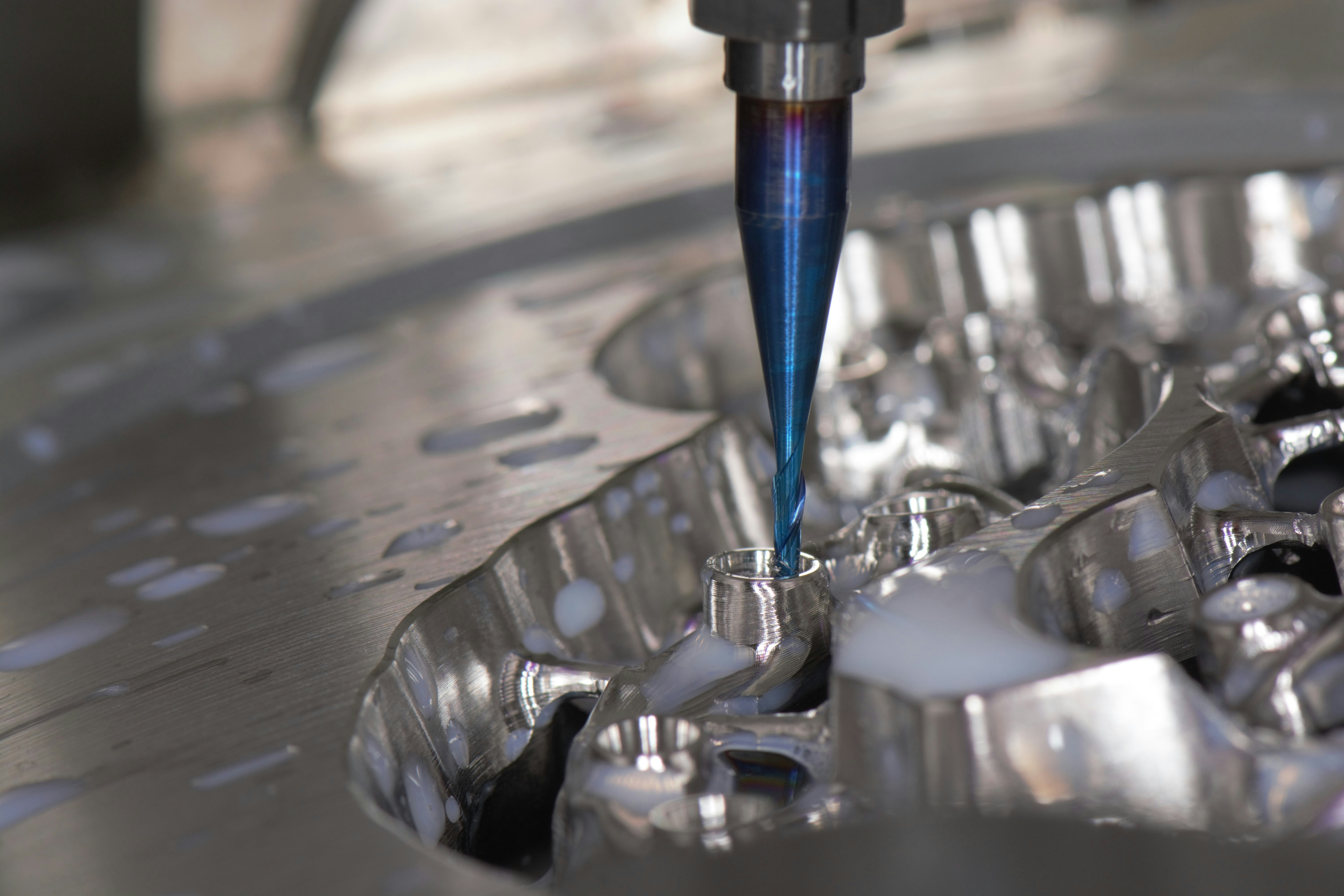
Introduction to CNC Machining
CNC machining, or Computer Numerical Control machining, refers to a manufacturing process that utilizes programmed computer software to control the movement of machinery and tools. This technology automates the control of complex machinery, such as lathes, mills, routers, and grinders, making it an essential part of modern manufacturing processes. By providing precise control over machining operations, CNC machining enhances productivity, reduces production times, and improves the overall quality of machined parts.
At the core of CNC machining lies the ability to translate a digital model created in CAD (Computer-Aided Design) software into a physical part. The CNC machine interprets the design information and executes movements with remarkable accuracy. This process is significant in various industries, as it allows for the rapid production of custom parts and components that meet rigorous specifications.
There are several types of CNC machines commonly utilized in manufacturing. These include CNC milling machines, which can cut and shape materials through rotational movements; CNC lathes, which perform turning operations on a rotating workpiece; and CNC plasma cutters, which use high-velocity jets of plasma to cut through materials. Each of these machines serves specific applications, showcasing the versatility of CNC machining technology.
Moreover, the processes involved in CNC machining can be categorized into various types such as drilling, milling, turning, and electrical discharge machining (EDM). Each process serves different manufacturing needs, allowing for the creation of intricate parts with high precision. As technology continues to evolve, CNC machining is becoming increasingly sophisticated, incorporating advancements like artificial intelligence and machine learning to further optimize production processes.
Benefits of Choosing China for CNC Machining Services
China has firmly established itself as a premier destination for CNC machining services, offering a multitude of benefits that appeal to businesses globally. One of the foremost advantages is cost-effectiveness. The competitive pricing of machining services in China is largely attributed to lower labor costs and economies of scale, which significantly reduce the overall manufacturing expenses. This enables companies to allocate their resources more efficiently, ultimately increasing their profit margins.
In addition to cost efficiency, China is at the forefront of technological advancements in the manufacturing sector. The adoption of state-of-the-art machinery and software facilitates precision in CNC machining, ensuring that components are produced with high accuracy and repeatability. This commitment to technology not only enhances the quality of the products but also speeds up the production processes, thereby meeting stringent deadlines without compromising standards.
Another key factor is the availability of a highly skilled labor force. China’s emphasis on technical education and vocational training has resulted in a workforce proficient in CNC machining techniques. These skilled professionals are adept at handling complex designs and specifications, which is critical for industries requiring precision-engineered components. Furthermore, with a robust infrastructure supporting manufacturing activities, including extensive transportation networks and logistical capabilities, China is well-positioned to meet the demands of large production volumes seamlessly.
This infrastructure not only facilitates the movement of raw materials and finished products but also supports rapid response times to customer needs. Companies leverage these advantages to streamline their supply chains, reducing lead times and enhancing overall competitiveness within the marketplace. Therefore, for businesses looking to source CNC machining services, the strategic benefits of choosing China are substantial, encompassing cost savings, advanced technology, skilled labor, and infrastructural support.
Types of CNC Machining Services Offered in China
In China, the availability of CNC machining services is extensive, catering to various industries and applications. One prominent service is CNC milling, which involves the removal of material from a workpiece using rotating cutting tools. This process is highly versatile and is employed in the manufacturing of complex shapes and intricate designs. CNC milling can work with a wide range of materials, including metals like aluminum and steel, as well as plastics. Industries such as automotive, aerospace, and electronics heavily rely on CNC milling to achieve precision components.
Another essential service is CNC turning. This involves the rotation of a workpiece against a cutting tool, shaping it primarily into cylindrical forms. CNC turning is adept at producing high-tolerance parts with smooth surfaces, making it suitable for manufacturing items like shafts, bushings, and rings. Materials commonly used in CNC turning include metals such as titanium and brass, among others. The medical and oil industries frequently utilize CNC turning processes to create customized components.
Grinding is another crucial CNC machining service offered in China. This process uses a rotating abrasive wheel to remove material, achieving a fine finish or precise dimensions on workpieces. Grinding is essential for applications that require tight tolerances and superior surface finishes, such as tooling and die manufacturing. The process can be applied to various materials, including hardened metals and ceramics. This service is indispensable in industries that prioritize high accuracy and reliability.
Lastly, Electrical Discharge Machining (EDM) is celebrated for its ability to machine hard metals with complex geometries that traditional methods may struggle to achieve. EDM uses electrical discharges to erode material from the workpiece, making it ideal for creating intricate shapes such as molds and dies. Materials such as hardened steel and carbide are commonly machined using EDM. Industries such as aerospace, automotive, and engineering benefit significantly from this precise and strategic machining service.
Understanding the CNC Machining Process
The CNC machining process is a highly sophisticated method for transforming raw materials into custom parts and components with precision. The process begins with the design phase, where engineers utilize computer-aided design (CAD) software to create 3D models of the desired products. These models allow for the visualization of intricate designs and provide a blueprint for the subsequent steps in the manufacturing process.
Once the design is finalized, it is converted into a format that machines can understand, typically G-code. G-code is a standardized language that dictates the movements of CNC machines, detailing how the machining tools should move, speed adjustments, and the specific paths they should follow. This translation of design to machine code is critical, as it ensures that all measurements are exact, enabling the CNC machine to create components that meet stringent specifications.
Next comes the prototyping stage, where a sample piece is produced. This crucial step helps identify any potential issues in the design or machining process, allowing for necessary adjustments before mass production. After any modifications are made, the CNC machining process moves into full-scale production. CNC machines, equipped with various tools such as milling heads and lathes, execute the manufacturing tasks with exceptional accuracy and repeatability.
As the components are machined, various finishing processes may be employed. This can include sanding, polishing, or coating to enhance the final product’s aesthetic and functional features. The precision of CNC machining ensures that these finishing touches are applied uniformly across all parts, maintaining quality and performance standards. Ultimately, the CNC machining process not only delivers high-quality products but also significantly reduces the risk of human error while optimizing production efficiency.
Quality Control in CNC Machining
Quality control is a critical component of CNC machining services in China, ensuring that the final products meet stringent international standards. To achieve this, companies implement various quality management systems and adhere to established protocols. One of the foremost methods employed for quality assurance is thorough inspection throughout the machining process. This includes initial inspections of raw materials, in-process checks, and final evaluations before the products are shipped to clients.
Inspection methods can vary depending on the specific requirements of a project. Common techniques include visual inspections, dimensional checks, and the use of advanced measurement tools such as coordinate measuring machines (CMMs). These methods allow for precise measurement of tolerances, which are crucial in CNC machining, as high precision is often required for components utilized in industries like aerospace, automotive, and medical devices. Tolerance levels in these sectors can sometimes reach as low as ±0.01 mm, underscoring the importance of meticulous inspection.
Furthermore, many CNC machining companies in China are certified to internationally recognized standards such as ISO 9001. This certification not only enhances their credibility but also demonstrates their commitment to maintaining consistent quality across all operations. By adopting a robust quality management system, these companies establish procedures for non-conformance, corrective actions, and continual improvement initiatives to mitigate errors proactively.
The importance of quality management cannot be overstated. It plays a vital role in ensuring that CNC machined products are not only functional and reliable but also compliant with customer specifications and regulatory requirements. Consequently, implementing effective quality control measures fosters customer trust and promotes long-term business relationships, crucial for companies competing in the global market.
Lead Times and Production Flexibility
In the realm of CNC machining services, lead times and production flexibility play a pivotal role in influencing client satisfaction and overall efficiency. Chinese manufacturers have increasingly recognized the necessity to manage their production schedules adeptly, allowing them to respond promptly to the varying demands of their clients. Lead times can fluctuate based on factors such as material availability, complexity of designs, and the overall volume of orders. Consequently, many factories employ advanced project management techniques to predict and meet client expectations effectively.
One of the significant advantages of CNC machining services in China is the capacity for rapid adjustments based on client needs. This flexibility not only includes accommodating rush orders but also involves the capability to pivot production techniques in response to evolving specifications or unforeseen challenges. Manufacturers often utilize sophisticated software that enables real-time monitoring of production processes, facilitating swift responses to changes in order parameters. Such adaptability is essential during peak demand periods, where manufacturers may need to scale operations or implement overtime shifts to deliver quality parts on time.
Another factor contributing to effective lead times is the integration of just-in-time (JIT) production methodologies, which minimize waste and streamline operations. By maintaining optimal inventory levels and relying on strategic partnerships with suppliers, Chinese CNC machining services can maintain a balance between high-quality outputs and swift turnaround times. For clients, this means a reduced waiting period for components, ultimately expediting their project timelines. The ability to provide quick responses not only fosters trust but also enhances collaboration, making it a vital aspect of CNC machining partnerships.
Choosing the Right CNC Machining Service Provider in China
When selecting a CNC machining service provider in China, several critical factors must be considered to ensure that the chosen partner meets the specific needs of your project. One of the foremost considerations is the company’s reputation. Companies with a solid track record of delivering high-quality results and positive customer feedback are typically more reliable. Reviews and testimonials can provide valuable insights into their service quality and reliability.
Experience also plays a pivotal role in the selection process. A service provider with extensive experience in CNC machining is likely to have encountered various challenges and can deliver more effective solutions. Inquire about the number of years the company has been in operation and the specific industries they have served. This background can be indicative of their capabilities and adaptability.
The technology capabilities of a CNC machining service provider are crucial. Ensure that they utilize advanced machinery and have access to the latest software. This not only impacts the precision of the machining process but also allows for greater flexibility in producing complex designs. Assessing their equipment and technology can reveal their ability to meet your specific project requirements.
Effective communication is another essential factor. A responsive and collaborative provider can significantly enhance the project experience. Evaluate how well the company communicates information, answers inquiries, and provides updates throughout the machining process. Clear communication can prevent misunderstandings and ensure that the project stays on track.
After-sales support is also a critical aspect to consider. A reliable service provider should offer post-production services such as follow-up assistance and warranty options. This commitment to customer satisfaction can be a distinguishing factor when choosing a CNC machining service provider in China. By carefully considering these factors, you can make an informed decision that aligns with your business goals.
Challenges and Considerations When Working with Chinese CNC Machining Services
Engaging with CNC machining services in China presents a unique set of challenges and considerations that international businesses must navigate. One significant obstacle is the potential for language barriers. While many Chinese manufacturers employ staff proficient in English, misunderstandings can still arise, which may lead to errors in production specifications or product delivery. To mitigate this issue, it is advisable to employ clear, concise communication and to confirm verbal instructions through written documentation. Utilizing visual aids, such as diagrams or sample products, can enhance understanding and reduce the likelihood of misinterpretation.
Another critical consideration is the concern regarding intellectual property (IP) protection. Many companies are apprehensive about sharing sensitive designs or proprietary information with manufacturers based in China due to fears of IP theft. To address these concerns, it is prudent to conduct thorough due diligence on potential partners, confirming their reputation and history of respecting intellectual property rights. Additionally, entering into non-disclosure agreements (NDAs) can provide an extra layer of security when sharing sensitive information.
Communication issues can also arise due to differences in working styles and business practices between Western and Chinese entities. For instance, response times may vary significantly, and time zones can complicate timely communication. Establishing regular check-ins through video conferencing or project management software can help streamline interactions and keep projects on track. Furthermore, cultural differences may influence negotiation styles and expectations; understanding these nuances can promote a more harmonious working relationship.
In navigating these challenges, companies can foster successful partnerships by prioritizing clear communication, diligent research, and respect for cultural differences, ultimately ensuring a smooth and efficient collaboration with Chinese CNC machining services.
Future Trends in CNC Machining in China
The landscape of CNC machining services in China is poised for significant transformation driven by rapid advancements in technology and innovations in manufacturing processes. One of the key trends shaping the future is the integration of automation and robotics into CNC machining operations. This not only enhances production efficiency but also improves precision and reduces operational costs. With the introduction of automated CNC machines, manufacturers can achieve higher levels of productivity while minimizing human intervention, which translates to consistent quality in machining.
Another promising development is the adoption of artificial intelligence (AI) within CNC machining processes. AI can facilitate real-time analytics, predictive maintenance, and process optimization, allowing for quicker response times to production demands and better resource management. By utilizing AI algorithms, companies can analyze data from their CNC machines to make informed decisions that could lead to increased accuracy and speed in production cycles. This integration of AI is set to redefine the efficiency and reliability of CNC machining services.
In addition to automation and AI, advancements in materials play a crucial role in the future of CNC machining in China. The ongoing research into composite materials and advanced alloys presents new opportunities for manufacturers. These materials not only offer improved properties such as lightweight and enhanced durability but also open up avenues for innovation in product design. Consequently, CNC machining services will be better equipped to cater to specific customer needs and expectations, thereby expanding their market reach.
These future trends in CNC machining services in China highlight a shift towards a more technologically driven industry. As automation, AI, and advanced materials become increasingly integrated into machining processes, clients can anticipate enhanced capabilities and expanded service offerings that will redefine their manufacturing possibilities. Staying informed about these trends will be essential for businesses seeking to remain competitive in the ever-evolving landscape of CNC machining.
References:
How to get ripped without steroids
References:
http://58.34.54.46:9092/fredericvalent
References:
Closest supplement to steroids
References:
http://36.133.248.69:3088/sandymcgahey46
References:
Best substance for muscle growth
References:
https://www.findinall.com/profile/leoradurbin395
References:
World abs pro stack reviews
References:
https://apyarx.com/@alvinsmothers?page=about
References:
Ripped muscle x ingredients
References:
http://34.17.182.140/haiwilbanks507/9113eduback.com/wiki/What-Are-the-Synergistic-Effects-of-Growth-Hormone-and-Testosterone%3F
References:
Dianabol dose
References:
https://itimez.com/@garrettr854940?page=about
References:
Online casino udbetaling og sikkerhed
References:
https://git.lucas-michel.fr/lenaw13764502
References:
Udbyttende
References:
http://adrestyt.ru/user/slavegrill24/
References:
Blackjack shoe
References:
https://mobidesign.us/employer/best-payid-casinos-in-australia-2026-for-secure-gaming