
Introduction to Machined Metal Parts
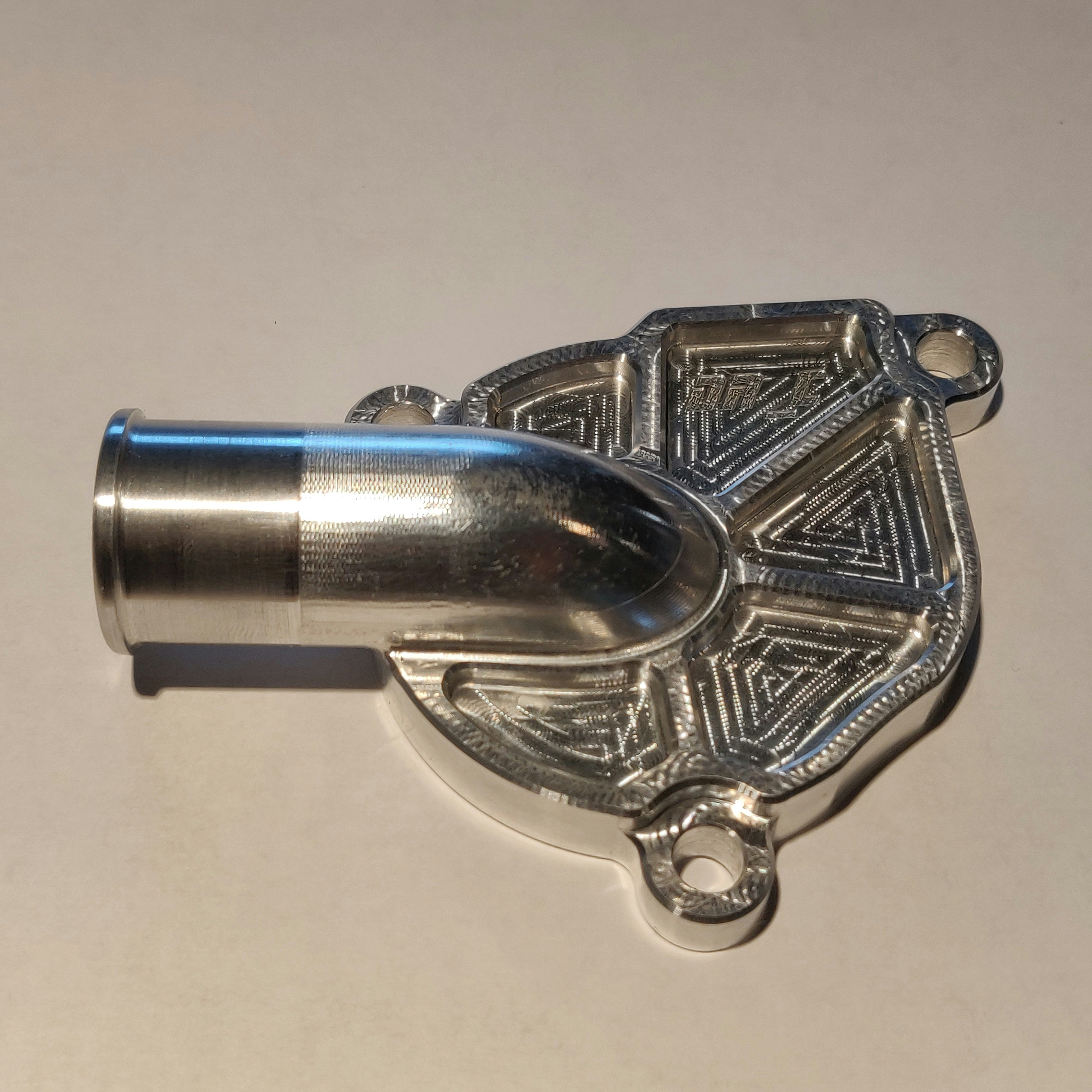
Machined metal parts are components created through various manufacturing processes which involve the removal of material from a solid block of metal. This process, known as machining, utilizes tools and techniques to achieve precise dimensions and finishes required in various applications. These parts are paramount in numerous industries, including aerospace, automotive, medical, and electronics, where accuracy and reliability are critical.
The significance of machined metal parts cannot be overstated. They serve as the backbone for many mechanical assemblies, ensuring that equipment operates efficiently and safely. For instance, in the aerospace sector, machined components are essential for the construction of aircraft frames, engines, and instruments, where even the slightest imperfection can lead to significant repercussions. Similarly, in the medical field, precision machined parts are vital for the production of surgical instruments and implants, underscoring the need for high levels of accuracy.
The production of machined metal parts typically encompasses several foundational processes. Initially, it involves material selection, where engineers must consider properties such as strength, weight, and corrosion resistance. Following selection, techniques like turning, milling, drilling, and grinding are employed to shape the material. Advanced technologies, such as computer numerical control (CNC) machining, have revolutionized the industry by enhancing precision and efficiency while reducing waste. These modern techniques allow for complex geometries and intricate designs that would be challenging to achieve through traditional methods.
Understanding the intricacies of machined metal parts not only highlights their importance in engineering and manufacturing but also sheds light on the technological advancements that drive this sector forward. This foundational knowledge is essential for grasping the more detailed discussions that follow regarding machining technologies, materials, and applications.
The Machining Process: An Overview
The machining process refers to a range of manufacturing techniques used to shape, cut, or finish materials, particularly metals, into precise components known as machined metal parts. Each method serves distinct purposes and utilizes specific principles, machinery, and tools. Among the most prevalent machining processes are turning, milling, drilling, and grinding.
Turning is primarily conducted on a lathe, where a rotating workpiece is shaped by a stationary cutting tool. This method is particularly effective for producing cylindrical parts, and it can achieve high precision. Common materials for turning include aluminum, brass, and steel, making it a versatile option for various applications, from automotive to aerospace industries.
Milling, on the other hand, involves the use of a rotating cutter that moves across the surface of the stationary workpiece to create complex shapes. This process can accommodate a wide array of materials and is often preferred for producing parts with intricate designs or precise geometric features. Vertical and horizontal milling machines are the two main types utilized, each catering to specific needs within manufacturing.
Drilling is a process dedicated to creating holes in materials, which can involve the use of various drill bits. The machines employed for drilling range from simple handheld tools to more complex CNC drilling machines. Drilling is essential in building components that require fastening or fluid passageways, and it is commonly used on metals, plastics, and composites.
Finally, grinding serves as a finishing process that employs abrasive tools to remove material from the workpiece surface, allowing for improved surface quality and tighter tolerances. This method is essential for achieving the final specifications, especially in high-precision components. Materials suitable for grinding include hardened steels and ceramics.
When comparing these machining methods, efficiency, cost-effectiveness, and intended application play significant roles in selection. Understanding the nuances of each process aids manufacturers in optimizing production methods to meet the demands of various industries.
Materials Used in Machined Metal Parts
The choice of materials in the production of machined metal parts significantly influences their performance characteristics, durability, and overall manufacturing costs. Various metals are utilized in machining processes, with aluminum, steel, brass, and titanium being among the most common options.
Aluminum is renowned for its lightweight properties, corrosion resistance, and excellent thermal and electrical conductivity. These attributes make aluminum an ideal choice for a range of applications, especially in industries such as aerospace and automotive. However, aluminum’s lower tensile strength compared to other metals can be a disadvantage for components subjected to heavy loads or extreme conditions.
Steel, particularly alloyed steel, is another popular material for machined parts due to its strength, hardness, and versatility. Depending on the specific alloy, steel can exhibit varying levels of flexibility and toughness, which allows it to be tailored for different applications. While steel exhibits excellent wear resistance and can withstand high temperatures, it is heavier and may be more prone to rust without proper treatment.
Brass, an alloy primarily composed of copper and zinc, offers good corrosion resistance and excellent machinability. Its aesthetic appeal makes it a favored choice for decorative applications. However, brass may not be as suitable for high-stress environments due to its relatively lower strength compared to steel.
Titanium is celebrated for its combination of high strength-to-weight ratio, corrosion resistance, and biocompatibility. These properties make titanium an ideal material for demanding applications, such as in the medical and aerospace fields. Despite its advantages, titanium is less cost-effective than other materials and is more challenging to machine, which can increase production costs.
Ultimately, the choice of material for machined metal parts hinges on balancing performance requirements, manufacturing capabilities, and budgetary constraints, ensuring optimal results for the end product.
Precision and Tolerances in Machining
Precision and tolerances play a critical role in the manufacturing of machined metal parts, impacting their performance and functionality in various applications. Tolerances refer to the allowable variations in dimensions and geometry, which are crucial for ensuring that each part meets the required specifications. In machining, parts are often produced to exact measurements, allowing for a small margin of error that is defined by this tolerance. This ensures consistency across production runs and compatibility with other components in an assembly.
The measurement of tolerances is typically expressed as numerical values, and they can be classified into several categories including geometric tolerances, dimensional tolerances, and surface finish tolerances. Tolerance levels are determined based on the specific requirements of the part’s application. For instance, tighter tolerances, such as ±0.001 inches, may be necessary for precision instruments, while looser tolerances might suffice for less critical components.
Precision in machining is essential as it directly impacts the performance, reliability, and longevity of the machined metal parts. Parts that are manufactured with high precision exhibit improved fit and function, reducing the likelihood of assembly issues or failures during operation. Additionally, precision machining decreases the need for additional finishing processes, which might lead to increased production efficiency and reduced costs. In industries such as aerospace, automotive, and medical devices, where safety and reliability are paramount, adhering to stringent precision and tolerance requirements is not merely a preference but a necessity.
Ultimately, the integration of proper tolerances into the design and manufacturing process of machined metal parts is directly correlated to the operational success of the final product. By understanding how tolerances are measured and their practical implications, manufacturers can better produce components that meet their intended purpose with exemplary accuracy.
Quality Control in Machined Parts Manufacturing
Quality control plays a crucial role in the manufacturing of machined metal parts, ensuring that the final products meet specific standards of reliability, functionality, and precision. Employing various quality control techniques helps manufacturers identify potential defects early in the production process, thus minimizing waste and ensuring that the components perform as expected in their intended applications.
One of the primary quality control techniques used is Statistical Process Control (SPC), which involves monitoring and controlling manufacturing processes through statistical methods. By analyzing data collected from the production process, manufacturers can detect variations that may lead to defects, allowing them to make necessary adjustments before problems escalate. Another widely utilized technique is the implementation of a quality management system (QMS), which provides a framework for consistent quality assurance practices throughout the manufacturing lifecycle.
Inspection methods, including visual inspection, dimensional measurement, and non-destructive testing (NDT), play an integral role in the quality control of machined metal parts. Visual inspection is often the first line of defense against defects, where trained inspectors evaluate parts for surface imperfections, while dimensional measurement involves using tools such as calipers and coordinate measurement machines (CMMs) to verify that parts conform to specified tolerances. Non-destructive testing, such as ultrasonic or radiographic testing, allows the identification of internal flaws without compromising the part’s integrity.
Furthermore, adherence to established certification standards, such as ISO 9001, ensures that manufacturers consistently produce high-quality products. These standards provide guidelines for document control, process management, and customer satisfaction, which are critical factors in maintaining a high level of quality in machined parts manufacturing. By systematically implementing quality control measures, manufacturers can assure their clients of the reliability and performance of the machined metal components, fostering trust and escalating production efficiency.
The Role of CAD/CAM in Machining
The integration of Computer-Aided Design (CAD) and Computer-Aided Manufacturing (CAM) has transformed the landscape of machining metal parts, significantly enhancing production efficiency and precision. CAD software allows engineers to create detailed 2D or 3D models of components, enabling the visualization of designs before physical production begins. This accuracy in design minimizes errors and accumulates cost savings in the long term by avoiding costly adjustments during the manufacturing process.
Furthermore, the utilization of CAM software optimally translates these CAD designs into specific machine commands. These commands guide CNC (Computer Numerical Control) machines in executing cuts, drills, and various operations with exceptional precision. The synergy between CAD and CAM facilitates the full automation of the machining process, thereby streamlining production workflows. This not only reduces manual labor but also significantly cuts down lead times, which is essential for meeting the fast-paced demands of today’s market.
In addition to efficiency, the integration of CAD/CAM technologies enhances the overall quality of machined parts. Advanced algorithms in CAM software can optimize tool paths, reducing material waste and maximizing productivity. Moreover, it allows manufacturers to run simulations that can predict potential issues before they occur on the shop floor, leading to a smoother manufacturing process with fewer disruptions.
As industries evolve, the importance of CAD/CAM in modern manufacturing becomes increasingly evident. Companies adopting these technologies are positioned to compete more effectively in the global market by harnessing the benefits of improved precision, reduced production times, and lower operational costs. Thus, the role of CAD/CAM cannot be overstated in the realm of machining metal parts; it is an essential component of contemporary manufacturing practices.
Applications of Machined Metal Parts
Machined metal parts play a pivotal role across various industries, demonstrating their versatility and critical importance in modern manufacturing. In the automotive sector, for example, these components are essential in the assembly of engines, transmission systems, and braking mechanisms. Precision-machined parts, such as crankshafts and camshafts, are crucial for ensuring optimal vehicle performance and efficiency. Their fabrication involves strict tolerances and quality standards, which are imperative for safety and reliability.
In the aerospace industry, machined metal components are integral to the design and functionality of aircraft. Parts such as landing gear, turbine blades, and structural frames must be manufactured to endure extreme environments and stress levels. The use of lightweight alloys, combined with robust machining processes, enables the reduction of overall aircraft weight, thereby enhancing fuel efficiency without compromising safety or performance.
The healthcare sector also benefits significantly from machined metal parts, particularly in the production of surgical instruments, implants, and medical devices. Components like orthopedic implants are precisely machined to ensure compatibility with human anatomy and functionality, aiding in successful surgical outcomes. Additionally, advancements in machining technology allow the custom fabrication of specialized instruments tailored to specific medical procedures.
Consumer electronics represent another area where machined metal parts are widely utilized. Devices such as smartphones, laptops, and industrial machinery often incorporate aluminum or stainless-steel components that ensure durability and aesthetic appeal. Machining techniques are used to create intricate designs that not only enhance the device’s functionality but also contribute to its overall design and marketability.
In summary, machined metal parts find applications in various industries by enhancing the functionality, safety, and aesthetic appeal of products. Their integral presence highlights the significance of precision machining in today’s technological landscape.
Future Trends in Machining Technology
As the machining industry continues to evolve, several emerging trends and technologies are poised to significantly influence the production of machined metal parts. One of the most notable developments is the increasing adoption of automation. Automated machining processes not only enhance productivity but also minimize human error, leading to higher precision in manufacturing. With the integration of robotics, manufacturers can streamline operations, reduce labor costs, and meet the growing demand for complex components with consistency.
Another transformative trend is the rise of additive manufacturing, commonly referred to as 3D printing. This technology allows for the layer-by-layer construction of components, providing unprecedented design flexibility. Additive manufacturing can produce intricate geometries that traditional machining may struggle to achieve, expanding the possibilities for product innovation. Additionally, it facilitates quicker prototyping, allowing designers and engineers to iterate their concepts much faster, thereby speeding up the development cycle for new products.
Moreover, advancements in machining tools and techniques are contributing to greater efficiency and enhanced capabilities within the industry. The introduction of smart tools equipped with sensors enables real-time monitoring of machining processes, allowing operators to make informed decisions based on performance data. Such innovations not only improve accuracy but also extend the lifespan of tooling, reducing costs associated with tool wear and replacement.
The confluence of these trends—automation, additive manufacturing, and enhanced machining tools—has the potential to revolutionize production efficiency and foster opportunities for product innovation. As these technologies mature, they are likely to redefine standards in quality and precision, which are crucial for the competitive landscape of the machining industry. Understanding these future trends will be essential for industry players seeking to maintain a competitive edge in a rapidly changing environment.
Conclusion and Recap
In summary, machined metal parts play an instrumental role across a variety of industries, facilitating the functionality and efficiency of countless applications. From aerospace to automotive sectors, the precision and reliability of these components are indispensable. Throughout this discussion, we have explored the intricacies involved in the machining process, including the methodologies, materials selected, and the technological advancements that continue to evolve within this field.
The manufacturing of machined metal parts is characterized by a meticulous attention to detail, where each step in the machining process—from material preparation to final inspection—ensures that the final product meets stringent specifications. Advanced techniques, such as Computer Numerical Control (CNC) machining, have transformed traditional practices, allowing for higher precision and repeatability. This technological innovation has not only improved product quality but has also optimized production timelines, making it possible to produce complex shapes and intricate designs that were previously unattainable.
Moreover, the array of materials used in machining, such as aluminum, stainless steel, and titanium, highlight the versatility of machined metal parts. Each material brings unique properties, enabling industries to select the most suitable option based on their specific requirements, whether it be lightweight construction, corrosion resistance, or high-temperature stability.
As industries continue to advance and evolve, the importance of understanding the complexities of machined metal parts cannot be overstated. Professionals and decision-makers within various sectors should remain cognizant of the latest trends and technological advancements in machining. By doing so, they can make informed choices that will enhance productivity and innovation in their respective applications. The future of machined metal parts is one filled with promise, driven by continuous improvement and a dedication to excellence in manufacturing.