
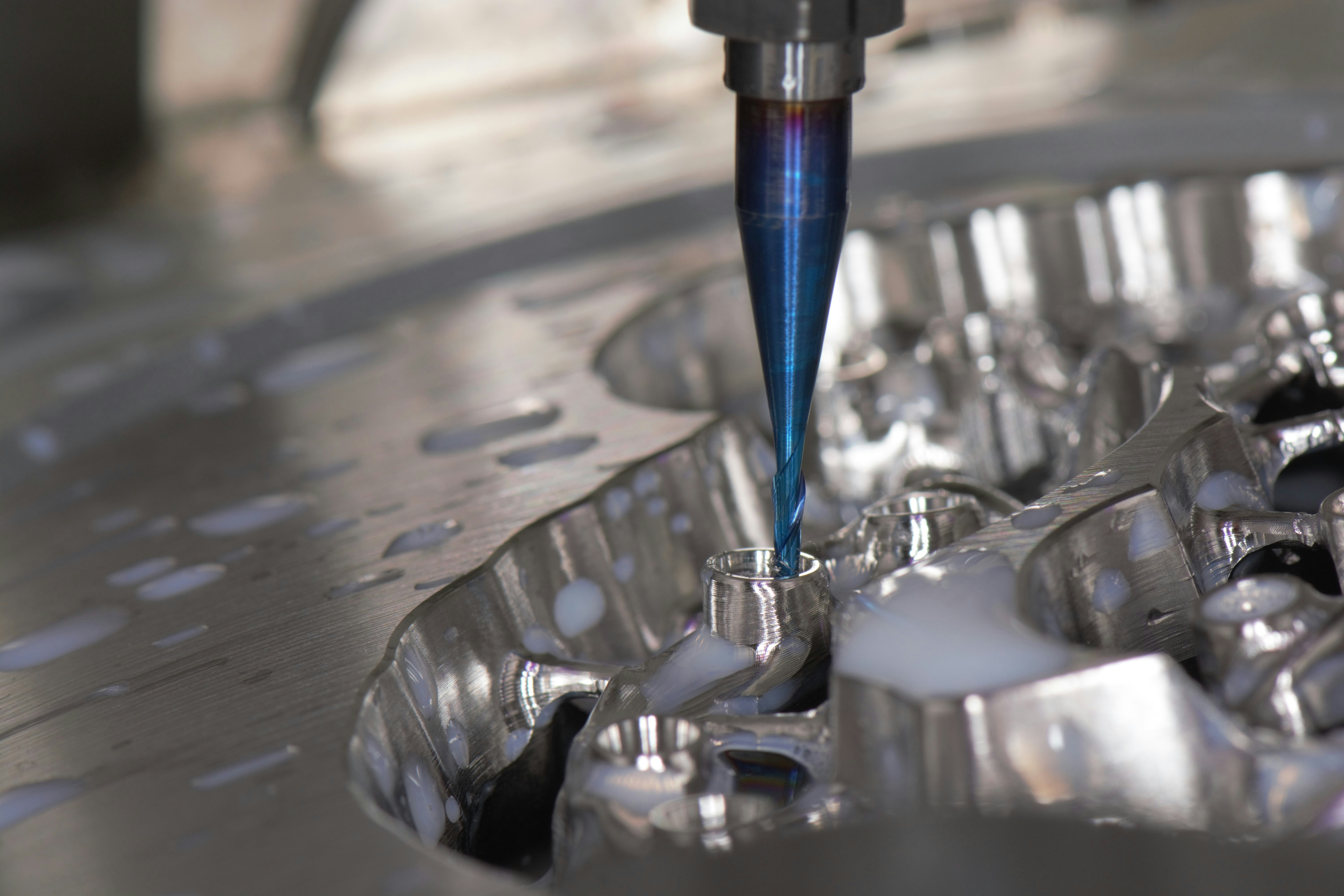
Introduction to Swiss CNC Machining
Swiss CNC machining is a highly specialized manufacturing process known for its advanced precision and efficiency, primarily used for producing small and intricate components. The technology originated in Switzerland in the late 19th century, where it was initially developed to produce watch components with incredible accuracy. As industries sought ways to enhance precision in their production processes, Swiss CNC machining gained traction, evolving into a staple in the manufacturing landscape.
One of the hallmark features of Swiss CNC machines is their ability to operate with exceptional precision. These machines utilize a sliding headstock design that allows for the workpiece to be fed continuously through the cutting tools. This unique mechanism is instrumental in reducing the length of cut and increasing the overall efficiency of the machining process. The result is the production of complex geometries with tight tolerances, which are critical for applications in sectors such as aerospace, automotive, and medical device manufacturing.
Over the years, the evolution of Swiss CNC machining has incorporated advanced computational technologies and automation. Modern Swiss CNC machines are equipped with multi-axis capabilities, which allow for more complicated shapes and features to be achieved in a single operation. This not only streamlines the production process but also minimizes the need for secondary operations, thus reducing operational costs and time. The field has seen the integration of computer numerical control (CNC) systems that enable precise programming and control over the machining process, further enhancing accuracy and consistency.
Today, Swiss CNC machining has expanded well beyond its original watchmaking roots, serving a diverse range of industries with its unmatched capabilities. Manufacturers who adopt Swiss CNC technology benefit from the ability to produce high-quality, complex parts rapidly, thus maintaining a competitive edge in the global market.
How Swiss CNC Machining Works
Swiss CNC machining represents a unique method of manufacturing precision components, particularly in small to medium-sized quantities. This process is distinguished by its sliding headstock design, which allows for enhanced accuracy and efficiency in the machining of intricate parts. The sliding headstock moves to maintain close proximity between the tool and the workpiece, thereby reducing vibrations and enhancing precision throughout the cutting process.
A typical Swiss CNC machine consists of several core components, including the main spindle, tool holders, and a guided support system. The main spindle, which drives the tools, is mounted on a sliding headstock that travels along the length of the machine. This design allows for continuous feeding of the material while maintaining alignment, which is crucial for achieving tight tolerances.
The machining process can be broken down into multiple steps. First, a raw bar of material is loaded into the machine and secured within the main spindle. As the spindle rotates, the sliding headstock translates forward, positioning the cutting tool against the material. The integration of multiple tool holders enables simultaneous operations, such as turning, milling, and drilling, allowing for the efficient fabrication of complex geometries in a single setup.
As the process continues, coolant is often applied to help manage heat and improve the quality of the machined surface. This attention to temperature control is paramount, as excessive heat can lead to material distortion or tool wear. Upon completion of the machining cycle, the finished part is ejected, revealing a precisely manufactured component ready for further inspection and assembly. Overall, the power of Swiss CNC machining lies in its ability to produce repeatable quality through a well-orchestrated interplay of advanced mechanics and automation.
Benefits of Swiss CNC Machining
Swiss CNC machining, known for its exceptional precision and craftsmanship, has become an indispensable technology in various industries, including aerospace, automotive, and medical manufacturing. One of the most significant advantages of this method is its ability to achieve high precision in the production of components. Swiss machines utilize a unique sliding headstock mechanism that allows for unmatched accuracy, which is particularly crucial in sectors where tolerances are stringent and exact dimensions are required. This inherent precision minimizes the risk of material waste and rework, thereby streamlining production processes.
Another notable benefit is the capability of Swiss CNC machining to create intricate designs that are often unachievable with traditional methods. The machines’ technological sophistication allows for the fabrication of complex geometries with ease, making them ideal for applications requiring detailed features. For example, in the medical device industry, Swiss CNC machining has been instrumental in producing intricate components, such as surgical tools and implants, ensuring they meet exact specifications while maintaining functionality.
Reduced lead times are an additional advantage, driven by the efficiency of automated processes in Swiss CNC machining. By securing multiple operations in a single setup, manufacturers can significantly decrease the time required to finish a project. This efficiency translates to faster delivery to clients, allowing businesses to remain competitive in an evolving market landscape. Moreover, Swiss CNC machining caters to superior material usage as it converts raw materials into finished products with minimal waste, optimizing material costs and enhancing sustainability.
For instance, companies utilizing Swiss CNC machining have reported substantial improvements in productivity and lower operational costs, further emphasizing the technology’s pervasive advantages. Such benefits make Swiss CNC machining an appealing option for engineers and manufacturers seeking reliable and innovative solutions for their production needs.
Applications of Swiss CNC Machining
Swiss CNC machining is a highly versatile manufacturing technique that serves a broad range of applications across several industries. One of the most significant sectors utilizing this technology is the medical device industry. Precision engineering is crucial here, as medical devices often have stringent regulatory requirements and must meet high-performance standards. Components such as surgical instruments, implants, and diagnostic equipment are frequently produced using Swiss machining processes, thanks to the method’s accuracy and ability to create intricate geometries.
Another key application of Swiss CNC machining can be found in the aerospace industry, where lightweight and durable components are paramount. Swiss machining allows for the production of highly complex parts, such as airframe components and turbine blades, which must endure extreme conditions while complying with rigorous safety standards. The ability to work with a variety of materials, including titanium and aluminum alloys, further expands Swiss CNC machining’s applicability within this sector, enabling the creation of components that are both resilient and lightweight.
In the automotive industry, Swiss CNC machining proves invaluable for producing precision components like fuel injectors, brake fittings, and gear parts. The method’s capability to maintain tolerance levels in the micrometer range ensures that these critical components function effectively under high-stress conditions. As vehicles become increasingly advanced and integrated with technology, the need for high-quality, finely crafted parts continues to grow, which Swiss CNC machining adeptly addresses.
Lastly, industries such as electronics and consumer goods also benefit greatly from Swiss CNC machining. The production of small, intricate parts like connectors, housings, and electronic components leverages the method’s efficiency and precision, allowing manufacturers to meet the demanding specifications required in these fields. Overall, the diverse applications of Swiss CNC machining across various sectors highlight its role as a pivotal technology in modern manufacturing.
Choosing the Right Swiss CNC Machine
When selecting a Swiss CNC machine, several crucial factors come into play that can significantly impact your production efficiency and overall business performance. First and foremost, one must consider the size of the parts you intend to produce. Swiss CNC machines are renowned for their ability to handle small, intricate components. Ensuring that the machine’s capacity aligns with your required part dimensions is essential for optimal performance.
Another critical factor is the complexity of the parts. Depending on the design specifications, some components may feature intricate geometries that necessitate advanced machining capabilities. Higher-end Swiss CNC machines often come equipped with multi-axis machining options that can streamline the production of complex geometries. Thus, evaluating the technical complexities of the parts you plan to manufacture will guide your machine selection towards one that meets these demands effectively.
Production volume is another important consideration. If your operations require batch production of a large quantity, investing in a high-speed, efficient Swiss CNC machine would be prudent. Conversely, if your production is limited to small batch sizes or prototyping, a machine with a lower output capacity may suffice. To ensure that the machine can handle your intended production volume without compromising on quality, it’s advisable to perform a thorough analysis of your workflow requirements.
Budget constraints also play a pivotal role in the decision-making process. Swiss CNC machines vary significantly in price, influenced by factors such as their capabilities and feature set. It is vital to establish a budget that reflects not only the purchase price but also the long-term operational costs, including maintenance and potential upgrades. Key features to consider before making a purchase include spindle speed, tooling options, and control software, which can enhance your machining capabilities and productivity.
Challenges and Limitations of Swiss CNC Machining
Swiss CNC machining, while renowned for its precision and efficiency, does present several challenges and limitations that must be taken into consideration. One of the primary hurdles associated with this advanced manufacturing technique is the initial capital investment required to acquire the machinery. The cost of Swiss CNC machines can be significantly higher than that of traditional machining equipment. This initial expense can deter smaller manufacturers from adopting the technology, thereby limiting its widespread implementation.
Moreover, the operation of Swiss CNC machines requires highly skilled personnel. Operators must possess not only technical knowledge of CNC programming but also an understanding of the intricacies involved in tooling and setup. As a result, the demand for skilled operators can lead to increased operational costs and potential staff shortages in environments where precision machining is necessary. This reliance on specialized talent can create barriers for companies that are looking to enter the Swiss machining market without prior expertise.
Additionally, Swiss CNC machining has limitations concerning the types of materials it can efficiently process. While it excels in machining metals like stainless steel, aluminum, and brass, it may not be suitable for certain composite materials or complex geometries that require extensive secondary operations. Such constraints can impact the design choices available to engineers and designers, potentially limiting the scope of projects that can be effectively executed using this method.
In conclusion, although Swiss CNC machining offers remarkable precision and efficiency, the challenges related to initial costs, the need for adept operators, and material limitations present significant considerations. Manufacturers must weigh these factors against the advantages to determine whether this technology aligns with their operational needs and capabilities.
Future Trends in Swiss CNC Machining
As the manufacturing industry continues to evolve, Swiss CNC machining is poised for considerable transformation driven by technological advancements. One of the most notable trends is the increased adoption of automation within machining processes. Automation not only increases production efficiency but also enhances precision by minimizing human error. With robotics and automated systems increasingly integrated into machining operations, Swiss manufacturers can expect shorter cycle times and improved overall productivity.
Another significant trend on the horizon is the rise of smart manufacturing. This approach leverages the Industrial Internet of Things (IIoT), enabling machines and systems to communicate seamlessly. By embedding sensors and connectivity features in CNC machinery, manufacturers can collect real-time data on metrics such as performance, wear, and operational health. This information can be analyzed to optimize processes, facilitate predictive maintenance, and improve resource planning, thereby promoting operational efficiency.
Artificial Intelligence (AI) is also expected to play an integral role in the evolution of Swiss CNC machining. AI algorithms can analyze vast amounts of data from machining processes to identify patterns and insights that human operators might overlook. This capability not only aids in decision-making but also enables self-optimizing machines that can adapt to changing conditions on the shop floor. The integration of AI into Swiss CNC machining will likely lead to enhanced customization options for clients, as manufacturers can quickly adjust specifications to meet diverse customer demands.
The push for sustainability is another influencing factor shaping the future of Swiss CNC machining. With increasing pressure to reduce environmental impacts, manufacturers are now focusing on creating more energy-efficient machines and utilizing eco-friendly materials. This trend aligns with the global movement towards sustainable manufacturing practices and demonstrates a commitment to responsible production.
Case Studies in Swiss CNC Machining
Swiss CNC machining has gained prominence due to its precision and efficiency in producing complex components across various industries. To better understand its impact, we present several detailed case studies that highlight the successful implementation of Swiss CNC machining in different companies. Each case study reveals specific challenges, solutions, and the significant outcomes achieved through the utilization of this advanced manufacturing technique.
One notable case study involved a leading aerospace manufacturer that faced stringent regulatory compliance and material requirements when producing critical engine components. The company struggled with standard machining processes that failed to meet the precise tolerances required. By transitioning to Swiss CNC machining, they were able to enhance accuracy and reduce cycle times. The implementation resulted in a 30% improvement in production efficiency and a reduction in waste material, ultimately leading to enhanced product quality and customer satisfaction.
In another case, a medical device company sought to improve the fabrication of intricate parts used in surgical tools. Traditional machining methods were unable to adequately address the intricate designs and tight tolerances necessary for these applications. Through the adoption of Swiss CNC technology, the company not only achieved the accuracy required but also streamlined its production process. This shift allowed for the elimination of multiple setups, which drastically cut lead times and elevated the overall productivity of the facility by over 40%.
Lastly, a telecommunications firm encountered issues with the mass production of small, detailed components essential for mobile devices. These parts often had high fabrication costs and lengthy manufacturing times. By integrating Swiss CNC machining into their operations, the company managed to reduce per-unit costs significantly while maintaining high standards of precision and consistency. Enhanced production speed and cost efficiency led to an impressive increase in market share within the competitive telecommunications sector.
These case studies demonstrate the practical benefits and transformative power of Swiss CNC machining across diverse industries. The ability to address specific challenges with tailored solutions emphasizes its role as a critical driver of technological advancement in modern manufacturing.
Conclusion
In summary, Swiss CNC machining stands as a pivotal technology in the realm of modern manufacturing, characterized by its unique ability to produce high-precision parts efficiently. The discussions throughout this blog post have highlighted the critical features of this machining method, including its exceptional accuracy, the capability to handle complex geometries, and the efficiency it brings in terms of production time and material usage. These advantages position Swiss CNC machining as a preferred choice for industries that require meticulous craftsmanship, such as aerospace, medical, and automotive sectors.
As manufacturers seek to enhance productivity while maintaining quality standards, integrating Swiss CNC machining into their operations could result in significant competitive advantages. The versatility of this technology enables businesses to adapt to fluctuating demands and innovate in product design, thus fostering growth and sustainability. Furthermore, the reliability and consistency of Swiss CNC systems can reduce waste and operational costs, making them an economically sound investment for long-term success.
For those considering the adoption of Swiss CNC machining, it is essential to assess the specific needs of your industry and evaluate how this technology can be integrated with existing processes. Collaborating with experienced suppliers and investing in training for personnel can also facilitate a smoother transition to this advanced machining workflow. Innovations in Swiss CNC technology continue to evolve, bringing new capabilities and efficiencies, emphasizing the importance of staying informed about developments in this field.
Ultimately, as you reflect on the implications of Swiss CNC machining for your own operations, it may be worthwhile to engage with industry experts or visit manufacturing demonstrations. Doing so can provide deeper insights into potential applications and the transformative effects this technology might offer within your respective industry.
**mitolyn official**
Mitolyn is a carefully developed, plant-based formula created to help support metabolic efficiency and encourage healthy, lasting weight management.