
Introduction to Acrylic CNC Machining
Acrylic CNC machining represents a sophisticated process that utilizes computer numerical control technology to fabricate intricate components from acrylic materials. In its essence, CNC machining allows for the precise manufacturing of parts by automating the movement of cutting tools, thereby ensuring accuracy and repeatability. When applied specifically to acrylic materials, this method leverages the inherent properties of acrylic, which include clarity, strength, and flexibility, making it an ideal choice across various industries.
The importance of acrylic CNC machining lies not only in its ability to produce complex geometries but also in the myriad of advantages that acrylic offers over alternative materials. One notable benefit is its versatility; acrylic can be easily machined into a wide range of shapes and sizes, catering to diverse design requirements. Furthermore, its aesthetic appeal, characterized by its crystal-clear finish and ability to be easily colored or textured, makes acrylic an attractive option for products where visual impact is paramount. The cost-effectiveness of acrylic compared to other materials, such as glass or polycarbonate, also enhances its appeal, providing an efficient solution for businesses aimed at maximizing return on investment.
Acrylic CNC machining finds applications in numerous fields including signage, automotive parts, architectural features, and custom displays. Its adaptability enables manufacturers to address specific needs within these sectors, ranging from creating signage that needs to grab attention to crafting intricate components for machinery. As the demand for precision components continues to rise, understanding the capabilities and benefits of acrylic CNC machining becomes increasingly vital for businesses striving to remain competitive in their respective markets.
The CNC Machining Process for Acrylic
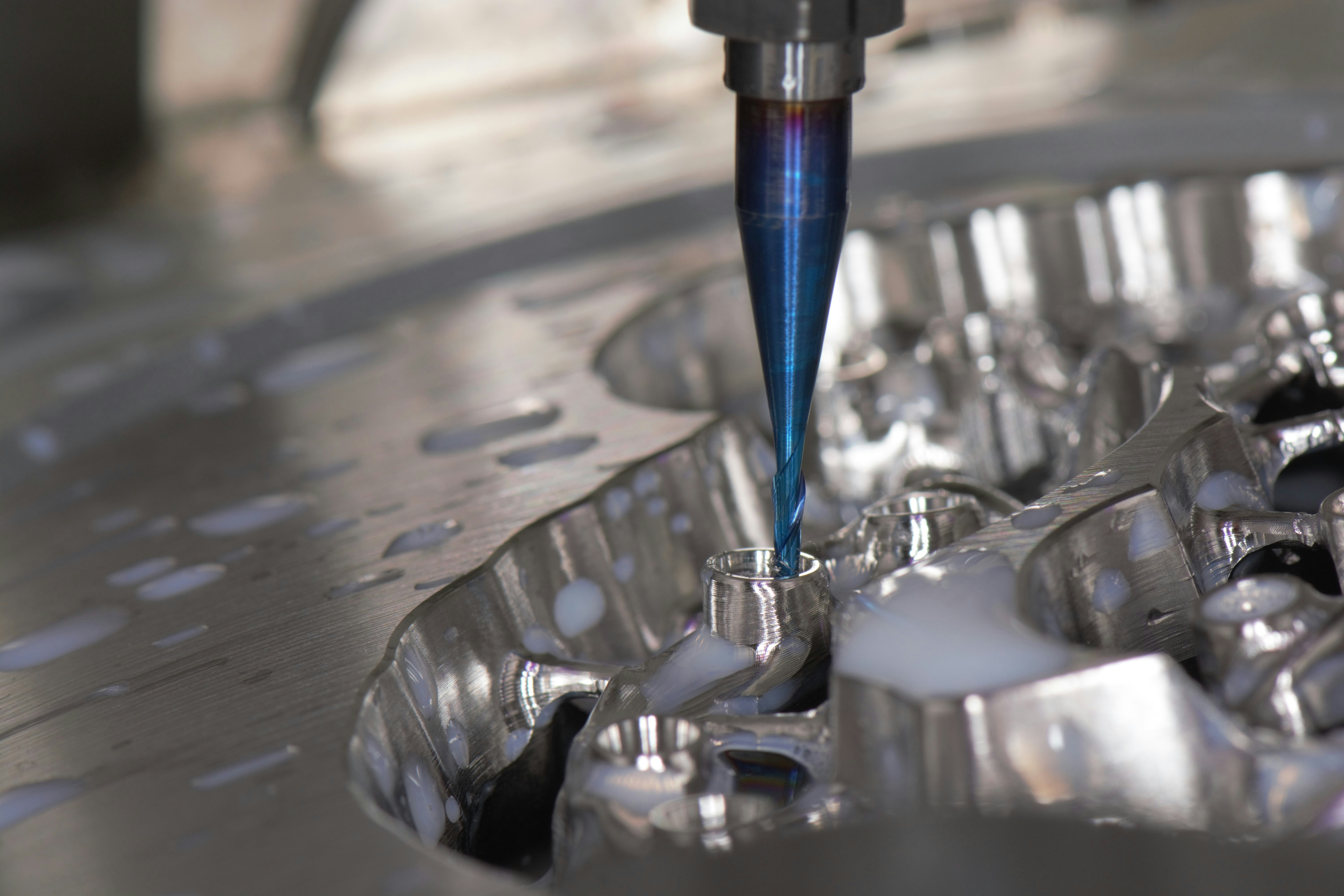
The CNC (Computer Numerical Control) machining process for acrylic materials involves several intricate steps designed to achieve precision and a high-quality finish. At the core of this process are various types of CNC machines, including CNC routers, milling machines, and laser cutters, each serving a distinct purpose depending on the desired outcome. CNC routers are particularly popular for machining acrylic due to their capability to perform tasks such as cutting, engraving, and shaping with a high degree of accuracy.
When it comes to selecting the right tools for CNC machining acrylic, the choice often involves specialized bits designed for plastics. This includes spiral up-cut bits for cutting and engraving, which help clear chips away from the work surface, thereby preventing overheating and achieving cleaner edges. The proper physics of machining acrylic materials also emphasizes the importance of selecting appropriate feed rates and spindle speeds. Generally, a slower feed rate is advised, as it reduces the risk of melting the material during cutting processes. Spindle speed should be adjusted based on the thickness of the acrylic and the specific tooling in use, ensuring that optimal conditions are maintained.
Best practices when routing, engraving, or drilling acrylic involve not only careful setup of the CNC machine but also consideration of cooling methods. Utilizing compressed air can help to keep the material cool while machining, further preventing any malformations. Furthermore, this enhances the quality of the finish by reducing the chances of chipping or cracking. Adhering to these techniques and taking the necessary precautions during machining will not only ensure precision but also result in a superior final product that meets the industry standards.
Advantages and Challenges of Acrylic CNC Machining
Acrylic is increasingly popular in various industries due to its substantial advantages when utilized in CNC machining. One of the primary benefits of acrylic is its lightweight nature, making it an ideal choice for applications where weight is a crucial factor, such as in aerospace and automotive components. Additionally, acrylic exhibits exceptional durability compared to traditional glass, offering impact resistance that contributes to longevity and reliability. Its transparency and ability to be easily colored also enhance its aesthetic appeal, making it a favored material in signage and decorative objects.
However, despite these benefits, acrylic CNC machining does present its own set of challenges. One significant issue is the propensity of acrylic to melt when subjected to high cutting speeds and inadequate cooling. This melting can lead to poor cut quality and may even damage the finished product. Furthermore, chipping is a concern during the machining process, particularly at the edges and corners, which can affect the aesthetic properties of the final piece. Static buildup is also a challenge when working with acrylic, potentially attracting dust and debris, thereby diminishing its clarity and appearance.
To effectively mitigate these challenges, several strategies can be employed. Adjusting machine settings, such as lowering spindle speed and feed rate, can help reduce heat, thus minimizing melting. Additionally, selecting the appropriate tools, such as specialized acrylic bits, can significantly reduce chipping risks. Employing cooling techniques, such as compressed air or misting, can alleviate heat buildup during the machining process. By understanding the inherent advantages and challenges of acrylic CNC machining, users can make informed decisions that enhance the quality and precision of their projects while maximizing the benefits of this versatile material.
Applications and Future Trends in Acrylic CNC Machining
Acrylic CNC machining has become increasingly prevalent across various industries due to its versatility, durability, and aesthetic appeal. One of the most notable applications lies in the signage sector, where machinists utilize acrylic to create striking and illuminated signs that enhance brand visibility. For instance, companies have successfully executed projects involving custom acrylic signs that serve both functional and artistic purposes, making them a standout feature in retail and corporate environments.
In architecture, acrylic CNC machining has transformed how designers conceptualize and implement structures. Architects are now able to incorporate acrylic elements, such as transparent walls and skylights, enabling natural light to illuminate indoor spaces while maintaining energy efficiency. This innovative use of acrylic not only serves practical functionalities but also offers modern design aesthetics that appeal to contemporary sensibilities.
Another prominent application can be found in display manufacturing, where acrylic is favored for its clarity and strength. Retail displays crafted through CNC machining are both robust and visually appealing, allowing for high-impact presentation of products. For instance, high-end boutiques integrate intricately machined acrylic components to showcase luxury items, creating an immersive customer experience.
Moreover, in the realm of furniture design, acrylic CNC machining has emerged as a preferred method for crafting unique and artistic pieces. Designers leverage acrylic’s capability for intricate detailing to produce one-of-a-kind furniture that resonates with the desires of modern consumers looking for distinctive home decor.
Looking to the future, advancements in technology are expected to further enhance acrylic CNC machining capabilities. Innovations may lead to new applications, including the development of eco-friendly materials, as sustainability practices grow in importance within design and manufacturing sectors. As demand for customized and sustainable acrylic products continues to rise, it’s clear that the future of acrylic CNC machining is poised for exciting growth.