
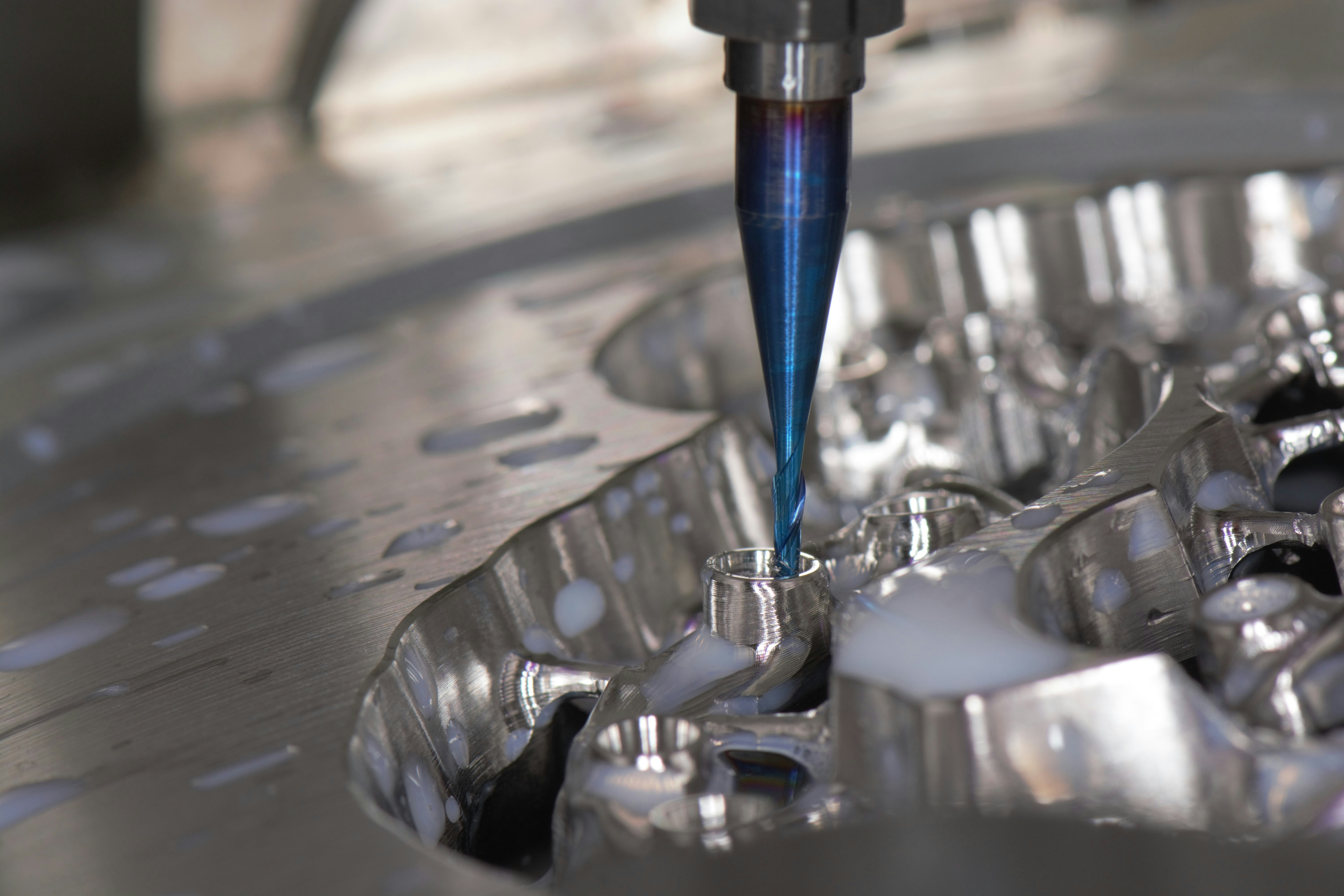
Introduction to CNC Machining in the Medical Industry
CNC machining, or Computer Numerical Control machining, has emerged as a pivotal technology in the medical industry, revolutionizing the production of medical components with its precision and efficiency. This sophisticated process utilizes computer software to control machine tools, enabling the creation of intricate designs that are often needed in medical applications. One of the most significant advantages of CNC machining is its ability to maintain high levels of accuracy consistently, which is crucial in a field where even minor deviations can lead to serious consequences.
The complexity of modern medical devices necessitates a manufacturing process that can accommodate a wide range of specifications. CNC machining stands out in this context, as it can produce highly complex geometries that might be impossible with traditional manufacturing methods. This capability allows for the fabrication of customized parts tailored to the specific requirements of different patients, thus fulfilling the growing demand for bespoke medical solutions. This customization aspect is essential within the realm of orthopedic implants, surgical instruments, and dental devices, where each component must fit perfectly to ensure optimal performance.
Moreover, the integration of CNC technology in the medical sector enhances production efficiency. With automated processes, manufacturers can significantly reduce lead times while increasing output rates. This efficiency is particularly important in the healthcare industry, where urgency often dictates the timely availability of medical devices. The synergy of precision and efficiency provided by CNC machining not only elevates manufacturing capabilities but also contributes to improving patient outcomes by ensuring the reliability of medical devices.
As the medical industry continues to evolve, the reliance on CNC machining seems poised to grow, driven by technological advancements and an increasing need for customized solutions. The future of medical parts manufacturing looks promising as CNC capabilities expand, further emphasizing the importance of this technology in creating a healthier tomorrow.
Types of Medical Parts Produced by CNC Machining
CNC machining plays a crucial role in the production of various medical parts, which are essential for the functionality and success of medical procedures and devices. Among the different types of medical components produced through this method, surgical instruments hold significant importance. Instruments such as scalpels, forceps, and scissors are manufactured with high precision to ensure optimal performance during surgical procedures. CNC machining allows for intricate designs and precise dimensions, which enhance the effectiveness and safety of these tools.
Another critical category of medical parts is implants. These custom-manufactured components are used in numerous applications, including orthopedic and dental surgery. Implants, such as hip and knee prosthetics, require a high degree of accuracy to ensure proper fit and functionality. CNC machining facilitates the production of these complex shapes from biocompatible materials such as titanium and stainless steel, ensuring patient safety and longevity of the implants.
Prosthetics represent yet another important application of CNC machining in the medical field. Customized prosthetic devices, such as limbs or facial prosthetics, benefit from the technology’s ability to create lightweight and durable components. Advanced materials like carbon fiber and plastics are often employed, enhancing comfort and usability for patients. CNC machining enables the detailed customization to match individual patient needs, which is essential for improving quality of life.
Moreover, diagnostic equipment is extensively manufactured using CNC machining processes. Components such as housings for ultrasound machines, CT scanners, and laboratory equipment require precision and reliability. The accuracy ensured by CNC machining not only improves the performance of these devices but also plays a fundamental role in diagnostic accuracy. By employing specific materials like aluminum or polycarbonate, manufacturers can produce robust and efficient medical devices.
The diversity of medical parts manufactured through CNC machining showcases its unparalleled ability to meet the stringent requirements of the healthcare industry, emphasizing its impact on medical advancements.
Advantages of CNC Machining for Medical Parts
CNC machining has emerged as a pivotal technology in the manufacturing of medical parts, characterized by its precision and efficiency. One of the most significant advantages of CNC machining is its unparalleled precision. Unlike traditional manufacturing methods, CNC machines utilize computer numerical control to execute intricate designs with extreme accuracy. This capability is particularly crucial in the medical field, where even the smallest deviations can impact product efficacy and patient safety.
Consistency is another vital benefit offered by CNC machining. Once programmed, CNC machines can produce parts that meet exact specifications repeatedly without variation. This level of consistency is essential in the production of medical devices, such as surgical instruments and implantable components, where uniformity directly correlates with quality and reliability. With CNC technology, manufacturers can ensure that each part adheres to stringent industry standards, minimizing variability that could lead to complications.
The scalability that CNC machining provides is particularly advantageous for medical manufacturers. Whether producing small batches for a clinical trial or large quantities for commercial distribution, CNC machines can adapt quickly to changing production demands. This flexibility allows manufacturers to optimize their processes, reduce lead times, and respond efficiently to market needs.
Another important factor is the significant reduction of human error. Traditional manufacturing methods often rely on manual operations, increasing the chance of mistakes during part fabrication. CNC machining automates the manufacturing process, thereby minimizing the risk of human error and enhancing overall safety in medical applications.
Furthermore, CNC machining excels in producing intricate designs that are integral to modern medical devices. Its ability to create complex geometries and customized shapes allows manufacturers to innovate continually. Compared to conventional methods, CNC technology provides substantial improvements, ensuring that medical parts are not only functional but also optimized for performance and safety.
The Future of CNC Machining in Medical Applications
The landscape of CNC machining in medical applications is poised for significant transformation as a result of emerging trends and technological advancements. One of the predominant trends is the integration of advanced software solutions that facilitate enhanced precision and efficiency. With the incorporation of artificial intelligence (AI) and machine learning algorithms, CNC machines can achieve a level of adaptability that allows for real-time adjustments during the manufacturing process. This can significantly reduce errors and enhance the quality of medical components, particularly in industries such as prosthetics and surgical instruments.
Moreover, the introduction of new materials suitable for CNC machining is set to revolutionize the types of medical products that can be produced. Biocompatible materials and composites are increasingly becoming available, allowing manufacturers to create components that not only meet stringent regulatory standards but also improve patient outcomes. As CNC machining continues to evolve, the ability to work with innovative materials will lead to more customized solutions that cater to individual patient needs.
Another groundbreaking development is the intersection of CNC machining and 3D printing technology. By combining additive and subtractive manufacturing techniques, manufacturers can leverage the strengths of both processes to create complex geometries that were previously unattainable. This synergy not only enhances the efficiency of medical parts production but also allows for rapid prototyping, enabling faster innovation cycles and quicker turnaround times for new medical devices.
However, these advancements are not without challenges. Regulatory considerations will become increasingly critical as new technologies and materials are introduced. It is essential for manufacturers to stay abreast of evolving standards and compliance requirements to ensure that their products are both safe and effective. Additionally, workforce training and skill development will be necessary to fully harness the potential of these technologies, ensuring that the medical manufacturing ecosystem can adapt to these changes effectively.
Wanledecnc provides high-quality prototyping, low and large-volume manufacturing services to support your product development needs. Our international team will work with you to make your product ideas a reality through high-tech CNC equipment and ensure your parts are shipped on time.
If you’re looking for the right machine shop in China, we’re your source!