
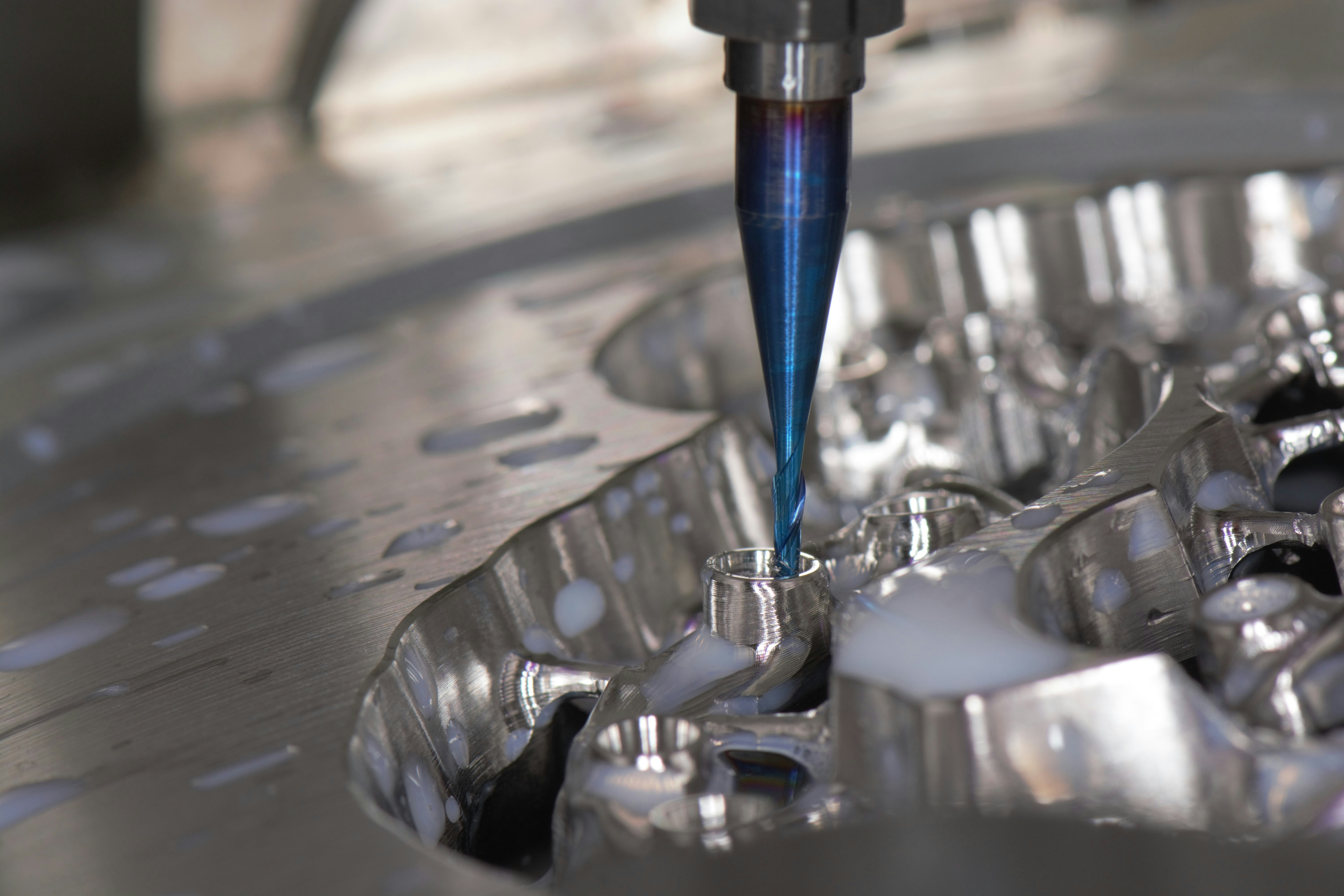
Introduction to Swiss-Type Machining
Swiss-type machining is a highly precise manufacturing process that has gained notable significance in the modern industrial landscape. Originating in Switzerland during the late 19th century, this technique was initially employed to produce small, intricate components for watches. Over the years, it has evolved and found application in various fields, particularly where precision is paramount. Unlike traditional machining methods, Swiss-type machining employs a sliding headstock that moves in conjunction with the tool, allowing for greater accuracy and efficiency, especially with complex geometries.
Central to Swiss-type machining is its unique ability to handle a variety of materials, including metals like brass, stainless steel, and aluminum, as well as plastics. The method excels in producing parts with tight tolerances, making it particularly valuable in sectors such as aerospace, automotive, and medical device manufacturing. The process is designed to accommodate long, slender workpieces while ensuring minimal material waste and enhanced surface finishes, a major advantage over conventional turning processes.
Furthermore, Swiss-type machines often feature multiple tooling options that enable operators to perform several machining operations simultaneously. This versatility increases productivity and offers significant advantages in terms of cycle time reduction. As the demand for precision components continues to rise in various industries, Swiss-type machining firmly positions itself as a reliable solution. It stands out for its capability to produce small, complex parts in large quantities while maintaining stringent quality standards. This section provides just a glimpse into the fundamental aspects of Swiss-type machining, demonstrating its essential role in the future of precision manufacturing.
How Swiss-Type Machining Works
Swiss-type machining is an innovative technique that has revolutionized the precision manufacturing industry. At the heart of this process are several key components that work in concert to create intricate parts efficiently and accurately. The primary elements of Swiss-type machining include the guide bushing, spindle, and tool holder, each playing a crucial role in the manufacturing process.
The guide bushing is a fundamental component that supports the workpiece during machining. It allows for stable and precise tool engagement, minimizing deflection and maintaining alignment as the cutting tools operate. This ensures that tolerances are adhered to with high accuracy. The guide bushing also allows for the workpiece to be fed through the tooling by offering controlled support, producing a precise diameter with minimal waste.
The spindle rotates the workpiece and is integral to the machine’s functionality. In Swiss-type machining, the spindle typically operates at high speeds, providing the necessary torque to enable the cutting tools to effectively remove material from the workpiece. This high-speed rotation, combined with the coordinated movement of the tools, leads to the creation of complex geometries with exceptional precision.
Tool holders are essential for carrying various cutting tools. These devices securely fix the tools in place while allowing them to slide along predetermined paths. Tool holders in Swiss-type machines are designed to accommodate multiple tools, which can be changed quickly and effortlessly, significantly reducing downtime during operation.
The process of Swiss-type machining generally flows from setup to final product in a streamlined manner. Initially, the workpiece is loaded and centered correctly, followed by the selection of appropriate tools. As the spindle rotates, the guide bushing supports the workpiece while tools engage it, cutting and shaping it into the desired form. The combination of high-speed machining and precise support mechanisms results in a final product that meets stringent specifications with minimal material waste.
Benefits of Swiss-Type Machining
Swiss-type machining has emerged as a pioneering method in precision manufacturing, primarily due to its unique advantages over traditional machining techniques. One of the most significant benefits of this method is its remarkable precision. Swiss-type lathes are designed to produce highly intricate parts with tolerances often within ±0.001 inches (±0.025 mm). This level of precision makes them an indispensable choice for industries where accuracy is paramount, such as aerospace and medical device manufacturing.
Another notable aspect is the exceptional repeatability of Swiss-type machining. Once the parameters for a production run are established, Swiss machines consistently produce identical parts with minimal variation. This reliability is crucial in industries like automotive manufacturing, where uniformity is essential for both performance and safety standards. The ability to replicate intricate designs without significant deviation not only enhances product quality but also boosts overall production efficiency.
Efficiency is further maximized through the continuous operation capability of Swiss-type machinery. These machines can not only perform multiple operations in a single setup but can also work on multiple parts simultaneously. This reduces the need for tool changes and setup times, translating into shorter lead times and lower production costs. Furthermore, the capacity to handle small, complex components means that manufacturers can cater to specialized market needs, making Swiss-type machining particularly valuable for custom jobs.
Industries that benefit significantly from these advantages include aerospace, where components must adhere to stringent regulations, medical sectors that require intricate devices, and automotive manufacturing, where precision-engineered parts guarantee vehicle safety and efficiency. Overall, the distinctive combination of precision, repeatability, and efficiency positions Swiss-type machining as a leading methodology in the realm of precision manufacturing.
Applications of Swiss-Type Machining
Swiss-type machining has become an integral part of various sectors due to its exceptional precision and efficiency. This technique is particularly well-suited for manufacturing small, complex components that require high accuracy and close tolerances. Many industries have recognized the advantages of Swiss-type machining, leading to its widespread adoption in applications ranging from medical devices to electronics.
In the medical industry, Swiss-type machining is utilized to produce intricate parts such as surgical instruments, implants, and housings for medical devices. For instance, the production of complex geometries in orthopedic implants is a critical application, where precision and reliability are paramount. The ability to create components with fine details and tight tolerances ensures that these products meet the stringent regulations of the medical field.
Another notable application is in the automotive industry, where Swiss-type machining is employed to manufacture small fasteners, connectors, and fittings. These components, often characterized by their high strength and durability, are essential for the integrity of automotive assemblies. The technique’s capacity to handle various materials, including stainless steel and other alloys, allows for the creation of parts that can withstand harsh operating conditions.
Additionally, the electronics sector benefits from Swiss-type machining through the production of intricate tools and electronic housings. Components like connectors, heat sinks, and brackets necessitate precise machining to ensure they perform effectively in compact electronic devices. The precision afforded by the Swiss-type process allows manufacturers to produce parts that not only fit well but also enhance the overall functionality of electronic systems.
Overall, the applications of Swiss-type machining are diverse and continue to expand as manufacturers seek innovative solutions for complex challenges. The technique’s ability to produce precision components efficiently makes it a cornerstone of modern manufacturing across various industries.
Challenges and Limitations
Swiss-type machining, while offering numerous benefits in precision manufacturing, is not without its challenges and limitations. One primary concern is the cost involved in acquiring and maintaining Swiss-type machines. These machines are typically more expensive than traditional machining equipment due to their advanced technology and capabilities. This can create a financial barrier for smaller manufacturers or startups that may not have the capital to invest in such high-end machinery.
Another significant challenge is the complexity of the setup process. Swiss-type machining often requires intricate tooling and alignment that can be time-consuming. Operators must have a thorough understanding of the part design as well as the specific capabilities of the machine. This need for meticulous setup can slow down production, particularly in environments where quick turnaround times are essential.
The learning curve for operators is also a critical factor when considering Swiss-type machining. Technicians must undergo extensive training to effectively operate these sophisticated machines. This not only includes understanding the tooling and setup but also mastering the programming aspect, which can be daunting for those accustomed to traditional machining processes. The requirement for skilled labor can pose a challenge in an industry where finding experienced machinists can be increasingly difficult.
Moreover, there are certain scenarios where Swiss-type machining may not be the ideal choice. For instance, in low-volume production runs or when machining larger parts, alternative machining methods such as CNC milling or turning may be more cost-effective and efficient. Additionally, when working with materials that require different cutting techniques or when highly intricate designs are not necessary, traditional machining processes might suffice. In these contexts, opting for alternatives can enhance productivity while managing costs effectively.
Technological Advances in Swiss-Type Machining
Recent years have witnessed remarkable technological advancements in Swiss-type machining, fundamentally altering how precision manufacturing is approached. The introduction of enhanced CNC controls has significantly contributed to the improvements in operational efficiency and machining accuracy. Modern CNC systems now offer sophisticated programming capabilities that allow for more complex part geometries while maintaining high precision levels. These advancements enable manufacturers to produce intricate components faster and with lower tolerances, minimizing the margin for error.
In addition to CNC innovations, the development of cutting-edge tooling has played a pivotal role in the evolution of Swiss-type machining. These new tools are designed with advanced materials, such as carbide and ceramic, which not only increase tool durability but also enhance the overall performance. This means that manufacturers can expect longer tool life and reduced frequency of replacements, which translates to decreased downtime and lower operational costs. The ability to utilize specialized tooling allows for a broader range of applications, expanding the horizons of what Swiss-type machines can achieve.
Automation has also emerged as a critical factor in the progress of Swiss-type machining. The integration of automation technologies allows for unattended operation, which maximizes productivity. New robotic systems and automation solutions streamline processes such as part loading and unloading, significantly reducing manual intervention. This innovation not only improves the workflow efficiency but also enhances safety by minimizing the human factor in hazardous environments.
Overall, these technological advancements in Swiss-type machining have had a far-reaching impact on the manufacturing industry. By enhancing efficiency, accuracy, and capabilities, manufacturers are better equipped to meet the demands of a competitive marketplace, ensuring that Swiss-type machining remains a cornerstone of precision engineering well into the future.
Choosing the Right Swiss-Type Machine
When selecting a Swiss-type machining center, various factors must be evaluated to ensure optimal performance for your specific manufacturing needs. The primary considerations include production volume, part complexity, and material types, all of which influence the decision-making process.
Firstly, the production volume plays a crucial role in determining the type of Swiss-type machine required. For high-volume production, a machine with a greater spindle speed and a more extensive array of tools is essential. Conversely, for lower volume or prototype runs, a more flexible and versatile machine may be suitable. The capacity to accommodate rapid changeovers is also significant in scenarios where production demands can fluctuate.
The complexity of the parts being produced should be assessed next. Swiss-type machines are renowned for their capability to handle intricate geometries and tight tolerances, making them ideal for components with multiple features. When evaluating machines, it is essential to focus on features such as the number of axes, remote tools, and the machine’s overall configuration. Some advanced models offer features like multi-channel operations which can streamline the machining process and enhance precision.
Material type is another pivotal factor. Not all Swiss-type machines are designed to work well with every material. For instance, hard materials such as titanium require machines that have robust rigidity and high cutting speed. In contrast, softer materials can be processed using lighter systems. It is essential to review the manufacturer’s specifications to select a machine that aligns with the materials you typically use.
When it comes to brands, leading manufacturers like Citizen, Star, and Tsugami offer a range of models, each with unique features targeting various market needs. Each brand has its advantages, whether it is enhanced control systems for precision or automation options to improve productivity. Thus, thorough research into different brands and models will help ensure that the chosen Swiss-type machine is well-suited to your operational requirements.
Maintenance and Best Practices
Ensuring the longevity and efficient operation of Swiss-type machining equipment is essential in maintaining peak performance. Regular maintenance goes a long way in preventing costly breakdowns and diminishing productivity. First and foremost, it is crucial to adhere to the manufacturer’s maintenance schedule. This typically includes routine inspection of critical components such as bearings, spindles, and tooling. Regularly checking these parts can help identify wear-and-tear issues before they lead to substantial failures.
Operators should also prioritize lubrication practices. Swiss-type machines generally operate under high-speed conditions, which generate significant heat. Therefore, using the right type of lubricant and ensuring that all moving parts are properly lubricated can help keep the machine running smoothly. Operators should conduct routine oil changes and checks to confirm that the fluid levels are adequate, as insufficient lubrication can result in friction and eventual breakdown of machine components.
Setup and operation are equally important in maximizing the efficiency of Swiss-type machining. Operators should ensure that the initial setup is done accurately, aligning the workpiece correctly to maintain dimensional accuracy. During operation, it is essential to monitor the machining process continuously. Utilizing sensors and feedback systems can help detect any anomalies in performance, allowing for immediate corrective measures. Additionally, regular training and upskilling for operators can enhance their troubleshooting skills, thereby expediting the resolution of common issues such as tool breakage or vibration during machining.
To further minimize downtime, it is beneficial to maintain an inventory of critical spare parts. This can expedite repairs and reduce the machine’s idle time. By implementing these maintenance recommendations and best practices for setup, operation, and troubleshooting, manufacturers can significantly increase the productivity and lifespan of their Swiss-type machines, thus securing their investment and staying competitive in the precision manufacturing landscape.
Future Trends in Swiss-Type Machining
The landscape of precision manufacturing is poised for transformation as Swiss-type machining continues to evolve. Driven by technological advancements, the integration of smart manufacturing technologies such as the Internet of Things (IoT), artificial intelligence (AI), and the utilization of advanced materials will significantly influence the future trajectory of this sector. These innovative trends aim to enhance efficiency, reduce production costs, and improve product quality.
Incorporating IoT technologies in Swiss-type machining is expected to revolutionize how manufacturers monitor and control their processes. By enabling real-time data collection and analysis, these technologies will facilitate predictive maintenance, allowing manufacturers to anticipate equipment failures and reduce downtime. This leads to a more reliable production environment, improving overall operational efficiency. Furthermore, such connectivity allows for better integration across the supply chain, ensuring that all stakeholders have access to timely information.
Artificial intelligence will also play a crucial role in shaping the future of Swiss-type machining. AI-driven algorithms can optimize production schedules, enhance quality control, and even assist in design iterations by analyzing vast amounts of data to identify the most efficient machining parameters. These advancements not only streamline operations but also lead to innovations in product design, creating more complex geometries and refined components that meet increasing market demands.
Another significant trend includes the adoption of advanced materials, which are essential in producing high-performance components. As industries shift toward lightweight and durable materials, Swiss-type machining processes will need to adapt accordingly. The ability to machine these materials with precision will be critical in sectors such as aerospace, automotive, and medical device manufacturing.
As Swiss-type machining integrates these emerging technologies, it is clear that the future holds immense potential. The implications for global supply chains are profound, facilitating faster production times and more adaptable manufacturing processes that respond to real-time market changes. Ultimately, these trends will shape a smarter, more efficient, and more resilient framework for precision manufacturing.
**mitolyn reviews**
Mitolyn is a carefully developed, plant-based formula created to help support metabolic efficiency and encourage healthy, lasting weight management.