
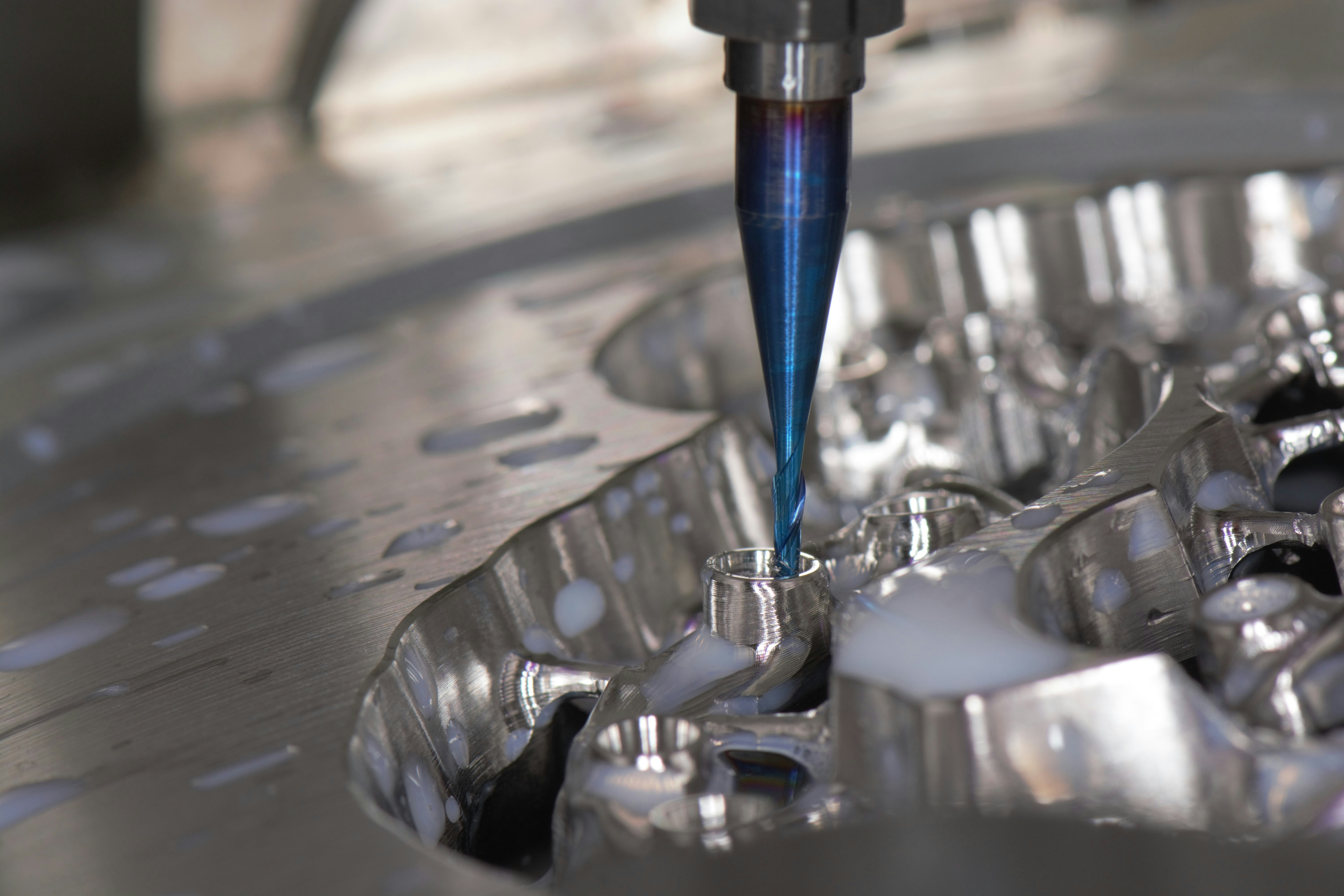
Introduction to Swiss-Type Machining
Swiss-type machining, also known as Swiss screw machining, is a highly efficient manufacturing process that specializes in creating intricate and precise components, particularly in small to medium-sized production runs. Originating in Switzerland during the late 19th century, this method was developed to create precision watch components, a sector where accuracy and detail were paramount. Since then, it has evolved significantly and gained prominence in various industries, including automotive, aerospace, and medical device manufacturing.
The hallmark of Swiss-type machining lies in its remarkable ability to produce high-precision parts with exceptional repeatability. Unlike conventional machining processes, this methodology employs a sliding headstock mechanism that allows the material to be fed through the machine while tools are fixed. This unique arrangement helps to achieve stringent tolerances and a superior surface finish, making it the preferred choice for many manufacturers seeking to meet stringent industry standards.
Moreover, Swiss-type machines are equipped with multiple tooling options, enabling the execution of various operations like turning, milling, and drilling simultaneously. This multitasking capability significantly reduces production time and enhances overall efficiency. As a result, manufacturers are able to produce complex geometries that were previously challenging or impossible with traditional machining techniques.
In recent years, the significance of Swiss-type machining has only grown, driven by the increasing demand for precision-engineered products. It is particularly advantageous in sectors where microscopic accuracy is non-negotiable, and the cost-effectiveness of shorter production runs can be maximized without compromising quality. The combination of cutting-edge technology and skilled craftsmanship allows Swiss-type machining to maintain a critical position within the modern manufacturing landscape.
How Swiss-Type Machines Work
Swiss-type machining is a sophisticated manufacturing process that specializes in the production of highly intricate parts with exceptional precision. At the heart of this technology is the sliding headstock, which is fundamental for executing precision machining. Unlike traditional lathes, Swiss-type machines utilize a moving workpiece that is advanced along the toolpath as it is machined. This unique design allows for shorter tool overhangs, thereby minimizing vibrations and enhancing accuracy during the cutting process.
The fixed tooling setup ensures consistent stability and precise control throughout production. Tools are strategically mounted in fixed positions on a turret or gang, allowing them to engage the rotating workpiece effectively. As the workpiece travels through various machining stations, different tools can be engaged sequentially, facilitating the completion of complex geometries in a single setup. This configuration significantly reduces cycle times and enhances the repeatability of parts, making it ideal for high-volume production runs.
In addition to the sliding headstock and fixed tooling, the integrated guide bushing is another critical component of Swiss-type machines. It supports the part in its longitudinal axis during machining, providing additional rigidity and allowing for tighter tolerances. The guide bushing ensures that the cutting tools maintain proper alignment, which is essential for achieving the high positional accuracy and surface finishes expected from Swiss-type machining.
The production process itself is designed to accommodate intricate designs that often incorporate features such as threading, drilling, and milling in one streamlined operation. This capability not only maximizes productivity but also enhances the overall quality of the finished components. By optimizing the machining cycle, Swiss-type machines represent a standard in precision engineering that meets the demands of various industries.
Advantages of Swiss-Type Machining
Swiss-type machining presents numerous advantages that make it a preferred choice for precision engineering across various industries. One of the primary benefits of this method is its exceptional accuracy. The design of Swiss-type machines, which features a sliding headstock and a fixed tool, allows for intricate part designs with tight tolerances. This capability is crucial for applications in sectors such as aerospace, automotive, and medical device manufacturing, where precision is non-negotiable.
Efficiency is another significant advantage linked to Swiss-type machining. The ability to perform multiple operations on a single machine reduces the need for secondary operations, which can be a vital factor in meeting production times and cost efficiency. As parts are often completed in a single setup, this machining method minimizes handling and setup time, leading to increased throughput and faster lead times compared to traditional machining methods.
Swiss-type machining is also highly versatile, enabling the processing of a wide variety of materials, including metals like stainless steel, brass, and aluminum, as well as plastics and composites. This adaptability makes it an excellent choice for manufacturers who require the flexibility to work with multiple materials without needing different setups or machines. Furthermore, due to its capacity for producing complex geometries with minimal waste, it is often more environmentally friendly than conventional machining approaches.
When comparing Swiss-type machining to traditional methods, it is especially advantageous in scenarios that demand high-volume production of small, complex parts. While traditional machining can struggle with such tasks due to setup times and tool wear, Swiss-type equipment is designed to handle these challenges seamlessly. Overall, the unique features of Swiss-type machining make it an optimal choice for precision manufacturing, setting it apart from more conventional machining techniques.
Applications of Swiss-Type Machining
Swiss-type machining has gained significant traction across various industries due to its ability to produce high-precision components efficiently. One of the prominent sectors utilizing this advanced machining technique is medical device manufacturing. In this domain, Swiss-type machines excel at producing intricate parts such as surgical instruments, implants, and catheter components. The precision offered by this machining method ensures that these critical medical devices meet stringent regulatory requirements and perform reliably in life-saving applications.
Another key industry benefiting from Swiss-type machining is aerospace. The aerospace sector demands exceptional accuracy and reliability in its components, ranging from turbine blades to complex hydraulic systems. Swiss-type machining allows manufacturers to create lightweight parts with complex geometries that are crucial for aircraft performance and safety. The ability to produce components with minimal waste is an added advantage in an industry where cost-effectiveness is vital.
In the automotive industry, Swiss-type machining is employed to manufacture precision components such as fuel injectors, valves, and transmission parts. These components are essential for enhancing vehicle performance and fuel efficiency. The high throughput and accuracy of Swiss-type machines enable automotive manufacturers to keep pace with the demanding production schedules while maintaining quality standards.
Finally, the electronics industry also heavily relies on Swiss-type machining for the production of delicate parts such as connectors, housings, and circuit board components. The versatility of Swiss-type machines in handling small, intricate designs is crucial in an industry that continually trends towards miniaturization and increased functionality. Overall, the applications of Swiss-type machining are vast and varied, highlighting its essential role in driving innovation across multiple sectors.
Materials Used in Swiss-Type Machining
Swiss-type machining is renowned for its precision and capability to handle a diverse range of materials, both metals and non-metals. The choice of material significantly impacts the machining process and the characteristics of the final output. Understanding these materials is essential for engineers and manufacturers looking to optimize their production processes.
Commonly processed materials in Swiss-type machining include metals such as stainless steel, aluminum, brass, and titanium. Stainless steel is a favorite due to its strength and corrosion resistance, making it suitable for a variety of applications ranging from medical devices to automotive parts. Aluminum is prized for its lightweight properties and high machinability, allowing for faster production speeds without compromising quality. Brass, known for its excellent machinability and aesthetic appeal, is often utilized in the production of fittings and decorative items. Titanium, while challenging to machine, offers a high strength-to-weight ratio and is increasingly used in aerospace and medical applications due to its biocompatibility and durability.
In addition to metals, various non-metal materials can be effectively machined using Swiss-type techniques. Plastics such as polycarbonate, nylon, and acetal are commonly employed. These materials are favored for their lightweight nature and resistance to corrosion, which makes them ideal for applications in consumer goods and automotive sectors. The machinability of these plastics allows for intricate designs that can be produced efficiently.
Ultimately, the selection of materials in Swiss-type machining is influenced by their mechanical properties, the required precision, and the intended application. Manufacturers must consider these factors carefully to maximize the effectiveness of the machining process, ensuring that the final products meet the desired specifications and quality standards.
Challenges in Swiss-Type Machining
Swiss-type machining is acclaimed for its high precision and efficiency in producing intricate components. However, several challenges and limitations can arise during the machining process, affecting production timelines and costs. One notable concern is the setup time required for Swiss-type machines. Although designed for rapid production, each new job may necessitate significant adjustments to tooling and programming. This can lead to delays, particularly in facilities with a high volume of diverse jobs.
Additionally, the tooling costs associated with Swiss-type machining can be considerable. The precise nature of this machining method demands specialized tools and inserts, which can significantly impact the overall operational budget. For manufacturers, maintaining an inventory of these customized tools can be both costly and complex, especially for small to medium-sized operations that may not experience the volume needed to justify such expenses. Investing in high-quality tooling is crucial for maintaining output and ensuring that parts meet stringent specifications.
Another challenge arises from material limitations. Although Swiss-type machining is compatible with various materials, certain high-strength or hardened materials may present difficulties in achieving the desired tolerances. The physical properties of these materials can cause increased wear on tooling and prolong machining cycles. Moreover, the skill level required to effectively manage these materials and optimize cutting speeds can exacerbate the issue, necessitating ongoing training for machinists to adapt to different materials.
These challenges underscore the necessity for continuous improvement in processes and technology within the Swiss-type machining sector. By addressing concerns regarding setup time, tooling investments, and material compatibility, manufacturers can enhance productivity and maintain the high standards of precision engineering for which Swiss-type machining is known.
Technological Advances in Swiss-Type Machining
Swiss-type machining has undergone significant advancements in recent years, driven primarily by the integration of innovative technologies that enhance precision and efficiency. Central to these advancements is the evolution of Computer Numerical Control (CNC) technology. Modern CNC Swiss lathes now feature sophisticated control systems that allow for highly complex configurations and processes, enabling manufacturers to produce intricately designed components with exceptional accuracy. The continuous improvement in servo motors and linear guides further contributes to the seamless execution of intricate machining operations.
Additionally, advancements in tooling have played a crucial role in elevating Swiss-type machining capabilities. The introduction of high-performance cutting tools, equipped with advanced coatings and geometries, has increased durability and reduced wear rates. These innovations allow for higher cutting speeds and improved material removal rates, which translates into enhanced overall productivity. Furthermore, the development of modular tooling systems allows for quicker changeovers, thereby minimizing downtime and enabling manufacturers to respond swiftly to varying production demands.
The role of software in Swiss-type machining cannot be overlooked. Modern software solutions offer robust simulation capabilities that allow engineers and operators to visualize machining processes in a virtual environment. This feature not only aids in identifying potential issues before actual production but also optimizes tool paths to maximize efficiency. Embracing Industry 4.0 principles, many Swiss-type machining systems are now equipped with sensors and IoT technology, facilitating real-time monitoring and data analysis. Such capabilities help in predictive maintenance, reducing unforeseen machine downtimes, and ultimately enhancing production levels.
In this context, automation stands as a significant contributor to the evolution of Swiss-type machining. From automated loading and unloading systems to fully integrated robotics, the move towards greater automation has led to improved operational efficiency. Manufacturers can achieve higher throughput while maintaining stringent quality standards, thereby solidifying the position of Swiss-type machining as a leader in precision engineering.
Future Trends in Swiss-Type Machining
Swiss-type machining has long been regarded as a leader in precision engineering, and its relevance in modern manufacturing continues to grow. One prominent trend shaping the future of Swiss-type machining is the increasing demand for precision components across various industries, including aerospace, medical devices, and automotive production. As technological advancements progress, the expectation for components to maintain exact specifications is paramount. This trend necessitates continual investment in advanced machining technologies, ensuring that manufacturers can meet stringent quality standards while maintaining efficiency.
Another significant trend is the emphasis on sustainability in manufacturing practices. As environmental concerns become more pressing, Swiss-type machining is adapting by adopting greener practices. This includes investing in energy-efficient machines, minimizing waste, and utilizing sustainable materials. It is essential for manufacturers to not only focus on productivity but also to align their operations with global sustainability goals. The integration of precision engineering with eco-friendly methods will likely become a significant competitive advantage in the coming years.
Moreover, the relentless pursuit of productivity improvements will continue to influence the evolution of Swiss-type machining. Manufacturers are increasingly integrating automation and Industry 4.0 technologies into their processes. This includes the use of smart machinery, real-time data analytics, and interconnected systems that enhance operational efficiency and output. Such advancements allow for quicker setups, reduced downtime, and overall better resource management. These innovations are essential for staying competitive in a market where customer expectations for speed and precision are consistently rising.
As we look ahead, it is evident that Swiss-type machining will be shaped significantly by these trends, which are geared towards meeting the demands of an ever-evolving manufacturing landscape. Manufacturers who embrace these changes will not only improve their operational capabilities but also position themselves favorably for future challenges and opportunities.
Conclusion
In summary, Swiss-type machining has emerged as a vital technique in the realm of precision engineering, offering unparalleled advantages for modern manufacturing processes. This unique manufacturing style is characterized by its ability to produce highly intricate parts at high speeds, making it particularly beneficial for industries that demand exceptional accuracy and tight tolerances. The versatility of Swiss-style lathes allows them to work with diverse materials, further enhancing their appeal in various applications, from medical devices to aerospace components.
The key takeaways from this discussion highlight the importance of Swiss-type machining in delivering reliable and efficient production capabilities. Its design inherently addresses many of the challenges posed by traditional machining methods, allowing for the continuous production of complex geometries while minimizing waste and reducing cycle times. As industries evolve, the necessity for precision-engineered components becomes ever more pronounced, and Swiss-type machining stands as a solution that meets these demands with remarkable proficiency.
Furthermore, ongoing developments in technology ensure that Swiss-type machining will continue to adapt and improve. Innovations such as advanced automation and smart manufacturing integration promise to enhance the productivity and flexibility of these machines, ultimately streamlining operations in manufacturing environments. As businesses seek to optimize their production processes, considering the implementation of Swiss-type machining may yield significant benefits. Embracing this machining style could very well be a strategic decision that propels projects forward while maintaining the highest standards of quality and precision.