
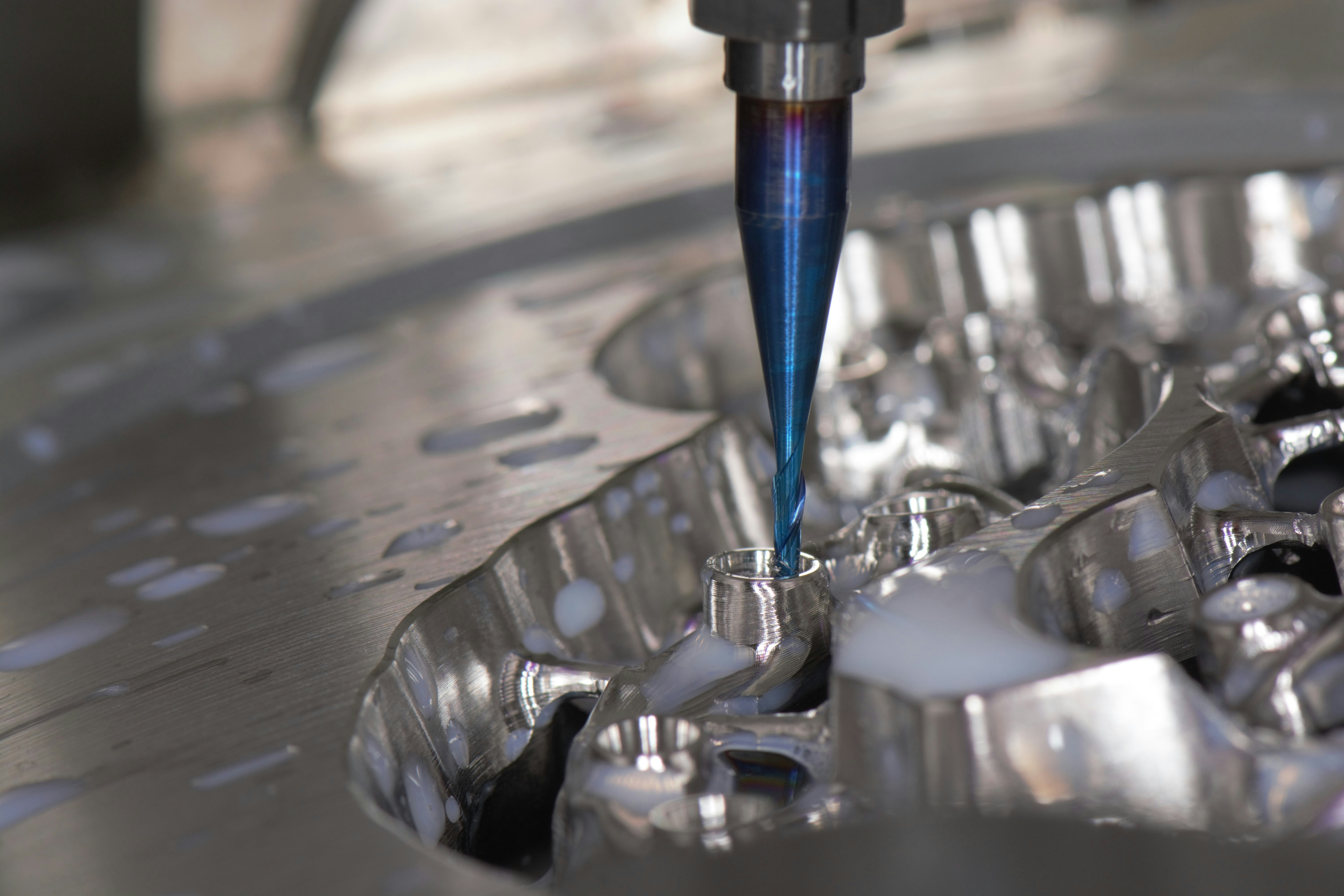
Introduction to Swiss-Type Machining
Swiss-type machining represents a transformative approach within the field of precision engineering, distinguished by its ability to produce highly intricate and precise components efficiently. Originating in Switzerland during the late 19th century, this machining method has evolved significantly and become integral in various industries, ranging from medical to aerospace. The characteristic mechanism of Swiss-type machining employs a sliding headstock that moves material through the machining process with exceptional accuracy, setting it apart from traditional machining techniques.
Unlike conventional machining, which often requires multiple setups and fixtures to create complex geometries, Swiss-type machining allows manufacturers to perform several operations simultaneously on a single setup. This capability significantly reduces production time while maintaining a high level of precision, making it particularly advantageous for small, cylindrical parts with tight tolerances. The unique arrangement of tools and materials in Swiss-type lathes enables producers to shape, drill, and mill components with deft precision, leading to optimal material utilization and minimal waste.
The significance of Swiss-type machining in modern manufacturing cannot be overstated. In an era where efficiency and quality are paramount, this method offers unparalleled solutions for the production of small parts requiring intricate designs. Industries such as medical device manufacturing, where components may involve complex profiles and high standards of hygiene and safety, have benefited immensely from the versatility and precision Swiss-type machining offers. Furthermore, its adaptability to automated processes has enhanced productivity in mass production scenarios.
As the manufacturing landscape continues to evolve, the demand for high-precision parts will likely expand, further solidifying the role of Swiss-type machining as a leading technology in precision engineering. This introductory overview establishes a foundation for understanding the technicalities and applications that follow in this blog post, illuminating the advantages and future outlook of this specialized machining method.
How Swiss-Type Machining Works
Swiss-type machining is a sophisticated process that exemplifies precision engineering through its unique mechanics and design. At the core of this method is the guide bushing, which plays a crucial role in securing the workpiece. The bushing supports the material, allowing for a high level of accuracy as it is machined. The guide bushing enhances stability and minimizes vibrations during the machining process, which is vital for producing intricate parts consistently.
In addition to the guide bushing, the moving spindle is essential to the operation of Swiss-type machines. The spindle is capable of swift and precise movements, enabling it to execute various machining operations, such as turning and milling, with a high degree of precision. This flexibility allows for the production of complex geometries, making Swiss-type machining ideal for manufacturing small, intricate components that are often required in industries like aerospace and medical device manufacturing.
The process flow in Swiss-type machining starts with a bar of raw material, which is fed into the machine. As the material advances through the guide bushing, the cutting tools engage in a carefully orchestrated sequence of operations. This continuous movement allows for an efficient use of materials, significantly reducing waste compared to traditional machining methods where parts are often manually repositioned. The design of Swiss-type machines enables a near-zero setup time, further enhancing productivity.
Furthermore, the integration of CNC technology in Swiss-type machining plays a pivotal role in maximizing machining accuracy. Advanced programming allows for the customization of machining operations, ensuring that the desired specifications are met with precision. By leveraging CNC programming, manufacturers can achieve repeatability and consistency, critical factors in producing high-quality machined parts.
Advantages of Swiss-Type Machining
Swiss-type machining, also known as Swiss screw machining, offers numerous advantages that set it apart in the landscape of precision engineering. One of the foremost benefits is its unparalleled ability to produce highly complex parts with extremely tight tolerances. This is particularly critical in industries such as aerospace, automotive, and medical device manufacturing, where precision is paramount. The design of Swiss-type lathes allows for a high degree of accuracy, enabling the creation of intricate geometries that would be challenging to achieve with conventional machining methods.
Another significant advantage is the efficiency in high-volume production runs. Swiss-type machines are designed to operate effectively at high speeds, which translates to faster cycle times compared to traditional machining processes. This efficiency is especially beneficial in mass production environments, where time and resource management are essential for profitability. Coupled with reduced setup times, Swiss-type machining ensures that manufacturers can maximize output while minimizing downtime, making it an optimal choice for producing large quantities of components.
Additionally, Swiss-type machining contributes to lower material waste due to its precise cutting methods. By employing a sliding headstock mechanism, this machining technique can utilize bar stock more effectively, resulting in less material being discarded during the production process. This not only reduces costs associated with raw materials but also minimizes the environmental impact of manufacturing operations.
Furthermore, the flexibility of Swiss-type machinery allows it to handle a diverse range of materials and sizes. This adaptability positions Swiss machining as a suitable option for various industries, including telecommunications, defense, and consumer goods. Whether machining brass, aluminum, or high-performance plastics, Swiss-type machining is equipped to accommodate specific material properties, thereby enhancing the overall versatility of the manufacturing process.
Applications of Swiss-Type Machining
Swiss-type machining is renowned for its precision and efficiency, making it an ideal choice for several critical industries, including aerospace, medical devices, automotive, and electronics. Each of these sectors demands a high level of accuracy and reliability in the manufacturing of components, which is where Swiss-type machining excels.
In the aerospace industry, for instance, the need for lightweight yet durable components is paramount. Swiss-type machined parts, such as complex bracketry and intricate fasteners, are often utilized in aircraft assemblies. The method’s ability to produce tight tolerances and fine details enables manufacturers to create parts that can withstand the rigorous demands of flight, contributing to enhanced aerodynamics and safety.
The medical device industry also heavily relies on Swiss-type machining. Components like surgical instruments, implantable devices, and connectors require precision machining to ensure proper function and patient safety. For example, the intricate nature of orthopedic implants necessitates a level of detail that Swiss-type machining can provide, allowing for custom designs tailored to individual patient needs.
Automotive applications benefit significantly from this machining technique as well. Components such as shafts, valves, and fittings are commonly produced using Swiss-type methods. These parts often require high precision to ensure performance, longevity, and compliance with safety standards. The capability of producing small, intricate parts in large volumes makes Swiss-type machining a favored choice among automotive manufacturers.
Finally, the electronics sector utilizes Swiss-type machining for the production of connectors, housings, and other electronic components. The miniaturization trend in electronics demands exceptional precision, and Swiss-type machining meets this requirement effectively, producing parts that fit seamlessly into compact designs.
In conclusion, Swiss-type machining serves a diverse range of industries by providing the precision and versatility needed for high-quality manufacturing of critical components. Its applications extend across sectors, showcasing its integral role in modern engineering.
Comparing Swiss-Type Machining to Other Machining Techniques
Swiss-type machining stands out in the realm of precision engineering, particularly when compared to other machining methods like CNC turning, milling, and traditional lathes. This technique is characterized by its ability to produce intricately shaped components with high dimensional accuracy at impressive speeds. The unique workholding mechanism of Swiss-type machines allows the workpiece to slide continuously as the cutting tool advances, which minimizes vibration and results in parts that have superior finishes and tolerances.
When juxtaposed with CNC turning, Swiss-type machines often excel in manufacturing small, complex, rod-like components, where precision is paramount. CNC turning is versatile and suitable for a broader range of part sizes; however, it may not achieve the same level of precision on miniature workpieces as Swiss-type machining. Moreover, the cycle time for Swiss-type operations can be significantly shorter due to the simultaneous processing of multiple facets of the workpiece, thus enhancing productivity. This feature makes it preferable for high-volume production runs of small parts.
Milling processes, on the other hand, offer a greater range of options for creating flat surfaces and complex geometries. While milling machines can operate on larger parts, they may lack the speed and precision found in Swiss-type machining for smaller components. Traditional lathes are simpler and can be more economical for basic shapes; however, they do not possess the advanced capabilities that Swiss-type machines bring to the table, notably the ability to maintain tighter tolerances over longer production runs.
In certain applications, particularly for larger and less intricate pieces, CNC milling or traditional lathes may be more appropriate due to their adaptability and available tooling options. Ultimately, the choice of machining technique depends on the specific requirements of the project, including dimensions, complexity, and cost considerations.
Choosing the Right Swiss-Type Machine
When selecting a Swiss-type machine for your manufacturing operations, several critical factors come into play to ensure optimal performance and efficiency. One of the foremost considerations is the size and complexity of the parts you intend to produce. Swiss-type machines are renowned for their ability to manufacture intricate parts with high precision, making them particularly suited for industries like aerospace, medical, and automotive. It is essential to assess the specific dimensions and geometries of your components to choose a machine that can accommodate these requirements.
Another crucial factor is the anticipated production volume. Different Swiss-type machines are designed to handle varying levels of output. If your operations involve high-volume production, investing in a machine with advanced automation features may enhance efficiency and reduce operational costs. Conversely, for low-volume production or prototyping, a machine with flexible configurations could be more advantageous. Understanding your production needs will guide you in making a well-informed choice.
Precision is a hallmark of Swiss-type machining; therefore, required tolerances cannot be overlooked. The machine selected must be capable of achieving the precision levels necessary for your specific applications. Tolerance requirements may dictate the choice of specific machine features, such as spindle speed and tool capability.
Additionally, the types of materials you intend to work with play a significant role in your selection process. Different machines are suited to various materials, including metals, plastics, and composites. Reviewing the capabilities of the machine in reference to material compatibility ensures that you can maintain product quality.
Finally, it is wise to consider the reputation of the machine brand, availability of service support, and access to spare parts. A reputable manufacturer will often provide better service, while excellent after-sales support guarantees long-term operational success. Careful evaluation of these aspects will aid manufacturers in selecting the most suitable Swiss-type machine for their operations.
Challenges in Swiss-Type Machining
Swiss-type machining, while renowned for its precision and efficiency, does present several challenges that can impact its implementation and operation. One significant challenge is the initial investment costs associated with acquiring advanced Swiss-type machines and the necessary tooling. These machines, often equipped with high-speed spindles and multiple axes for intricate components, can demand a substantial capital outlay. For small to medium-sized enterprises, this financial barrier may deter them from embracing Swiss-type machining, despite the long-term gains in productivity and accuracy.
Another challenge is the learning curve related to software programming for these complex machines. Unlike conventional machining methods, Swiss-type machining often requires specialized knowledge in both operation and programming. Operators must become familiar with advanced CAD/CAM software systems, which can be daunting for those new to the process. The need for training and ongoing education can impede the speed of adoption and require additional financial and time investment.
Furthermore, the intricacies of setups for complicated designs can pose difficulties. Swiss-type machines are incredibly versatile and can handle a wide range of components; however, the complexity of certain parts may necessitate meticulous adjustments and configurations, leading to potential setup times that extend production schedules. This complexity can also introduce risks of error if operators lack experience or if protocols are not strictly followed.
To navigate these challenges, companies can invest in ongoing training programs for their workforce, ensuring that operators are well-versed in both machine operation and programming. Additionally, fostering a culture of continuous improvement and problem-solving can create a support system. Regular maintenance and optimizing setup processes can also help mitigate production delays, thereby enhancing efficiency in Swiss-type machining.
Future Trends in Swiss-Type Machining
As industries evolve, Swiss-type machining is experiencing a significant transformation propelled by emerging technologies. One of the most pivotal trends is the integration of automation in manufacturing processes. Automation enhances production capabilities by reducing lead times and minimizing human error, thus ensuring higher precision levels. This shift not only streamlines operations but also allows manufacturers to reallocate human resources towards more complex tasks, thereby enhancing overall productivity.
Another key development is the incorporation of artificial intelligence (AI) within Swiss-type machining facilities. AI enables real-time monitoring and predictive maintenance, which can significantly decrease unplanned downtimes. By analyzing data collected from machining processes, AI systems can predict potential failures before they occur, allowing for timely intervention. This results in improved machine uptime and consistent production output, laying a foundation for enhanced efficiency in machining operations.
Industry 4.0, characterized by the interconnectedness of machines and the deployment of the Internet of Things (IoT), is also reshaping Swiss-type machining. With the integration of IoT devices, manufacturers can gain valuable insights into their production processes, ensuring better decision-making based on real-time data. This interconnected framework facilitates seamless communication between equipment, which can optimize workflows, reduce material waste, and enhance compliance with quality standards.
Moreover, advancements in software solutions are offering new avenues for innovation in product design. CAD/CAM systems are becoming increasingly sophisticated, allowing for more complex and intricate designs to be manufactured efficiently using Swiss-type machining technology. Such enhancements can lead to the production of more advanced components that meet the specific needs of diverse industries, including aerospace, automotive, and medical.
In conclusion, the future of Swiss-type machining appears to be bright, characterized by advancements in automation, AI, and Industry 4.0 integration. These technologies promise to redefine production efficiency and product innovation, ensuring that Swiss-type machining remains at the forefront of precision engineering.
Conclusion
In conclusion, Swiss-type machining stands out as a cutting-edge solution within the realm of precision engineering, offering distinctive advantages that cater to the complex demands of various industries. This innovative machining process is characterized by its ability to produce intricate, high-precision components with remarkable efficiency. Swiss-type lathes facilitate the creation of parts with tight tolerances and superior surface finishes, making them particularly valuable in sectors such as aerospace, medical devices, and automotive manufacturing.
The adaptability of Swiss-type machining allows manufacturers to streamline production processes while significantly reducing material waste. The use of sliding headstock technology enables the processing of long, slender workpieces that traditional CNC lathes may struggle to handle effectively. Thus, manufacturers are able to increase productivity and profitability while maintaining a competitive edge in their respective markets.
Furthermore, the versatility of Swiss-type machining extends beyond simple geometric shapes; it can accommodate a broad range of materials, including metals, plastics, and composites. As industries evolve and the demand for complex components increases, staying informed about advancements in Swiss-type machining technology becomes imperative. Investing in this innovative approach not only enhances manufacturing capabilities but also paves the way for future growth opportunities.
As readers evaluate their manufacturing needs, it is essential to consider Swiss-type machining as a viable option. Whether aiming for high volume production or specialized components, this technology streamlines operations and delivers exceptional results. Keeping an eye on ongoing developments in the machining industry can help ensure that businesses remain at the forefront of innovation, adapting to ever-changing market demands.