
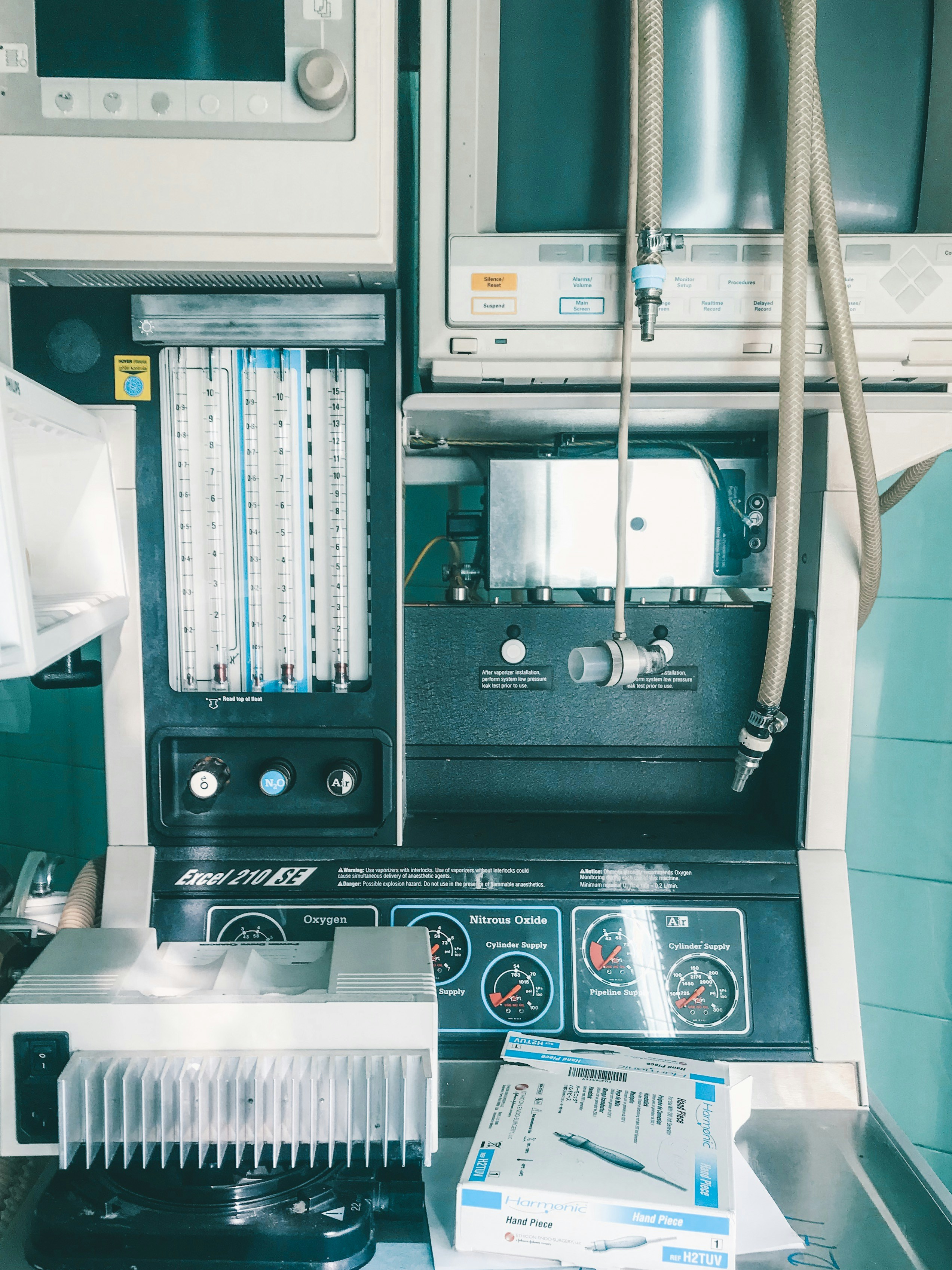
Introduction to Medical Equipment Parts
Medical equipment parts play a critical role in the functioning of healthcare systems globally. These components comprise various devices and instruments used in the diagnosis, treatment, and rehabilitation of patients. Understanding the significance of these parts is essential for both healthcare professionals and manufacturers, as the reliability and effectiveness of medical equipment heavily depend on the quality and functionality of these components.
The healthcare sector utilizes a wide spectrum of medical equipment, ranging from diagnostic machines like MRI and ultrasound devices to therapeutic instruments such as surgical tools and infusion pumps. Each piece of equipment is intricate, composed of numerous parts, each tailored to fulfill specific roles. For instance, in an MRI machine, the coils, magnets, and computer software collaborate seamlessly to create detailed images of the human body, aiding in precise diagnoses.
Medical equipment parts are often categorized based on their functions, which can include operational parts, sensing mechanisms, and output devices. Operational parts allow the machinery to perform the desired tasks, while sensing mechanisms ensure accurate readings and data collection. Output devices typically present the processed information in an intelligible manner, enabling healthcare providers to make informed decisions regarding patient care.
The significance of medical equipment parts extends beyond mere functionality; they are pivotal in ensuring patient safety and improving treatment outcomes. High-quality components contribute to the reliability of medical devices, which is essential in critical care environments. As the healthcare industry continues to evolve with technological advancements, the importance of understanding medical equipment parts becomes increasingly paramount. This comprehension not only aids healthcare providers in using these devices effectively but also enhances the overall efficiency and effectiveness of medical interventions.
Types of Medical Equipment
Medical equipment plays a crucial role in the healthcare industry, and it can be broadly classified into various categories based on its application. The primary types of medical equipment include diagnostic tools, therapeutic devices, and surgical instruments. Each category serves a distinct purpose in patient care and encompasses specialized parts that enhance functionality.
Firstly, diagnostic tools are essential for identifying medical conditions and monitoring health. These instruments are designed to detect signs of illness or injury. Common examples include X-ray machines, magnetic resonance imaging (MRI) machines, and ultrasound devices. The parts of diagnostic tools are meticulously engineered; for instance, an MRI machine consists of a superconducting magnet, radiofrequency coils, and a computer to process imaging data. Each component is integral to producing accurate diagnostic images, aiding in effective treatment decisions.
Secondly, therapeutic devices focus on treating medical conditions through various interventions. These can range from simple home care items to complex machines used in hospitals. Examples include infusion pumps, ventilators, and physical therapy equipment. Therapeutic devices, such as infusion pumps, have parts like pumps, tubing, and medication reservoirs that work together to deliver precise dosages of medication, ensuring patient safety and improving health outcomes.
Lastly, surgical instruments are vital for performing a wide array of medical procedures. This category includes tools used during surgeries to perform operations, such as scalpel blades, forceps, and sutures. The intricate design of surgical instruments ensures their precision and functionality. For instance, forceps consist of jaws and grips that allow surgeons to hold, manipulate, or extract tissues and other materials during an operation.
In conclusion, understanding the types of medical equipment, including their specialized parts, is essential for anyone working in or engaging with healthcare. By acknowledging the significance of diagnostic, therapeutic, and surgical tools, we can appreciate their impact on improving patient care and outcomes.
Common Parts of Medical Equipment
Medical equipment is comprised of several essential components that work together to ensure optimal functionality and reliability in healthcare settings. Among the most common parts of medical equipment are sensors, controllers, and cables, each playing a crucial role in the overall operation of medical devices.
Sensors are integral to the performance of medical equipment, as they detect and respond to physical stimuli. These devices can measure various parameters, such as temperature, pressure, or other vital signs, enabling healthcare professionals to monitor patients accurately. Different types of sensors, such as thermocouples or photodetectors, are utilized based on the equipment’s specific function. The reliability of the data provided by sensors is vital for diagnosis and treatment, making their role indispensable in medical applications.
Controllers act as the brains of medical equipment, processing information received from sensors and executing the necessary actions based on predetermined parameters. These electronic devices manage the operation of the equipment, ensuring that processes such as dosing medications or adjusting temperatures are carried out with precision. Controllers are pivotal in enhancing the efficiency of medical devices, often incorporating complex algorithms to optimize performance and improve patient outcomes. Effective controller design is fundamental for medical equipment’s safety and efficacy, allowing for real-time adjustments as needed.
Cables serve as the vital connectors facilitating communication between various parts of medical devices. They enable transmission of power and data, linking sensors to controllers and ensuring synchronized operation. The integrity of cables is crucial, as damaged or malfunctioning cables can lead to equipment failure or inaccurate readings. Choosing the right type of cabling is essential, as medical equipment may require specific materials, insulating properties, or compliance with safety standards to function correctly.
Understanding these common parts of medical equipment is essential for both healthcare professionals and manufacturers, as each component contributes to the reliable and safe operation of medical devices.
The Manufacturing Process of Medical Equipment Parts
The manufacturing process of medical equipment parts entails a sophisticated sequence that begins with conceptual design and concludes with the final product reaching healthcare facilities. Initially, the design phase incorporates input from biomedical engineers and medical professionals, ensuring that the equipment meets functional and safety requirements. Advanced software tools and computer-aided design (CAD) systems play a pivotal role in this stage, enabling precision and efficiency in creating intricate designs that adhere to stringent regulations.
Following the design phase, the selection of materials becomes critical. Medical equipment parts frequently require biocompatible materials that can withstand rigorous sterilization processes. Common materials include stainless steel, titanium, and various polymers, chosen for their durability and resistance to corrosion. The choice of materials is further guided by the specific application of the medical device. For example, parts intended for implantable devices may demand higher standards of biocompatibility compared to those used in external equipment.
Once materials are selected, the production phase commences, deploying advanced manufacturing techniques such as additive manufacturing (3D printing), CNC machining, and injection molding. These techniques allow for high precision and the ability to produce complex geometries efficiently. Quality control measures are vital throughout this process to ensure conformity to industry standards. Regular inspections, testing protocols, and adherence to good manufacturing practices (GMP) guarantee that each part meets the necessary safety and performance requirements.
Technological innovations, such as automated production lines and real-time monitoring systems, have significantly enhanced manufacturing efficiency. Automation reduces human error and increases throughput, while real-time data collection helps in detecting anomalies during production. By integrating these innovations, manufacturers can respond swiftly to market demands while ensuring the reliability of medical equipment parts, which ultimately contributes to better patient care and outcomes.
Regulatory Standards for Medical Equipment Parts
The regulation of medical equipment parts is a critical aspect of the healthcare industry, focusing on ensuring safety, efficacy, and reliability. The primary authority for medical device regulation in the United States is the Food and Drug Administration (FDA). The FDA classifies medical devices into three categories: Class I, Class II, and Class III, based on the level of risk they pose to patients. Each class has distinct regulatory requirements, which encompass design, manufacturing, and marketing procedures. For instance, Class III devices, which are high-risk products, require premarket approval (PMA) demonstrating that they are safe and effective before they can be marketed.
In addition to FDA regulations, international standards set by the International Organization for Standardization (ISO) also play a significant role in governing medical equipment parts. ISO standards, such as ISO 13485, specify requirements for a quality management system that facilitates consistent design and manufacture of medical devices. Compliance with these standards is essential for manufacturers operating in global markets, as they serve to bolster the quality assurance mechanisms in place throughout the production process. Adhering to both FDA and ISO regulations helps ensure that medical equipment is both safe for patient use and effective in treating medical conditions.
Moreover, compliance with these regulatory standards not only protects patients but also enhances the reputation of manufacturers in a highly competitive market. Violations of regulatory requirements can lead to severe consequences, including product recalls and legal actions, highlighting the critical nature of maintaining adherence to these standards. Manufacturers must establish rigorous quality control processes, conduct thorough testing of medical equipment parts, and document all procedures to maintain compliance with the necessary regulations. Ultimately, the interplay between FDA regulations and ISO standards provides a robust framework that supports patient safety and promotes public health.
Challenges in Medical Equipment Parts Supply Chain
The supply chain for medical equipment parts is fraught with numerous challenges that can significantly affect healthcare delivery. One of the most pressing issues is the shortage of essential components. This can arise from various factors, including manufacturing delays, increased global demand, and geopolitical tensions. Such shortages can impede the ability of healthcare providers to maintain and repair their medical equipment, ultimately affecting patient care and safety.
Quality assurance is another critical challenge within the medical equipment supply chain. The industry is characterized by stringent regulatory requirements meant to ensure safety and efficacy. However, numerous suppliers may struggle to meet these high standards consistently. Instances of subpar components can lead to equipment malfunction, putting patients at risk. Therefore, continuous monitoring and assessment of supplier capabilities and performance are vital to uphold the quality of medical equipment parts.
Logistical difficulties further exacerbate the supply chain issues in the medical equipment sector. The transportation of parts can be hindered by a lack of efficient distribution networks, especially in remote or underserved areas. Delays in shipping, customs, and regulatory clearance can prolong the time it takes for medical facilities to receive essential equipment or replacement parts. Additionally, the variability in transportation costs can create budgetary concerns for healthcare providers, leading to potential compromises in acquiring the necessary resources.
In conclusion, the medical equipment parts supply chain faces multifaceted challenges, including shortages, quality assurance issues, and logistical difficulties. These factors not only disrupt the timely provision of healthcare services but also underscore the need for improved strategies in supply chain management. By addressing these challenges, stakeholders can enhance the reliability of medical equipment, ultimately benefiting patients and healthcare providers alike.
Future Trends in Medical Equipment Parts
The landscape of medical equipment parts is rapidly evolving, driven by advancements in technology and a growing emphasis on sustainability. As healthcare continues to embrace innovation, several trends are emerging that promise to enhance the functionality and efficiency of medical devices. One significant area of focus is the integration of artificial intelligence (AI) and smart technologies into medical equipment parts. This integration allows for better monitoring and analysis of patient data, potentially leading to improved treatment outcomes. For instance, AI-powered components can facilitate predictive maintenance, minimizing downtime and ensuring that medical devices are always in optimal condition. This shift not only bolsters patient safety but also enhances the overall efficiency of healthcare operations.
In addition to technological advancements, sustainability initiatives are gaining traction within the medical equipment sector. Manufacturers are increasingly looking for eco-friendly materials and processes to reduce their environmental impact. This includes the development of biodegradable components and recyclable materials for equipment parts. Emphasizing sustainability not only meets regulatory requirements but also aligns with the industry-wide push towards greener practices. Hospitals and clinics are also seeking suppliers who prioritize environmental responsibility, signaling a shift in consumer preferences that could dictate market trends in the coming years.
Furthermore, the development of modular medical equipment parts is gaining attention. Modular designs allow for easier upgrades and repairs, reducing waste and extending the lifecycle of medical equipment. This approach aligns with sustainability goals while providing healthcare providers with the flexibility to adapt to new technologies as they emerge. As the medical equipment field continues to innovate, these trends highlight a future that is not only more efficient but also more aligned with the principles of sustainability and advanced technology.
Maintenance and Repair of Medical Equipment Parts
Effective maintenance and repair of medical equipment parts are essential for ensuring the safe and efficient operation of healthcare devices. Regular upkeep not only prolongs the lifespan of the equipment but also ensures compliance with regulatory standards. Hospitals and medical facilities must implement a comprehensive maintenance program that includes routine inspections, testing, and calibration of medical devices.
One best practice in the maintenance of medical equipment parts is developing a scheduled preventive maintenance plan. This plan should outline the frequency of maintenance tasks, such as cleaning, lubrication, and functional checks, to ensure that all equipment operates at optimal levels. By following a systematic approach, healthcare providers can reduce the chances of unexpected breakdowns and minimize downtime.
Additionally, training staff on the correct use and handling of medical equipment is crucial. This training helps avoid accidental damage that can lead to costly repairs. Moreover, personnel should be educated on recognizing early signs of malfunction, which allows for timely troubleshooting and intervention. For instance, if a device exhibits unusual noises or error messages, staff should be trained to report these issues immediately.
When it comes to repairing medical equipment parts, it is crucial to identify the root cause of a malfunction. Technicians should employ diagnostic tools and reference manufacturers’ specifications to troubleshoot issues accurately. Utilizing genuine replacement parts is also recommended to maintain the integrity of the device and ensure that repairs restore it to its original functionality.
In conclusion, the maintenance and repair of medical equipment parts require a strategic approach that incorporates preventive measures, staff training, and effective troubleshooting. Adhering to these best practices not only safeguards patient safety but also enhances the reliability and performance of medical instruments in healthcare settings.
Conclusion
In the realm of healthcare, the significance of understanding medical equipment parts cannot be overstated. These components are fundamental to the proper functioning of medical devices, which play an essential role in patient diagnosis, treatment, and care. By comprehensively grasping the intricacies of medical equipment parts, healthcare professionals can ensure optimal performance and reliability of the devices they utilize daily.
Several key points have emerged from our exploration of this topic. Firstly, we have discussed how each part has a specific function, contributing to the overall efficacy of medical technology. An awareness of how these components interrelate allows practitioners to troubleshoot and optimize equipment during use, fostering an environment of safe and effective patient care. Additionally, understanding medical equipment parts aids in proper maintenance and timely repairs, extending the lifecycle of these critical devices and potentially reducing healthcare costs.
Moreover, in a rapidly evolving field, keeping abreast of advancements in medical technology is essential. As innovations lead to the introduction of new equipment and parts, a strong foundation in the existing components will enable healthcare professionals to adapt more effectively and integrate new technologies into their practices. Knowledge of medical equipment parts not only enhances individual capability but also contributes to improved team dynamics and collaboration within healthcare settings.
Ultimately, fostering a deep appreciation for the complexity of medical equipment parts augments the overall quality of care. It empowers professionals to make informed decisions, optimize treatment strategies, and contribute positively to patient outcomes. By investing time in understanding these critical components, healthcare practitioners can enhance their expertise and improve the lives of those they serve.