
Introduction to Kovar
Kovar is a nickel-cobalt ferrous alloy that has gained recognition for its exceptional properties, making it highly favored in various high-tech applications. The alloy consists primarily of iron, nickel (29%), and cobalt (17%), offering a harmonious balance of strength and workability. This unique composition contributes to Kovar’s remarkable physical characteristics, which include low thermal expansion, high rigidity, and good thermal conductivity. These attributes are crucial, particularly in environments where precise dimensional stability is required.
One of the standout features of Kovar is its thermal expansion coefficient, which closely aligns with that of borosilicate glass. This compatibility enables Kovar to be utilized effectively in sealing glass-to-metal applications, a common requirement in electronics and aerospace sectors. When two materials expand and contract at similar rates, it significantly minimizes the risk of stress and eventual failure at the joint interface, thereby ensuring longevity and reliability in critical systems.
Furthermore, Kovar’s rigidity contributes to its use in demanding settings, allowing for intricate machining without compromising its structural integrity. This is particularly advantageous for components that are subjected to mechanical stress. Additionally, Kovar exhibits excellent corrosion resistance, making it suitable for applications in harsh environments where exposure to moisture or chemical agents is a concern.
The versatility of Kovar extends beyond its thermal properties; it is also widely applied in the production of hermetic seals, electrical contacts, and components within optoelectronic devices. The ability to create high-precision parts through Kovar machining services ensures that manufacturers can meet the stringent tolerance requirements needed for modern technological advancements. Overall, Kovar stands out as a pivotal material in advancing industries that demand precision and reliability.
The Importance of Kovar Machining Services
Kovar machining services play a crucial role in various industries where precision and reliability are paramount. Kovar, an iron-nickel-cobalt alloy, is notable for its unique physical properties, which include low thermal expansion and high durability. These characteristics make it an ideal candidate for applications that require consistent performance under varying temperature conditions. However, the very properties that make Kovar desirable also pose unique challenges during the machining process, necessitating specialized machining services.
The complexity of machining Kovar arises from its hard and brittle nature, which can lead to difficulties such as tool wear, thermal distortion, and difficulty in achieving tight tolerances. Standard machining techniques may not yield satisfactory results when working with this material. Thus, tailored Kovar machining services are essential to ensure that the final products meet stringent specifications and industry standards. Manufacturers employing skilled technicians and advanced machinery are able to address these challenges effectively, delivering high-quality components that are vital for operational reliability.
Kovar machining services are particularly important in sectors such as electronics, aerospace, and telecommunications, where precision components are critical for functionality. In the electronics industry, Kovar is often used for making various hermetic seals and packages that protect sensitive components. In aerospace engineering, the material’s capacity to withstand extreme conditions makes it suitable for use in critical components of aircraft and spacecraft. Similarly, in telecommunications, Kovar’s stability under different conditions ensures reliable performance in communication devices.
As industries increasingly depend on technologies that require high performance and dependability, the significance of specialized Kovar machining services cannot be overstated. These services not only ensure the integrity of components but also contribute to the overall efficiency and safety of the systems in which these components are utilized.
Common Kovar Machining Techniques
Kovar is a cobalt-nickel ferrous alloy known for its unique properties, making it suitable for a variety of high-precision applications, especially in environments where low thermal expansion is critical. Several machining techniques have been specifically optimized for Kovar to ensure precision and integrity during fabrication. Key techniques include turning, milling, drilling, and grinding, each playing a vital role in the overall machining process.
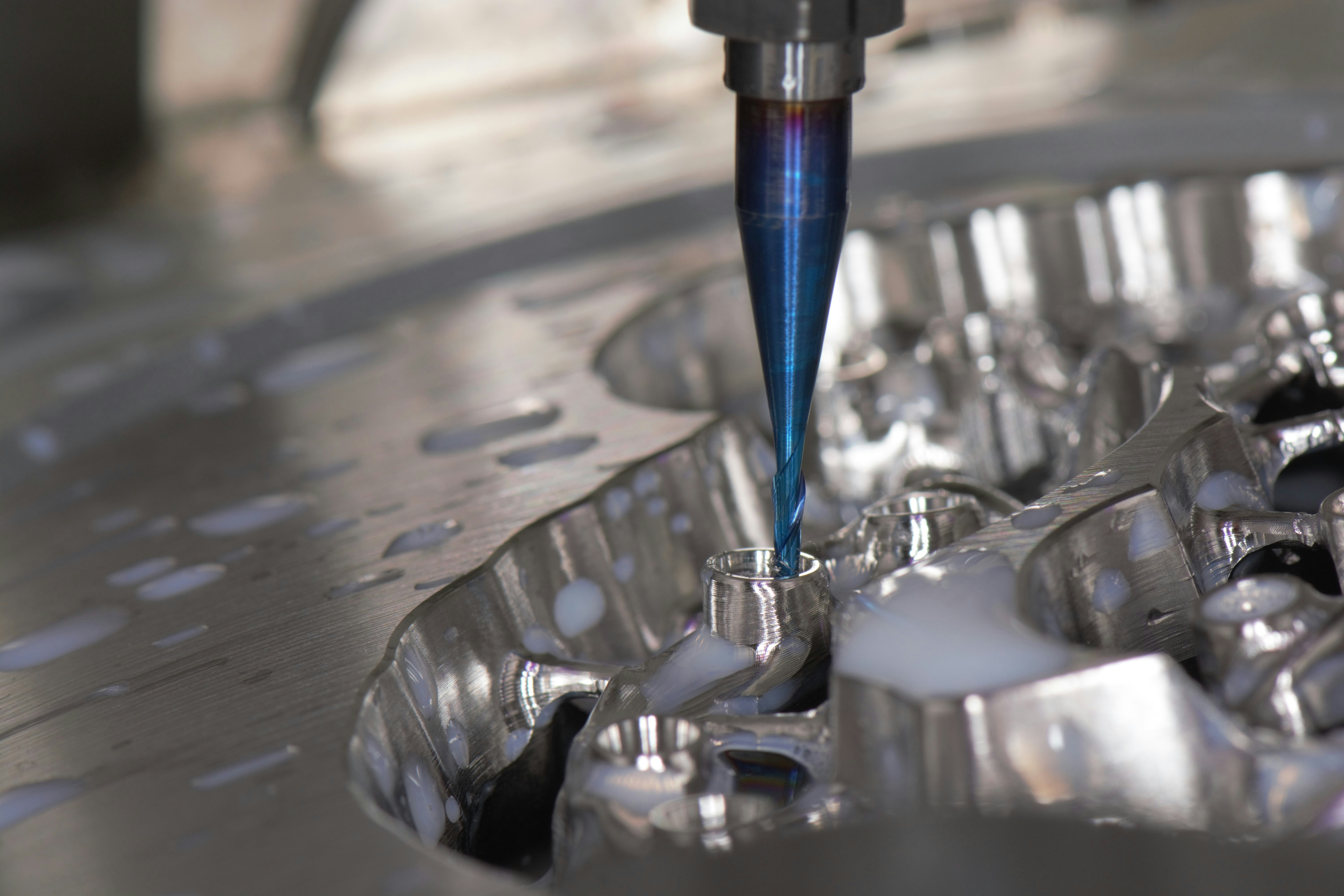
Turning involves the use of a lathe to shape the Kovar material into cylindrical forms. This process is particularly effective given Kovar’s manageable hardness, which allows for smooth surface finishes. The use of carbide cutting tools is recommended for turning operations to ensure durability against wear. The optimal cutting speeds should be adhered to in order to prevent overheating, which could compromise the quality of the finished part.
Milling is another common technique where rotary cutters remove material from the Kovar workpiece. This method is beneficial for producing complex geometries and features. Similar to turning, utilizing appropriate cutting tools—often high-speed steel or carbide—and maintaining correct spindle speeds is crucial for achieving precision while preventing damage to the material.
Drilling processes are designed to create holes of varying sizes in Kovar, with twist drills being the most frequently used tools. Selecting the right drill bit material and geometry is essential to ensure efficient cutting and prevent the possibility of chipping or fracturing the Kovar, which can occur due to the alloy’s brittleness at higher speeds.
Finally, grinding techniques are employed for finishing Kovar components, providing the necessary surface finish and dimensional accuracy. Proper wheel selection and grinding parameters are critical to avoid overheating, which could lead to surface degradation.
Using the correct machining techniques and tools is paramount in achieving the desired properties of Kovar while maintaining its structural integrity. Each technique helps demonstrate the adaptability of Kovar in advanced manufacturing processes, ensuring its significance in high-tech applications.
Quality Control in Kovar Machining
Quality control plays a pivotal role in Kovar machining services, ensuring that components meet stringent tolerances and quality benchmarks essential for their intended applications. The nature of Kovar, an iron-nickel-cobalt alloy known for its thermal expansion properties matching those of glass, necessitates meticulous quality assurance protocols throughout the machining process.
One of the primary facets of quality control in Kovar machining involves dimensional accuracy. It is critical that the machined components adhere to precise measurements to ensure compatibility with other materials and assemblies. To achieve this, specialized inspection methods are deployed, including the use of coordinate measuring machines (CMM) that offer high-resolution scanning and measurement capabilities. These tools are essential in detecting deviations from specified dimensions, allowing for immediate corrective actions if necessary.
Surface finish requirements also contribute significantly to the quality control process. The finish of a Kovar component not only affects its aesthetic appeal but also its functional characteristics, such as friction and wear resistance. To meet the required surface finish standards, machining processes must be carefully calibrated and monitored. Techniques such as polishing and grinding are implemented, followed by inspections using surface roughness testers to confirm adherence to specified roughness profiles.
Utilizing advanced metrology tools is another critical aspect of ensuring quality in Kovar machining. Such tools facilitate the accurate measurement of physical properties and dimensions, allowing manufacturers to monitor the quality of their processes closely. By employing techniques like laser scanning and ultrasonic testing, companies can guarantee that the high-performance margins expected of Kovar components are consistently met. This commitment to quality control not only results in improved product performance but also fosters trust and reliability among stakeholders.
Applications of Kovar Components
Kovar is an alloy primarily composed of iron, nickel, and cobalt, well-regarded for its exceptional thermal expansion properties that closely match those of glass and ceramics. This characteristic makes Kovar components vital in various industries, including aerospace, semiconductor manufacturing, and automotive. Its unique properties are leveraged to facilitate reliable, high-quality performance in applications requiring stringent specifications and durability.
In the aerospace industry, Kovar is utilized for components that must withstand extreme conditions, including temperature fluctuations and mechanical stresses. For instance, Kovar sealing rings are crucial in satellite designs, where they connect electronic components and protect sensitive instruments from environmental factors. The low thermal expansion of Kovar ensures that these seals maintain integrity, preventing failures that could compromise mission-critical functions.
Semiconductor manufacturing showcases another critical application of Kovar components. In the production of integrated circuits, Kovar is employed in the construction of vacuum-sealed packages that house chips. These packages are designed to protect the delicate semiconductor elements from contamination while sustaining the necessary vacuum conditions. Kovar’s ability to withstand high temperatures during production processes makes it an ideal material choice, enhancing the reliability and lifespan of semiconductor devices.
Furthermore, the automotive industry benefits from Kovar applications, particularly in sensors and ignition components. Kovar is used in the production of precision-engineered parts such as heat-resistant ignition seals and housing for electronic control units. These components are essential for the optimal performance of modern vehicles that rely heavily on electronic systems.
In summary, Kovar components find extensive applications across various sectors due to their outstanding properties. The use of Kovar in aerospace, semiconductor manufacturing, and automotive applications underscores the material’s versatility and reliability in enhancing performance in high-stakes environments.
Challenges in Kovar Machining
Kovar, an alloy primarily composed of nickel, cobalt, and iron, is extensively used in various high-precision applications, particularly in the production of components that require a controlled thermal expansion. However, machining Kovar presents several challenges that can impact both efficiency and quality. Understanding these challenges is essential for optimizing the machining process.
One of the primary issues faced during Kovar machining is tool wear. The hardness of Kovar can lead to accelerated abrasion on cutting tools, causing them to dull quickly. This not only increases machining costs due to the need for frequent tool replacements but also affects the overall precision of the machined components. To combat this, utilizing high-quality tools made from advanced materials, such as carbide or ceramics, can significantly enhance durability and resist wear.
Another critical challenge is chip formation. When machining Kovar, the chips produced can vary in size and shape, affecting the cutting action and, ultimately, the quality of the final component. Improper chip removal can lead to re-cutting of chips, which negatively affects surface finish and dimensional accuracy. Implementing strategies such as optimizing cutting speeds and feeds plays a crucial role in managing chip formation effectively, ensuring smooth operation.
Heat generation is also a significant concern during the machining of Kovar. Excessive heat can cause thermal distortion of the part and adversely affect the material properties, leading to poor machinability and potential failures. To mitigate this, incorporating effective cooling strategies, such as using appropriate lubricants and coolants, can help regulate temperatures in the machining zone, thereby preserving the integrity of the components.
In conclusion, addressing these challenges in Kovar machining through the optimization of machining parameters and the careful selection of tooling not only enhances efficiency but also ensures the production of high-quality components suitable for their intended applications.
Choosing the Right Kovar Machining Service Provider
Selecting an appropriate Kovar machining service provider is critical for ensuring the success of your project. Factors such as experience, capabilities, technology utilized, and customer service should be considered when making this choice. An experienced provider will likely have a deeper understanding of Kovar’s unique properties and machining techniques, enabling them to deliver precise components tailored to your specifications.
When evaluating potential machining service providers, assess their capabilities in working with Kovar. A reliable provider should offer a robust portfolio that showcases their proficiency in various machining processes, including CNC machining, laser cutting, and precision grinding. Additionally, inquire about their production capacity and equipment quality, as modern machinery can significantly influence the output’s accuracy and quality. The right provider should possess a thorough understanding of manufacturing tolerances and the ability to meet stringent specifications associated with Kovar machining.
The technology employed by the service provider plays a vital role in the overall output quality. Advanced manufacturing technologies, such as computer-aided design (CAD) and computer-aided manufacturing (CAM), can enhance precision and efficiency in producing Kovar components. Ensure that the provider stays up-to-date with technological advancements in the industry, as this can impact the quality and speed of your project.
Moreover, customer service is an essential aspect to consider. A dependable provider should demonstrate responsiveness and effective communication throughout the entire machining process. This includes discussing project timelines, addressing concerns, and providing ongoing support even after the project is completed. Finally, verify any certifications and review past projects to gauge the quality of work. Reliable certifications reflect adherence to industry standards, further ensuring that the selected provider will deliver high-quality Kovar machining services.
Future Trends in Kovar Machining
The landscape of Kovar machining services is rapidly evolving, influenced by advancements in technology and the increasing demand for precision components in a variety of industries. One of the primary trends is the proliferation of automated machining processes, which aim to enhance efficiency and reduce production costs. Automation not only streamlines operations but also minimizes human error, thereby improving the overall quality of Kovar components. As machining technology becomes more sophisticated, businesses can expect higher production rates without compromising on precision, making Kovar an even more attractive material choice for critical applications.
Furthermore, the integration of smart technology and machine learning into Kovar machining processes is anticipated to revolutionize performance parameters. These innovations allow for real-time monitoring and predictive maintenance, ensuring that machinery operates at optimal levels and reducing downtime. As manufacturers adopt these technological advancements, they will be better positioned to meet the growing needs of their clients while keeping pace with competitive pressures in the market.
Another significant trend shaping the future of Kovar machining is the emergence of new applications in sectors such as telecommunications, aerospace, and medical devices. As industries strive for lightweight and durable materials, Kovar’s unique properties, such as its coefficient of thermal expansion closely matching that of glass, will remain crucial in the development of next-generation products. This versatility hints at innovative forms of collaboration between machining services and emerging sectors, potentially leading to unique product offerings that further utilize Kovar’s capabilities.
In conclusion, the future of Kovar machining services is poised for transformation through automation, smart technology, and expanded applications across various industries. Businesses should remain adaptable to these trends to leverage the benefits of Kovar’s performance while enhancing their competitive advantage in a rapidly changing market.
Conclusion and Final Thoughts
In summary, Kovar machining services play a crucial role in a diverse range of industries, from aerospace to telecommunications. Kovar, an alloy known for its exceptional thermal expansion properties, is uniquely suited for applications that require a coefficient of thermal expansion similar to that of glass, ceramics, or certain metals. This characteristic makes it a preferred choice for manufacturing components that must maintain integrity and performance under varying temperature conditions.
Throughout this blog post, we have explored the various aspects of Kovar machining, including its inherent properties, the precision of the machining process, and the wide array of applications it supports. Notably, Kovar’s compatibility with other materials allows for the creation of reliable hermetic seals, which are paramount in electronic packaging and other sensitive applications. The versatility of Kovar, coupled with advanced machining techniques, ensures that components can be produced to exact specifications, catering to the stringent requirements of modern engineering projects.
Moreover, as industries continue to evolve and seek materials that can withstand extreme conditions while providing stability, the significance of Kovar will likely grow. Businesses looking for innovative solutions should consider Kovar machining services for their next project. Whether the need is for precision components in semiconductor devices or robust parts in medical equipment, Kovar’s attributes make it an ideal candidate. We encourage our readers to reflect on how Kovar can be incorporated into their specific applications and invite any questions or comments for further discussion. Engaging in dialogue about the capabilities and benefits of Kovar will cultivate a deeper understanding of its potential in today’s manufacturing landscape.