
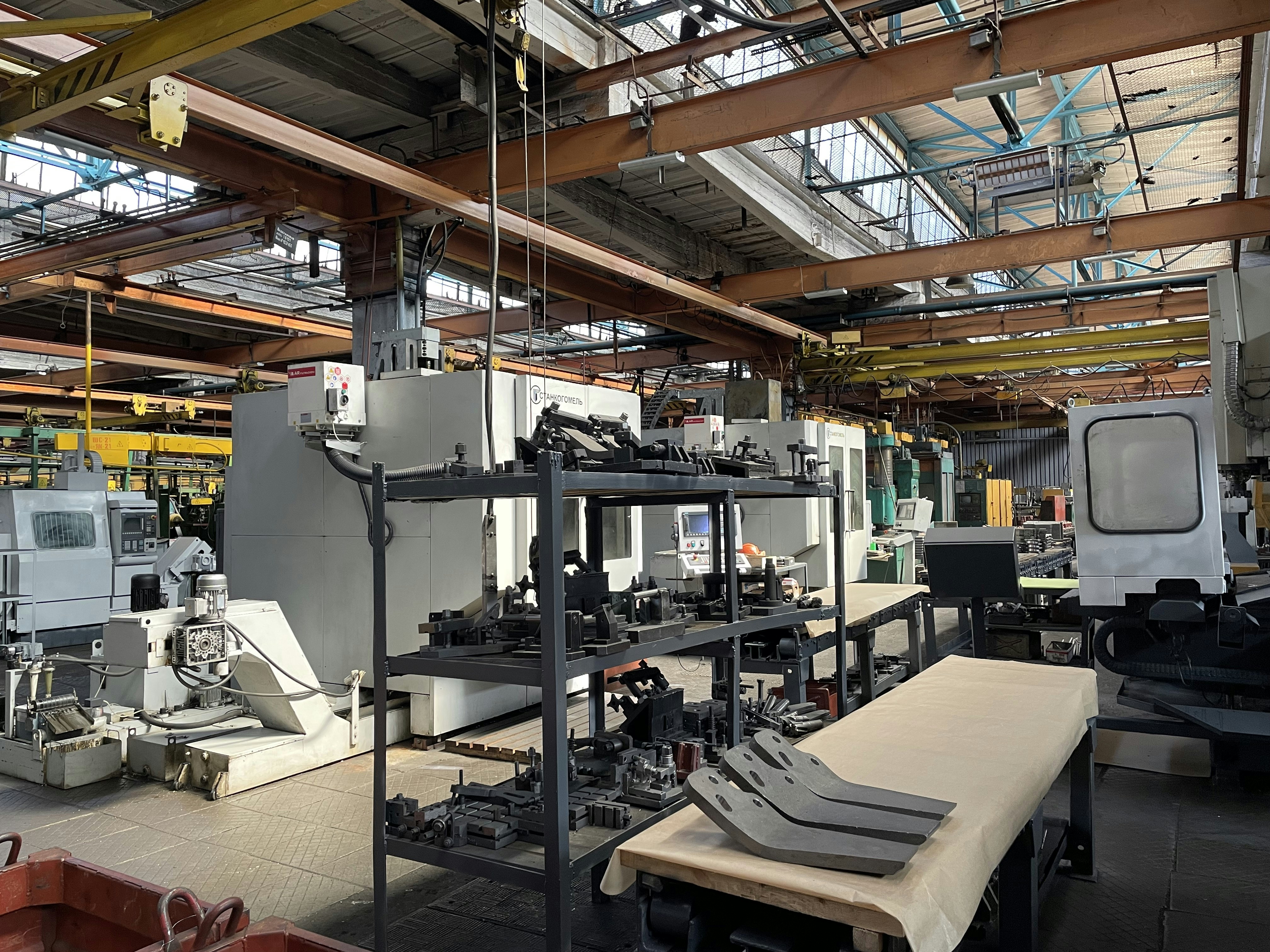
Introduction to CNC Turning
CNC (Computer Numerical Control) turning is a pivotal manufacturing process that involves the creation of cylindrical components using precisely controlled movements. This process revolves around a rotating workpiece that is shaped using various cutting tools. The fundamental principle of CNC turning is to enhance accuracy and repeatability in the production of complex geometries that are often challenging to achieve through traditional machining processes.
The operation of CNC turning machines is governed by pre-programmed software instructions that dictate how the machine interacts with the workpiece. This is where the significance of CAD (Computer-Aided Design) and CAM (Computer-Aided Manufacturing) software comes into play. CAD is utilized to design the part, while CAM transforms that design into a format that the CNC lathe can interpret. This integration allows for a streamlined workflow from concept to final product, ensuring high precision throughout the manufacturing process.
The importance of CNC turning in modern manufacturing cannot be overstated. It provides a reliable method for producing high-quality parts with tight tolerances, essential for industries such as aerospace, automotive, and medical device manufacturing. CNC turning machines can handle a variety of materials, including metals, plastics, and composites, allowing manufacturers to cater to diverse needs and applications.
As the demand for precision components continues to rise, CNC turning has become a preferred choice for manufacturers looking to enhance their operational efficiency and product quality. The ability to produce complex parts at high speeds while maintaining consistency makes CNC turning an invaluable asset in the competitive landscape of manufacturing. The ongoing advancements in CNC technology further strengthen its role, enabling factories to meet increasing production demands with remarkable accuracy.
The CNC Turning Process Explained
CNC turning is a precise manufacturing process that involves the removal of material from a rotating workpiece to produce cylindrical components. The process begins with careful preparation, which sets the foundation for successful machining. The first step is raw material selection; common materials include metals such as aluminum, steel, brass, and plastics. Choosing the right material is critical as it influences both the machining process and the final product’s performance.
Once the material is selected, the next step involves programming the CNC lathe. This requires the use of Computer-Aided Design (CAD) and Computer-Aided Manufacturing (CAM) software to create a detailed 3D model of the part. These software systems allow designers to simulate the turning process, ensuring that the program will produce the desired specifications. The program is then translated into G-code, which instructs the CNC machine on how to execute each operation with precision.
With programming complete, the tool setup phase commences. Tooling includes selecting appropriate cutting tools, which are critical for achieving quality finishes and dimensional accuracy. Proper alignment and calibration of tools are essential in preventing errors during the machining process. After setting up the tools, the raw material is securely mounted on the lathe, ensuring it is centered and stable to minimize vibrations during turning.
During the actual turning operation, the CNC lathe rotates the workpiece while a cutting tool is systematically advanced toward it. This removes material in a controlled manner, shaping the part as designed. Factors that affect the CNC turning cycle include the speed of rotation, feed rate, and depth of cut. Each of these parameters can significantly influence the cutting efficiency, surface finish, and overall quality of the final product. A thorough understanding of these variables is essential for optimizing the CNC turning process and achieving high-quality parts.
Types of CNC Turning Machines
CNC turning machines play a pivotal role in modern manufacturing, providing precision and efficiency for a variety of components. The principal types of CNC turning machines include CNC lathes, multi-axis turning centers, and specialized CNC turn-mill machines, each offering distinct capabilities to meet diverse industrial needs.
CNC lathes are the most prevalent type used in factories. These machines operate by rotating the workpiece against a stationary cutting tool, allowing for precise shaping of cylindrical parts. CNC lathes are known for their simplicity and are highly effective for producing parts such as shafts, bushings, and other symmetric components. They are suitable for both small batch production and high-volume manufacturing, making them versatile and widely adopted.
Multi-axis turning centers take precision to a higher level by incorporating additional axes of movement. In addition to the standard X and Z axes found in traditional lathes, these advanced machines often include Y, A, or C axes, enabling them to perform complex machining operations. The added capabilities allow for the creation of intricate geometries and multi-faceted components in a single setup. Multi-axis turning centers are particularly beneficial for industries where precision and complexity are critical, such as aerospace and medical device manufacturing.
Specialized CNC turn-mill machines combine turning and milling functions, providing a comprehensive solution for parts requiring both operations. This hybrid functionality allows manufacturers to perform multiple tasks within a single machine, enhancing productivity and minimizing the potential for errors associated with transferring parts between different machines. Turn-mill machines are ideal for producing complex parts, integrating drilling, milling, and turning processes seamlessly.
In conclusion, the variety of CNC turning machines, including CNC lathes, multi-axis turning centers, and specialized CNC turn-mill machines, cater to various manufacturing needs, allowing for improved precision, efficiency, and versatility in producing intricate components. Understanding these machines forms the foundation for leveraging their capabilities effectively in industrial settings.
Materials Used in CNC Turning Parts
CNC turning, a pivotal process in modern manufacturing, relies heavily on the selection of appropriate materials to ensure optimal performance and functionality. Among the most common materials utilized for CNC turning parts are metals such as aluminum, steel, and titanium. Each of these metals has distinct characteristics that make them advantageous for various applications in different industries.
Aluminum is often favored in CNC turning due to its lightweight nature, excellent corrosion resistance, and good machinability. Its ability to dissipate heat effectively allows aluminum CNC turned parts to maintain their integrity even at elevated temperatures. Consequently, aluminum components are widely used in aerospace, automotive, and electronics sectors, where reduced weight and high strength-to-weight ratios are critical.
Steel, known for its toughness and strength, is another prominent material in CNC turning. Various grades of steel, including stainless steel, are employed depending on the requirements of the end application. Steel parts exhibit high wear resistance and durability, making them suitable for heavy-duty applications such as machinery components and structural frameworks.
Titanium, although more expensive, is renowned for its high strength-to-weight ratio and exceptional resistance to corrosion and extreme temperatures. These qualities make titanium an ideal choice for CNC turning parts in industries like aerospace and medical devices, where both reliability and performance are paramount.
In addition to metals, CNC turning parts can also be crafted from plastics and composites. Plastics like polycarbonate and nylon are appreciated for their lightweight properties and ease of machining, while composites offer tailored properties for specific applications, combining the advantages of multiple materials. The versatility of materials in CNC turning enables manufacturers to meet diverse specifications across various industry requirements effectively.
Quality Control in CNC Turning
Quality control is a critical aspect of CNC turning parts production, ensuring that each manufactured component meets both the specified tolerances and the highest quality standards. To achieve this, factories must implement a series of quality control measures that encompass various stages of the manufacturing process. One essential element of this framework is metrology, the science of measurement. It forms the backbone of CNC turning quality assurance by establishing the precise dimensions and specifications required for each part.
Accurate measurement tools such as calipers, micrometers, and gauges are indispensable in the metrology process, allowing for both initial inspections and ongoing quality assessments throughout production. This is crucial as even minor deviations in measurements can lead to significant functional impairments in the final product. Adopting advanced measuring technologies, including coordinate measuring machines (CMM) and laser scanning equipment, further enhances the accuracy and reliability of inspections undertaken during CNC turning operations.
Inspection techniques are equally vital in the quality control strategy. Visual inspections, coupled with more sophisticated methods such as non-destructive testing (NDT), help in identifying potential defects or inconsistencies before products are completed. These inspections enable operators to detect problems early in the manufacturing cycle, thereby reducing waste and ensuring that only components that pass rigorous checks proceed to later stages of production. Alongside these practices, rigorous process documentation is essential. This documentation serves as a record of the procedures, inspections, and adjustments made throughout the manufacturing process, providing traceability and accountability. It ensures that any issues can be traced back and addressed promptly, thereby maintaining high-quality standards across all CNC turning parts produced.
Advantages of CNC Turning for Manufacturers
CNC turning has emerged as a pivotal manufacturing process for many industries, primarily due to the numerous benefits it offers. One of the foremost advantages is the enhanced precision it provides. Utilizing computer numerical control, manufacturers can achieve tolerances of up to a few microns, which is vital for industries requiring high accuracy, such as aerospace and medical device manufacturing. This level of precision ensures that components fit together seamlessly and perform effectively in their intended applications.
Repeatability is another significant benefit associated with CNC turning. Once a manufacturing program has been established and calibrated, it can be consistently reproduced, leading to uniformity in the produced parts. This repeated accuracy results in reduced need for rework, thus saving time and minimizing costs associated with production errors. The importance of repeatability cannot be overstated, especially in mass production scenarios where consistency is critical.
Additionally, CNC turning contributes to waste reduction, thus providing an ecological advantage. Traditional machining methods often produce significant scrap material. In contrast, the efficiency of CNC turning allows for optimized material usage, reducing waste significantly. This not only lowers material costs but also supports sustainable manufacturing practices.
Efficiency in production is further heightened through automation and programming flexibility. CNC turning allows manufacturers to streamline their workflows, handling complex geometries that would be challenging or time-consuming to produce using manual methods. This adaptability enables manufacturers to respond swiftly to market demands and customize products without excessive lead times.
Incorporating these benefits, CNC turning proves to be an invaluable process in modern manufacturing, providing precise, reliable, and efficient solutions for a wide range of industrial applications.
Challenges Faced by CNC Turning Factories
CNC turning factories encounter a range of challenges that can impact their operational efficiency and profitability. One prominent issue is machine maintenance, which is crucial for ensuring optimal performance and longevity of equipment. Regular maintenance not only minimizes breakdowns but also enhances productivity. Factories must develop comprehensive maintenance schedules and invest in training personnel to effectively handle routine checks and repairs. Neglecting maintenance can lead to costly downtimes and production halts.
Another significant challenge is the shortage of skilled operators. The complexity of CNC machinery requires operators who possess both technical knowledge and practical experience. The demand for such skilled labor often exceeds supply, which can lead to difficulties in training new staff or retaining experienced personnel. Implementing thorough training programs and offering competitive salaries can help attract and retain qualified operators, ensuring that the factory operates efficiently.
The rising costs of equipment also pose a challenge for CNC turning factories. Investing in advanced CNC machinery can require substantial upfront capital, which may not be feasible for all companies. To mitigate these expenses, factories can consider leasing equipment or negotiating favorable financing terms. Additionally, investing in refurbishment and upgrades of existing machinery can extend the operational lifespan without incurring the full expense of new purchases.
Lastly, competition in the manufacturing sector is fierce, with many CNC turning factories vying for the same clientele. Companies must differentiate themselves by offering superior quality, faster turnaround times, and excellent customer service. Employing effective marketing strategies and continuously improving production processes can help factories stay competitive in a crowded market.
By addressing these challenges head-on and implementing strategic solutions, CNC turning factories can enhance their operational productivity and maintain a robust position in the manufacturing landscape.
The Future of CNC Turning Technology
The landscape of CNC turning technology is undergoing a remarkable transformation, driven by advancements in automation, artificial intelligence (AI), and the ongoing wave of Industry 4.0. These innovations contribute to more efficient and precise manufacturing processes, enabling factories to produce CNC turning parts with enhanced quality and speed. As manufacturers look for ways to streamline operations, the incorporation of automation has become crucial. Automated CNC turning machines are capable of performing complex tasks with minimal human intervention, significantly reducing production times and costs while increasing overall productivity.
Another significant trend is the integration of artificial intelligence into CNC turning processes. AI technologies can analyze production data in real time, optimizing machining parameters to improve efficiency. Furthermore, utilizing machine learning algorithms allows for predictive maintenance of machines, minimizing downtime and enhancing operational reliability. This level of intelligence not only improves the performance of CNC turning parts but also leads to better resource allocation within factories, facilitating a smoother workflow.
Industry 4.0 plays a pivotal role in shaping the future of CNC turning technology by promoting connectivity between machines, systems, and processes. With the increasing prevalence of the Internet of Things (IoT), CNC machines are now equipped with sensors that collect vast amounts of data, enabling manufacturers to gain insights into their operations. This connectivity allows for more informed decision-making and fosters an environment where real-time data drives production efficiency. Additionally, the adaptation of digital twins—virtual representations of physical systems—further enhances the ability to simulate and optimize CNC turning processes before they are executed in the actual production environment.
In conclusion, the future of CNC turning technology is poised for remarkable advancements thanks to the integration of automation, artificial intelligence, and Industry 4.0 principles. These developments not only improve manufacturing processes but also redefine the operational capabilities of CNC turning parts factories, paving the way for a new era of production excellence.
Conclusion
Throughout this comprehensive guide, we have examined the essential aspects of CNC turning parts factories and their vital role in modern manufacturing. CNC turning, which involves the precise rotation of materials to create intricate components, is integral to a variety of industries, from automotive to aerospace. The automation provided by CNC technology not only enhances production efficiency but also significantly improves the accuracy of each part produced. As industries increasingly rely on precision components, the importance of CNC turning cannot be overstated.
The discussion highlighted that CNC turning offers numerous advantages, such as reduced lead times, lower production costs, and the ability to manufacture complex geometries that may be unattainable through traditional machining methods. Advances in CNC technology, including enhanced software and hardware capabilities, ensure that factories remain at the forefront of innovation, enabling them to meet the evolving demands of the market.
Moreover, the strengths of CNC turning extend beyond mere production. The technique fosters an environment of creativity and innovation, encouraging manufacturers to explore new designs and materials that can lead to improved product performance. It is vital for industry professionals and enthusiasts alike to stay abreast of these developments, as they can greatly influence competitive advantage in the market.
For those interested in CNC turning and its plethora of applications, continuous learning and exploration of new opportunities within this field are encouraged. Engaging with resources, attending workshops or seminars, and connecting with industry experts can facilitate greater understanding and innovation in CNC practices. As technology continues to evolve, the potential for new advancements in CNC turning will remain a critical factor for success in the manufacturing sector.