
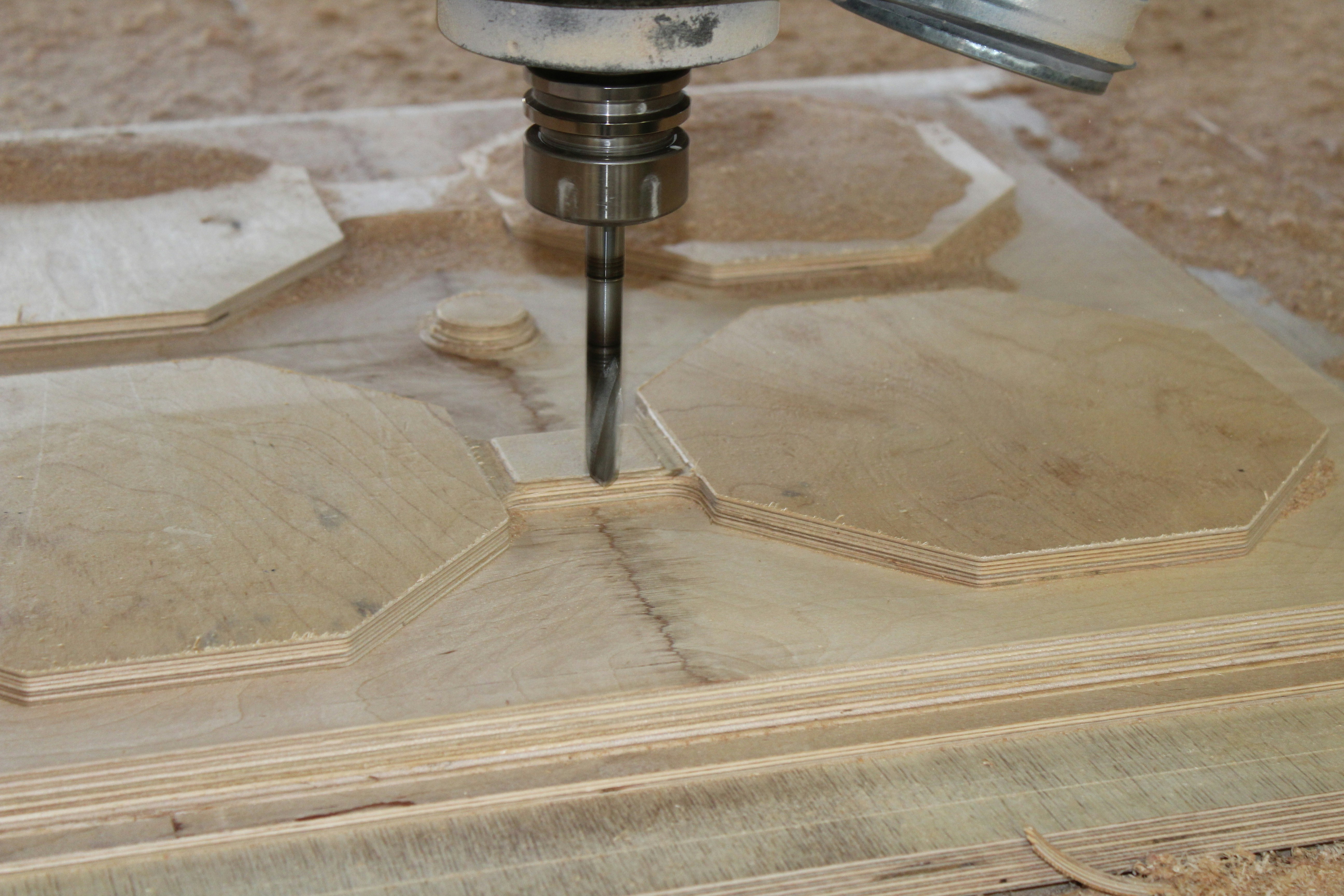
Introduction to Acrylic CNC Machining
Acrylic CNC machining refers to the process of using Computer Numerical Control (CNC) technology to cut, shape, and manipulate acrylic materials with precision and efficiency. Acrylic, a type of thermoplastic, is popularly utilized in various industries due to its clarity, durability, and ease of fabrication. This material serves as a versatile alternative to glass and has gained recognition for its aesthetic appeal and robust characteristics, making it suitable for applications ranging from signage to consumer products.
The significance of CNC machining in working with acrylic lies in its ability to execute intricate designs that would be challenging and time-consuming if attempted by manual means. CNC machining employs computer software to dictate the movements of machine tools, allowing for high levels of precision, repeatability, and speed. This is particularly beneficial in industries such as architecture, automotive, and manufacturing, where detailed specifications and high-quality finishes are paramount.
One of the key advantages of acrylic CNC machining is its capability to produce custom pieces tailored to specific needs. Whether creating prototypes, signage, or decorative elements, CNC technology provides the flexibility to produce one-off designs or large production runs without compromising quality. Moreover, CNC machines facilitate the efficient use of materials, reducing waste and maximizing cost-effectiveness—a crucial consideration in today’s competitive marketplace.
In addition to cost and quality benefits, acrylic CNC machining allows for a wide spectrum of finishing options, including engraving, polishing, and contouring. The results not only enhance the visual appeal of the final products but also contribute to the functionality required across various applications. As we delve deeper into the specifics of acrylic CNC machining, it becomes evident that this technology plays a vital role in modern manufacturing practices, shaping the future of how we work with this versatile material.
Benefits of Using Acrylic in CNC Machining
Acrylic, also known as polymethyl methacrylate (PMMA), has gained significant popularity as a material in CNC machining processes, owing to its wide range of benefits. One of the foremost advantages of acrylic is its versatility. It can be easily shaped, cut, and machined into intricate designs, making it suitable for various applications. This adaptability allows manufacturers and designers to realize their creative visions efficiently, whether in prototyping or final production stages.
Another compelling feature of acrylic is its exceptional clarity. Often referred to as “glass-like,” acrylic possesses optical transparency that can rival traditional glass. This quality not only enhances visual appeal but also makes it an excellent choice for applications requiring light transmission, such as lighting fixtures and displays. Consequently, acrylic has become a go-to material for signage, where clear visibility is paramount.
Moreover, acrylic boasts impressive impact resistance, being approximately 10 to 24 times stronger than glass. This resilience enables acrylic to withstand rough handling and harsh environmental conditions, reducing the likelihood of breakage. Industries such as construction and transportation utilize acrylic in applications like protective shields and safety barriers, where durability is essential.
Aesthetic appeal is another area where acrylic excels. Available in a variety of colors and finishes, it allows for vibrant design possibilities. Whether used in modern architectural structures or artistic displays, acrylic can elevate the overall aesthetic, making it a favored option in design-focused industries. Additionally, its lightweight nature simplifies transportation and installation, further enhancing its attractiveness as a versatile manufacturing material.
In summary, acrylic’s advantages in CNC machining, including versatility, clarity, impact resistance, and aesthetic appeal, render it an invaluable material across various sectors such as signage, display, and architecture. Its unique properties cater to both functional and design needs, ensuring that acrylic continues to be a preferred choice in the manufacturing landscape.
Types of Acrylic Materials for CNC Machining
Acrylic materials are prevalent in various applications, particularly in areas such as signage, displays, and structural components. The two primary types of acrylic used in CNC machining are extruded acrylic and cast acrylic, each with distinct properties and advantages. Understanding these differences can significantly influence the machining process and the final product’s quality.
Extruded acrylic is produced by forcing molten plastic through a die, resulting in a continuous sheet. This method leads to a material that is generally more cost-effective and uniformly thick. Extruded acrylic boasts excellent clarity and is less prone to yellowing over time. However, it possesses a slightly lower impact resistance compared to cast acrylic, which is a crucial consideration for applications requiring durability. Extruded acrylic also tends to have a more pronounced edge finish after machining, necessitating additional polishing for a premium look.
On the other hand, cast acrylic is manufactured by pouring liquid acrylic into molds, allowing for a more controlled thickness and superior optical quality. This type of acrylic exhibits exceptional clarity and is resistant to UV light, making it ideal for outdoor applications. The impact resistance of cast acrylic is significantly higher, providing greater durability than extruded varieties. However, cast acrylic can be more expensive, making budget considerations a factor in its selection. It is important to note that cast acrylic offers a wider range of color options and thickness variations, enabling it to cater to diverse aesthetic and functional requirements.
In addition to the basic types of acrylic, both extruded and cast acrylic are available in various colors, enhancing creativity in design applications. Thickness can also vary significantly, from thin sheets suitable for signage to thicker panels used in protective barriers. The choice between extruded and cast acrylic ultimately depends on the specific requirements of the CNC machining project, including budget, required durability, and visual appeal.
Common CNC Machining Techniques for Acrylic
CNC machining techniques play a crucial role in the processing of acrylic, a versatile thermoplastic polymer known for its transparency and durability. Among the most prevalent methods are routing, laser cutting, and engraving. Each of these techniques offers unique advantages, catering to various applications and desired outcomes.
Routing is often employed for creating intricate shapes and designs in acrylic sheets. This technique utilizes a rotating cutting tool, which allows for precise control over the depth and speed of the cuts. It is ideal for applications that require complex geometries or where the edges need to be finely finished. When using routing for acrylic, operators should consider the speed and feed rates to prevent melting, as excessive heat can compromise the material’s integrity.
On the other hand, laser cutting has gained popularity due to its capability to produce clean and intricate cuts with minimal material wastage. This method involves using a focused laser beam to melt or vaporize the acrylic along the cutting path. Laser cutting is especially effective for creating detailed patterns or designs, making it suitable for artistic applications, signage, and even components for various consumer products. The precision achieved through laser cutting often results in a polished edge that requires little to no additional finishing.
Engraving is another essential technique in the CNC machining of acrylic. This method uses a rotating bit or a laser beam to carve designs or text into the surface of the material. Engraving is commonly employed for personalization, such as creating custom awards or decorative items. The depth of engraving can be adjusted to achieve different effects, from subtle surface marks to deeper etchings, allowing for creative expression without compromising the structural qualities of the acrylic.
Understanding these common CNC machining techniques for acrylic enables designers and manufacturers to select the most appropriate method for their project requirements, ensuring optimal results in terms of both aesthetics and functionality.
Design Considerations for Acrylic CNC Machining
Acrylic, known for its clarity, versatility, and lightweight properties, has become a popular choice in various CNC machining applications. When designing projects that utilize acrylic, several critical considerations must be taken into account to ensure successful outcomes. One of the primary factors to consider is the optimal design dimensions. Acrylic sheets come in various thicknesses, and these dimensions will influence both the structural integrity and the machining process. It is essential to ensure that the design accommodates the properties of acrylic, minimizing the risk of cracking or warping during machining.
Tolerances are another important aspect in acrylic CNC machining. Given the material’s susceptibility to temperature shifts and mechanical stress, designers should establish precise tolerances that align with the intended functionality of the final product. Typically, tighter tolerances may be required for parts that will undergo assembly, whereas less stringent tolerances might suffice for decorative elements. Understanding the limitations of acrylic is crucial, as the precision of the CNC machine and tool selection directly impact the final dimensions of the component.
The quality of the edge finish is also paramount in acrylic design projects. During CNC machining, the router or cutter can leave edges that may require post-processing to achieve the desired finish. Techniques such as polishing or flame treatment can enhance the appearance of the acrylic, making it suitable for display or visible applications. Additionally, the choice of tooling not only affects the aesthetic qualities of the edges but can also influence machining efficiency and production time.
Finally, the impact of different machining speeds on acrylic cannot be understated. Optimal feed rates and spindle speeds should be established to prevent overheating and material deformation. A balance must be struck to ensure both the efficiency of the machining process and the quality of the finished product. Taking these design considerations into account will lead to more successful CNC projects with acrylic, ensuring that the unique characteristics of the material are leveraged effectively.
CNC Machining Setup for Acrylic Projects
Setting up a CNC machine for acrylic projects involves several crucial steps that ensure optimal results and prevent material wastage. One of the primary considerations is selecting the appropriate machine settings. Acrylic, known for its susceptibility to melting and chipping, requires specific parameters that are distinct from those for metals or woods. Therefore, it is essential to adjust the spindle speed, feed rate, and depth of cut accordingly.
When selecting tooling for CNC machining acrylic, the choice of bits plays a significant role in achieving a clean cut. Single-flute bits are often recommended for acrylic because they promote better chip removal, reducing heat buildup that can lead to melting. Although double-flute bits provide additional stability, they tend to retain chips, which may increase the risk of damaging the material. Ensuring that the cutting edge of the tooling is sharp is also crucial, as dull tools can cause excess friction, resulting in poor finishes.
The feeding strategies adopted during the machining process directly impact the quality of the final product. A slower feed rate is advisable for acrylic to minimize the chances of melting, while a slightly faster spindle speed can help in generating a smooth finish. It is vital to strike a balance between speed and feed rates to maximize efficiency without compromising quality. Additionally, employing a mist coolant or air assist can help in maintaining the temperature during the cutting process, thus preserving the integrity of the acrylic.
In summary, successful CNC machining of acrylic projects hinges on the careful consideration of machine settings, tooling choices, and feeding strategies. By utilizing the right bits and adjusting the parameters adequately, manufacturers can achieve high-quality results while minimizing the risk of material damage.
Post-Machining Processes for Acrylic Products
Acrylic CNC machining is a popular choice for fabricating high-quality products from acrylic materials. However, to achieve a flawless finish and enhance the durability of these products, specific post-machining processes must be implemented effectively. These processes typically include polishing, edge finishing, and surface treatments, which serve to refine the final product’s aesthetics and functionality.
Polishing is an essential technique following CNC machining. This process aims to eliminate any micro-scratches left from the machining process, thereby enhancing clarity and transparency. Various polishing methods are available, including buffing with compound abrasives, using polishing wheels, or employing a laser polishing technique for more intricate designs. For optimal results, it is crucial to select the appropriate polishing method that aligns with the specific type of acrylic used.
Edge finishing is another critical aspect of post-machining procedures. This process entails smoothing the edges of the acrylic components to prevent chipping and improve the overall visual appeal. Common methods for edge finishing include flame polishing, which uses a controlled flame to give the acrylic a glossy finish, and mechanical sanding, which involves the use of various grit levels to gradually refine the edge. Whichever method is chosen, ensuring the edges are free from sharpness significantly contributes to the product’s safety and functionality.
Surface treatments provide additional protective and aesthetic advantages. Techniques such as spray coatings or chemical treatments can be employed to enhance surface hardness, increase UV resistance, and improve scratch resistance. In various applications, such as signage or display cases, applying a surface treatment can also boost color retention and gloss, ensuring that the product maintains its appearance over time.
In conclusion, incorporating these post-machining processes—polishing, edge finishing, and surface treatments—plays a critical role in achieving the desired quality and durability of acrylic products fabricated through CNC machining. Adopting these techniques will not only enhance the look and feel of the final product but also extend its longevity in various applications.
Challenges in Acrylic CNC Machining and Solutions
Acrylic CNC machining presents several challenges that can impact the quality of the finished product. One of the most common issues encountered is melting. Acrylic, known for its thermoplastic properties, can easily soften and deform when exposed to high cutting temperatures. This phenomenon often occurs when the spindle speed is too high or when inappropriate feeds are used. To mitigate melting, it is crucial to use sharp tools designed specifically for acrylic, along with optimal spindle speeds and feed rates that prevent excessive heat generation.
Another critical challenge is cracking, which can occur due to stresses introduced during machining or from the material’s inherent brittleness. Cracking not only compromises the structural integrity of the finished parts but also leads to waste and additional costs. To minimize the risk of cracking, the use of coolant during the machining process is recommended as it helps dissipate heat and lowers the chances of thermal stress. Additionally, selecting the right tool geometry and path can significantly reduce the likelihood of cracking by ensuring smooth cuts and consistent pressure on the material.
Static build-up is another issue that can arise during the CNC machining of acrylic. This can lead to a problematic situation where dust and debris cling to the material, causing surface imperfections and hindered visibility. To address this challenge, employing anti-static measures is essential. Solutions include using ionizing blowers or applying anti-static sprays to the work surface. Maintaining an appropriate working environment, such as controlling humidity levels, can also play a role in reducing static-related issues during the machining process.
By understanding these challenges and implementing effective strategies, manufacturers can enhance the quality and efficiency of acrylic CNC machining, ensuring successful outcomes in their projects.
Future Trends in Acrylic CNC Machining
Acrylic CNC machining stands at the cusp of significant advancements that promise to redefine manufacturing practices across various industries. As technology continues to evolve, several trends are emerging that could greatly enhance the CNC machining of acrylic materials. One noteworthy trend is the increased integration of automation in manufacturing processes. Automation not only increases the efficiency of operations but also minimizes human error, leading to higher precision in acrylic machining. Consequently, manufacturers are likely to invest in automated systems, allowing for more streamlined workflows and reduced production times.
Another important development is the evolution of software used in CNC machining. Enhanced software solutions promise improved capabilities in design and machining processes. With innovations such as artificial intelligence and machine learning, CNC programs can now optimize cutting paths and tool selection, ultimately saving material and time when machining acrylic components. Additionally, more user-friendly interfaces are being integrated into these systems, making it easier for operators to manage complex machining tasks.
The interest in sustainable materials is also paving the way for new opportunities within acrylic CNC machining. As industries increasingly prioritize eco-friendly practices, there is a growing demand for sustainable acrylic alternatives. This trend may drive research into bio-based acrylic materials that can be sourced sustainably while maintaining the desirable properties of traditional acrylic. As manufacturers begin incorporating these eco-friendly options into their product lines, they can appeal to environmentally-conscious consumers while adhering to stringent regulations.
In summary, the future of acrylic CNC machining is evolving rapidly with advancements in automation, software development, and sustainable materials. These innovations not only promise to enhance the efficiency and precision of machining processes but also align with the growing need for sustainable manufacturing practices. As such, embracing these trends will be crucial for companies aiming to stay competitive in an ever-changing market.
rent car dubai without credit card