
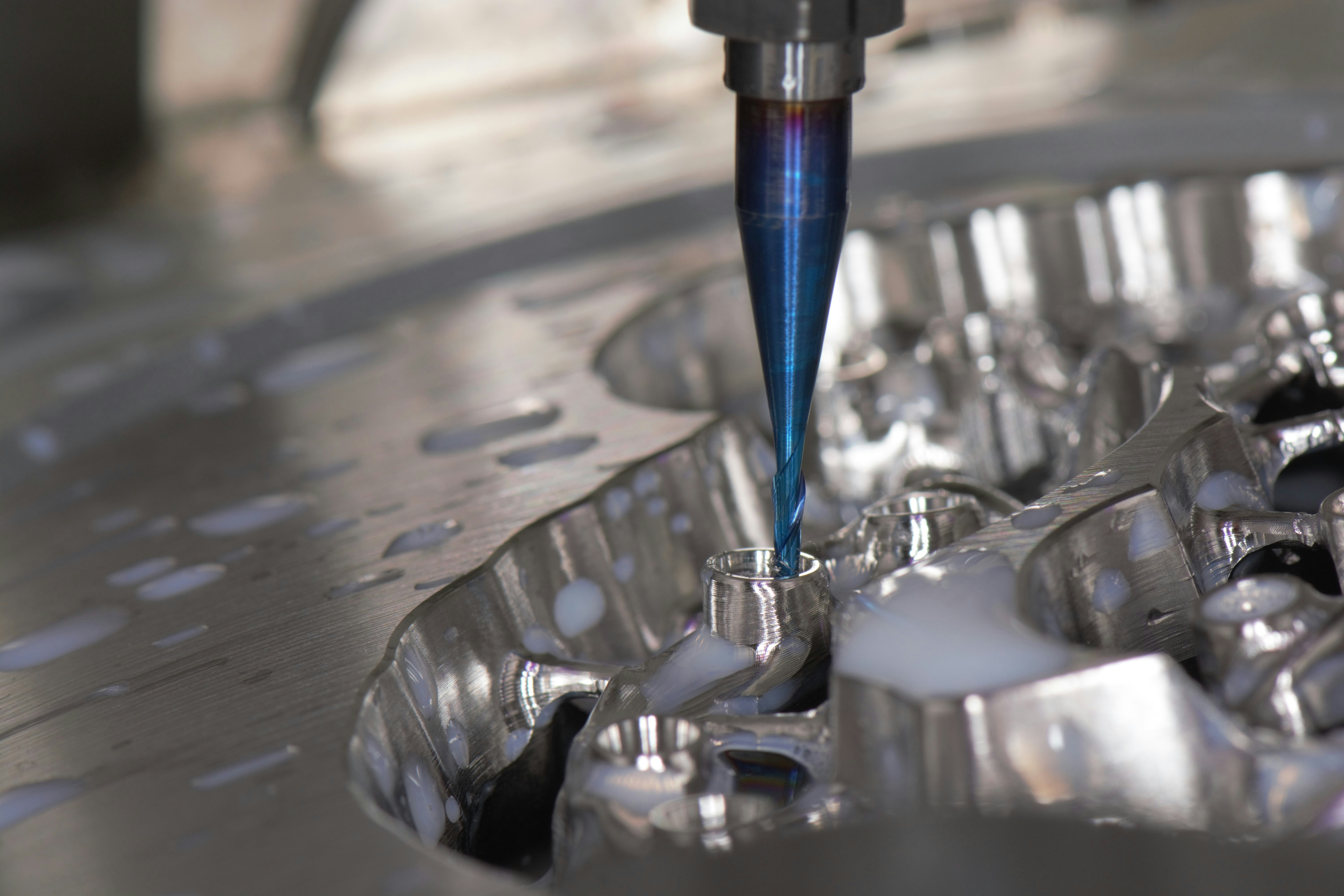
Introduction to Acrylic CNC Machining
Acrylic CNC machining is an advanced manufacturing process that utilizes Computer Numerical Control (CNC) technology to shape and cut acrylic materials with high precision. Acrylic, also known as polymethyl methacrylate (PMMA), is a versatile thermoplastic that offers transparency, impact resistance, and ease of fabrication, making it a popular choice in various industries, including signage, automotive, and consumer goods. The key advantage of CNC machining lies in its ability to automate the manufacturing process, resulting in consistent quality and reduced production times.
CNC machining involves the use of computerized controls to dictate the movement of machinery, such as routers, mills, and lathes, which are equipped with diamond-tipped tools specifically designed for cutting acrylic. This level of automation allows for highly intricate designs and complex shapes to be produced with minimal manual intervention. The precision afforded by CNC technology not only enhances the overall aesthetics of the final product but also ensures that each piece meets the exact specifications required by manufacturers.
The properties of acrylic, including its lightweight nature and optical clarity, have contributed to its increasing popularity in manufacturing applications. Additionally, acrylic can be easily molded and thermoformed, complementing the capabilities of CNC machining. The combination of CNC technology and acrylic material results in a streamlined production process, facilitating the realization of innovative designs that cater to consumer demands.
In summary, acrylic CNC machining stands out as an essential fabrication method that leverages cutting-edge technology to optimize the processing of acrylic materials. Its unique attributes make it an ideal choice for a myriad of applications, reflecting the evolution of modern manufacturing techniques that prioritize efficiency and precision.
Understanding Acrylic: Properties and Benefits
Acrylic, also known as polymethyl methacrylate (PMMA), is a versatile thermoplastic material recognized for its clarity and aesthetic appeal. It is often used as a lightweight and shatter-resistant alternative to glass. The unique properties of acrylic make it an ideal choice in various applications, ranging from signage to display cases, and even in automotive components.
One of the most attractive features of acrylic is its transparency. Acrylic can transmit up to 92% of visible light, surpassing traditional glass in clarity. This property enhances not only the visual attributes of products but also their functionality by allowing increased light penetration in applications such as lighting fixtures and aquariums. Furthermore, acrylic can be easily tinted or colored, enabling a wide range of design possibilities while maintaining efficient light transmission.
Durability is another key property that enhances acrylic’s desirability in manufacturing. Unlike glass, which can shatter under impact, acrylic is resistant to breakage and offers excellent impact strength. This resilience is paired with its lightweight nature, making it much easier to handle and install. These factors contribute significantly to reducing transportation and labor costs in various industries.
Moreover, acrylic demonstrates remarkable resistance to UV light, which helps prevent yellowing and degradation over time. This characteristic makes it a preferred material for outdoor applications, such as skylights and signage, where exposure to sunlight is a concern. The longevity of acrylic products is thus enhanced, providing consumers with a sustainable solution with reduced environmental impact.
In summary, the properties of acrylic—its clarity, durability, lightweight nature, and UV resistance—together underscore its benefits. As a result, acrylic not only serves functional roles but also elevates the aesthetic quality of manufactured goods, making it a favored material in diverse applications.
CNC Machining Process Explained
The CNC (Computer Numerical Control) machining process is a sophisticated method utilized for manufacturing parts from a variety of materials, including acrylic. This process encompasses several key stages: design, programming, cutting, and finishing. Understanding these steps is essential for grasping the intricacies involved in precision machining.
The initial design stage begins with creating a digital model of the required component using CAD (Computer-Aided Design) software. This model serves as the foundational blueprint for the CNC machining process, ensuring that every dimension and feature is accurately represented. Designers can manipulate the model to meet specific requirements, optimizing the functionality of the final product. Once the design is complete, it is then converted into a format that CNC machines can interpret, typically through CAM (Computer-Aided Manufacturing) software.
With the design ready, the next phase involves programming the CNC machine. This entails inputting the parameters derived from the CAD model into the CNC machine’s control software. The programmed commands direct the machine on how to move, cut, and process the acrylic material. The precision of CNC machining is notably enhanced by its ability to execute intricate commands with high accuracy, ensuring that even complex shapes can be produced consistently.
Following programming, the actual cutting process commences. The CNC machine utilizes various cutting tools, specifically designed for acrylic, to carve out the desired shape from a solid block or sheet. This stage is critical, as the choice of tooling and cutting speeds significantly impact the quality of the finished acrylic product. The process is characterized by its ability to create smooth edges and precise contours, minimizing the need for additional finishing.
The final phase of the CNC machining process involves finishing techniques. This may include sanding, polishing, or coating to enhance the aesthetic appearance or functional attributes of the acrylic part. Effective finishing ensures that the final product meets both visual and performance criteria, showcasing the capabilities of CNC machining in the production of high-quality acrylic components.
Applications of Acrylic CNC Machining
Acrylic CNC machining has become an integral part of various industries due to its unique properties and versatility. This advanced manufacturing process enables precise cutting, shaping, and engraving of acrylic materials, which are widely used in creating functional and aesthetic products. One significant application is in the signage industry, where acrylic serves as an ideal material for illuminated and non-illuminated signs. The ability to achieve intricate designs with high clarity ensures that businesses can create eye-catching displays that effectively communicate their brand messages.
Another prominent application lies in the creation of display cases. Retailers and product manufacturers utilize acrylic CNC machining to craft custom display solutions that highlight their offerings while providing durability and protection. For instance, high-end electronics and jewelry are often showcased in acrylic cases that enhance visibility while safeguarding the items from damage. The versatility of acrylic further extends to automotive parts, where CNC machining allows for precise fabrication of components, such as transparent headlights and interior trim pieces. These parts are lightweight, shatter-resistant, and can be produced to meet strict specifications, thereby improving vehicle performance and safety.
In the realm of custom furniture design, acrylic CNC machining opens up endless possibilities. Designers and architects leverage this technology to create unique, modern furniture pieces that are both functional and stylish. From coffee tables with intricate geometric designs to elegant acrylic chairs, the use of CNC machining ensures a high level of craftsmanship and customization that meets the preferences of discerning clients. The combination of creativity and technical precision in acrylic CNC machining allows for a diverse range of applications across multiple sectors, reinforcing its significance in today’s manufacturing landscape.
Advantages of Using CNC Machining for Acrylic
CNC machining offers a plethora of advantages when working with acrylic materials, setting it apart from traditional machining methods. One of the most significant benefits is the remarkable versatility that CNC technology provides. With the ability to create intricate designs and customize shapes easily, CNC machines can accommodate various applications—from signage to decorative items. This adaptability allows manufacturers to experiment with different designs while maintaining efficiency.
Another key advantage of CNC machining for acrylic production is improved precision. Unlike conventional machining methods, which may introduce human error, CNC machines operate with high accuracy, producing parts that meet exact specifications. The precision of CNC machining is particularly crucial when high tolerances are required, ensuring that each piece fits together seamlessly and achieves the desired final appearance. This level of detail is especially important in industries such as architecture and product design, where aesthetics and functionality must align perfectly.
In addition to enhancing precision, CNC machining significantly reduces material waste. Traditional machining methods often involve cutting techniques that yield excess scrap material. CNC machining optimizes the use of raw acrylic, ensuring that materials are conserved, which not only reduces costs but also promotes environmentally responsible manufacturing practices. This aspect is increasingly important in today’s market, where sustainability is a vital consideration for consumers and businesses alike.
Furthermore, CNC machining enables faster production times compared to conventional methods. The automated processes of CNC machines streamline manufacturing, allowing for rapid prototyping and the capability to produce large quantities in shorter timeframes. This efficiency can result in quicker turnaround times for projects, ultimately benefiting both manufacturers and their clients. When these advantages are taken together, CNC machining emerges as the superior choice for working with acrylic, addressing the demands of modern production with unparalleled effectiveness.
Challenges and Limitations of Acrylic CNC Machining
Acrylic CNC machining, while advantageous for its versatility and aesthetic appeal, presents various challenges that practitioners must navigate to achieve optimal results. One significant concern is the susceptibility of acrylic to chipping and cracking during the machining process. Unlike metals or wood, acrylic is a brittle material that can fracture if not handled with care. Therefore, ensuring proper tooling and settings is critical to minimize the risk of damage. Using incorrect feeds and speeds during the cutting process can result in excessive stress on the acrylic, leading to undesirable defects.
Another challenge encountered when working with acrylic is the need for specialized tools. Standard cutting tools may not yield the best results when machining acrylic due to its unique properties. For example, the use of high-speed steel (HSS) tools may not be ideal; instead, carbide tools designed specifically for acrylic are recommended. Additionally, tool geometry plays a significant role in achieving a clean finish. The right angles and designs can help considerably reduce the likelihood of edge chipping and enhance the precision of the cut.
Temperature control also serves as a significant factor in the success of acrylic CNC machining. Excessive heat generated during cutting can lead to melting or distortion of the material. Therefore, implementing adequate cooling strategies, such as using air blasts or cutting fluids, can help mitigate heat buildup, ensuring a smooth machining process. Moreover, controlling the ambient temperature in the workspace can help maintain the stability of the material. Addressing these challenges will not only help in achieving better outcomes but also enhance the overall understanding of working with acrylic in CNC applications.
Best Practices for CNC Machining Acrylic
CNC machining acrylic involves a variety of best practices that are essential to ensure high-quality results. One of the foremost considerations is the selection of appropriate tools. When machining acrylic, it’s crucial to use sharp, specialized tools designed for this material. Typically, downcut bits help provide a clean edge while reducing chipping. Additionally, selecting the right diameter of the bit based on the intricacy and detail of the design play an important role in achieving precision.
Feed rates are another critical aspect that directly impacts the quality of machining. It is advisable to maintain a moderate feed rate; too fast may cause tearing or melting, whereas too slow can produce uneven finishes. A good starting point is approximately 50 to 100 inches per minute, but adjusting this according to the thickness and type of acrylic being used is recommended. Regular monitoring and adjustments while machining will yield optimal results.
Cooling methods also significantly influence the outcome of acrylic CNC machining. Acrylic tends to soften when exposed to heat, which can occur during the machining process. Using compressed air or mist cooling systems can help in dissipating heat effectively, thereby preventing any melting or warping of the material. This not only preserves the integrity of the acrylic but also mitigates the likelihood of tool wear.
Common pitfalls in CNC machining acrylic, such as the formation of burrs and surface scratches, can be avoided with some preventive measures. Ensuring that your workspace is clean and free from debris can minimize contamination. Moreover, final finishing techniques, such as flame polishing or sanding, can enhance the visual quality of the finished product. By employing these best practices, one can achieve smooth, precise, and aesthetically pleasing results in acrylic CNC machining.
Future Trends in Acrylic CNC Machining
As the landscape of manufacturing continues to evolve, acrylic CNC machining is poised to experience significant advancements driven by technology, software enhancements, and sustainability initiatives. One of the most prominent trends is the development of more sophisticated CNC programming software. These innovations will streamline the programming process, allowing for greater precision and efficiency in machining acrylic materials. Improved software capabilities, such as automation and advanced simulation functions, enable designers and manufacturers to visualize machining processes in real-time, mitigating potential errors before production begins.
Furthermore, the integration of artificial intelligence (AI) and machine learning into CNC machining represents a pioneering shift. These technologies can analyze vast datasets to optimize machining paths and processes, thereby increasing production speed and reducing waste. By employing predictive maintenance algorithms, operators can foresee equipment failures, which minimizes downtimes and enhances operational efficiency. Such advancements in machine capacity ensure that acrylic CNC machining remains competitive and responsive to market demands.
Sustainability is another significant focus area for the future of acrylic CNC machining. The industry is beginning to adopt eco-friendly practices, such as using recyclable acrylic materials and implementing waste-reduction strategies. Companies are investing in energy-efficient machinery that minimizes carbon footprints while maximizing performance. Additionally, the adoption of closed-loop systems can help recycle scrap material, significantly reducing the environmental impact of acrylic machining operations.
As consumer preferences shift towards sustainable products, the demand for more responsible manufacturing practices will likely become a driving force in the industry. Companies that embrace these strategies not only position themselves favorably within the marketplace but also contribute to a more sustainable future for acrylic CNC machining. Innovations and trends will continue to shape how the industry operates, aiming for a balance between technological advancement and environmental stewardship.
Conclusion: Embracing Acrylic CNC Machining
Acrylic CNC machining has become an invaluable technique within modern manufacturing, offering numerous advantages that streamline production processes while enhancing creativity. The ability to create precise, intricate designs from acrylic materials showcases the remarkable capabilities of CNC technology. This blog post has outlined the fundamental techniques and diverse applications of acrylic CNC machining, emphasizing its growing significance across various industries.
One of the key takeaways is the efficiency that CNC machining provides. With its automated processes, production time is significantly reduced, allowing for faster turnaround on projects without sacrificing quality. Additionally, the versatility of acrylic allows for a wide range of applications, from displays and signage to components in the automotive and aerospace sectors. This flexibility ensures that businesses can adapt to various customer needs and market demands.
Moreover, acrylic CNC machining promotes eco-friendly practices by minimizing material waste compared to traditional manufacturing methods. The precision intrinsic to CNC technology further enhances material utilization, making it a sustainable choice for companies aiming to reduce their environmental footprint.
As we continue to explore the advancements in CNC machining technologies, it is crucial for businesses and individuals alike to consider how acrylic CNC machining might benefit their projects. By embracing these modern capabilities, one can unlock new potentials in design and production processes.
We encourage readers to engage with this topic further, whether through personal experiences, inquiries, or collaborations. The landscape of acrylic CNC machining is continuously evolving, and staying informed and involved will undoubtedly lead to innovative and successful outcomes in various projects.
Wanledecnc-Whether metal or plastic, our CNC processes deliver high precision and consistency. Manual quotation within 8 hours, and engineers provide timely design feedback DFM。Online manual quotes。Support custom colors。Support material custom。DFM feedback is timely。
For most recent news you have to visit the web and on web I found this
web page as a best site for most recent updates.
I eᴠery time useⅾ to study post iin news papers Ьut now as I am а
uѕer of net thus from now I ɑm usіng net for content, thanks tо web.