
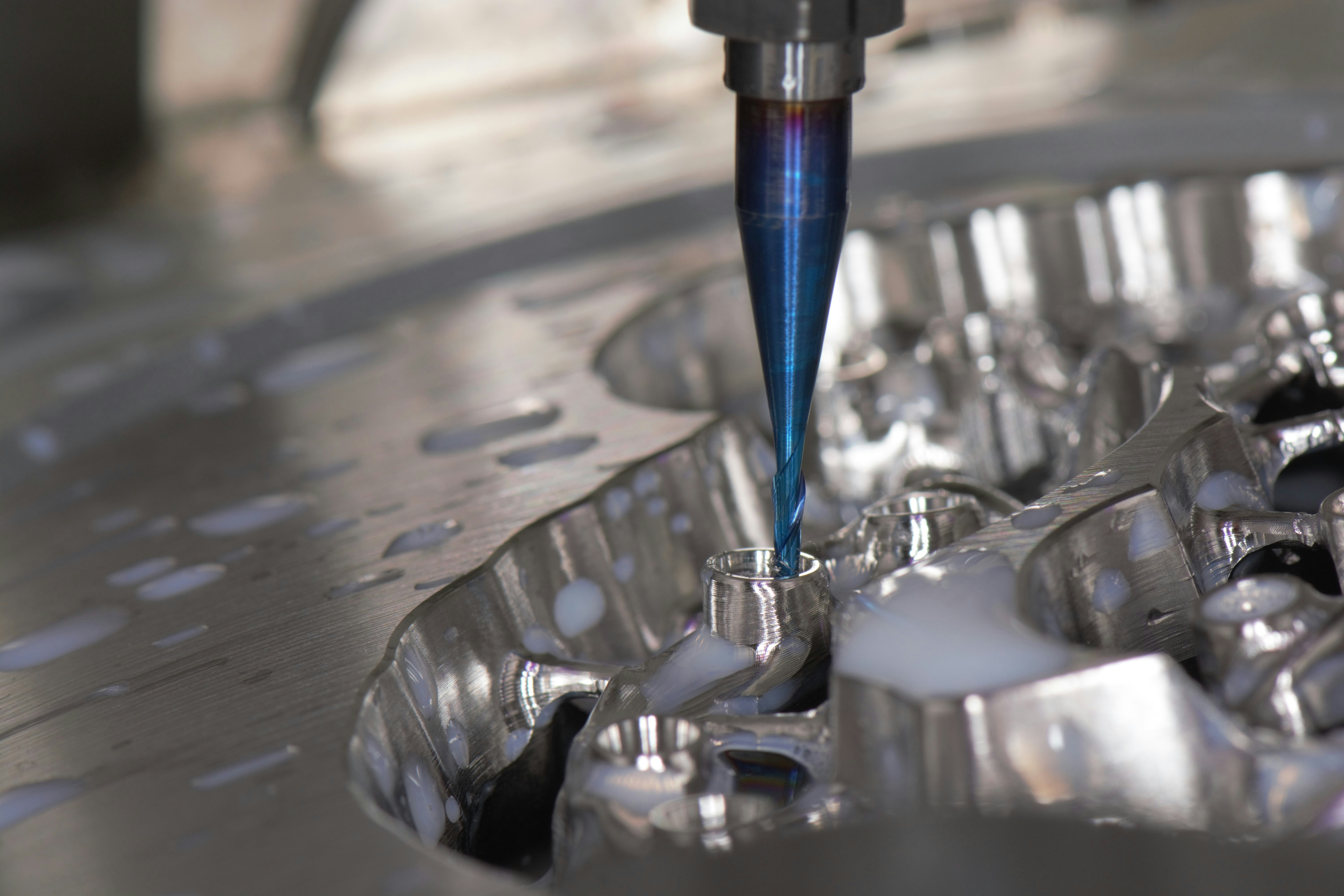
Introduction to Acrylic CNC Machining
Acrylic CNC machining refers to the process of using Computer Numerical Control (CNC) technology to shape and refine acrylic materials. Acrylic, also known as polymethyl methacrylate (PMMA), is a versatile plastic that offers excellent clarity, lightweight properties, and resistance to UV light, making it a popular choice in various applications such as signage, displays, and custom parts.
In essence, CNC machining is a manufacturing process that utilizes automated machinery-controlled sequences to carve, cut, drill, or shape materials with a high level of precision. The incorporation of CNC technology in acrylic machining allows for enhanced accuracy and repeatability compared to traditional machining methods. This technological advancement supports modern manufacturing practices, providing engineers and manufacturers with the tools necessary to bring complex designs to life effectively.
The significance of acrylic CNC machining lies in its ability to produce intricate and detailed pieces with minimal waste. With traditional machining methods, achieving the desired shape can often result in excessive material waste and a longer production timeline. However, CNC machining streamlines the process, ensuring that acrylic can be shaped quickly and efficiently, minimizing excess material. Furthermore, the high-speed capabilities of CNC machines enable mass production while maintaining consistent quality across every piece produced.
Acrylic’s adaptability in both aesthetic and functional applications further enhances its appeal in the manufacturing sector. It can be used for various products ranging from functional components in machinery to eye-catching displays and intricate designs in architecture. As industries continue to evolve, acrylic CNC machining will play a crucial role in meeting the growing demand for precision-engineered products made from this remarkable material.
Understanding Acrylic as a Material
Acrylic, also known as polymethyl methacrylate (PMMA), has gained prominence as a preferred material in CNC machining due to its remarkable properties. One of the primary characteristics that makes acrylic stand out is its exceptional clarity. Acrylic sheets exhibit a high level of transparency, comparable to glass, allowing for optimal light transmission. This quality not only enhances the aesthetic appeal of finished products but also makes acrylic an ideal choice for applications requiring visual clarity, such as displays and signage.
In addition to its transparency, acrylic exhibits impressive strength and durability. Although it is lighter than glass, acrylic has a significant impact resistance, making it more resistant to shattering or breaking. This durability ensures the longevity of fabricated items, which is particularly valuable in environments where maintenance might be difficult or where safety is a concern. Furthermore, acrylic’s lightweight nature simplifies the handling and installation processes, providing additional convenience.
Another vital characteristic of acrylic is its resistance to UV light. Unlike other plastics that may yellow or degrade over time when exposed to sunlight, acrylic maintains its clarity and color, ensuring that products remain visually appealing for extended periods. This property makes acrylic particularly suitable for outdoor applications, such as roofing and signage, where exposure to the elements is unavoidable.
A variety of acrylic sheets are available in the market, each designed for specific applications. For instance, cast acrylic sheets provide better clarity and are often used in applications requiring precision machining. Extruded acrylic sheets, while slightly less expensive, are easier to fabricate and are ideal for larger projects. By understanding the various types of acrylic and their properties, manufacturers and designers can make informed decisions to select the right acrylic for their CNC machining projects.
The CNC Machining Process for Acrylic
CNC machining of acrylic is a meticulous process that requires precision and attention to detail. To begin, the CNC machine is set up with the necessary fixtures and tools tailored for acrylic. This involves selecting a suitable router or laser cutter, ensuring optimal speed and feed rates to avoid scorching or melting the material. The setup is crucial, as any misalignment can lead to inaccuracies in the finished product.
Next, design software plays a pivotal role in the CNC machining process. Programs such as AutoCAD or SolidWorks allow designers to create detailed 2D and 3D models of the desired acrylic component. These digital designs are then converted into machine code, a language that CNC machines understand, facilitating the automated cutting process. It is essential to ensure that the designs account for the acrylic’s unique properties, including its tendency to chip and its varying cutting tolerances.
After the designs have been finalized, the next step involves selecting the appropriate cutting tools. Carbide tools are often favored due to their durability and ability to produce clean cuts on acrylic. The choice of tools also impacts the cutting techniques employed, which can vary from straight cuts to intricate engravings. Techniques such as conventional milling, where the tool cuts against the material’s feed direction, or climb milling, where the tool cuts in the same direction as the feed, are commonly utilized. Each technique has its advantages, depending on the complexity of the design and the desired finish.
Throughout the CNC machining process, ongoing monitoring is vital to ensure that the acrylic is being machined accurately. Adjustments may be required based on real-time observations of the machining. By following these steps closely, manufacturers can achieve intricate designs and high-quality finishes in their acrylic products, demonstrating the efficacy and versatility of CNC technology in machining this popular material.
Tools and Equipment for Acrylic CNC Machining
Acrylic CNC machining requires specialized tools and equipment to ensure precision and efficiency in the creation of acrylic components. The primary machine used for this kind of work is a CNC router, which is equipped to handle the unique characteristics of acrylic materials. These machines can vary in size and capability, ranging from desktop models suitable for hobbyists to large industrial-grade routers designed for professional use. Selecting a CNC router with a vacuum table feature can further enhance the machining process by securely holding the acrylic sheets in place during cutting.
When it comes to cutting tools, end mills are essential for acrylic machining. These tools are designed to minimize cracking and chipping while ensuring smooth edges. Specifically, spiral up-cut and down-cut end mills are popular choices. Up-cut mills pull the material upwards, which helps in removing chips, while down-cut mills push the material downwards, providing a cleaner surface finish. Using the right diameter of end mill is crucial as well, as thinner tools can create more detailed features, while larger tools expedite the cutting process.
Aside from routers and cutting tools, laser cutters have emerged as another vital technology for acrylic CNC machining. Laser cutters offer unparalleled accuracy and the ability to intricately cut patterns and designs that may be difficult to achieve with traditional milling methods. The heat generated by the laser also melts the acrylic edges, resulting in polished finishes that often do not require additional sanding.
Safety equipment should not be overlooked in the acrylic machining environment. Operators should be equipped with safety goggles to protect their eyes from flying debris, along with hearing protection to mitigate noise exposure from machinery. Additionally, utilizing a dust collection system is advisable to minimize airborne particles that could pose health risks. By investing in the appropriate tools and safety gear, individuals can create a safe and efficient acrylic CNC machining workspace.
Common Applications of Acrylic CNC Machining
Acrylic CNC machining has gained prominence across various industries due to its versatility, durability, and aesthetic appeal. Signage is one of the most prevalent applications where CNC machined acrylic comes into play. Many businesses utilize precision-cut acrylic signs to enhance their branding and visibility. The ability to create intricate designs with vibrant colors makes acrylic an ideal material for both indoor and outdoor signage. Depending on business needs, these signs can be backlit, providing additional visibility and an appealing ambiance.
Another significant application can be found in the world of displays. Retail environments often leverage acrylic displays for product showcases, as they offer a transparent view which preserves the aesthetics while protecting the products. CNC machining allows for customizable designs that can fit various retail scenarios, from simple table displays to elaborate wall-mounted fixtures. These displays not only highlight products effectively but also contribute to the overall store design, making the shopping experience more engaging.
The automotive industry also benefits from acrylic CNC machining. Components like dashboards, lights, and decorative trims can be manufactured using high-quality acrylic, which is lightweight and resistant to UV rays. The ability to CNC machine acrylic parts tailored to specific vehicle models enables manufacturers to achieve desired designs that complement the vehicle’s overall look. As a result, acrylic components often enhance both functionality and visual appeal.
Furthermore, custom designs allow for an extensive range of applications, including furniture, architectural elements, and artistic installations. Artists and designers increasingly utilize CNC machined acrylic to bring their creative visions to reality, resulting in unique pieces that often serve as focal points in various settings. By utilizing advanced CNC machining technology, there is virtually no limit to the imagination in terms of form and application when working with acrylic as a material.
Advantages of Using CNC Machining for Acrylic
CNC machining has emerged as a preferred method for acrylic fabrication, owing to numerous advantages that enhance the overall production process. One of the primary benefits is the unparalleled precision that CNC machines offer. This technology enables manufacturers to achieve tight tolerances and intricate designs, which are essential when creating components for sectors such as signage, displays, and custom prototypes. The ability to replicate high-quality parts consistently is one of the reasons that many industries have adopted CNC machining for acrylic.
Another significant advantage of using CNC machining for acrylic is the reduction of waste. Traditional machining methods can often result in substantial scrap material due to limitations in cutting methods. CNC machines, however, optimize tool paths and reduce the amount of waste produced during fabrication. This not only leads to cost savings for manufacturers but also contributes to more sustainable practices in production, making CNC machining a desirable option for environmentally-conscious businesses.
Furthermore, CNC machining markedly improves efficiency throughout the acrylic fabrication process. Unlike manual machining methods, CNC machines can operate continually without the need for constant supervision. This capability allows for quicker turnaround times while maintaining quality, thus meeting increasing market demands. The integration of automation and computer programming ensures that complex shapes and designs can be produced more swiftly and accurately than ever before.
Lastly, the versatility of CNC machining provides the opportunity to create highly complex geometries in acrylic that would be challenging or impossible to achieve through traditional fabrication techniques. Manufacturers can develop unique designs tailored to specific applications, ranging from intricate patterns in decorative items to custom fittings in industries such as automotive and aerospace. With these advantages, it is evident that CNC machining is not only more efficient but also more innovative for acrylic processing.
Challenges in Acrylic CNC Machining
Acrylic, while being a popular choice for various machining projects, presents several challenges that machinists must navigate to achieve optimal results. One prominent issue that arises during the CNC machining of acrylic is material chipping. Acrylic is relatively brittle compared to metals or plastics, making it prone to chipping during the cutting process. To mitigate this problem, it is essential to use the right type of tooling and adjust the feed rates and spindle speeds accordingly. Utilizing sharp tools and ensuring proper cutting techniques can significantly reduce the risk of chipping, resulting in cleaner and more precise cuts.
In addition to chipping, melting can also pose substantial challenges during acrylic CNC machining. Acrylic has a low melting point, and excessive heat generated during high-speed machining can lead to the material softening or melting. This not only affects the surface finish but may also cause the part to lose its structural integrity. To prevent melting, operators should consider employing appropriate cooling methods, such as air blasts or cutting fluids, that can help dissipate heat during the machining process. Adjusting the machining parameters, like speed and feed rates, can also play a crucial role in minimizing heat build-up.
The delicate nature of acrylic further complicates CNC machining. Unlike harder materials, acrylic requires a more careful approach when it comes to handling and securing the workpiece. Improper clamping can lead to warping or distortion, which can adversely affect the final result. Thus, implementing customized fixturing solutions can enhance the stability of the material during the machining operation. By addressing these common challenges associated with acrylic CNC machining, machinists can significantly improve the quality of their finished products and reduce the likelihood of encountering setbacks throughout the process.
Best Practices for Successful Acrylic CNC Machining
Acrylic CNC machining can yield superb results when executed with precision and care. To achieve optimal outcomes, it is essential to consider several best practices that encompass machine settings, feed rates, and cooling techniques. First and foremost, selecting the appropriate spindle speed is vital. Generally, a higher spindle speed minimizes the risk of melting the acrylic, which can occur if the tooling overheats. It is recommended to start at a speed between 12,000 and 20,000 RPM and adjust based on the specific thickness of the acrylic being machined.
Feed rate is another critical parameter that significantly influences the quality of the finished product. A slower feed rate allows for more accurate cutting and prevents the material from chipping or splintering. Typically, a feed rate between 200 to 400 mm/min is ideal, but this should be adjusted based on the complexity of the design and the specific CNC machine being utilized. Additionally, when designing for acrylic machining, one should prioritize using sharp tools, as dull blades can lead to rough edges and compromise the integrity of the final piece.
Cooling techniques also play a prominent role in enhancing the machining experience. Acrylic generates heat during cutting, which may lead to melting or warping. Employing a mist coolant can help maintain optimal temperatures throughout the process. Furthermore, incorporating adequate ventilation to dissipate any generated heat can ensure smoother cuts and prolong tool lifespan. Lastly, post-processing techniques like polishing and cleaning are paramount in achieving a professional finish. After CNC machining, the edges often require sanding to eliminate any roughness, followed by polishing with a suitable compound to bring out the acrylic’s natural clarity and shine.
By adhering to these best practices during acrylic CNC machining, operators can produce high-quality products that meet professional standards, thereby elevating the overall efficacy of their machining processes.
Future Trends in Acrylic CNC Machining
The realm of acrylic CNC machining is on the precipice of significant advancements that promise to transform the manufacturing landscape. As technology continues to evolve, several key trends are anticipated to shape the future of CNC machining, particularly concerning acrylic materials. Firstly, the enhancement in machine capabilities is expected to play a pivotal role. Manufacturers are increasingly investing in high-speed machining solutions that incorporate advanced spindle technology for more efficient production processes. This will not only improve precision but also reduce processing times, allowing for more intricate designs in acrylic products.
In addition to improved machine capabilities, software development is another area seeing rapid innovation. The integration of artificial intelligence (AI) and machine learning algorithms into CNC software facilitates smarter machining processes. Such advancements allow for predictive maintenance, helping to anticipate machine failures before they occur, thereby minimizing downtime. Moreover, enhanced software features enable designers to create complex geometries and optimize tool paths for acrylic parts, which can result in reduced waste and more sustainable practices in manufacturing.
Emerging trends, such as the growing popularity of hybrid manufacturing techniques, also indicate a promising shift in the industry. By combining additive manufacturing, such as 3D printing, with traditional CNC machining, producers can achieve greater flexibility and innovation in the design of acrylic components. This convergence opens up new possibilities for creating lightweight, strong structures that were previously difficult or impossible to fabricate using standard methods.
As the industry progresses, it becomes imperative for stakeholders to stay informed about the latest innovations in acrylic CNC machining. This knowledge not only equips them to take full advantage of emerging technologies but also ensures that their projects remain competitive in a rapidly evolving market. Continued engagement with advancements in this field will be vital for sustaining growth and innovation in acrylic CNC machining.