
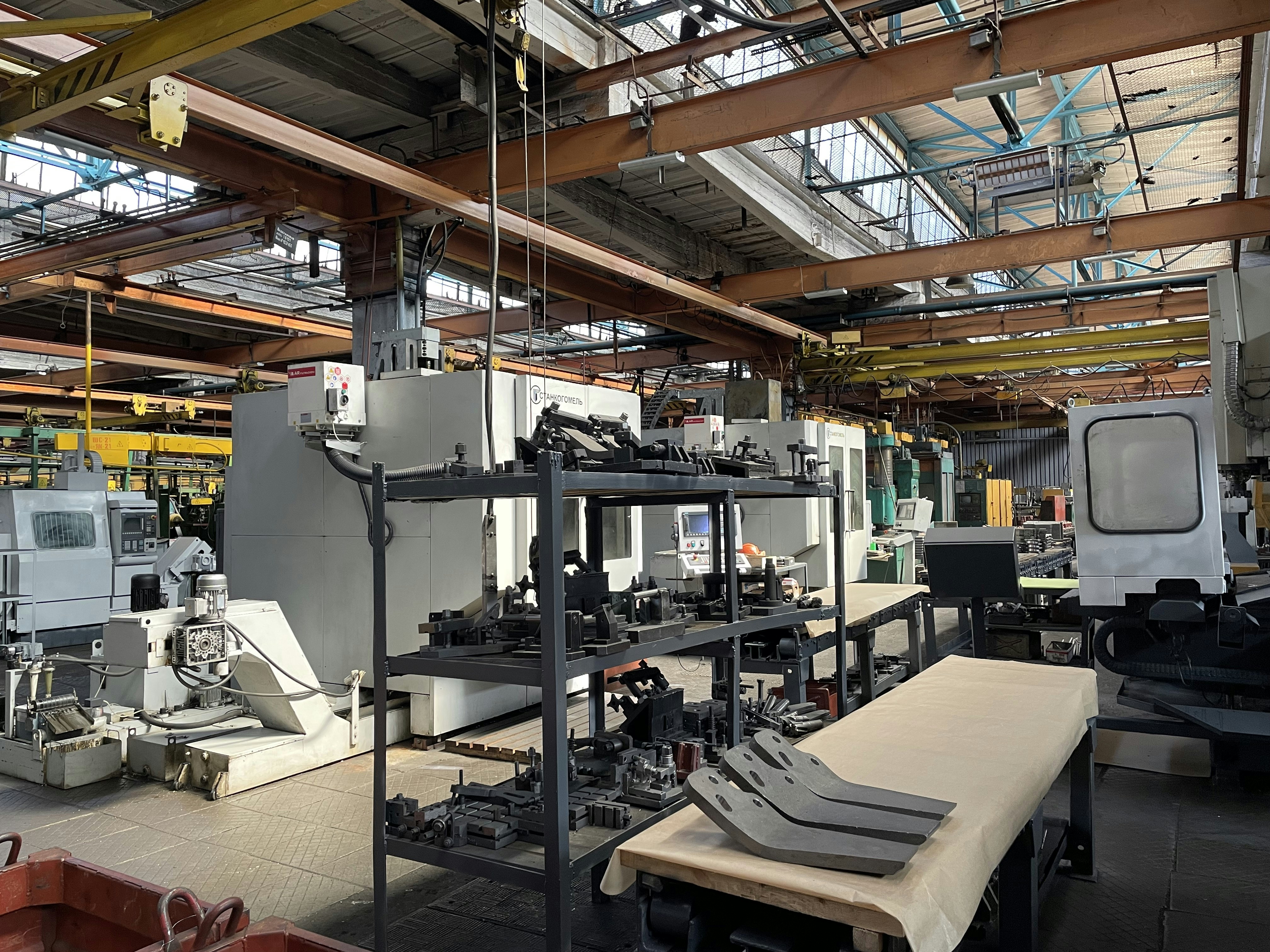
Introduction to CNC Machining
Computer Numerical Control (CNC) machining is a revolutionary technology that has transformed the manufacturing landscape. This method utilizes computer systems to control machine tools, allowing for highly precise and automated production processes. The evolution of CNC machining can be traced back to the 1940s when the first numerical control systems were developed. These initial systems utilized punched tape, a primitive yet innovative method for programming machines, which has since evolved into sophisticated software interfaces that enhance usability and functionality.
At its core, CNC machining operates by translating a computer-aided design (CAD) into precise movements executed by machinery. Through this technique, industries can fabricate intricate parts with minimal human intervention, significantly reducing the possibilities of error and enhancing overall production efficiency. The machines used in CNC machining, such as lathes, mills, and routers, are capable of executing complex tasks that would be challenging or impossible to achieve manually. This capability is particularly valuable in sectors that demand high accuracy, such as aerospace, automotive, and electronics.
The significance of CNC technology extends beyond mere precision; it also contributes to shorter production cycles and reduced operational costs. Manufacturers can produce high volumes of quality parts with less waste and improved resource management. CNC factories are pivotal in advancing productivity, positioning them as essential players within the global manufacturing environment. As industries strive for competitiveness and innovation, the role of CNC machining continues to grow, paving the way for future advancements in manufacturing processes. This introductory overview underscores the importance of CNC technology, particularly in the context of factories that harness its capabilities, such as those found in China.
The Rise of CNC Factories in China
In recent decades, China has emerged as a powerhouse in the field of CNC (Computer Numerical Control) manufacturing, driven by a combination of robust government support, innovative technological advancements, and a rising global demand for precision-engineered parts. The journey of CNC machining in China can be traced back to the early 1990s when the country began to modernize its manufacturing capabilities amidst economic reforms. The adoption of CNC technology marked a significant transformation from traditional machining methods, allowing for greater efficiency, consistency, and accuracy in producing complex parts.
One of the pivotal factors contributing to the rise of CNC factories in China is the substantial investment in infrastructure and education aimed at developing a skilled workforce. The Chinese government recognized the importance of high-tech manufacturing and initiated various policies to attract foreign investment and expertise in the CNC sector. This included the establishment of Special Economic Zones (SEZs) and incentives for companies to develop advanced manufacturing technologies. Additionally, China has prioritized STEM (Science, Technology, Engineering, and Mathematics) education, significantly increasing the number of trained engineers and technicians in the manufacturing sector.
The demand for precision parts is another critical element that has fueled the growth of CNC factories in China. Industries such as automotive, aerospace, and electronics have sought high-quality, customized parts to meet their specifications. A 2020 report indicated that China accounted for over 30% of global CNC machining output, positioning itself as a leading supplier in the international market. Furthermore, advancements in technology, including the integration of automation and AI in CNC processes, have further enhanced productivity and precision, solidifying China’s reputation as a destination for efficient CNC machining solutions.
Key Features of Chinese CNC Factories
Chinese CNC factories have garnered worldwide recognition due to their integration of advanced technology and processes. One of the most notable features is the utilization of state-of-the-art machinery and software that enhance precision and efficiency in manufacturing. These factories often invest heavily in the latest CNC (Computer Numerical Control) equipment, which allows for intricate designs and high-quality production outputs. By incorporating automation and robotics, they reduce human error and increase the consistency of products, making them competitive on a global scale.
Another significant characteristic of CNC factories in China is the availability of a highly skilled workforce. The nation boasts a large pool of trained engineers and technicians who specialize in CNC machining and manufacturing. Educational institutions and vocational training programs contribute to this skilled labor force, ensuring that Chinese factories can maintain high standards of craftsmanship and innovation. This skilled workforce is essential not only for operating advanced CNC machines but also for troubleshooting and implementing enhancements in the production process.
High production capacity is yet another advantage of Chinese CNC factories. They are capable of handling large-volume orders, which is particularly beneficial for businesses seeking mass production. This efficiency is achieved through optimized workflow processes and strategic resource allocation, enabling factories to meet tight deadlines and fluctuating market demands without compromising quality standards.
Moreover, the economies of scale represented by Chinese CNC factories play a crucial role in achieving cost efficiency. By producing large quantities, these factories can reduce the cost per unit, allowing businesses to benefit from lower prices. This is particularly advantageous for international companies looking to source components or products at competitive rates. Overall, the combination of advanced technology, skilled labor, high production capacity, and economies of scale positions Chinese CNC factories as leaders in the global manufacturing landscape.
Benefits of Sourcing from CNC Factories in China
Sourcing products from CNC factories in China offers numerous advantages that can significantly benefit businesses looking to optimize their manufacturing processes. A primary benefit is the reduced labor costs associated with production. China’s vast workforce, coupled with lower wage rates compared to many Western countries, allows companies to achieve significant cost savings while maintaining quality. This financial advantage translates into lower overall manufacturing costs, making it possible for businesses to offer competitive pricing to their customers.
Another critical benefit is the shorter lead times that CNC factories in China can provide. These facilities are equipped with advanced technology and machinery capable of rapid production processes. As a result, companies can get their products to market faster, responding quickly to changing consumer demands and market trends. This efficiency is particularly beneficial for businesses that require just-in-time manufacturing or need to pivot their production based on customer feedback.
In addition to cost-effectiveness and speed, CNC factories in China are renowned for their capability to produce high-quality components. They often employ stringent quality control measures to ensure that the finished products meet international standards. The combination of skilled labor and the latest manufacturing techniques allows these factories to produce intricate and complex parts with precision. Furthermore, the flexibility offered by Chinese CNC factories in terms of customizability cannot be overlooked. These manufacturers can adapt to specific requirements, allowing for tailored solutions that meet unique project specifications.
Rapid prototyping is another key advantage of working with CNC factories in China. This capability enables businesses to create prototypes quickly and efficiently, facilitating the development process and reducing time to market. Overall, sourcing from CNC factories in China presents a strategic opportunity for companies aiming to enhance their production capabilities while simultaneously minimizing costs. These benefits underscore the value of considering Chinese CNC manufacturers as a critical part of a competitive supply chain.
Quality Control and Certification Standards
Quality control is a crucial aspect of manufacturing processes, particularly within CNC factories in China, where adherence to international standards is paramount. These factories employ stringent quality control measures to ensure that each product meets specific industry requirements. Implementing robust quality control protocols helps to minimize defects, manage production costs, and guarantee customer satisfaction. Various methodologies, such as total quality management (TQM) and Six Sigma, are frequently adopted to enhance manufacturing processes and deliver superior products.
One of the key components of quality assurance in Chinese CNC factories is the certification process. Certifications such as ISO 9001 and ISO 13485 are widely recognized and serve as benchmarks for quality management systems. The ISO 9001 certification indicates a commitment to maintaining high-quality standards in production and service, while ISO 13485 focuses on the rigorous requirements of medical device manufacturing. These certifications not only ensure that products are produced to international standards but also enhance the credibility of Chinese manufacturers in the global market.
In addition to ISO certifications, many CNC factories also pursue other certifications such as CE marking, which signifies conformity with health, safety, and environmental protection standards within the European Economic Area. This further exemplifies the dedication to quality and safety that Chinese manufacturers uphold. The ability to demonstrate compliance with these certifications effectively positions Chinese CNC factories as reliable and trustworthy partners for international clientele.
The emphasis on quality control and adherence to established certification standards is instrumental in fostering a positive reputation for Chinese CNC manufacturers globally. By focusing on quality, these factories not only enhance their competitive edge but also contribute to a more sustainable manufacturing landscape.
Common Industries Utilizing CNC Machining in China
CNC machining has emerged as a vital technology across a multitude of industries in China, providing precision and efficiency that are essential for modern manufacturing. One of the leading sectors benefiting from this technology is aerospace. In this industry, CNC machining is utilized to manufacture complex components such as engine parts, fuselage sections, and landing gear components. The precision offered by CNC machines ensures that these critical parts meet stringent safety and performance standards, which are paramount in aviation.
Another significant sector leveraging CNC machining services is the automotive industry. This sector uses CNC technology to create precision parts such as gears, brackets, and engine blocks. The ability to produce these components with high accuracy supports the growing demand for innovation in vehicle design and manufacturing, particularly in the production of electric and hybrid vehicles that require custom parts. The use of CNC machining in automotive manufacturing enhances production efficiency while ensuring reduced waste, further driving sustainability initiatives within the industry.
Electronics manufacturing is another domain that heavily relies on CNC machining. This industry requires precision engineering to produce circuit boards, enclosures, and connectors, which play a critical role in the performance of electronic devices. CNC technology allows for rapid prototyping and production cycles, enabling manufacturers to respond quickly to changes in consumer demand and technological advancements.
Lastly, the medical field is increasingly utilizing CNC machining for the manufacturing of surgical instruments, prosthetics, and implants. The accuracy and repeatability of CNC machines are essential for creating components that meet strict health regulations and function reliably in critical medical applications. The integration of CNC technology in these industries not only streamlines production processes but also facilitates innovation, making it an indispensable aspect of modern manufacturing in China.
Challenges Faced by CNC Factories in China
The landscape of CNC (Computer Numerical Control) manufacturing in China is marked by several challenges that significantly impact its operational efficiencies and sustainability. One of the predominant issues is the rising labor costs. Over the years, labor wages in China have increased, driven by economic growth and changes in worker expectations. This trend poses a challenge for CNC factories that rely on competitive pricing to attract clients in a global marketplace.
Compounding these rising costs is the intense competition from other countries. Nations such as Vietnam, India, and Mexico have emerged as viable alternatives for manufacturing, often offering lower labor costs and similar capabilities. As a result, CNC factories in China must not only leverage their advanced technologies but also demonstrate innovative practices to remain competitive. This necessitates continuous improvement and adaptation, further straining resources as factories strive to keep pace with global developments.
Another significant challenge is the need for continuous technological advancement. The CNC manufacturing sector is characterized by rapid technological evolution, with advances in automation, artificial intelligence, and robotics reshaping standard operational processes. Chinese CNC factories are tasked with staying updated, which requires substantial investment in research and development, training skilled labor, and upgrading existing equipment. Failure to adapt can lead to obsolescence, reducing a factory’s competitiveness in the industry.
Furthermore, environmental regulations have gained prominence in recent years. The Chinese government has enacted stricter environmental standards aimed at reducing pollution and promoting sustainability. CNC factories are increasingly required to implement greener practices, which often involve significant financial investment and shifts in operational procedures. Adapting to these regulations while maintaining productivity demands a delicate balance that many factories continue to navigate.
Future Trends in CNC Manufacturing in China
The landscape of CNC manufacturing in China is on the brink of transformative change, influenced by advancements in technology and the evolving priorities of the industry. One of the most significant trends is the increased automation of manufacturing processes. CNC factories are increasingly adopting automation technologies, enabling higher efficiency and reduced labor costs. Automated CNC machines can operate continuously with precision, minimizing human error and maximizing productivity. This shift is expected to enhance the competitiveness of Chinese manufacturers in the global marketplace.
In addition to automation, the integration of artificial intelligence (AI) into CNC manufacturing is rapidly gaining traction. AI-driven algorithms facilitate predictive maintenance, allowing machines to anticipate potential failures before they occur, thus reducing downtime and maintenance costs. Furthermore, AI can optimize manufacturing processes by analyzing data to improve design and production efficiency. This combination of CNC technology and AI is anticipated to lead to smarter, more responsive manufacturing systems in China.
Another trend reshaping the future of CNC manufacturing in China is the growing emphasis on sustainable manufacturing practices. As global concern for environmental sustainability increases, Chinese manufacturers are beginning to adopt eco-friendly practices. This includes utilizing renewable energy sources, reducing waste, and implementing recycling initiatives within the production cycle. As regulatory frameworks around sustainability become stricter, companies that prioritize environmentally conscious manufacturing will likely gain a competitive advantage.
In conclusion, the future of CNC manufacturing in China appears to be heavily influenced by automation, the integration of artificial intelligence, and sustainable practices. These trends not only signify a shift in operational efficiency but also reflect a broader commitment to innovation and environmental responsibility in the manufacturing sector. As these advancements continue to emerge, they will undoubtedly reshape the way CNC manufacturing operates in China and beyond.
Conclusion: The Global Impact of China’s CNC Factories
In evaluating the role of CNC factories in China, it is evident that they serve as a cornerstone not only for the national economy but also for the broader global manufacturing framework. These factories employ advanced precision technology, enabling the production of high-quality components that are essential across multiple industries, including automotive, aerospace, and electronics. The operational efficiency and scalability of CNC manufacturing in China have positioned it as a pivotal player in international supply chains.
Moreover, the integration of innovative technologies such as automation, artificial intelligence, and data analytics within CNC factories has further enhanced productivity and reduced lead times. As global demand for customized and complex parts continues to grow, China’s CNC factories are ideally situated to provide rapid and flexible manufacturing solutions, addressing the challenges of modern supply chains. The cost-effectiveness of manufacturing in China, coupled with its capacity for large-scale production, makes it an attractive destination for companies seeking to optimize their manufacturing processes.
Looking forward, the future of CNC factories in China appears promising amid a rapidly evolving industrial landscape. As industries increasingly prioritize sustainability and reducing their carbon footprints, the transition towards greener manufacturing practices will likely influence the operational methodologies employed in these factories. Embracing such changes will not only enhance the competitive edge of Chinese CNC manufacturing on a global scale but also contribute significantly to the sustainable development goals set forth internationally.
In conclusion, the significance of CNC factories in China cannot be overstated. Their contributions extend beyond domestic benefits, playing a crucial role in shaping global manufacturing dynamics. As innovation and sustainability become integral to industrial growth, China’s CNC factories are poised to continue their impact, adapting to meet the needs of an ever-changing marketplace.
Wanledecnc-Whether metal or plastic, our CNC processes deliver high precision and consistency. Manual quotation within 8 hours, and engineers provide timely design feedback DFM。Online manual quotes。Support custom colors。Support material custom。DFM feedback is timely。