
Introduction to Kovar
Kovar is a specialized alloy that has garnered attention in various high-tech industries due to its unique properties and versatility. Composed mainly of nickel and cobalt, Kovar typically consists of 29% nickel, 17% cobalt, and 54% iron. This specific composition makes it particularly valuable in applications requiring a low coefficient of thermal expansion, allowing it to maintain dimensional stability across various temperature ranges. Such stability is essential in environments where precise measurements are critical, including electronics and aerospace sectors.
One of the defining characteristics of Kovar is its thermal expansion behavior, which closely aligns with that of typical glass and ceramics. This compatibility makes Kovar an ideal choice for hermetic sealing applications, where a robust bond between different materials is necessary. The ability to fuse Kovar with glass ensures that devices are not only reliable but also maintain integrity under extreme conditions. Furthermore, its low expansion rate mitigates the risk of cracking or warping during the thermal cycling of components.
In addition to its thermal properties, Kovar exhibits excellent mechanical strength and resistance to corrosive environments, enhancing its lifespan and functionality in demanding applications. This makes it suitable for use in various electronic components, including headers, seals, and feedthroughs, which are commonly found in devices such as vacuum tubes and semiconductor packages. The aerospace industry also recognizes Kovar for its capability to withstand rigorous operating environments, ensuring the reliability of critical systems.
Overall, Kovar’s unique combination of thermal stability, mechanical strength, and compatibility with diverse materials positions it as a preferred choice in high-precision industries. As these sectors continue to evolve, the demand for Kovar machining services is likely to grow, highlighting its ongoing significance in manufacturing and engineering applications.
The Importance of Precision Machining in Kovar Fabrication
Kovar, an alloy consisting predominantly of nickel, cobalt, and iron, is renowned for its unique properties, making it essential in various high-tech applications, particularly in the electronics and aerospace industries. The significance of precision machining in Kovar fabrication cannot be understated, as achieving the necessary tolerances and material integrity is critical for producing high-quality components. The intricate nature of this alloy presents several challenges during the machining process that must be meticulously addressed to ensure optimal results.
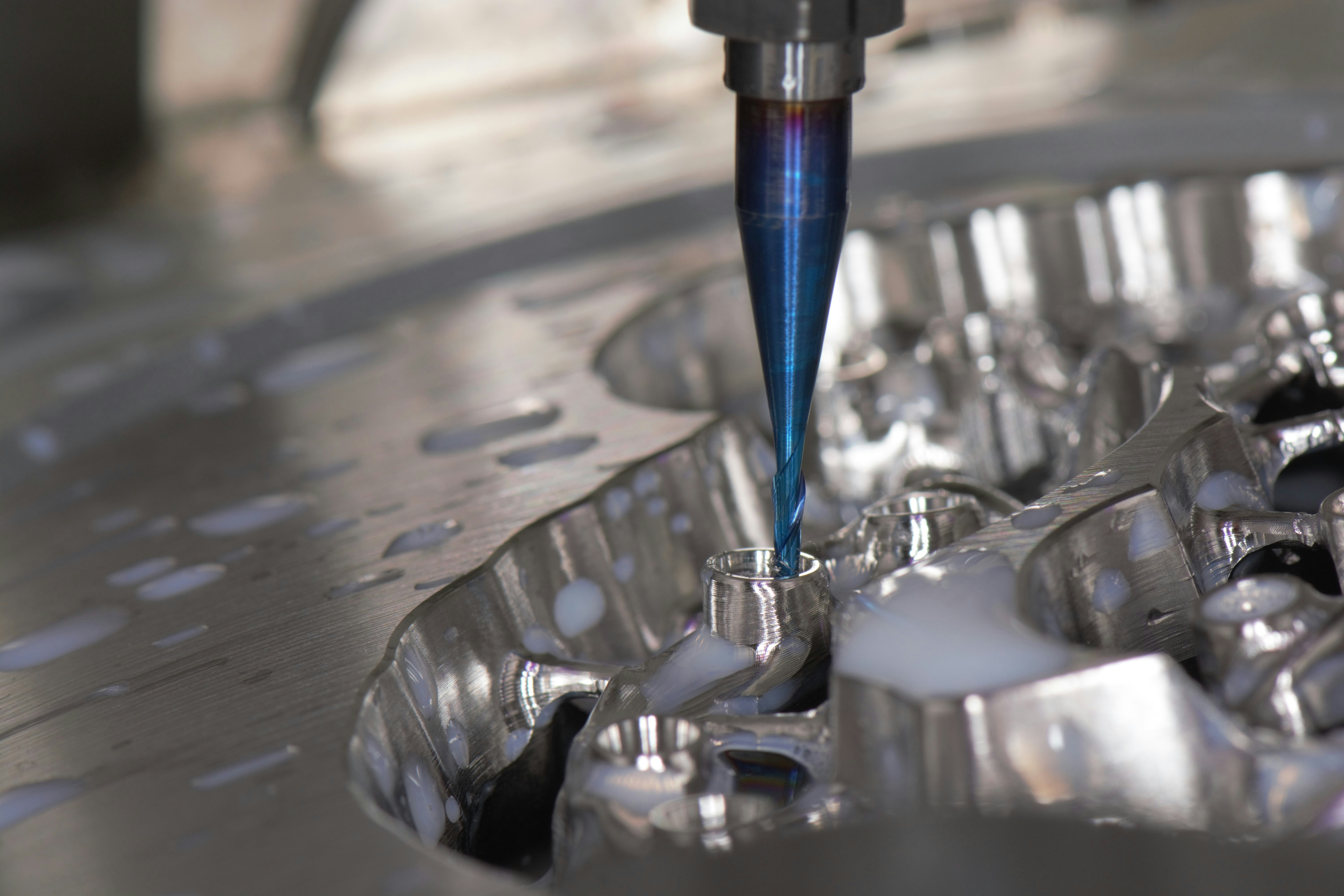
One of the primary challenges associated with machining Kovar is its hardness, which can lead to excessive tool wear and reduced machining efficiency. Additionally, Kovar’s brittleness can result in cracking or chipping during the machining process if not handled correctly. To overcome these difficulties, specialized tools and equipment tailored for Kovar are paramount. High-speed steel and carbide tools, for instance, are often employed to enhance durability and maintain sharp edges throughout the machining process. Moreover, employing proper coolant fluids can significantly reduce heat generated during machining, thereby minimizing thermal stress on the material and preventing structural damage.
Precision machining techniques such as turning, milling, and grinding are commonly utilized when working with Kovar. Turning is typically employed for producing cylindrical shapes with high accuracy, while milling can create complex geometries and flat surfaces essential for various applications. Grinding often comes into play for finishing operations, providing superior surface finishes and dimensional accuracy. Each technique must be executed with precision to meet stringent specifications and the demanding tolerances required in end-use applications.
In conclusion, the importance of precision machining in Kovar fabrication lies in its capacity to produce components that meet high-quality standards while addressing the inherent challenges of the material. By implementing the right tools and techniques, manufacturers can enhance performance and reliability, ensuring Kovar remains a pivotal material in cutting-edge technologies.
Kovar Machining Services: What to Expect
When engaging with professional Kovar machining services, clients can anticipate a comprehensive process that commences with the initial design phase. This phase is crucial, as it allows for the accurate interpretation of specifications and requirements essential to creating high-quality Kovar components. Advanced software tools enable engineers and technicians to create precise models that are tailored to the specific needs of each project.
The typical workflow follows a structured sequence, which includes material selection, initial machining, and assembly. Kovar, known for its unique thermal expansion properties, is an ideal choice for applications that demand high precision in environments with fluctuating temperatures. Subsequently, skilled machinists employ advanced techniques such as CNC machining, ensuring that the components are produced with exacting accuracy and adherence to the design specifications.
Once the initial machining is completed, the next stage involves rapid prototyping. This is a significant advantage offered by modern Kovar machining services, which facilitates the quick production of prototypes. Rapid prototyping allows clients to evaluate the design and functionality of their components before mass production, ultimately contributing to cost savings and time efficiency.
Quality control is a fundamental aspect of Kovar machining services, encompassing rigorous inspection standards to ensure each product meets stringent specifications. The use of state-of-the-art measurement equipment and testing procedures guarantees that the final products exhibit the necessary levels of precision and reliability. As such, businesses can confidently integrate these components into their applications, knowing that they meet both performance and safety criteria.
Outsourcing Kovar machining services offers numerous benefits for businesses, including reduced overhead costs and access to specialized expertise. By partnering with established machining service providers, companies can focus on their core competencies while leveraging advanced technology and skilled personnel to enhance their product offerings.
Applications and Future Trends in Kovar Machining
Kovar machining services are increasingly recognized for their precision and reliability across a wide array of applications. One of the most notable fields is telecommunications, where Kovar components play a crucial role in ensuring reliable connections and minimizing signal loss. Their thermal expansion compatibility with glass makes them ideal for hermetic seals in telecommunications devices, contributing to longer lifespan and enhanced performance of these systems.
Another significant area of application is the medical device industry. Kovar’s biocompatibility and resistance to corrosion make it suitable for fabricating components such as implants and surgical instruments. With the rising demand for sophisticated medical devices, the need for precise machining of Kovar parts is likely to increase, especially where miniaturization and enhanced functionality are paramount.
The aerospace sector also benefits from the distinct properties of Kovar. Its ability to maintain structural integrity under extreme conditions allows for its use in mission-critical components within satellites and aircraft. As the aerospace industry continues to evolve, Kovar’s adaptability will likely lead to more innovative applications, particularly in next-generation technologies aimed at improving fuel efficiency and reliability.
Looking toward the future, advancements in technology and material science will significantly influence Kovar machining services. Techniques such as additive manufacturing and multi-axis machining are set to enhance machining efficiency, allowing for greater complexity and precision in designs. Furthermore, innovations in coating technologies could improve the wear resistance of Kovar components, expanding their applicability.
Additionally, as industries strive for sustainability, the development of recyclable Kovar alloys could emerge as a key trend, reducing waste and promoting a circular economy. In conclusion, the applications of Kovar machining are broad and diverse, and with ongoing technological advancements and innovations, its role in various sectors is expected to expand even further.