
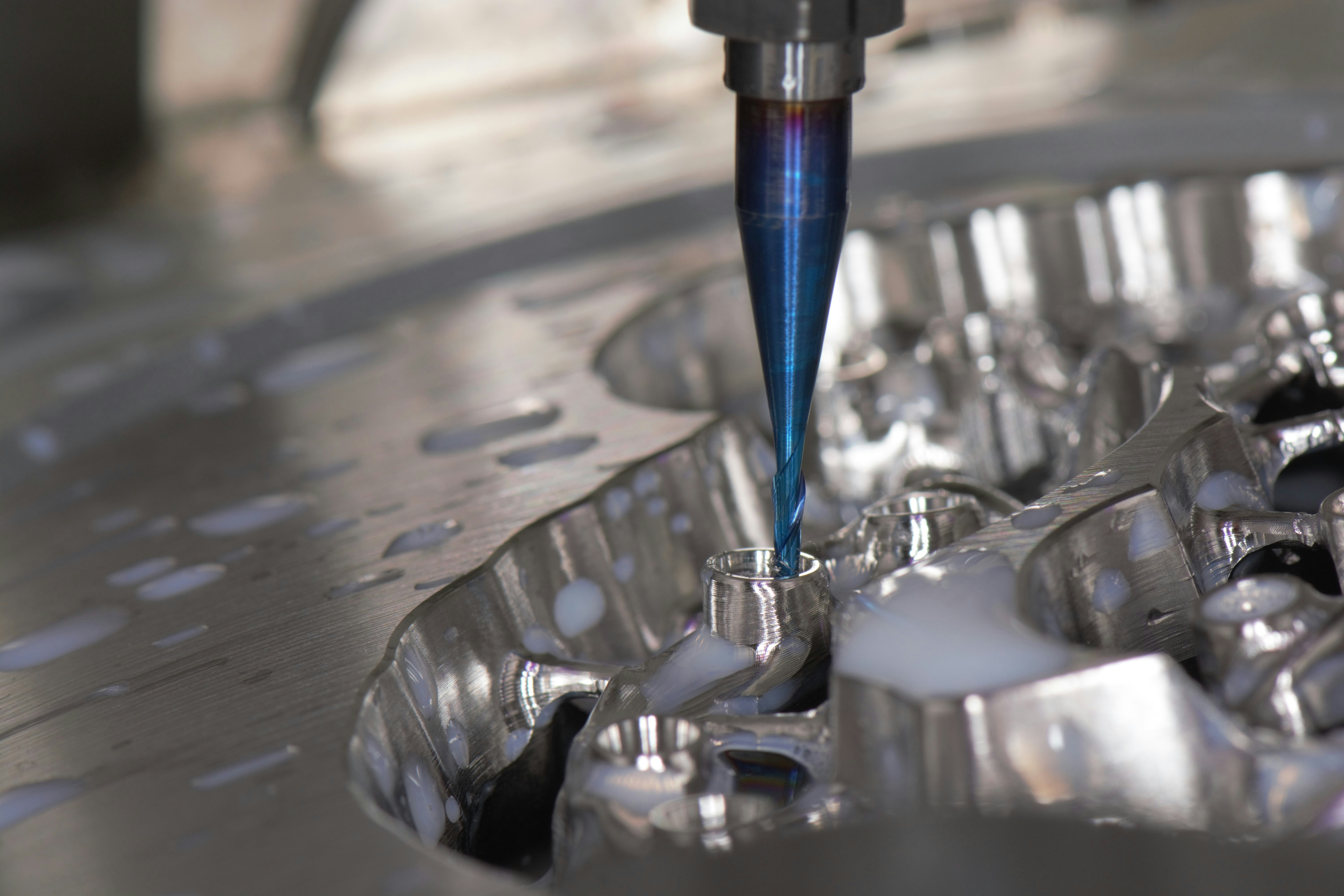
Introduction to CNC Machining
CNC machining, or Computer Numerical Control machining, represents a revolutionary advancement in the field of manufacturing. Essentially, it utilizes computer software to control machine tools such as mills, lathes, and routers. The core concept revolves around the automation of control through computer systems, which allows for precise and consistent production of components across various industries. This technology significantly enhances the efficiency, accuracy, and repeatability, addressing some of the critical limitations associated with traditional machining methods.
In traditional machining, operators manually control the machinery, which is often subject to human error and variances in skill levels. This not only can lead to inconsistencies in product quality but also significantly slows down the manufacturing process. In contrast, CNC machining is programmed to perform a series of tasks with minimal human intervention. The programmer inputs a design into the computer, which then translates it into machine operations, yielding high precision and a more streamlined workflow.
One of the most substantial benefits of CNC machining is its capability to produce complex geometries that may be difficult or impossible to achieve by manual methods. By utilizing advanced programming languages like G-code, CNC machines can execute intricate cutting, drilling, and shaping tasks with remarkable speed. Moreover, they are able to work with a wide range of materials, including metals like aluminum, plastic, wood, and composites, making them versatile tools in any manufacturing setting.
The adoption of CNC machining has become increasingly prominent, as industries strive for optimization to meet growing demands for quality and efficiency. Whether in aerospace, automotive, or consumer goods production, CNC machining has solidified its role as a critical driver in modern manufacturing, setting standards for what is possible in component fabrication.
Understanding Aluminum as a Material
Aluminum is widely recognized for its unique set of properties that make it a favorable material choice across various industries. One of the most notable characteristics of aluminum is its lightweight nature, which is a significant advantage in applications where reducing weight is crucial. This inherent lightness allows for easier handling and lower transportation costs, making aluminum particularly valuable in the automotive and aerospace sectors.
Another critical property of aluminum is its excellent corrosion resistance. When exposed to air, aluminum undergoes a natural oxidation process that forms a protective layer on its surface. This layer acts as a shield, preventing further corrosion, thus allowing aluminum components to maintain their integrity even in harsh environments. This attribute is especially beneficial in construction, marine, and outdoor manufacturing applications, where materials are frequently subjected to moisture and varying weather conditions.
Thermal conductivity is another important property of aluminum that enhances its usability. Its ability to efficiently conduct heat makes it an ideal material for heat exchangers and cooling systems. Industries that require effective temperature control in machinery or electronic devices often incorporate aluminum due to its superior thermal management characteristics.
Furthermore, aluminum is known for its ease of machining, which significantly contributes to its popularity in the manufacturing sector. CNC (Computer Numerical Control) machining processes allow for the rapid production of intricate aluminum parts without compromising precision. This ease of fabrication enables engineers to create customized components that meet specific design requirements, thus facilitating innovation in product development.
Overall, the combination of lightweight nature, corrosion resistance, thermal conductivity, and ease of machining makes aluminum a highly versatile material. These properties not only enhance its appeal in manufacturing but also support the creation of efficient, durable products in various sectors.
The CNC Machining Process for Aluminum
The CNC (Computer Numerical Control) machining process for aluminum is a carefully delineated operation that involves several critical steps, ensuring efficiency and precision throughout the fabrication of components. The initial phase of this process begins with design. Designers utilize CAD (Computer-Aided Design) software to create detailed 3D models of the desired part, allowing for customization while showcasing the precise dimensions and geometries required. These design plans are crucial for setting the specifications that will guide the subsequent manufacturing stages.
Once the design is finalized, the next step is programming, which involves converting the CAD model into a format that CNC machines can interpret. This is achieved using CAM (Computer-Aided Manufacturing) software, which generates the necessary G-code, a machine-readable language that instructs the CNC machine how to move and execute machining tasks. Effective CAM programming is essential as it significantly impacts the machining process’s efficiency and accuracy, ensuring that the production meets high standards.
Following programming, the CNC machining operations commence. The selected aluminum stock material is secured in the CNC machine, and the cutting tools are configured based on the specific machining requirements. The machine then executes the programmed commands, employing various machining techniques such as milling, turning, or drilling as dictated by the design. These operations are not only precise but also capable of producing complex shapes, making CNC machining highly adaptable for aluminum manufacturing.
Finally, finishing techniques are employed to enhance the part’s surface quality and functionality. This may include processes such as anodizing, powder coating, or polishing, which improve corrosion resistance and aesthetic appearance. By combining these steps, the CNC machining process efficiently transforms raw aluminum into high-quality parts, catering to various industries that demand precision-engineered components.
Advantages of CNC Machining Aluminum
CNC machining aluminum offers a multitude of benefits that make it an ideal choice for manufacturing components across various industries. One of the primary advantages is precision. CNC machining utilizes computer numerical control to guide the tools with an exceptional level of accuracy, ensuring that components are manufactured to exact specifications. This high degree of precision is crucial, particularly in industries such as aerospace and automotive, where even minor deviations can result in significant performance issues or failures.
Alongside accuracy, CNC machining provides remarkable repeatability. Once a design is programmed into the CNC system, it can be reproduced countless times with little to no variation. This characteristic is especially valuable for production runs, where maintaining consistent quality is essential. Companies can rely on CNC machining for aluminum parts that meet stringent quality standards, thus enhancing overall production efficiency and reliability.
Efficiency is another significant advantage associated with CNC machining of aluminum. The automated nature of CNC processes allows for high-speed production, which can drastically reduce manufacturing lead times. Additionally, CNC machines can run continuously, minimizing downtime and maximizing productivity. This feature not only accelerates the production cycle but also enables manufacturers to meet tight deadlines or accommodate urgent orders more effectively.
Moreover, CNC machining can contribute to reduced waste, a benefit that is increasingly important in today’s environmentally conscious market. The precision of CNC machining means that material usage is optimized, leading to less scrap and waste generated during the machining process. This efficiency in material use not only benefits the environment but also reduces costs associated with excess material purchases, thus enhancing profitability.
Applications of CNC Machined Aluminum
CNC machined aluminum is a versatile component widely used across various industries due to its favorable properties such as lightweight, strength, and corrosion resistance. The aerospace industry, for instance, employs CNC aluminum parts in aircraft structures and interior components. The lightweight nature of aluminum significantly boosts fuel efficiency while maintaining structural integrity. Wing brackets, engine mounts, and fuselage frames are just a few examples of how aluminum is machined with precision to meet stringent aerospace standards.
In the automotive sector, CNC machined aluminum has become increasingly prevalent in the manufacturing of engine components, wheels, and transmission housings. The demand for lighter vehicles to improve fuel efficiency has driven automotive engineers to seek high-quality machined aluminum parts. Examples of these parts include cylinder heads, gearbox casings, and suspension components, showcasing the blend of strength and reduced weight that CNC machined aluminum offers.
The electronics industry also utilizes CNC machined aluminum for various applications, including enclosures, heat sinks, and brackets. The excellent thermal conductivity of aluminum is particularly beneficial in cooling systems for electronic devices, facilitating heat dissipation effectively. Products such as mobile phone cases, laptop frames, and electronic housings exemplify the effective integration of CNC machining technology to produce intricate designs and precise dimensions essential for modern electronics.
Moreover, the medical device industry has seen a rise in the adoption of CNC machined aluminum components. Items such as surgical instruments, orthopedic implants, and housing for medical equipment benefit from the biocompatibility and strength of aluminum. The ability to produce custom-designed components that meet regulatory standards while ensuring reliability and safety is a significant advantage provided by CNC machining technology in the medical field.
Common Challenges in CNC Machining Aluminum
CNC machining of aluminum offers a multitude of advantages, but it is also accompanied by several challenges that professionals must navigate for successful operations. One of the primary issues encountered during machining is tool wear, which can significantly impact the quality of the finished product. Aluminum is known for its soft and ductile properties, making it susceptible to rapid tool degradation when utilizing standard cutting tools. To mitigate this challenge, it is advisable to employ tools specifically designed for aluminum machining, such as those made from carbide or coated with specialized materials that enhance durability and reduce friction.
Another challenge prevalent in CNC machining of aluminum is chip formation. The way chips are formed during the cutting process can affect both efficiency and surface quality. Unlike harder materials, aluminum can produce long and continuous chips that may tangle and impede the machining process. To address this, employing optimal cutting parameters—such as adjusting spindle speed and feed rate—can help in producing shorter chips. Additionally, using chip-breaking geometries on tools can further facilitate effective chip removal, enhancing the overall machining performance.
Moreover, coolant application and temperature management are crucial when machining aluminum. The heat generated during the process can lead to thermal expansion, which negatively affects precision. Conventional coolant strategies may not suffice; hence, utilizing specialized cooling methods, such as through-tool or mist cooling systems, is recommended. These methods not only reduce the temperature but also aid in chip evacuation, ensuring consistent and accurate results throughout the machining process.
In summary, while CNC machining aluminum presents some challenges such as tool wear, chip formation, and the need for effective cooling methods, proactive strategies and specialized tools can help counteract these issues. Proper planning and execution will ultimately contribute to achieving high-quality machining outcomes.
Selecting the Right CNC Machine for Aluminum
When it comes to CNC (Computer Numerical Control) machining, choosing the right machine for aluminum processing is a crucial decision that can significantly impact production efficiency and output quality. One of the primary considerations is the machine size. CNC machines come in various configurations, from small benchtop models to large industrial units capable of machining sizeable aluminum workpieces. It is essential to evaluate the dimensions of the parts you intend to manufacture, as well as the available space in your workshop, to ensure that the selected machine fits both your production needs and physical environment.
Another important aspect to consider is the type of tooling the CNC machine can accommodate. Aluminum, due to its unique properties, often requires specialized cutting tools to achieve optimal performance. Factors such as tool material, geometry, and coating can influence the machining efficiency and the surface finish of the aluminum components. Machines that support a wide range of tooling options will provide greater versatility, enabling manufacturers to adapt to different production requirements.
Precision is another critical criterion. The required tolerances for aluminum parts can vary based on the application’s nature, with some industries demanding extremely tight tolerances. Thus, selecting a CNC machine with the capability to deliver the necessary precision is vital. Additionally, consider the CNC machine’s feed rates and spindle speeds, as aluminum requires specific settings to prevent issues like overheating or tool wear during machining.
Lastly, assess the overall capabilities of the CNC machine. Features such as multi-axis machining, automated tool changers, and advanced control systems can enhance your production workflow. In summary, when selecting a CNC machine for aluminum machining, prioritize size, tooling options, precision requirements, and overall capabilities to ensure that the machine meets your unique production demands.
Future Trends in CNC Machining and Aluminum Applications
The CNC machining industry is witnessing significant transformations driven largely by advancements in technology and shifts in market demands. As manufacturers seek to improve efficiency and precision, automation has emerged as a crucial trend. Industries are increasingly adopting automated machining processes to enhance productivity and minimize human error. The integration of collaborative robots (cobots) with CNC machines is revolutionizing workflows, allowing for more sophisticated, streamlined operations and reduced cycle times.
Another noteworthy trend is the rise of additive manufacturing, often regarded as 3D printing. This technology is increasingly being integrated alongside traditional CNC machining methods. The fusion of these processes allows for the creation of complex geometries and bespoke designs in aluminum components that were previously unattainable. As a result, manufacturers can optimize material usage, reduce waste, and offer tailored solutions to their clients, thus broadening the scope of aluminum applications in various sectors.
Moreover, the demand for lightweight materials is leading to a growing interest in aluminum components across industries, especially in aerospace and automotive sectors. The shift towards sustainable practices encourages the use of aluminum not only for its lightweight properties but also for its recyclability, making it an eco-friendly choice. As industries strive to meet stringent regulations and promote green initiatives, aluminum’s role in CNC machining is poised to expand proportionally.
Additionally, innovations in software for CNC machining are paving the way for smarter manufacturing solutions. Advanced software tools enable more precise simulations and machining processes, significantly enhancing the overall efficiency and output quality. These innovations, coupled with the increasing demand for custom aluminum components, signify a promising future for CNC machining.
Conclusion
CNC aluminum machining has emerged as a pivotal process in the landscape of modern manufacturing, enhancing efficiency and precision across various industries. The ability to utilize computer numerical control technology allows for remarkable accuracy in machining aluminum components, facilitating the production of intricately designed parts that meet rigorous specifications. The superior machinability of aluminum, combined with the capabilities offered by CNC technology, has positioned this process as an optimal choice for industries ranging from aerospace to automotive and beyond.
Moreover, the lightweight nature of aluminum coupled with its corrosion resistance presents a multitude of advantages in applications where weight reduction is critical. This characteristic is particularly valuable in aerospace and automotive sectors, where the demand for fuel efficiency drives the need for lightweight materials. The precision offered by CNC aluminum machining ensures that manufacturers can produce components that do not compromise on quality while achieving the desired performance outcomes.
The advancements in CNC machining technologies have also fostered innovation, enabling future developments that prioritize sustainability and cost-effectiveness. As industries increasingly seek to optimize production processes, the adoption of CNC aluminum machining continues to grow, providing manufacturers with a viable solution to meet both current and emerging challenges. The versatility of aluminum allows for a wide range of applications, ensuring that CNC aluminum machining remains relevant in a constantly evolving market.
In conclusion, the impact of CNC aluminum machining is profound, as it not only streamlines manufacturing processes but also encourages greater creativity in design and production. By embracing the benefits of CNC technology, businesses can continue to evolve in a competitive landscape, driving forward the capabilities and potential of modern manufacturing.