
Introduction to CNC Machining
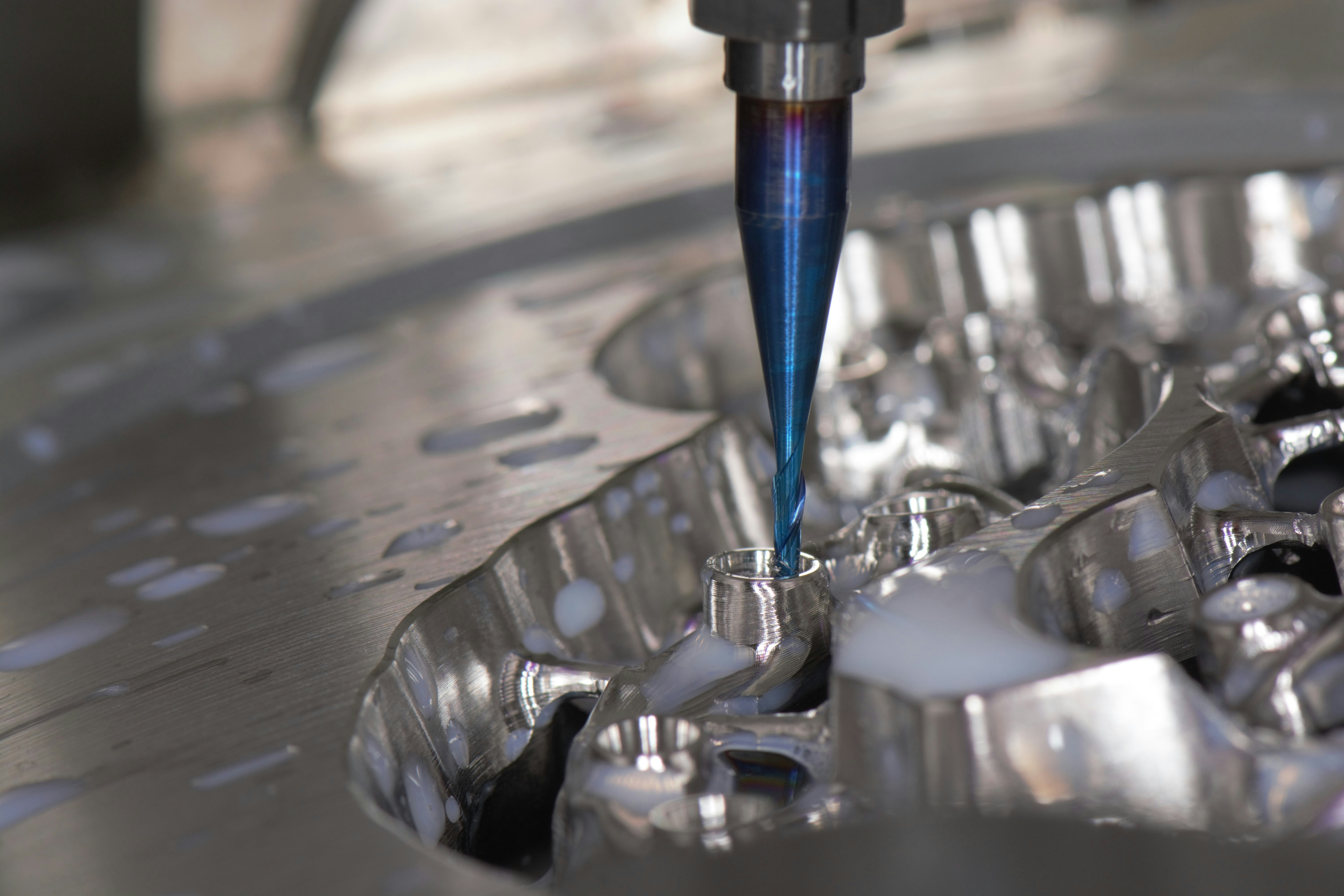
CNC machining, or Computer Numerical Control machining, is a transformative technology that revolutionizes manufacturing processes through automation and precision engineering. At its core, CNC machining employs computer systems to control the movements of machines, enabling the production of complex components with minimal human intervention. This innovative approach enhances efficiency and accuracy, making it an essential element in modern industrial applications.
The fundamental principle behind CNC machining involves translating designs from computer-aided design (CAD) software into a specific set of instructions that a CNC machine can interpret. These instructions dictate the machine’s movements, tool changes, and machining parameters, allowing for the precise fabrication of parts from various materials, including metals, plastics, and composites. The result is a highly consistent production process that is crucial for industries requiring high-quality components, such as aerospace, automotive, and electronics.
There are several types of CNC machines, each designed for specific machining tasks. The most common CNC machines include milling machines, lathes, routers, and laser cutters. CNC milling machines employ rotary cutters to remove material from a workpiece, creating intricate shapes and features. In contrast, CNC lathes rotate the workpiece against a stationary cutting tool to achieve cylindrical forms. CNC routers are used primarily for cutting and shaping softer materials, while laser cutters utilize concentrated light beams for precise cutting and engraving of various substances.
Understanding the types of CNC machines and their respective applications is vital for industries looking to harness the potential of CNC machining services. As businesses strive for increased productivity and reduced production costs, the significance of CNC machining technology continues to grow, shaping the future of manufacturing. The advancements in CNC technology have also led to a greater availability of CNC machining services in various regions, including significant global players like China.
Benefits of CNC Machining Services in China
China has emerged as a leading hub for CNC machining services, attracting businesses across different sectors seeking to enhance their operational efficiency and reduce production costs. One of the primary advantages of outsourcing CNC machining to China lies in its cost-effectiveness. Labor and operational expenses in China are often significantly lower than those in developed countries, making it possible for companies to save money without compromising on quality. This cost advantage allows both small and large businesses to access high-value manufacturing without straining their budgets.
In addition to financial considerations, CNC machining services in China are recognized for their rapid production capabilities. The country has invested heavily in its manufacturing infrastructure, enabling a swift turnaround from design to finished product. This efficiency is particularly beneficial for businesses that require quick prototyping to meet market demands or need to scale production rapidly in response to fluctuating order volumes. The ability to produce high volumes in a short timeframe ensures that companies remain competitive and can respond proactively to customer needs.
Moreover, Chinese CNC machining facilities are equipped with advanced technologies and state-of-the-art machinery. This access to modern equipment not only enhances precision and quality but also expands the range of services offered, such as complex designs and customized solutions. With skilled engineers and technicians who are well-versed in the latest machining techniques, businesses can expect superior results that align with international standards.
Overall, the combination of cost savings, fast production, and access to technological innovations positions CNC machining services in China as an attractive option for companies looking to optimize their manufacturing processes. These benefits contribute to improved efficiency and competitiveness, making it a strategic decision for businesses seeking to thrive in a dynamic market environment.
Types of CNC Machining Services Offered
CNC machining services encompass a range of advanced manufacturing processes that are pivotal in producing high-precision components across various industries. In China, several types of CNC machining services are available, including CNC milling, CNC turning, wire EDM, and CNC engraving, each serving distinct applications and material types.
CNC milling involves the use of rotary cutters to remove material from a workpiece. This method is versatile and can produce complex shapes and surface finishes. It is particularly well-suited for materials such as metals, plastics, and wood, making it a preferred choice for manufacturing parts like brackets, housings, and intricate geometries. The precision offered by CNC milling is crucial in sectors such as aerospace and automotive, where accuracy is paramount.
CNC turning, on the other hand, is employed to produce cylindrical parts by rotating the workpiece while a stationary cutting tool removes material. This process is highly efficient for creating components like shafts, bushings, and fittings. Typical materials processed in CNC turning include a variety of metals and plastics, allowing manufacturers to achieve tight tolerances and excellent surface finishes.
Wire EDM (Electrical Discharge Machining) is another sophisticated technique that excels in cutting hard materials with high precision. This method utilizes a thin wire electrode to erode material, making it an ideal choice for applications that require detailed contours and complex shapes. Common materials suitable for wire EDM include tool steels, titanium, and various alloys.
Lastly, CNC engraving is utilized for creating intricate designs, text, and logos on a variety of surfaces. This service is invaluable for businesses seeking to personalize products or enhance branding. CNC engraving can be performed on materials such as metal, plastic, and wood, producing aesthetically appealing results while maintaining precision.
In summary, China offers diverse CNC machining services, which cater to a wide array of applications and materials. Understanding the nuances of each type can guide clients in selecting the most suitable option for their manufacturing needs.
Quality Control Standards in CNC Machining
Quality control is an essential aspect of CNC machining services, especially in a manufacturing hub like China. Implementing stringent quality control standards ensures that products meet specified requirements and adhere to international benchmarks. The most recognized standards in this domain include ISO 9001 and IATF 16949, both of which set the foundation for effective quality management systems.
ISO 9001 is widely regarded as the international standard for quality management systems (QMS). It provides a framework for organizations to ensure consistent quality in their products and services. Manufacturers in China seeking ISO 9001 certification must demonstrate their ability to enhance customer satisfaction through efficient processes and continual improvement. This certification not only signifies a commitment to quality but also builds trust among global partners and clients.
IATF 16949, on the other hand, is a specific standard tailored for the automotive industry. It builds upon the principles of ISO 9001 while addressing the unique requirements of automotive suppliers. Compliance with this standard ensures that manufacturers can provide high-quality components that meet the rigorous demands of the automotive sector. Many CNC machining companies in China pursue IATF 16949 certification to cater to international automotive clients, reinforcing their dedication to quality and reliability.
In addition to these certifications, manufacturers often implement a variety of quality control processes throughout the production cycle. These may include regular inspections, statistical process control (SPC), and advanced metrology techniques to assess part dimensions and tolerances. By incorporating these practices, CNC machining services can identify and rectify defects promptly, ultimately leading to enhanced product reliability before delivery. As quality control remains a priority in CNC machining, adherence to established standards and continuous improvement practices will ensure long-term success and satisfaction in this highly competitive market.
Choosing the Right CNC Machining Partner in China
Choosing the right CNC machining service provider in China is a critical decision for businesses looking to enhance their production capabilities. The vast array of options available can be overwhelming; however, focusing on specific criteria can simplify the selection process and ensure you partner with a competent and reliable manufacturer.
First and foremost, experience is a key factor to consider. An established CNC machining provider is likely to have deeper expertise and insight into the complexities of machining processes. Look for companies that have demonstrable experience in your specific industry or product type. This familiarity can substantially influence the quality and precision of the final product, and they are more likely to offer valuable advice on design efficiencies.
Next, assess the reputation of potential partners. Reviews and testimonials from previous clients can provide valuable insights into a company’s reliability and quality of work. It is advisable to examine case studies or request references directly from the CNC machining service provider to validate their claims and capabilities. A solid reputation typically indicates a commitment to excellence and customer satisfaction.
Technological capabilities also play a significant role in the decision-making process. CNC machining technology is constantly evolving, so ensure your potential partner utilizes the latest advancements and equipment. This will not only improve the accuracy and consistency of machining but also minimize lead times and production costs. Inquire about their machining materials and processes to ensure they align with your project’s needs.
Lastly, effective customer support is indispensable. A responsive partner will facilitate smooth communication throughout the project lifecycle, helping to address any concerns that may arise swiftly. Establishing a rapport with potential partners and discussing your requirements openly can help foster a productive working relationship. By considering these essential criteria, you can confidently select a CNC machining service provider in China that aligns with your business objectives.
Cost Considerations for CNC Machining Services
CNC machining services in China can be an attractive option for businesses seeking quality manufacturing solutions at a competitive price. However, understanding the various cost factors involved is essential for effective budgeting and financial planning. Several components contribute to the overall cost of CNC machining, and each can significantly impact the final quote you receive.
One of the primary cost factors is material selection. The type of material, such as aluminum, stainless steel, or plastic, plays a crucial role in determining expenses. Each material comes with its own price point, availability, and machining difficulty, which ultimately affects the total costs. For instance, common materials like aluminum are generally less expensive than exotic metals, which can raise production costs.
Labor costs also significantly influence the price of CNC machining services in China. Although labor in China is often more affordable compared to Western countries, skilled labor is required for precise and complex machining tasks. As such, the intricacy of the design can lead to variations in labor costs. Highly specialized machining will typically incur higher labor expenses due to the expertise required.
Tooling costs are another factor to consider. The initial investment in tooling, which includes the production of the necessary tools and fixtures, can be substantial. However, this cost is generally amortized over high-volume runs, meaning that producing larger quantities may lead to a lower cost per unit. Therefore, understanding your production volume is vital, as it can dramatically influence the total cost of the CNC machining project.
In conclusion, navigating the cost considerations associated with CNC machining services in China requires a comprehensive understanding of material costs, labor, tooling, and volume pricing. By analyzing these factors, businesses can make informed decisions and better manage their budgeting for machining projects.
Timeline and Process of CNC Machining Projects
The timeline and process of CNC machining projects can vary significantly based on project complexity and specific client requirements. Typically, a CNC machining project unfolds through several key stages: design, prototyping, production, and delivery. Understanding each stage and its respective timeframe is crucial for clients aiming to plan their projects effectively.
The initial phase is design, where clients provide specifications and drawings, often utilizing Computer-Aided Design (CAD) software to create detailed models. This stage may take anywhere from a few days to several weeks, depending on the intricacy of the design and the level of detail required. Effective communication during this phase is essential to ensure that both parties have a clear understanding of the final product, which can prevent delays later on.
Once the design is finalized, prototyping begins. This stage serves as a crucial step for evaluating the design’s functionality and aesthetics. A prototype can be developed in approximately one to two weeks. By reviewing the prototype, clients can identify any necessary design adjustments before moving to production, thereby reducing the risk of costly alterations later in the process.
The production phase follows, which is when the actual CNC machining occurs. This phase’s duration can vary based on the project’s scale, often taking anywhere from a few days to several months. Factors influencing this timeline include the materials used, the complexity of the parts being machined, and the capacity of the manufacturing facility. As production progresses, real-time updates can keep clients informed and engaged.
Finally, the delivery stage involves shipping the completed components to the client. This stage typically requires additional time, depending on distance, logistics, and any customs considerations. In essence, the entire CNC machining workflow may take several weeks to a few months, making it essential for clients to plan ahead while being mindful of potential unforeseen delays.
Case Studies: Successful CNC Machining Projects in China
China’s prominence in the global manufacturing landscape can be attributed, in part, to its advanced CNC machining capabilities. Numerous successful CNC machining projects have demonstrated the efficiency, precision, and versatility of services offered by Chinese manufacturers across various industries. This section delves into three notable case studies, showcasing challenges faced, solutions implemented, and the successful outcomes achieved.
The first case study involves a multinational automotive parts supplier aiming to produce complex engine components. The challenge lay in achieving tight tolerances required for performance and safety standards. The Chinese CNC machining service provider employed multi-axis machining technologies combined with advanced CAD/CAM software, allowing for the rapid prototyping of intricate designs. The results were impressive: components were produced with a 30% reduction in lead time and remained within the specified tolerances, reinforcing the manufacturer’s commitment to quality.
In another instance, a consumer electronics company sought to manufacture high-precision housings for a new product line. The project faced the challenge of fluctuating material costs, which threatened project feasibility. The solution derived from the Chinese CNC machining services involved strategic material sourcing and the adoption of lean manufacturing principles. By streamlining the manufacturing process and optimizing resource allocation, the project not only realized significant cost savings but also accelerated the entire production cycle, ensuring timely delivery without compromising quality.
A final case study highlights a medical device manufacturer that required custom components for a cutting-edge surgical instrument. The intricacies of medical regulations posed significant hurdles, but the Chinese CNC machining firm adeptly navigated compliance requirements while leveraging its expertise in bio-compatible materials. Ultimately, the project resulted in high-precision components that exceeded performance expectations and achieved necessary regulatory approvals, exemplifying the capabilities of CNC machining services in the medical sector.
These case studies illustrate the broad application of CNC machining services in China, underscoring the potential for innovative solutions that address complex challenges while delivering remarkable results across diverse industries.
Future Trends in CNC Machining and China’s Role
The landscape of CNC machining is evolving rapidly, influenced by several emerging trends aimed at improving efficiency, productivity, and product quality. One notable trend is the increasing incorporation of automation technologies into CNC machining processes. Automation has significantly enhanced operational precision and throughput, allowing manufacturers to produce parts with minimal human intervention. This shift not only reduces the likelihood of errors but also lowers production costs, thereby establishing a more competitive edge in global markets.
Another prominent trend is the integration of artificial intelligence (AI) within CNC machining systems. AI technologies are being utilized to analyze vast amounts of data, improve predictive maintenance, and optimize machining parameters in real-time. This capability enables manufacturers to anticipate equipment failures before they occur and adapt their operations to maximize output. The confluence of AI with CNC machining promises a new era of smart manufacturing, which places China at the forefront due to its robust investment in both technology and infrastructure.
Additionally, there is a growing focus on advanced materials within the CNC machining sector. As industries demand components that offer enhanced performance and durability, manufacturers are exploring high-performance materials, such as composites and superalloys. China, as a leading producer, is adapting to these demands by investing in research and development to create innovative machining methods that can effectively handle such materials. This proactive approach not only ensures that Chinese manufacturers remain competitive but also reinforces the nation’s global standing as a manufacturing powerhouse.
As CNC machining continues to evolve, it is imperative for China’s manufacturing sector to embrace these trends. By leveraging automation, integrating AI, and focusing on advanced materials, China is poised to maintain its dominant role in the global CNC machining industry while navigating challenges posed by emerging technologies and changing market dynamics.