
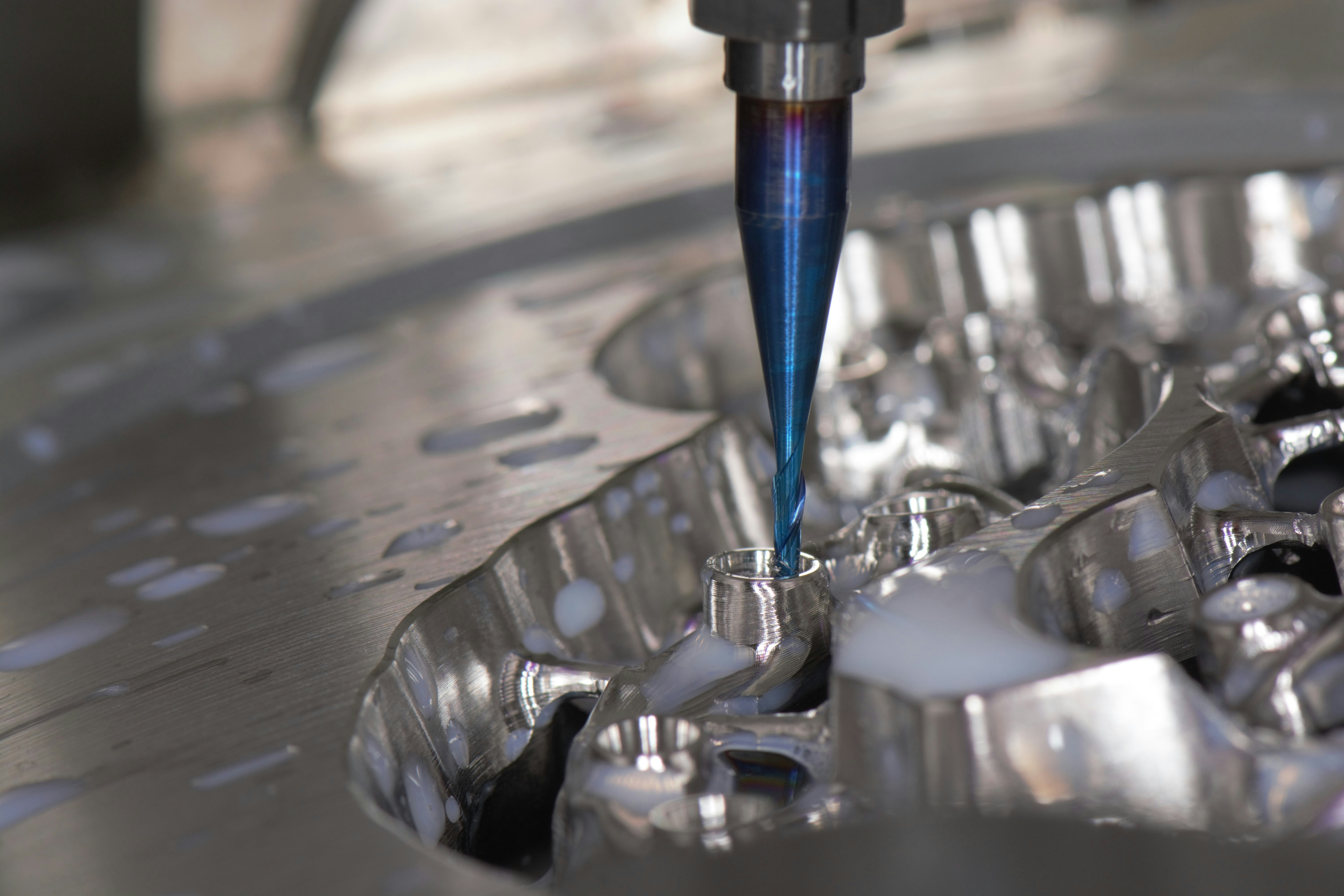
Introduction to Acrylic CNC Machining
CNC (Computer Numerical Control) machining has transformed manufacturing processes by providing precision, efficiency, and repeatability. This technique utilizes computer systems to control machinery, enabling intricate designs and high-quality finishes. Among the materials commonly processed with CNC technology, acrylic stands out due to its versatility and favorable properties. Acrylic, also known as polymethyl methacrylate (PMMA), is a transparent thermoplastic that is lightweight yet robust. Its clarity and ability to mimic glass make it an attractive choice for various applications.
Acrylic possesses numerous characteristics that render it suitable for CNC machining. It has excellent optical clarity, high impact resistance, and can be easily fabricated into complex shapes. Resistance to UV light and weathering also contributes to its popularity in outdoor applications. These qualities make acrylic an ideal material for industries such as signage, where clear visibility is essential, and custom display fabrication, which often requires unique and aesthetically pleasing designs.
The utilization of acrylic in CNC machining has enabled manufacturers to produce custom pieces with precise tolerances, catering to individual client specifications. Common applications include signage that requires backlit illumination, display cases for retail, and architectural features. The ability to cut, engrave, and shape acrylic using CNC machines opens up endless possibilities for creative expressions in interior design, advertising, and product prototyping.
As industries evolve, the demand for tailored solutions continues to grow, and acrylic CNC machining remains relevant in meeting those needs. With its unique properties and aesthetic advantages, acrylic serves not only functional purposes but also contributes to the visual appeal of various projects. The upcoming sections will delve deeper into the specific processes involved in acrylic CNC machining and its diverse applications across different sectors.
The Benefits of Using Acrylic for CNC Machining
Acrylic, a type of thermoplastic, has gained significant popularity in the realm of CNC machining due to its numerous advantages over other materials. One of the primary benefits of acrylic is its lightweight nature, which makes it easy to handle and transport during the machining process. Unlike glass or other heavier plastics, acrylic reduces shipping costs and allows for more efficient fabrication.
In addition to being lightweight, acrylic is renowned for its exceptional clarity. It exhibits high optical transparency, allowing up to 92% of light to pass through it. This property makes it an ideal choice for applications requiring clear visibility, such as displays, signage, and protective barriers. Businesses often prefer acrylic over glass in these scenarios because it retains clarity without the fragility associated with glass, thereby reducing the risk of breakage.
Another noteworthy advantage is its impact resistance. Acrylic is significantly more robust than glass, offering impact resistance of up to 10 times that of standard glass. This makes acrylic a favored option for safety applications or industries where durability is paramount, such as in the production of safety shields and protective enclosures.
Acrylic also exhibits excellent UV stability, allowing it to maintain its color and clarity even when exposed to sunlight for prolonged periods. Unlike many other plastics, acrylic does not yellow over time, making it a suitable choice for outdoor applications where longevity is vital. Furthermore, acrylic is versatile; it can be easily dyed, cut, or molded into various shapes, thus catering to a wide range of design specifications.
For instance, in the signage industry, businesses often opt for acrylic because it can be easily machined into intricate designs while still providing vibrant colors and a polished finish. This versatility, combined with its lightweight and durable characteristics, establishes acrylic as a superior alternative to glass and other plastics in CNC machining applications.
Understanding the CNC Machining Process for Acrylic
CNC machining is a pivotal technology in fabricating components from various materials, including acrylic. The process begins with the design phase, where Computer-Aided Design (CAD) software is utilized to create precise specifications. Designers can manipulate the digital model to optimize for aesthetic appeal, functional requirements, and manufacturability. Once the design has been finalized, the file is converted into a format compatible with CNC machines, such as G-code, which instructs the machine on how to execute the specified tasks.
The next step involves selecting appropriate tooling. When machining acrylic, it is essential to use tools designed specifically for plastics. These tools often feature a higher rake angle and are made of materials like carbide, which can handle the demands of acrylic machining while minimizing wear. Accurate tool selection significantly impacts the surface finish and quality of the final product.
After tooling selection, the CNC machining setup occurs, involving the calibration of the machine settings. Parameters such as spindle speed, feed rate, and depth of cut must be optimized to prevent overheating and melting of the acrylic material. Maintaining an optimal temperature is critical; too much heat can cause the acrylic to become distorted or damaged. Cooling techniques, such as using mist or air compression, may also be employed to mitigate heat buildup during the cutting process.
As the machining progresses, continuous monitoring is necessary to ensure that conditions remain ideal for cutting acrylic. Observing the chip formation is vital; ideally, the chips should be small and consistent, indicative of efficient removal without excessive friction. Once machining is complete, the part may require additional finishing processes, such as sanding or polishing, to attain the desired clarity and smoothness that acrylic is known for. This careful approach ensures high-quality output while maximizing the unique physical properties of acrylic materials.
Choosing the Right Tools for Acrylic CNC Machining
When undertaking acrylic CNC machining, selecting the appropriate tools and bits is crucial for achieving optimal results. Acrylic is a unique material that responds differently to various machining techniques compared to metals or woods. Therefore, understanding the compatibility of tools with acrylic can significantly impact the quality and finish of the final product.
One key consideration is the type of cutter utilized. Specialized tools designed specifically for machining acrylic, such as spiral bits, are highly recommended. These bits often have a unique geometry that enhances performance, allowing for cleaner cuts and reduced risk of chipping. The spiral design facilitates effective material removal, which helps in maintaining the clarity and smoothness of the acrylic surface post-machining.
Sharpness of the cutting tool is another critical factor to consider. Dull blades can lead to burn marks, melting, or uneven edges on the acrylic. Regularly checking the condition of your cutters and replacing them when necessary ensures consistent performance. It is advisable to use high-quality bits, as they not only endure longer but also contribute to the overall precision of your machining process.
Moreover, the geometry of the tool plays a significant role in the machining outcome. Tools with an appropriate rake angle and clearance angle are essential for preventing material deformity. A deeper understanding of the tool’s design will enable operators to select bits that complement the specific properties of acrylic, promoting cleaner cuts and enhancing productivity.
In conclusion, selecting the right tools for acrylic CNC machining is imperative to ensure not only operational efficiency but also the aesthetic quality of the finished pieces. By considering material compatibility, cutter sharpness, and specialized tool design, users can achieve remarkable results in their acrylic machining projects.
Common Techniques and Strategies in Acrylic CNC Machining
Acrylic CNC machining involves several techniques that can ensure precise and efficient processing of acrylic materials. Among the most common techniques are cutting, engraving, and routing. Each of these methods serves specific purposes and requires different settings and strategies to optimize results.
Cutting is a fundamental technique in acrylic machining, allowing for the creation of parts with accurate dimensions. When cutting acrylic, it is crucial to select the appropriate feed rates. Generally, slower feed rates are recommended to prevent chipping and achieve a smoother edge. Additionally, the spindle speed plays a vital role; higher speeds can facilitate cleaner cuts but should be balanced to avoid overheating the material, which could lead to melting. A keen understanding of these parameters contributes significantly to the overall efficacy of the CNC machining process.
Engraving, another popular method, enables intricate designs to be created on acrylic surfaces. This process requires fine-tuning of the CNC machine’s settings to maintain high precision without compromising the integrity of the material. Lower feed rates and higher spindle speeds are often beneficial in engraving applications, as they allow for more detailed work while minimizing any potential visual imperfections or fraying of edges.
Routing serves as a versatile approach, utilized for shaping and contouring acrylic materials. In this technique, incorporating effective dust extraction systems is essential. Acrylic can produce fine dust and shavings, which, if left unchecked, can interfere with the machining process and overall visibility. A clean workspace not only enhances safety but also ensures longer tool life and superior cut quality.
Ultimately, mastering these techniques and strategies in acrylic CNC machining, such as selecting suitable feed rates and maintaining a proper working environment, can significantly elevate the quality of finished products.
Post-Processing and Finishing Techniques for Acrylic
Post-processing and finishing are essential steps in the acrylic CNC machining process that significantly enhance the quality and durability of the final product. After the initial cutting and machining, the acrylic material often requires several treatments to achieve a polished and professional appearance. The most common post-processing techniques include sanding, polishing, and coating.
The first stage in finishing acrylic is sanding, which helps to remove any rough edges or surface imperfections resulting from the CNC machining. It is important to use fine-grit sandpaper, typically between 200 and 800 grit, to gradually smooth the surface. Begin with a coarser grit to eliminate larger imperfections, then transition to finer grits to create a smooth finish. This stage helps to prepare the surface for subsequent polishing, ensuring that the clarity of the acrylic is maintained and amplified.
Polishing is the next critical step that can transform the appearance of acrylic. There are various methods for polishing, including using a buffing wheel with appropriate polishing compounds or applying a specialized acrylic polish by hand. When using a buffing wheel, it is crucial to maintain a light touch to prevent melting or distorting the acrylic. This will enhance the transparency and brilliance of the material, providing the professional-grade look desired in finished CNC machined products.
Coating can also be considered for added protection and aesthetic enhancement. Options such as acrylic lacquers or clear protective sealers can provide a durable finish that guards against scratches and UV damage. When applying coatings, ensure the surface is thoroughly clean to promote better adhesion. Following these post-processing techniques not only enhances the visual appeal of the acrylic but also extends the life of the product, making them indispensable for anyone working with CNC-machined acrylic components.
Applications of Acrylic CNC Machining
Acrylic CNC machining is transforming a variety of industries by offering the ability to create precise and complex components from acrylic materials. One of the most prominent applications lies in the production of promotional displays. Businesses utilize acrylic CNC machining to produce vibrant, eye-catching display units that effectively showcase products and advertisements. This method allows for detail-rich designs that can incorporate intricate logos and branding elements, thus enhancing a company’s marketing strategy.
In addition to marketing materials, the architectural sector has embraced acrylic CNC machining for creating stunning interior and exterior features. Designers and architects leverage acrylic’s lightweight yet durable nature to produce elements such as partitions, skylights, and signage that not only serve functional purposes but also contribute to modern aesthetics. The versatility of acrylic means that it can be polished, tinted, or textured, enabling creative expression in various architectural projects.
The automotive industry is another area benefiting from acrylic CNC machining. Components such as custom lighting covers, gauges, and dashboard panels can be precisely crafted, allowing for both enhanced functionality and customized visual appeal. Acrylic’s resistance to impact and UV radiation makes it ideal for long-lasting automotive applications.
Furthermore, acrylic CNC machining is widely utilized in the fabrication of consumer products, including kitchenware, household items, and electronic enclosures. These applications highlight acrylic’s ability to combine beauty with practicality, providing users with both aesthetic pleasure and functionality in everyday objects.
Many case studies demonstrate successful implementations across these sectors, showcasing how acrylic CNC machining can solve specific design challenges while meeting commercial objectives. With ongoing advancements in CNC technology, the range of applications for this versatile material will only continue to grow, paving the way for innovative solutions across various fields.
Challenges in Acrylic CNC Machining and Solutions
Acrylic CNC machining presents a distinct set of challenges that machinists must navigate to achieve optimal results. One significant issue is cracking, which can occur during the cutting process due to the brittle nature of acrylic materials. This challenge is often exacerbated by improper feed rates or router speeds, leading to stress concentrations that precipitate cracks. Additionally, melting can occur if the machining parameters are not correctly calibrated, resulting in an unsightly finish and product degradation.
Achieving precise tolerances is yet another challenge faced during acrylic CNC machining. Acrylic demands higher precision than many metals or other materials, and any deviations can lead to misalignments during assembly or final product failure. The difficulty in maintaining these tight tolerances can be attributed to factors such as tool wear, machine calibration, and thermal expansion during the machining process.
To mitigate these issues effectively, a range of solutions and best practices can be implemented. First, selecting the appropriate cutting tools is essential; the use of sharp, high-quality bits ensures cleaner cuts and reduces the likelihood of cracking. Strategies such as adjusting the feed rate and spindle speed can also contribute to minimizing heat generation, thus reducing the risk of melting. Furthermore, employing a cooling system, such as air or mist coolant, can help maintain optimal temperatures during the CNC machining process.
Regularly inspecting and calibrating CNC machines will also improve accuracy, ensuring that tolerances are consistently met. Incorporating cycle testing can identify problems early on, allowing machinists to make necessary adjustments in real-time. By being mindful of these challenges and employing effective solutions, machinists can enhance the quality and durability of their acrylic CNC machined products.
Conclusion and Future Trends in Acrylic CNC Machining
Acrylic CNC machining has become an integral part of the manufacturing and design processes across various industries. Its ability to transform sheets of acrylic into precise and intricate components has made it a preferred choice for designers and manufacturers alike. This guide has detailed the key benefits of using CNC machining for acrylic, such as ensuring high-quality finishes, accuracy, and efficiencies in production. As the technology continues to evolve, it is increasingly important to recognize how advancements may further revolutionize the way acrylic products are made.
Looking ahead, several trends in CNC machining could significantly influence the future of working with acrylic. One notable trend is the incorporation of advanced software tools that enhance the design-to-manufacturing workflow. These tools facilitate more complex designs and allow for quicker iterations, ultimately resulting in more innovative acrylic applications. The adaptability of CNC machining to various electronic systems means that design precision will continue to improve, enabling the production of custom acrylic pieces tailored to specific needs.
Additionally, the development of more efficient CNC machinery with a focus on sustainability may redefine manufacturing standards. As companies strive to reduce waste and energy consumption, CNC machines are being engineered with eco-friendliness in mind, enabling manufacturers to produce high-quality acrylic products while minimizing their environmental footprint. The integration of 3D printing technologies with traditional CNC machining could also offer new avenues for acrylic production, leading to hybrid manufacturing solutions that blend the strengths of both methods.
Overall, staying abreast of these trends and advancements is crucial for businesses engaged in acrylic CNC machining. As technologies continue to evolve, they will undoubtedly shape the future landscape of manufacturing, highlighting the importance of innovation in fulfilling the ever-growing demand for acrylic applications across diverse industries.
**mitolyn official**
Mitolyn is a carefully developed, plant-based formula created to help support metabolic efficiency and encourage healthy, lasting weight management.