
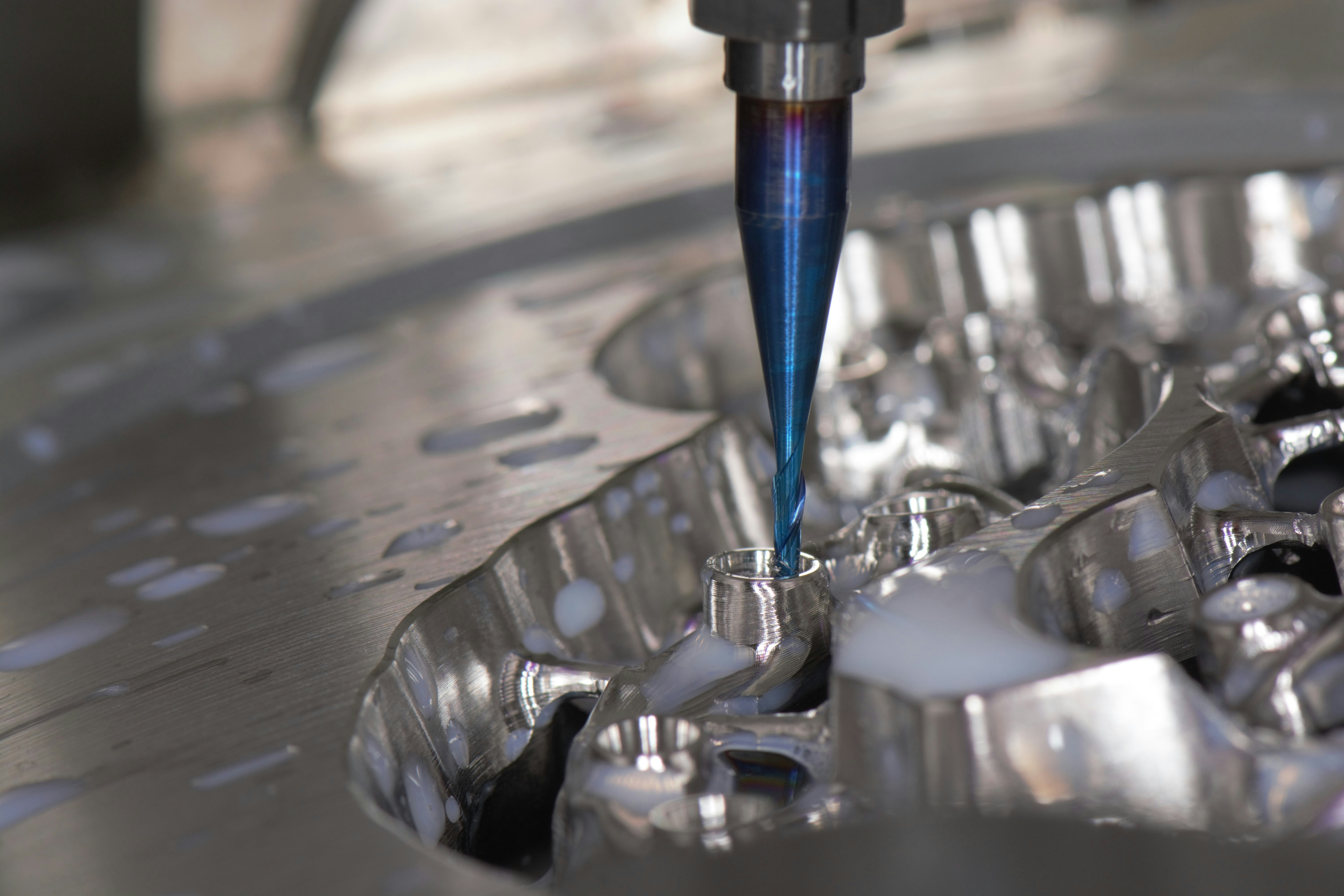
Introduction to Acrylic CNC Machining
Acrylic CNC machining refers to the process of utilizing Computer Numerical Control (CNC) technology to fabricate complex shapes and components from acrylic, a versatile thermoplastic known for its clarity and durability. Acrylic, often favored over glass due to its lightweight properties and shatter resistance, has gained significant traction in various industries such as automotive, signage, and interior design. Its impressive optical clarity, along with the ability to be produced in a variety of colors and finishes, makes acrylic a highly sought-after material for both aesthetic and functional applications.
The significance of acrylic CNC machining lies in its capacity to produce high-quality parts with exceptional accuracy. CNC technology automates the machining process by translating digital designs into precise movements performed by milling machines, routers, and other specialized equipment. This automation enhances efficiency and minimizes human error, allowing manufacturers to achieve intricate designs that may be challenging to replicate using manual methods.
Acrylic’s physical characteristics contribute to its effectiveness in CNC machining. It is relatively easy to cut and shape, allowing for a wide range of applications, from intricate signage to custom furniture components. Moreover, acrylic possesses excellent weather resistance and UV stability, making it suitable for both indoor and outdoor usage. The use of CNC technology in conjunction with acrylic enhances not only production efficiency but also ensures that the final product maintains the desired aesthetic quality. The integration of these two elements supports innovation in design while adhering to the stringent standards of precision demanded in the manufacturing sector.
As industries continue to evolve, understanding the capabilities and advantages of acrylic CNC machining becomes essential for manufacturers aiming to optimize production processes and deliver high-quality products.
Benefits of Using Acrylic in CNC Machining
Acrylic, also known as polymethyl methacrylate (PMMA), has emerged as a preferred material in the realm of CNC machining, owing to its distinct properties that confer numerous advantages. One of the most notable benefits is its lightweight nature. As a lightweight thermoplastic, acrylic provides ease of handling during the CNC machining process, minimizing the physical strain on operators and reducing shipping costs for finished products. This makes it an ideal choice for applications where portability and weight are crucial factors.
Another significant advantage of acrylic is its resistance to UV light. Unlike many other plastics, acrylic retains its clarity and color stability when exposed to sunlight, making it an excellent option for outdoor applications such as signage, displays, and other products intended for long-term use in bright environments. This ability to withstand UV exposure ensures that items made from acrylic maintain their aesthetic appeal and functional integrity over time, thereby providing long-term value to users.
Moreover, acrylic is favored for its ease of fabrication. The material can be readily cut, shaped, and formed using CNC machinery, enabling the production of intricate designs and custom parts with excellent precision. This versatility allows manufacturers to explore creative and innovative applications, further enhancing the appeal of acrylic in various industries, including retail, automotive, and architecture. Additionally, acrylic can be easily bonded and painted, adding to its adaptability for specific design requirements.
In summary, the benefits of using acrylic in CNC machining extend beyond mere aesthetics. Its lightweight characteristics, UV resistance, and ease of fabrication make it a valuable material in a myriad of applications, compelling designers and engineers to consider acrylic as a primary choice for their machining needs.
CNC Machining Process Explained
The CNC machining process for acrylic involves several key steps that transform a digital design into a tangible product. It begins with the creation of a Computer-Aided Design (CAD) file, which serves as the blueprint for the project. Numerous software programs, such as AutoCAD and SolidWorks, are utilized for this phase, enabling designers to develop precise and complex geometries tailored to specific applications.
Once the CAD design is finalized, the next step is to prepare the file for machining. This involves converting the design into a format compatible with the CNC machine, typically an STL or G-code file. During this conversion process, attention must be paid to the specifics of the material—in this case, acrylic—to ensure appropriate machining parameters are set. Factors such as cutting speed, feed rate, and spindle speed must be carefully calibrated to accommodate the unique properties of acrylic, which is known for its propensity to chip and crack if not handled correctly.
After the file preparation, the CNC machine is set up. This includes installing the appropriate cutting tools, which might vary depending on the desired finish and complexity of the acrylic component. Various types of CNC machines, such as routers and laser cutters, may be employed based on the design requirements. A CNC router, for example, is ideal for larger acrylic sheets, providing versatility with various bit styles suitable for different cuts and details.
Once everything is set, the machine can begin the machining process. During this stage, the CNC machine follows the programmed instructions to precisely remove material from the acrylic sheet, resulting in the desired shape. Post-machining, the acrylic parts may require additional finishing treatments, such as polishing or edge-banding, to achieve the optimal aesthetic and functional quality. This meticulous approach ensures a professional-grade finished product that meets high standards.
Types of Acrylic Sheets and Their Uses
Acrylic sheets are versatile materials widely used in various industries due to their clarity, durability, and ease of fabrication. Two primary types of acrylic sheets are cast acrylic and extruded acrylic, each possessing unique characteristics that make them suitable for specific applications.
Cast acrylic sheets are manufactured by pouring a liquid acrylic mixture between two sheets of glass. This process results in a dense and robust material with superior optical clarity. The finish of cast acrylic is often smoother than its extruded counterpart, making it ideal for applications where aesthetics are critical. Common uses of cast acrylic include display cases, vitrines, signage, and various artistic installations. The ability of cast acrylic to be machined and polished enhances its appeal for custom projects, as it can retain a high-gloss finish when fabricated properly.
On the other hand, extruded acrylic sheets are produced by forcing melted acrylic through a die. This manufacturing method tends to produce a less expensive product, but it may compromise some optical clarity and surface smoothness compared to cast acrylic. However, extruded acrylic is noted for its uniform thickness and excellent workability. This makes it suitable for projects requiring bending and fabrication, such as light fixtures, protective barriers, and other applications requiring custom shapes. Additionally, extruded acrylic sheets are often used in applications where cost-effectiveness is a priority without significantly sacrificing quality.
In conclusion, both cast and extruded acrylic sheets have distinct properties that cater to specific needs. By understanding these differences, fabricators and designers can select the appropriate type of acrylic for their projects, ultimately leading to better results and satisfaction in their applications.
Techniques for CNC Machining Acrylic
CNC machining of acrylic is a versatile process, employing various techniques such as cutting, engraving, drilling, and finishing. Each of these techniques is fundamental in shaping acrylic sheets into the desired forms without compromising the material’s integrity.
Cutting acrylic typically involves using flat or spiral end mills. The choice of tool largely influences the quality of the cut. For optimal results, employing a high-speed steel (HSS) or carbide tool with the right diameter is crucial. The spindle speed should be set between 10,000 to 20,000 RPM, depending on the thickness of the acrylic. Additionally, a feed rate of around 50 to 300 mm/min is appropriate. Adequate cooling, either through air blast or specific lubricants, helps reduce heat buildup, which can lead to melting or cracking of the material.
Engraving, on the other hand, typically utilizes engraving bits or specialized V-bits that create depth or surface textures with precision. A slower feed rate and higher spindle speed are beneficial for engraving to ensure clean lines and prevent the tool from tearing the acrylic. The depth of engraving should be controlled carefully, as over-engraving can distort the material.
Drilling is another critical technique in CNC machining of acrylic. For this process, brad point bits are preferred as they create clean holes without causing excessive fracturing. Setting the spindle speed lower than that of cutting is advisable, generally around 1,500 to 3,000 RPM, depending on the size of the bit. Cooling is also recommended during drilling to avoid melting the acrylic at the hole’s entrance.
Finally, finishing techniques refine the surfaces achieved through machining. Options include flame polishing or chemical solvents, which can help enhance clarity and smoothness. Each technique enhances functionality while maintaining acrylic’s aesthetic appeal. Understanding these methods allows users to achieve optimal outcomes and reduces the risk of material damage during the CNC machining process.
Common Challenges and Solutions in Acrylic CNC Machining
Acrylic CNC machining presents a unique set of challenges that operators must navigate to achieve optimal results. One of the most prominent issues encountered during the machining process is melting. Acrylic, being a thermoplastic material, has a low melting point, which can lead to deformation if excessive heat is generated during machining. To mitigate this issue, it is crucial to select the appropriate cutting speed and feed rate, as well as utilizing sharp, high-speed tools specifically designed for acrylic. Additionally, incorporating coolant or mist spraying can help dissipate heat, thereby reducing the risk of melting.
Another challenge that machinists frequently face is chipping. This often occurs during the cutting process, particularly at the edges of the acrylic sheet. Chipping can compromise the integrity of the finished part and detract from its aesthetic appeal. To minimize chipping, operators should consider utilizing a down-cutting end mill, which cuts downward into the material, reducing the likelihood of lifting the acrylic fibers during the cut. Moreover, ensuring the material is securely clamped can help maintain stability and prevent movement, further reducing the occurrence of chipping.
Static buildup is another prevalent issue in acrylic machination. The electrostatic charge can attract dust and debris, leading to surface contamination and potentially affecting both the quality and accuracy of the machined part. To counteract this, operators can implement anti-static measures, such as using grounded tools and equipment and maintaining a controlled environment with proper humidity levels. Furthermore, regularly cleaning the workspace and the material used can significantly diminish static-related problems, ensuring a smoother machining process and higher quality results.
Maintenance and Care for CNC Machines and Tools
Regular maintenance and care of CNC machines and tools are essential for optimizing performance, especially when working with acrylic materials. Proper upkeep not only extends the lifespan of the equipment but also ensures consistent high-precision outputs during the machining process. Implementing a routine maintenance schedule is beneficial for minimizing downtime and maintaining the quality of work produced.
Cleaning is one of the most critical aspects of CNC machine maintenance. Acrylic machining can produce fine dust and debris that can accumulate within the machine, potentially affecting performance. It is advisable to regularly use an air compressor to blow out particles from crevices and difficult-to-reach spaces. Additionally, surfaces should be wiped down with appropriate cleaning agents to prevent residue buildup that could impair operations.
Calibration of CNC machines is another pivotal element in maintenance. Routine checks should be employed to ensure that all components, such as spindles and axes, are operating within specified tolerances. This includes verifying that the machine is level and that the tools are correctly aligned, as any discrepancies can lead to inaccuracies in the machining of acrylic. Calibration should ideally be performed after certain intervals or following significant use, particularly after heavy-duty machining tasks.
Implementing a systematic maintenance routine can significantly enhance the longevity of CNC machines and tools. Scheduled inspections should cover belts, bearings, and other moving parts to identify any wear and tear early on. Additionally, lubrication of components should not be neglected, as this reduces friction and extends the life of mechanical parts. By adhering to these best practices, manufacturers can create a conducive environment for quality acrylic machining while securing the reliability and efficiency of their CNC operations.
Future Trends in Acrylic CNC Machining
The landscape of acrylic CNC machining is undergoing dynamic transformations driven by technological advancements, material innovations, and the increasing integration of automation and artificial intelligence. These developments are shaping the future of the industry and influencing how businesses approach the fabrication and finishing processes of acrylic materials.
One prominent trend is the adoption of advanced CNC machining technologies such as 5-axis machining. This technology allows for more complex geometries and greater precision in cutting acrylic, enabling designers to push creative boundaries previously deemed difficult with conventional machining methods. Additionally, advancements in laser cutting technologies have made it possible to achieve finer details while reducing the material waste associated with traditional machining processes.
Furthermore, the exploration and utilization of new engineering-grade acrylic materials are gaining traction. New acrylic formulations have enhanced properties such as impact resistance, UV stability, and thermal resistance. These materials expand the potential applications of acrylic CNC machining, meeting the demands of industries ranging from automotive to aerospace.
Automation plays a crucial role in the evolving landscape of acrylic machining. As manufacturers increasingly adopt automated systems, the efficiency and speed of production processes improve significantly. Automation minimizes human error, streamlines workflow, and allows workers to focus on more complex tasks requiring critical thinking and creativity. Furthermore, the incorporation of AI-driven technologies facilitates predictive maintenance, optimizing machinery performance and reducing downtime.
As these trends continue to unfold, the acrylic CNC machining industry is poised for substantial growth. Companies that embrace these advancements will likely enjoy a competitive edge, ultimately reshaping the way acrylic products are designed and produced. The continual integration of technology, innovative materials, and automation promises to revolutionize the processes involved in acrylic machining for years to come.
Conclusion: The Essential Role of Acrylic CNC Machining
Acrylic CNC machining plays a pivotal role across a variety of industries, demonstrating versatility and precision in its applications. From the fabrication of intricate components for the automotive sector to the production of eye-catching display items in retail, the significance of acrylic machining cannot be overstated. This technology empowers businesses to achieve high levels of customization that are often unattainable through traditional manufacturing methods. As industries continue to evolve, the demand for high-quality, aesthetically pleasing, and durable materials, such as acrylic, remains steady.
Throughout this blog post, we have explored the various facets of acrylic CNC machining, highlighting its benefits, applications, and capabilities. The ability to cut, engrave, and shape acrylic sheets allows for innovative design possibilities, making it an essential resource for designers and engineers alike. Moreover, the precision offered by CNC machining translates to efficiency in production, reducing waste and lowering costs over time. As such, embracing acrylic CNC technology can lead to significant advantages for both small businesses and large enterprises.
Given the ever-expanding scope of acrylic applications, it is critical for professionals and hobbyists to consider integrating CNC machining into their projects. Whether you are looking to create custom signage, intricate model parts, or unique promotional items, acrylic CNC machining presents an accessible avenue for enhancement. We encourage readers to explore the potential of this technology, whether through engaging with professional services or venturing into DIY projects to harness acrylic’s attributes effectively. The intersection of creativity and technology is an inspiring space, one that holds promise for the future of manufacturing and design.