
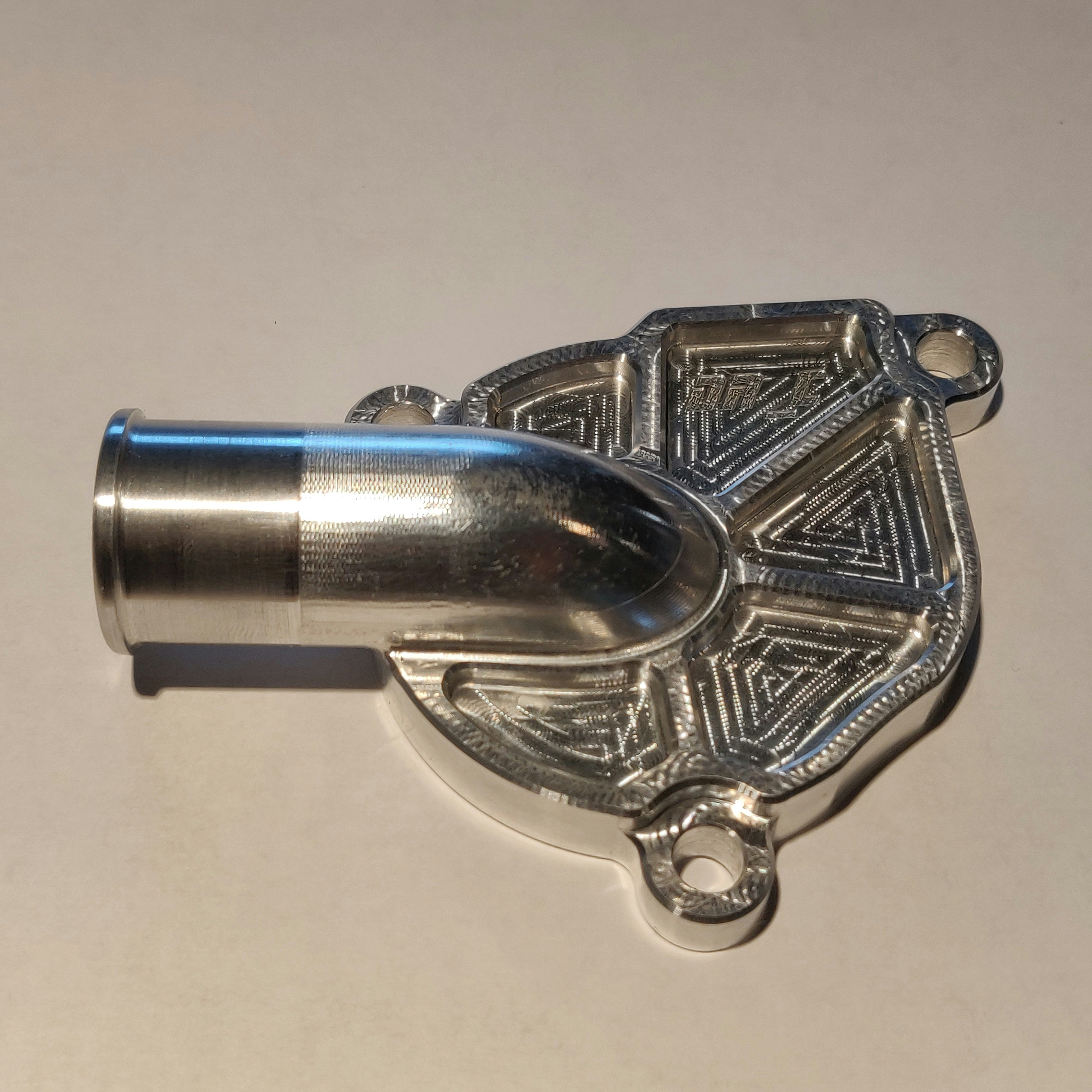
Introduction to Machined Metal Parts
Machined metal parts are components that are precisely shaped and finished through a variety of machining processes, such as turning, milling, and drilling. These processes involve the removal of material from a solid metal workpiece to create parts that meet specific dimensions and tolerances. The significance of machined metal parts extends across numerous sectors, including automotive, aerospace, medical devices, and consumer products, each of which relies heavily on precision and quality.
The versatility of machined metal parts allows them to serve a host of functions, often characterized by unique geometry, surface finish requirements, and material properties. For instance, components such as shafts, housings, brackets, and fasteners are commonly machined to fulfill mechanical requirements where exact dimensions and structural integrity are critical. The manufacturing of these parts is crucial for ensuring that end products are reliable and perform optimally under various conditions.
Different metals, including aluminum, steel, titanium, and brass, are frequently used in the production of machined parts, each offering distinct advantages in terms of strength, weight, corrosion resistance, and machinability. The choice of material often depends on the application: aerospace components might necessitate lightweight yet durable materials, while medical instruments require biocompatible options.
The machining process itself encompasses several methods, each suited for specific manufacturing scenarios. For example, CNC (Computer Numerical Control) machining has revolutionized the production of machined metal parts by improving accuracy and efficiency. This advanced technology enables the automated control of machinery, allowing for complex shapes and high-speed production while maintaining consistency across large production runs.
In essence, machined metal parts are foundational to modern engineering and manufacturing, providing the reliability and precision necessary for a vast array of applications. Their importance cannot be overstated, as they are integral to both functional and aesthetic aspects of many products.
The Machining Process Explained
Machining is a subtractive manufacturing process embracing various techniques and tools, allowing for the precise production of metal parts. The primary methods of machining include turning, milling, drilling, and grinding, and each plays a crucial role in delivering accuracy and finish to machined components.
Turning is a process where a workpiece is rotated on a lathe, while a cutting tool moves linearly against it. This method is particularly effective for cylindrical shapes and intricate profiles. The cutting tool’s speed and depth of cut are meticulously controlled to achieve the desired dimensions. Various materials, including steel, aluminum, and brass, can be utilized in turning, making it an adaptable choice for many projects.
Milling, another vital machining technique, utilizes rotating cutting tools to remove material from a stationary workpiece. It can create complex shapes and features, such as slots, grooves, and contours. Mills can be operated vertically or horizontally, depending on the part geometry and production requirements. Precision is key in milling; therefore, axis alignment and cutter choice significantly influence the outcome.
Drilling involves creating holes in a workpiece using a drill bit, which can also be incorporated into milling machines. This technique is crucial for tasks like creating bolt holes or fitting components. The drill bit’s size, type, and feed rate can be adjusted to achieve different hole diameters and depths.
Lastly, grinding is employed to refine surfaces, ensuring high precision and a superior finish. This method uses an abrasive wheel to remove small amounts of material, allowing for intricate shapes and tight tolerances. Each of these machining processes plays an essential role in the production of machined metal parts, emphasizing the need for skilled operators and high-quality tools to produce reliable components.
Materials Used in Machined Metal Parts
Machined metal parts can be crafted from a variety of materials, each offering unique properties that cater to different applications. Understanding these materials is essential for selecting the right one for specific machining projects.
Aluminum is one of the most widely used materials in the production of machined parts due to its excellent strength-to-weight ratio, corrosion resistance, and ease of machining. Aluminum alloys, such as 6061 and 7075, are particularly popular for applications in aerospace, automotive, and consumer electronics, where lightweight and durability are paramount.
Steel is another common material that is favorably utilized in machining applications. Its strength, toughness, and wear resistance make it ideal for manufacturing components in high-stress environments. Various grades of steel, including carbon steel, stainless steel, and alloy steel, enable manufacturers to choose the right type according to strength requirements and environmental conditions.
Titanium is renowned for its exceptional strength and low density, making it suitable for high-performance applications, particularly in the aerospace and medical industries. While titanium is more challenging to machine than aluminum or steel due to its toughness and resistance to deformation, advanced machining techniques can yield precise components that utilize titanium’s advantageous properties.
Lastly, composites have gained traction in recent years as materials that combine fibers with resin, offering impressive strength, stiffness, and weight-saving benefits. While technically not metals, composite materials can be machined into parts that require enhanced performance characteristics, particularly in industries such as automotive, aerospace, and marine.
In summary, the choice of material for machined metal parts significantly impacts performance, durability, and application suitability. Understanding the properties and applications of aluminum, steel, titanium, and composites empowers manufacturers to make informed decisions in their machining processes.
Benefits of Using Machined Metal Parts
Machined metal parts offer a plethora of advantages that make them a preferred choice in various industries, including automotive, aerospace, and manufacturing. One of the most significant benefits is precision. The machining process allows for high tolerances, ensuring that parts are manufactured to exact specifications. This precision is essential when components need to fit together seamlessly, as even minor discrepancies can lead to functionality issues.
Durability is another critical aspect of machined metal parts. Compared to alternatives such as plastic or cast metal, machined components often exhibit superior strength and resistance to wear and tear. By using materials such as aluminum, steel, or titanium, manufacturers can produce parts that withstand extreme conditions, including high temperatures and pressures, thereby extending the lifespan of the product.
Furthermore, the ability to create complex geometries is a key advantage of machining. With advanced techniques such as CNC (Computer Numerical Control) machining, manufacturers can produce intricate designs that would be difficult or impossible to achieve through traditional methods. This capability not only allows for innovative designs but also enhances the performance of the final product, as parts can be optimized for specific applications.
Cost-effectiveness is an often overlooked benefit of machined metal parts. Although there may be higher initial costs associated with precision machining, the long-term savings can be significant. Higher-quality parts reduce the frequency of replacements and repairs, leading to lower operational costs over time. Additionally, the efficient production of complex parts can minimize material waste, contributing to cost savings and sustainability efforts.
Industries that Rely on Machined Metal Parts
Machined metal parts play a crucial role across numerous industries, serving as foundational components in various applications. The aerospace industry, for instance, heavily depends on precision machined components for critical functions such as propulsion systems, airframe structures, and landing gear assemblies. These parts must withstand extreme conditions and provide unmatched reliability, which is vital for both the safety of passengers and the efficiency of flight operations.
In the automotive sector, machined metal parts are integral to vehicle performance and safety. Components like engine blocks, transmission housings, and braking systems are produced through advanced machining processes to ensure durability and functionality. High-quality machined components contribute to enhanced engine efficiency and reduced emissions, aligning with the industry’s push towards sustainable practices.
The medical devices industry increasingly relies on machined metal parts to create instruments and devices that meet stringent regulatory standards. Surgical tools, implants, and diagnostic equipment often utilize precision machined components made from biocompatible materials. The accuracy and reliability of these parts are critical to patient outcomes, emphasizing the importance of quality in manufacturing processes.
Similarly, consumer electronics benefit greatly from machined metal parts, which are used in products ranging from smartphones to laptops. Machined aluminum housings and internal structural components are essential for device durability and aesthetic appeal. The electronics industry demands high precision, as even minor variations can lead to performance issues or product failures.
Ultimately, almost every sector relies on the expertise and technology associated with machining metal parts, underscoring their significance in modern manufacturing processes.
Custom Machined Parts vs. Standard Parts
When it comes to manufacturing machined metal parts, the choice between custom machined parts and standard off-the-shelf parts is crucial. Each option has its advantages and disadvantages, which are often dictated by specific project requirements, budget constraints, and time frames.
Standard parts are widely used, produced in bulk, and readily available. They are a cost-effective solution for projects that do not demand specific design features or unique tolerances. Standard machined parts can be easily sourced from various suppliers, ensuring quick delivery and readiness for assembly. These components are typically produced according to established specifications, meaning their quality and performance are consistently reliable.
Conversely, custom machined parts are designed and manufactured to meet specific project requirements that standard parts cannot fulfill. These parts are tailored to fit unique applications, allowing for greater flexibility in design and performance. Custom solutions are essential in industries where precision and adaptability are paramount, such as aerospace, automotive, and medical devices. When designing custom parts, considerations include material selection, dimensional accuracy, and functional specifications.
Moreover, the process of producing custom machined parts involves additional considerations, including lead times and cost implications. While standard parts may offer savings due to their mass production, custom parts may come with a higher price tag due to their bespoke nature and the intricate design processes involved.
In summary, the decision between custom and standard machined metal parts hinges on the specific needs of the project at hand. Custom parts are indispensable when uniqueness, precision, or specific functionalities are required, whereas standard parts serve well in scenarios where universal compatibility is sufficient. Understanding these distinctions enables manufacturers and engineers to make informed choices that align with their operational objectives.
Quality Control in Metal Machining
Quality control in the metal machining process is an essential aspect that helps ensure the accuracy and reliability of machined parts. The precision required in machining components makes it imperative to implement rigorous inspection methods at various stages of production. These measures not only guarantee that the parts meet specific tolerances but also optimize their performance in real-world applications.
One of the primary objectives of quality control is to reduce errors that can lead to the production of faulty parts. This is achieved through the use of advanced measuring tools and techniques. Common inspection methods include dimensional checks using calipers, micrometers, and coordinate measuring machines (CMM). Each of these tools serves a unique purpose, providing insights into the geometric and dimensional accuracy of manufactured components. For example, CMMs are especially useful for assessing complex geometries, ensuring all critical features of the machined part are within specified tolerances.
Moreover, visual inspections are frequently conducted alongside dimensional checks. These inspections allow operators to identify surface imperfections, such as scratches or burrs, which can adversely affect the part’s functionality. By combining both dimensional and visual inspection techniques, manufacturers can uphold stringent quality standards crucial for their reputation and compliance with industry requirements.
Certifications play a significant role in quality control processes. Many manufacturing companies seek certifications such as ISO 9001 or AS9100, which set the standards for quality management systems. These certifications require firms to adhere to precise documentation and procedural guidelines, ensuring that quality control is ingrained in every facet of the production process. Such certifications provide not only a framework for operational excellence but also reassure clients of the reliability and quality of the machined metal parts produced.
Future Trends in Machined Metal Parts
As industries continue to evolve, the production of machined metal parts is undergoing significant transformations driven by emerging technologies. One of the most remarkable trends shaping the future is additive manufacturing, commonly referred to as 3D printing. This method allows for the creation of complex geometries that traditional machining processes cannot achieve. As additive manufacturing becomes more sophisticated, it offers a complementary approach to conventional machining processes, potentially reducing material waste and enabling the production of lighter yet structurally sound components.
In addition to additive manufacturing, automation is rapidly gaining traction within the machining sector. The integration of robotics and automated systems facilitates enhanced productivity and precision in manufacturing processes. Automation not only diminishes the likelihood of human error but also optimizes production schedules, where machines operate consistently without breaks. This trend is especially relevant as manufacturers aim to meet increasing demands while maintaining high-quality standards.
Furthermore, advancements in machining technology, such as the development of smart machines, are poised to revolutionize fabrication techniques. These intelligent systems utilize the Internet of Things (IoT) to connect various components and gather real-time data, leading to informed decision-making processes. The use of artificial intelligence (AI) in conjunction with machining tools holds the potential to analyze patterns and predict maintenance needs, ensuring operational efficiency and minimizing downtime.
As we look ahead, the integration of these technological advances will not only streamline the manufacturing of machined metal parts but also expand their applications across diverse industries, from aerospace to medical. Consequently, manufacturers must stay abreast of these trends to leverage opportunities for innovation and competitiveness in the global market. The future of machined metal parts is undeniably bright, with advancements promising to enhance efficiency, performance, and sustainability.
Conclusion: The Role of Machined Metal Parts in Modern Manufacturing
As we reflect on the significance of machined metal parts, it is evident that they play a pivotal role in contemporary manufacturing processes. These components, produced through precision machining techniques, are instrumental in various industries, including aerospace, automotive, and medical manufacturing. Their ability to achieve tight tolerances and elaborate geometries makes them essential for ensuring the performance and reliability of complex systems.
Throughout this guide, we have discussed several key aspects of machined metal parts, including their manufacturing processes, materials used, and applications across different sectors. The adaptability of these components allows for the incorporation of advanced technology that meets the evolving demands of the market. For instance, innovations in CNC machining and additive manufacturing have broadened the possibilities for creating custom parts with enhanced performance characteristics.
Additionally, the consistency and quality inherent in machined metal parts contribute significantly to streamlining production lines and reducing costs associated with rework and waste. As industries continue to innovate, the demand for high-quality machined parts is expected to grow, underscoring their importance in sustaining economic development and technological advancements.
In an era marked by rapid change and increased competition, the relevance of machined metal parts cannot be overstated. They provide the foundation for robust engineering solutions and are essential to the advancement of modern manufacturing. By recognizing their critical role, businesses can better strategize their production capabilities, ensuring they remain competitive in their respective markets.