
Introduction to Acrylic CNC Services
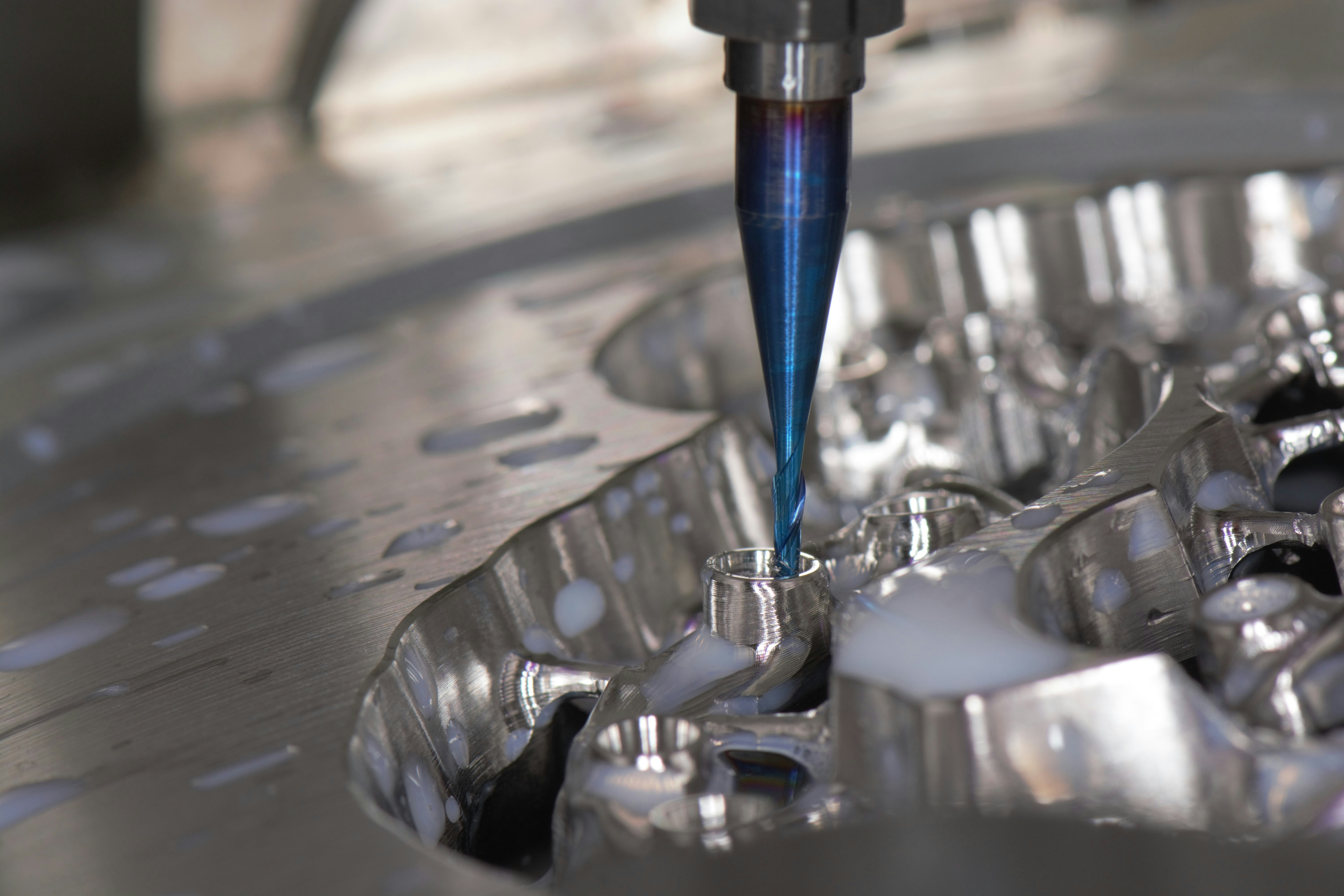
Acrylic CNC services represent a significant advancement in the manufacturing and design industries, providing unparalleled capabilities for the production of intricate and precise acrylic components. CNC, or Computer Numerical Control, is a technology that automates the control of machining tools through computer programming, facilitating tasks such as cutting, drilling, and engraving. When applied to acrylic materials, CNC services enable manufacturers and designers to create complex shapes and detailed designs that would be challenging to achieve through traditional methods.
The advantages of using CNC milling technology for acrylic are manifold. Primarily, CNC machining offers exceptional precision, ensuring that each piece produced meets exact specifications. This level of accuracy is vital in applications where tight tolerances are required, such as in custom signage, architectural models, and display cases. Furthermore, CNC services can enhance efficiency in production processes; once a design is programmed into the CNC machine, it can rapidly produce numerous copies with consistent quality, reducing the lead time significantly compared to manual fabrication methods.
Another benefit of acrylic CNC services is the versatility of the material itself. Acrylic, known for its clarity and durability, can be easily machined into various shapes and sizes, making it suitable for diverse applications across different sectors, including retail, education, and healthcare. Furthermore, the finish achieved through CNC machining often requires less post-processing, streamlining workflow and decreasing overall production costs. In this rapidly evolving landscape of manufacturing, acrylic CNC services stand out as a pivotal technology driving innovation and efficiency, bridging the gap between conception and realization in design and production.
What is Acrylic and Why Use It?
Acrylic, also known as poly(methyl methacrylate) or PMMA, is a synthetic polymer that has gained widespread popularity in various industries due to its unique properties. One of the most notable characteristics of acrylic is its exceptional transparency, which allows light to pass through with minimal distortion. In fact, acrylic can transmit up to 92% of visible light, making it a compelling alternative to glass while being significantly lighter and easier to handle.
Durability is another key advantage of acrylic. Unlike glass, which can shatter upon impact, acrylic is impact-resistant and less prone to breaking. This resilience makes it suitable for applications requiring both safety and durability, such as protective barriers, safety goggles, and various structural components. Additionally, acrylic is weather-resistant, allowing it to maintain its clarity and strength when exposed to the elements, making it an excellent choice for outdoor applications.
Versatility is perhaps one of acrylic’s most appealing features. It can be easily molded, shaped, and fabricated into a wide range of designs, from intricate displays to large-scale installations. This adaptability enables designers and manufacturers to create custom pieces that cater to various aesthetic and functional requirements, enhancing its appeal for industries like signage, furniture, and lighting design. Furthermore, acrylic can be finished in numerous colors and textures, providing additional customization options.
When compared to materials like glass, acrylic’s lightweight nature and shatter-proof characteristics present significant advantages, particularly in situations where weight considerations are crucial. While glass may offer similar transparency, its vulnerability to breakage makes acrylic a safer and more practical choice in many contexts. Therefore, the combination of durability, clarity, and versatility solidifies acrylic’s position as a preferred material across a multitude of applications.
Understanding CNC Technology
Computer Numerical Control (CNC) technology represents a significant advancement in the field of manufacturing and design. At its core, CNC technology utilizes computer programming to automate machining processes, allowing for precision and consistency that manual operations cannot match. A CNC machine operates by following a set of instructions encoded in a digital format known as G-code. This code dictates the movement of the machine’s components, including cutting tools, along multiple axes to create intricate designs and shapes.
The operation of CNC machines begins with inputting a design into a computer-aided design (CAD) program. This allows designers to visualize their creations in a virtual space before they are fabricated. Once the design is finalized, it is translated into G-code, which serves as the machine’s blueprint. This automation minimizes human error and ensures that each piece produced is consistent with the original design specifications. CNC machines function through a variety of processes, including milling, routing, and laser cutting—each capable of achieving remarkable precision.
When focusing on acrylic materials, CNC technology offers unique advantages. Acrylic is favored in various applications due to its versatility and clarity. The use of CNC machining with acrylic allows for clean, precise cuts that highlight the material’s aesthetic qualities. Moreover, CNC routing can create complex shapes and engravings, enhancing the design options available to architects, artists, and manufacturers. By choosing acrylic CNC services, businesses can transform innovative designs into tangible products efficiently and accurately. In summary, the integration of CNC technology into acrylic processing underlines its pivotal role in modern manufacturing, driving creativity while ensuring precision.
Benefits of Using Acrylic CNC Services
Utilizing CNC services for acrylic fabrication presents numerous advantages that enhance both the quality and efficiency of manufacturing processes. One of the primary benefits is the precision cuts that CNC machines can achieve. Unlike traditional methods, CNC technology can execute intricate shapes and detailed designs with high accuracy, ensuring that specifications are met without compromise. This level of precision is particularly important when the aesthetics and functionality of the final product are paramount.
Another significant advantage of acrylic CNC services is the scalability for production. CNC machines are capable of producing numerous identical parts in a fraction of the time it would take using manual techniques. This scalability allows businesses to meet demand without sacrificing quality, whether they are producing small batches or large-scale orders. The consistency offered by CNC machining also minimizes waste and optimizes material usage, which can result in substantial cost savings over time.
The ability to create intricate designs is another compelling reason to consider acrylic CNC services. Complex patterns and elaborate details, which could be challenging to achieve through conventional methods, can be easily realized with precision tools. This versatility enables designers to explore creative avenues that enhance the overall appeal and utility of their products.
Time savings in manufacturing processes cannot be overlooked either. The automation provided by CNC technology significantly reduces the time required for setup, cutting, and finishing compared to manual labor. Consequently, businesses can not only streamline their production timelines but also divert resources towards innovation and customer service.
In conclusion, the benefits of utilizing acrylic CNC services range from precision cuts and scalability for production to the ability to create intricate designs and significant time savings, making them an essential resource for modern manufacturing needs.
Applications of Acrylic CNC Services
Acrylic CNC services have become an invaluable asset across various industries, showcasing their versatility and efficacy in transforming design concepts into tangible products. One of the most prominent applications is in the creation of signage. Businesses frequently utilize acrylic CNC fabrication to produce eye-catching signs that are both durable and aesthetically pleasing. The precision of CNC machining allows for intricate designs and logos, ensuring that the final product aligns perfectly with a brand’s identity and messaging.
Another significant application of acrylic CNC services can be found in the production of display cases. Retailers and exhibition organizers often require bespoke display solutions that enhance visibility while safeguarding items. Acrylic material, combined with CNC technology, enables the creation of customized showcase designs that can be tailored to fit specific items, from jewelry to electronics, effectively engaging customers and enhancing product presentation.
In the realm of custom furniture, acrylic CNC services provide designers the opportunity to innovate. The ability to sculpt and tailor acrylic with precision means that unique furniture pieces, such as tables, chairs, and shelving units, can be produced to match specific client visions. This adaptability has led to an increasing demand for such custom pieces, elevating interior spaces through functional yet striking designs.
Furthermore, architectural elements also benefit immensely from acrylic CNC services. These services facilitate the crafting of sophisticated designs, such as balustrades, partitions, and decorative panels that blend form with function in modern architectural styles. For instance, a recent project involving a high-end restaurant highlighted the potential of acrylic CNC fabrication by incorporating intricate, laser-cut wall panels that not only serve as design focal points but also as effective sound barriers.
Each of these applications depicts how acrylic CNC services play an essential role in various sectors, paving the way for innovative designs that fulfill both functional and aesthetic requirements.
Choosing the Right Acrylic CNC Service Provider
When it comes to selecting an acrylic CNC service provider, several critical factors should be taken into consideration to ensure that your project meets both quality and design expectations. One of the foremost considerations is the experience of the service provider. A company with a proven track record in CNC machining for acrylic is likely to have refined their techniques and quality control processes, thus enhancing the overall output quality.
Furthermore, the technology used by the service provider is equally important. Advanced CNC machines with state-of-the-art capabilities can achieve more intricate designs with precision. Inquire about the types of CNC routing and laser cutting technologies employed, as well as their ability to handle various thicknesses and dimensions of acrylic materials.
The choice of materials sourced also plays a pivotal role. Providers that have access to high-quality acrylic sheets and are knowledgeable about different types, such as cast and extruded acrylic, can offer insights on which materials would be best suited for your project. This knowledge ensures that your final product is not only aesthetically pleasing but also durable and fit for purpose.
Customer service quality can often distinguish between average and excellent service providers. A responsive team that is willing to engage with you throughout the project phases demonstrates their commitment to customer satisfaction. Effective communication about your project needs is vital, as it allows the provider to understand your vision and offer suggestions that enhance the design while maintaining feasibility.
Finally, reviewing the portfolio of past work can provide a glimpse into the provider’s capabilities. Look for diversity in projects and the quality of finishes achieved in previous works. By carefully evaluating these factors, you can confidently choose an acrylic CNC service provider that aligns with your specific requirements.
Cost Considerations for Acrylic CNC Services
When delving into acrylic CNC services, understanding the factors that influence pricing is essential for effective budgeting. Multiple elements can shape the overall cost, including the type of acrylic material utilized, the complexity of the design, the quantity of parts required, and any additional services such as finishing treatments. Each of these components plays a critical role in determining the final price you will encounter.
The choice of acrylic material is the starting point in cost assessment. Different grades of acrylic, from standard to high-performance, can vary significantly in price. Higher quality acrylic materials, which may offer better durability or clarity, typically command a premium. Additionally, specialty acrylics that include unique colors or embedded features can further escalate costs. Therefore, selecting the appropriate material that aligns with both budget and application needs is paramount.
Another crucial factor is the complexity of the design. Intricate designs often necessitate more time and precision during the CNC machining process, resulting in higher labor costs. Complex geometries may also lead to increased machine wear and tear, contributing to an elevated overall expense. Conversely, simple designs that do not require extensive setup or machining time can be produced at a lower cost.
The quantity of parts ordered is equally significant in establishing cost efficiency. Larger production runs often benefit from economies of scale, where the per-unit price decreases with increased volume. Thus, when planning a project, considering the optimal number of parts can be financially advantageous. Lastly, additional services such as surface finishing, engraving, or assembly may add to the total project cost, so it’s crucial to factor these into the overall budgeting process.
By carefully evaluating these various components, one can approach acrylic CNC services with a well-informed perspective, ensuring that costs are controlled while achieving desired outcomes.
Environmental Impact and Sustainability
The environmental implications of acrylic production and CNC (Computer Numerical Control) machining are crucial considerations in today’s design and manufacturing landscape. Acrylic is a versatile plastic known for its clarity and durability; however, its production involves the extraction of fossil fuels and energy-intensive processes. The manufacture of acrylic sheets contributes to greenhouse gas emissions and resource depletion, raising sustainability concerns that the industry must address. As consumers increasingly prioritize eco-friendly practices, manufacturers are compelled to evaluate the life cycle of acrylic products and seek more sustainable alternatives.
One significant aspect of environmental responsibility in acrylic production involves recycling. While traditional plastics may present disposal challenges, acrylic offers relatively better recyclability. Many facilities can recycle acrylic waste into new products, reducing the volume that ends up in landfills. This process not only minimizes environmental pollution but also conserves valuable resources by providing a secondary raw material source. Furthermore, innovative practices such as closed-loop recycling systems are being implemented in various CNC operations, ensuring that waste is continuously reprocessed and repurposed.
The CNC industry is also innovating within the realm of eco-friendliness by integrating advancements in materials and practices. For example, some companies are exploring bio-based acrylic alternatives made from renewable resources that do not compromise on performance. Improvements in CNC technologies have led to higher precision during manufacturing, resulting in less material waste and more efficient use of resources. Additionally, an increasing number of CNC providers are adopting sustainable energy sources and environmentally conscious methods in their operations, further contributing to decreased environmental impacts.
Future Trends in Acrylic CNC Services
The acrylic CNC services industry is poised for significant transformation in the coming years, driven by advancements in technology and innovative applications that enhance design and manufacturing processes. One of the most notable trends is the integration of artificial intelligence (AI) and machine learning into CNC machinery. These technologies can optimize cutting patterns, reduce waste, and improve precision, leading to enhanced efficiency and lower costs for manufacturers. The ability of AI to analyze complex design data in real-time holds the potential to revolutionize how acrylic components are produced, ultimately enabling faster turnaround times and greater customization options.
Another promising trend is the development of advanced software platforms that facilitate seamless design-to-manufacturing workflows. These platforms often offer features such as 3D modeling, simulation, and real-time rendering, which enable designers to visualize their ideas more effectively before proceeding to production. Additionally, cloud-based solutions are increasingly being adopted, allowing collaboration across various teams and locations. This shift not only promotes innovation but also enhances project management and communication throughout the design and manufacturing process.
Moreover, sustainable practices are gaining traction in the acrylic CNC services sector. As environmental concerns become more pronounced, companies are exploring alternative materials and eco-friendly production techniques. The use of recycled acrylic and bioplastics is on the rise, as manufacturers look for ways to minimize their ecological footprint while maintaining product quality. This trend aligns with broader sustainability efforts across industries, making it a critical focus for organizations looking to remain competitive in a rapidly changing market.
In essence, the future of acrylic CNC services will likely be characterized by technological advancements and a commitment to sustainability. These trends will not only reshape the capabilities of acrylic materials in design and manufacturing but also foster a more innovative, efficient, and environmentally conscious landscape.