
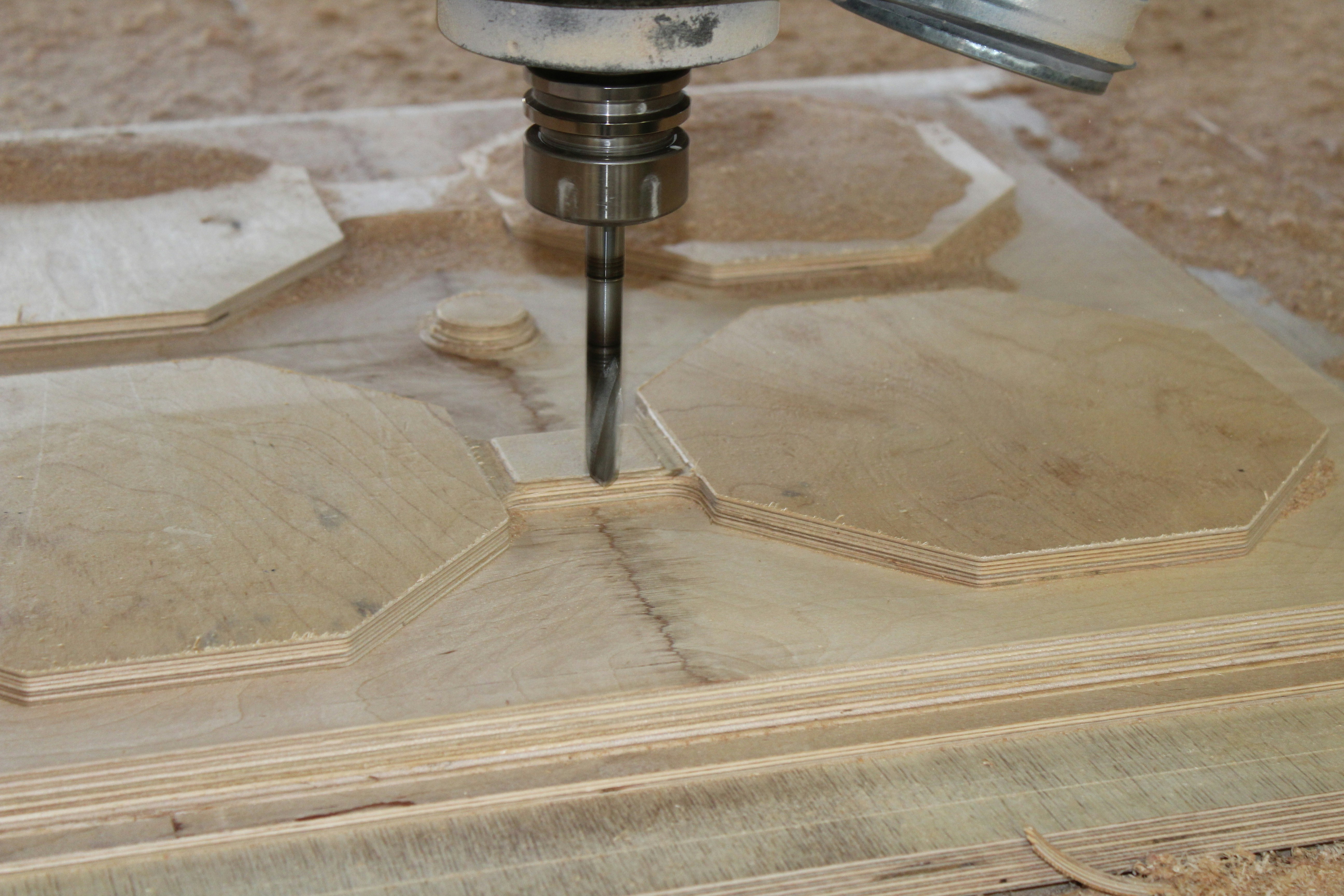
Introduction to CNC Turned Parts
CNC turned parts are components produced via the process of computer numerical control (CNC) turning, a manufacturing technique that utilizes precision machinery to remove material from a rotating workpiece. This method allows for the creation of highly accurate cylindrical shapes, which are commonly used in various industries such as automotive, aerospace, and medical equipment. The significance of CNC turned parts lies in their ability to meet strict tolerances and specifications, ensuring that they perform reliably in their designated applications.
The CNC turning process commences with the selection of raw materials, typically metals or plastics, which are shaped through the removal of excess material. A CNC lathe machine is then programmed to control the movement and speed of the cutting tool with high precision. This automated control not only enhances productivity but also minimizes the risk of human error, resulting in consistent quality of the finished product. The process usually involves the application of different cutting tools, enabling manufacturers to achieve various geometries and surface finishes in CNC turned parts.
CNC turned parts play a vital role in modern manufacturing, providing essential components for complex assemblies and systems. Their importance is especially evident in industries that demand high-quality precision components, such as space exploration, medical device production, and flow control systems. As the landscape of manufacturing continues to evolve, understanding CNC turning techniques is key to optimizing production efficiency and maintaining competitive advantages in the marketplace. The intricacies of this technology and its applications will be explored further in subsequent sections, providing a comprehensive understanding of CNC turned parts and their relevance in today’s industrial environment.
The CNC Turning Process Explained
The CNC turning process is a sophisticated manufacturing technique that transforms raw material into precision components using computer numerical control technology. It begins with the initial design phase, where engineers and designers create a detailed blueprint of the part to be manufactured. This blueprint typically encompasses various specifications, including dimensions, tolerances, and material requirements, ensuring that the final product meets the necessary standards.
Once the design is finalized, the next step involves selecting appropriate materials for the turning project. Depending on the application’s requirements, common material choices include metals such as aluminum, brass, and stainless steel, as well as various plastics. The selected material must possess sufficient machinability, strength, and corrosion resistance to withstand operational demands while adhering to cost constraints.
After material selection, programming the CNC machine is crucial. Skilled operators utilize computer-aided design (CAD) and computer-aided manufacturing (CAM) software to translate the design into machine code, which instructs the CNC lathe on how to execute the turning process. This stage is vital to ensure that the operations—such as cutting speed, feed rate, and tool path—are optimized for precision and efficiency.
The actual turning operation follows machine programming. During this phase, the CNC lathe rotates the workpiece against a stationary cutting tool, removing material to achieve the desired shape and finish. It is essential to maintain careful monitoring to ensure that the machining adheres to the specified parameters and that the turning process operates smoothly without interruptions.
Finally, after the turning operation is complete, the finished parts undergo rigorous inspection. Quality control measures include dimensional checks and surface finish evaluations to verify compliance with design specifications. This thorough inspection process helps guarantee that the CNC turned parts meet the high standards required for their intended applications, ultimately contributing to the reliability and performance of the final product.
Materials Used in CNC Turning
CNC turning is a highly versatile manufacturing process, allowing for the production of parts from a variety of materials. The choice of material significantly influences the machining operations, part quality, and overall performance of the finished product. This section will explore the three primary categories of materials used in CNC turning: metals, plastics, and composites.
Metals such as aluminum, stainless steel, and brass are among the most common materials used in CNC turned parts. Aluminum is favored for its lightweight properties and excellent corrosion resistance, making it suitable for applications in the aerospace and automotive industries. Stainless steel offers strength and durability, ideal for components that must withstand harsh environmental conditions. Brass, while heavier, provides excellent machinability and is often used in electrical applications due to its conductivity.
Plastics are increasingly utilized in CNC turning due to their adaptability and cost-effectiveness. Common types include polycarbonate, acrylic, and nylon. Polycarbonate is known for its impact resistance, making it perfect for protective components. Acrylic, while less durable than polycarbonate, is appreciated for its clarity and aesthetic appeal, often used in display products. Nylon, recognized for its strength and flexibility, is frequently applied in gear manufacturing and other mechanical parts.
Lastly, composites are gaining popularity in CNC turning due to their exceptional strength-to-weight ratio. Materials such as fiberglass and carbon fiber composites can be machined to produce lightweight yet robust components. Such composites are particularly advantageous in industries requiring high performance but also aiming to reduce weight, such as automotive and aerospace. The properties of each material not only affect the machining process but also play a crucial role in the capability and longevity of the final product.
Applications of CNC Turned Parts
CNC turned parts are integral components used in a variety of industries, playing pivotal roles that enhance efficiency and precision. The manufacturing process employs advanced machinery to create intricately designed components, which have numerous applications across different sectors.
In the automotive industry, CNC turned parts are utilized to produce critical components such as shafts, connectors, and housings. These precision-engineered parts ensure optimal performance, safety, and reliability within vehicles. Their ability to withstand high levels of stress and strain makes them well-suited for engine assemblies and transmission systems. Additionally, custom CNC turning can significantly reduce production times, which is crucial in automotive manufacturing where time-to-market plays a vital role.
The aerospace sector also heavily relies on CNC turned components. Here, lightweight and robust parts are essential for aircraft performance and safety. Components such as fuel system fittings and landing gear components are frequently manufactured using CNC turning processes. The high levels of accuracy and repeatability provided by CNC machinery ensure that each part meets strict regulatory standards, which is imperative in aviation applications where any failure can have catastrophic consequences.
In the medical field, CNC turned parts are critical for the manufacture of surgical instruments, implants, and devices. These components require rigorous quality checks and high precision due to the sensitive nature of medical applications. For instance, components such as orthopedic implants benefit from custom CNC turning, where each piece can be tailored to ensure compatibility and effectiveness in patient treatments.
Lastly, the electronics industry utilizes CNC turned parts for creating connectors, housings, and various other components. The capabilities of CNC machining make it possible to produce intricate designs that cater to the growing demands of electronic devices, including smartphones and computers. The precision offered through CNC turning is vital for ensuring the reliability and functionality of electronic products.
Advantages of CNC Turning Technology
CNC turning technology has revolutionized the manufacturing industry by offering numerous advantages that enhance production efficiency and product quality. One of the primary benefits of CNC turning is its unparalleled precision. Unlike traditional machining methods, CNC turning utilizes computer-controlled movements to ensure that each component is manufactured to exact specifications. This level of accuracy minimizes human error and results in consistently high-quality parts that meet strict tolerances, making it ideal for industries where precision is paramount, such as aerospace and medical manufacturing.
Another significant advantage is the repeatability that CNC turning provides. Once a CNC program is established, it can be used to produce identical parts in multiple runs with minimal variation. This repeatability is crucial for manufacturers who require large production volumes and must maintain quality control across batches. The seamless integration of automation in CNC turning processes allows for continuous operation, which further contributes to manufacturing efficiency and reduces lead times.
CNC turning technology is also recognized for its cost-effectiveness. Although the initial setup for CNC machines can be substantial, the long-term savings on labor, material waste, and production time often outweigh these upfront costs. Additionally, the efficiency of CNC turning allows companies to allocate resources more effectively, enabling them to scale production based on demand without compromising quality or increasing costs significantly.
Furthermore, CNC turning excels in producing complex geometries that pose challenges for traditional manufacturing methods. The technology allows for intricate designs and fine features to be crafted with ease, affording manufacturers greater flexibility in product development. This capability supports innovation and enables businesses to respond rapidly to changing market demands and customer preferences.
Challenges in CNC Turning
The process of CNC turning, while highly effective and precise, presents several challenges that operators and manufacturers must navigate to achieve optimal results. One of the most significant issues faced in this domain is tool wear. As tools engage with various materials, they naturally degrade over time due to friction and thermal effects. This wear can lead to compromised precision, surface finish, and overall quality of the turned parts. To mitigate tool wear, it is essential to select appropriate cutting tools tailored for specific materials and to apply optimal cutting parameters. Regular monitoring and maintenance of tools can also extend their lifespan, thereby reducing downtime and production costs.
Another challenge in CNC turning is the limitation imposed by different materials. Various metals and plastics exhibit distinct properties that can affect machinability, including hardness, brittleness, and thermal conductivity. For instance, harder materials may require specialized tooling or advanced cutting techniques to ensure successful machining. Awareness of the specific characteristics of the materials being used is crucial for selecting the right machining strategies and determining suitable cutting speeds and feeds.
Additionally, programming complexities can pose hurdles in the CNC turning process. The intricacies of programming CNC machines, particularly when dealing with multi-axis setups or intricate geometries, can lead to potential errors and inefficiencies. A thorough understanding of CNC programming languages and software is necessary to develop accurate programs that reflect the desired part specifications. Employing simulation software can further help in visualizing the machining process, allowing operators to identify and rectify issues before actual production begins.
In conclusion, addressing the challenges associated with CNC turning requires a comprehensive approach that encompasses tool management, material knowledge, and proficient programming techniques. By employing best practices, manufacturers can enhance operational efficiency and maintain high-quality standards in CNC turned parts.
Quality Control in CNC Turning
Quality control in CNC turning is paramount for ensuring that the finished parts meet the required specifications and standards. The complexity of CNC (Computer Numerical Control) machining, which involves the use of automated tools and machinery to create precise components, necessitates a robust set of quality control measures. These measures begin in the design phase and extend throughout production, culminating in thorough final inspections.
Initially, quality control starts with the design process, where specifications are established. Utilizing tools such as Computer-Aided Design (CAD) software, engineers can simulate machining processes and identify potential issues prior to production. This proactive approach not only mitigates risks but also enhances overall part quality. Furthermore, establishing clear tolerances during the design phase ensures that the CNC machining processes are aligned accurately with production capabilities.
During the production phase, various techniques are employed for real-time quality assurance. Monitoring the CNC machinery’s operational parameters—such as speed, feed rates, and tool wear—helps maintain the accuracy of the machining process. Additionally, advanced technologies like in-process gauging allow for the continuous measurement of the part dimensions while machining is underway. This on-the-fly assessment facilitates immediate corrections, ensuring that any deviations from the desired specifications are addressed promptly.
Final inspections are critical in the quality control process of CNC turned parts. Various inspection techniques, including visual inspections, dimensional measurements, and surface quality assessments, verify that the components adhere to the defined standards. Employing metrology equipment, such as Coordinate Measuring Machines (CMM), provides robust and accurate measurements, offering comprehensive insights into the product’s conformity. By integrating these quality control measures at every stage, manufacturers can substantially enhance the reliability and precision of CNC turned parts, ensuring they fulfill customer expectations and industry requirements.
Future Trends in CNC Turning Technology
The CNC turning industry is on the cusp of significant transformation, driven primarily by advancements in technology and a demand for higher efficiency and precision. One of the most notable trends is the increasing implementation of automation within CNC machining environments. Automated solutions, including robotic arms and automated loading systems, are becoming commonplace, allowing for the continuous production of turned parts with minimal human intervention. This not only streamlines operations but also reduces the likelihood of human error, ultimately enhancing output quality and operational efficiency.
In parallel, software advancements are playing an essential role in redefining CNC turning processes. Sophisticated Computer-Aided Design (CAD) and Computer-Aided Manufacturing (CAM) software instill greater capabilities in designing complex geometries and executing intricate machining tasks. Additionally, real-time monitoring tools are being developed to optimize machining operations on the fly, thereby maximizing productivity and minimizing downtime. Such innovations ensure that CNC operators can achieve higher precision in their production, meeting the stringent quality demands often encountered in various industries, from aerospace to medical devices.
Furthermore, the integration of artificial intelligence (AI) into CNC machinery is poised to revolutionize the industry. AI algorithms can analyze data from machining processes, predict potential failures, and suggest adjustments to improve performance. This predictive maintenance capability allows manufacturers to transition from reactive to proactive management of their production systems. As a result, companies can achieve greater reliability and efficiency, ultimately providing better quality CNC turned parts for their clients.
In conclusion, the future of CNC turning technology is looking promising as automation, software advancements, and AI integration continue to evolve. These trends not only enhance productivity and quality but also enable manufacturers to stay competitive in an ever-changing market landscape.
Conclusion and Key Takeaways
Throughout this comprehensive guide on CNC turned parts, we have explored the intricacies and importance of this manufacturing process. CNC (Computer Numerical Control) turning is a pivotal technology that enables precision and efficiency in the production of parts across various industries. The utilization of CNC turned parts facilitates the creation of highly accurate components that meet the stringent demands of modern engineering. From intricate designs to high-volume production, CNC turning stands out as an indispensable solution in the manufacturing landscape.
One of the key takeaways is the adaptability of CNC turning technology. It accommodates a wide range of materials including metals, plastics, and composites, which allows manufacturers to operate in diverse sectors like automotive, aerospace, and medical devices. Moreover, the automation provided by CNC machines enhances productivity while minimizing human error, thus ensuring a higher quality of finished products. The ability to produce complex geometries further exemplifies the advantages of adopting CNC turning processes, as it opens new avenues for innovative designs.
In addition, the guide has highlighted the significance of selecting the right type of CNC machine and tooling for specific applications. The impact that these choices have on the overall production efficiency and part quality cannot be understated. It is crucial for manufacturers to stay informed about the latest advancements in CNC technology to leverage these tools effectively. As industries continue to evolve, so too will the applications and functionalities of CNC turned parts, prompting ongoing exploration and experimentation.
In conclusion, the role of CNC turned parts in modern manufacturing cannot be overlooked. Their ability to enhance precision, versatility, and productivity positions them at the forefront of contemporary engineering solutions. We encourage readers to delve deeper into the innovative possibilities that CNC technology offers, considering its potential to significantly improve production capabilities and outcomes.