
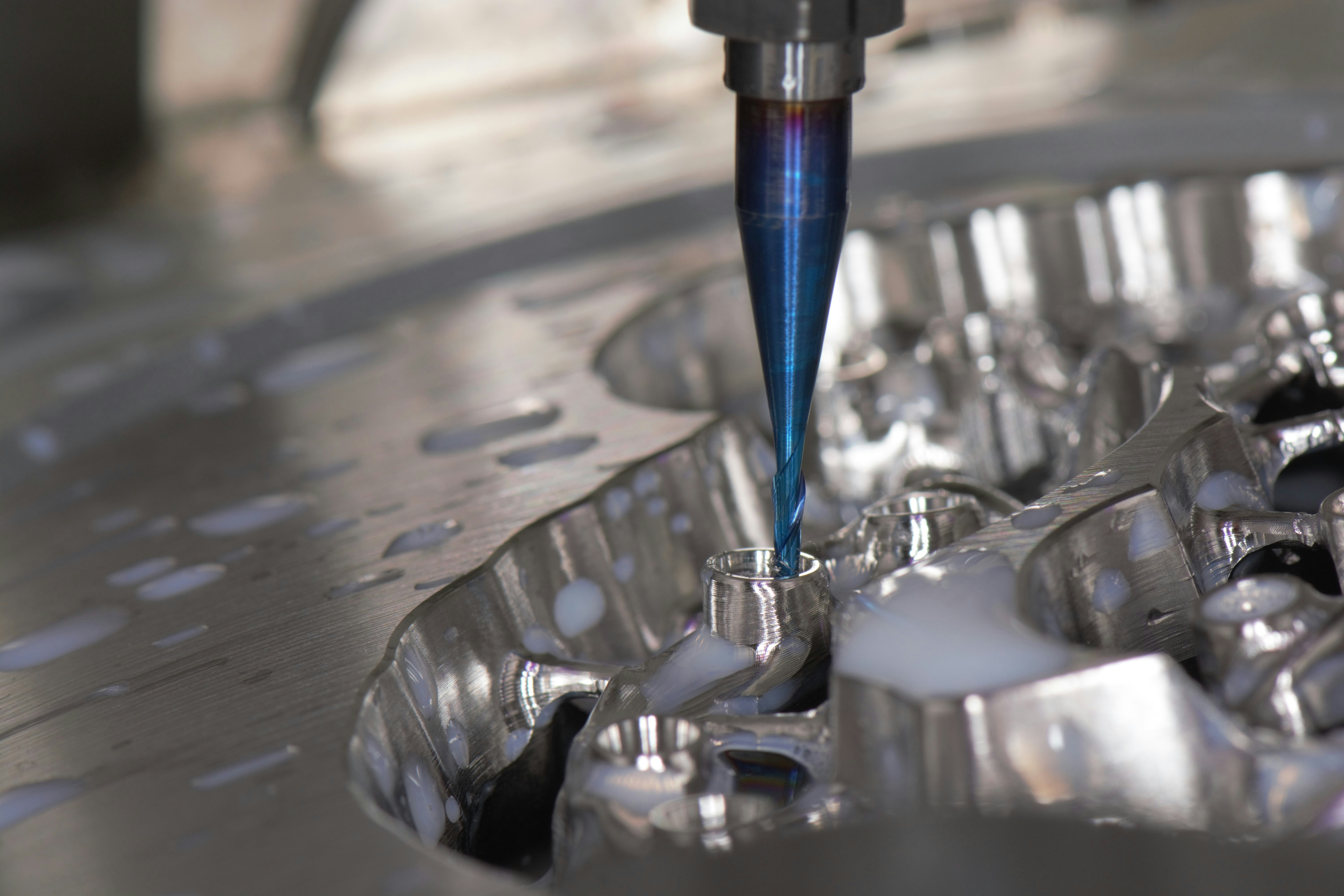
Introduction to CNC Turned Parts
CNC (Computer Numerical Control) turned parts represent a pivotal aspect of modern manufacturing, offering precise and efficient solutions across various industries. The concept of CNC turning revolves around the use of computer-controlled machines to create cylindrical or spherical products from raw materials. These machines utilize a rotating workpiece that is shaped by a stationary cutting tool, enabling high levels of precision and uniformity that would be difficult to achieve through manual methods.
The technology behind CNC machining is centered around digital programming and automation. Operators design a computer-aided design (CAD) model, which is then converted into a machine language through a process called computer-aided manufacturing (CAM). This language provides the CNC machine with the necessary instructions for each movement and operation during the turning process. In essence, CNC machining enhances operational efficiency by minimizing human error and maximizing repeatability, crucial factors in part production.
The general process involved in turning parts using CNC machines typically includes several stages. Initially, a solid workpiece is mounted onto the CNC lathe, where it is securely held in place. The machine then begins the turning operation, wherein the cutting tool is strategically moved along the workpiece to remove material and achieve the desired shape, diameter, and surface finish. Different tools and speeds can be applied depending on the complexity and requirements of the part being manufactured. This adaptability is one of the primary advantages that CNC turning technology offers to the manufacturing sector.
CNC turned parts find applications in numerous fields, including automotive, aerospace, medical devices, and consumer products, demonstrating their significance in enhancing productivity and innovation in today’s manufacturing landscape.
Understanding the CNC Turning Process
CNC turning is a well-established manufacturing process that involves the precise removal of material from a workpiece to create cylindrical parts. The operation begins with the setup of the workpiece on a lathe, which is a rotating machine tool designed for shaping and machining materials. The workpiece is usually secured in a chuck or collet, enabling it to be rotated at high speeds, essential for the efficient removal of material.
The core operability of CNC turning resides in the use of Computer Numerical Control (CNC) programs. These programs dictate the movement of the machine, control the cutting tools, and determine the machining paths. By utilizing G-code, which is a language used to guide CNC machines, operators can specify parameters such as speeds, feeds, and depth of cut. This programming flexibility allows for remarkable precision and repeatability in the production of CNC turned parts.
Tooling is a pivotal aspect of the CNC turning process, as it involves different types of cutting tools designed for specific purposes. Common tools include turning tools, facing tools, and parting tools, each tailored to engage with the workpiece at various stages of production. The selection of tools directly influences the quality and finish of the final product. As the lathe rotates, the cutting tool interacts with the workpiece, gradually reducing its diameter and forming the desired shape.
The stages involved in the CNC turning process encompass initial setup, machining, and finishing operations. During machining, the programmed lathe executes precise movements as dictated by the CNC program, continuously monitoring and adjusting the machining conditions to achieve optimal results. Finally, finishing operations may involve sanding, polishing, or applying coatings to enhance the aesthetic and functional properties of the CNC turned parts.
Materials Commonly Used for CNC Turned Parts
CNC turned parts are manufactured using a range of materials, each selected based on specific properties and intended applications. The primary categories of materials include metals, plastics, and composites. Understanding the characteristics of these materials is crucial when determining their suitability for CNC machining processes.
Metals are a popular choice for CNC turning due to their strength, durability, and versatility. Common metals used include aluminum, brass, stainless steel, and titanium. Aluminum is known for its lightweight nature and excellent machinability, making it ideal for automotive and aerospace applications. Brass, with its superior corrosion resistance and good electrical conductivity, is frequently utilized in electrical components. Stainless steel offers high tensile strength and resistance to rust, which is particularly beneficial for products exposed to harsh environments. Titanium, while being more expensive, is sought after for its remarkable strength-to-weight ratio and high resistance to corrosion.
Plastics are also extensively employed in CNC turning, known for their lightweight and cost-effectiveness. Materials such as acrylic, polycarbonate, and nylon are common in various applications. Acrylic, which exhibits excellent clarity and is easy to machine, is often used in display cases and signage. Polycarbonate is favored for its impact resistance and thermal stability, making it suitable for protective equipment. Nylon, known for its wear resistance and low friction properties, is ideal for producing gears and bearings.
Finally, composites—materials made from two or more constituent materials with significantly different physical or chemical properties—are gaining traction in CNC turning. Materials like fiberglass and carbon fiber offer enhanced strength without the weight of metals, making them ideal for applications where reducing weight is critical while maintaining structural integrity. Each material presents unique advantages, highlighting the importance of selecting the right one for specific CNC turned parts.
Applications of CNC Turned Parts across Industries
CNC turned parts play a pivotal role in numerous industries, serving essential functions that demand high precision and reliability. One of the most significant sectors benefiting from CNC technology is the automotive industry. Here, components such as shafts, gears, and housings are routinely produced using CNC turning methods. The precision of these parts is critical, as they must endure extreme conditions, including high speeds and temperatures. The ability to maintain tight tolerances ensures that vehicles perform optimally and safely.
In the aerospace sector, CNC turned parts are equally vital. Components like turbine blades, brackets, and fittings are manufactured to exact specifications, given that the safety and efficiency of aircraft depend heavily on the performance of these parts. The lightweight nature of materials used in conjunction with CNC turning techniques contributes to fuel efficiency, making it a favored choice in this industry.
The medical sector also extensively utilizes CNC turned parts for its devices and instruments. High-precision components such as surgical tools, implants, and diagnostic equipment require impeccable accuracy to ensure patient safety and effective functionality. The customization capabilities of CNC turning allow manufacturers to produce bespoke solutions tailored to specific medical applications.
Moreover, the electronics industry leverages CNC turning for producing intricate parts needed in electronic devices. These can include housings for circuit boards, connectors, and other components where precision is paramount. The ability to achieve high levels of accuracy ensures the reliability and performance of electronic systems.
In summary, the applications of CNC turned parts span multiple industries, including automotive, aerospace, medical, and electronics. The technology’s ability to produce high-precision and reliable components makes it indispensable in today’s manufacturing landscape.
Benefits of Using CNC Turned Parts
Utilizing CNC turned parts presents numerous advantages over traditional manufacturing methods, substantially enhancing industrial efficiency and production quality. One of the primary benefits is the increased precision offered by CNC technology. Computer Numerical Control (CNC) machines produce components with exceptional accuracy, often measured in thousandths of an inch. This elevated precision is critical in industries where tolerances are stringent, such as aerospace, automotive, and medical applications.
Another significant benefit is repeatability. Once a CNC program is established for a specific part, the machine can consistently produce identical components, reducing variations that may occur in manual processes. This uniformity is essential for maintaining quality standards and can significantly minimize the need for extensive quality control measures. As a result, manufacturers can achieve a higher level of product reliability, which is crucial for end-user satisfaction and safety regulations.
Moreover, CNC machining significantly reduces lead times compared to traditional manufacturing. With CNC turned parts, the time required to set up and execute production runs is considerably less. As CNC machines can operate continuously without the need for breaks, businesses are able to meet tight deadlines and respond swiftly to market demands, improving overall efficiency.
Cost-effectiveness is another crucial benefit of CNC turned parts. Although the initial investment in CNC machines may be higher, the long-term savings achieved through lower labor costs and reduced material waste are substantial. Additionally, the ability to quickly produce complex designs reduces the need for extensive tooling, further driving down costs. In conclusion, adopting CNC turned parts can greatly enhance production efficiency, precision, and ultimately contribute to a more profitable operation for manufacturers.
Challenges and Limitations of CNC Turning
CNC turning offers numerous advantages, yet it is not without its challenges and limitations. One of the primary challenges encountered is the setup time associated with CNC machines. Operating CNC lathes requires initial programming and calibration, which can sometimes be time-intensive, especially for complex parts. If the job involves multiple part designs, the necessity to frequently change the setup can lead to increased downtime, affecting overall productivity.
Another significant factor to consider is the need for skilled operators. While CNC machines are designed to automate many aspects of the turning process, having operators with the right expertise is crucial. Skilled machinists are required not only to program the machines but also to perform regular maintenance and troubleshooting. Inadequate training or lack of experience can lead to errors during production, compromising the quality of the turned parts and potentially causing costly delays.
The cost of maintenance and tooling is another aspect that organizations must factor into their CNC turning implementation. High-precision CNC equipment and tools are significant investments, and maintaining them often requires substantial ongoing expenses. Regular maintenance is essential to ensure the machine operates at peak efficiency and to prevent unexpected breakdowns. Additionally, specialized tooling designed for particular turning tasks can also be costly, and managing inventory for various tools adds another layer to the operational expenditure.
In conclusion, while CNC turning plays a pivotal role in modern manufacturing, the associated challenges cannot be overlooked. Organizations must consider machine setup time, the necessity for skilled operators, and the costs linked to maintenance and tooling. Addressing these limitations proactively will help manufacturers maximize the benefits of CNC turning while mitigating potential drawbacks.
Quality Control in CNC Turning Operations
The significance of quality control in CNC turning operations cannot be overstated. Quality control is the process that ensures the accuracy and precision of manufactured components, vital for maintaining reliability in various applications. CNC (Computer Numerical Control) lathes, which perform the turning process, require rigorous inspection protocols to confirm that the final products align with specified tolerances and industry standards. The implementation of quality assurance measures helps in identifying any deviations from the desired specifications early in the manufacturing process.
Inspections are pivotal in guaranteeing the quality of CNC turned parts. Different types of inspections can be performed throughout the production cycle, including in-process inspections and final inspections. In-process inspections involve continuous monitoring of the machining operations to detect errors in real time. This practice enables operators to make immediate adjustments, thereby mitigating the risk of producing defective components. Final inspections, on the other hand, take place after the completion of production, ensuring that each component adheres to the predetermined specifications. Both types of inspections reinforce the quality assurance framework that underpins CNC machining operations.
Various measuring tools are utilized to facilitate these inspections and maintain the desired quality standards. Calipers, micrometers, and coordinate measuring machines (CMMs) are commonly employed for precise measurements of dimensions. Additionally, tools such as surface roughness testers and thickness gauges help assess the surface finish and integrity of the parts. The integration of advanced technology in these measuring tools has enhanced the accuracy and efficiency of quality control in CNC turning. Overall, adhering to stringent quality assurance processes safeguards the production of high-quality CNC turned parts, thereby ensuring their performance and durability in their intended applications.
Future Trends in CNC Turning Technology
The field of CNC turning technology is poised for significant advancements in the coming years, driven by key trends that reflect broader shifts within manufacturing and technology. One of the most prominent developments is the increased integration of automation. As manufacturing processes become more sophisticated, the demand for automated systems capable of enhancing efficiency and precision grows. Automated CNC turning systems not only minimize human error but also allow for continuous production, ultimately reducing lead times and operational costs.
Additionally, the advent of Industry 4.0 is revolutionizing CNC machining. This fourth industrial revolution focuses on smart manufacturing, wherein machines are interconnected and can communicate crucial data. The implementation of IoT (Internet of Things) devices within CNC turning processes will empower manufacturers to optimize production workflows, predict maintenance needs, and enable real-time adjustments based on performance analytics. By harnessing data from interconnected machines, businesses can significantly enhance both productivity and operational efficiency.
Another area of advancement is reflected in the improvements seen in CNC software. Enhanced programming interfaces, improved simulation tools, and sophisticated algorithms allow for more complex designs to be executed with greater ease and accuracy. These advancements lead to better control over machining processes, ensuring that CNC turned parts meet increasingly stringent tolerances and specifications. Software updates facilitate faster workflows, allowing engineers to focus on innovation rather than on rectifying issues that arise from outdated systems.
Lastly, the emergence of additive manufacturing technologies is transforming traditional CNC turning practices. The combination of subtractive and additive techniques creates opportunities for producing components that were previously deemed impossible or prohibitively complex. This convergence highlights a new paradigm within manufacturing, wherein industries can embrace both methodologies to enhance design flexibility and optimize part performance. As CNC turning technology evolves, the synergy between these approaches is likely to shape the overarching landscape of manufacturing in the foreseeable future.
Choosing the Right CNC Turning Service Provider
Selecting an appropriate CNC turning service provider is critical for ensuring the quality and efficiency of your manufacturing processes. As CNC turned parts are integral to various industries, including automotive, aerospace, and medical, making an informed decision is paramount. First and foremost, assess the provider’s expertise in CNC turning. It is crucial to choose a company that has a solid understanding of your specific industry requirements and possesses extensive experience in producing the parts you need.
Next, evaluate the production capabilities of the service provider. This includes examining their machinery and technology used for CNC turning. Advanced machinery can enhance precision and enable the production of complex designs, which is essential for meeting modern manufacturing demands. Additionally, inquire about the range of materials they can work with, as this can greatly influence the durability and performance of your turned parts.
Certifications also play a vital role in identifying reliable CNC turning service providers. Look for providers that meet industry standards, such as ISO certifications, which demonstrate a commitment to quality and continuous improvement. Customer reviews and testimonials can also provide meaningful insights into the provider’s reputation, reliability, and level of customer service. It is beneficial to reach out to previous clients or check online reviews to gauge their experiences.
Finally, consider the pricing structure. While cost should not be the sole determining factor, it is important to ensure that the service provider offers competitive pricing without compromising on quality. Request quotes from multiple providers, and make sure to understand what factors contribute to the cost. By carefully considering these factors, you can select a CNC turning service provider that aligns with your operational needs and budget, ultimately facilitating the achievement of high-quality components for your projects.