
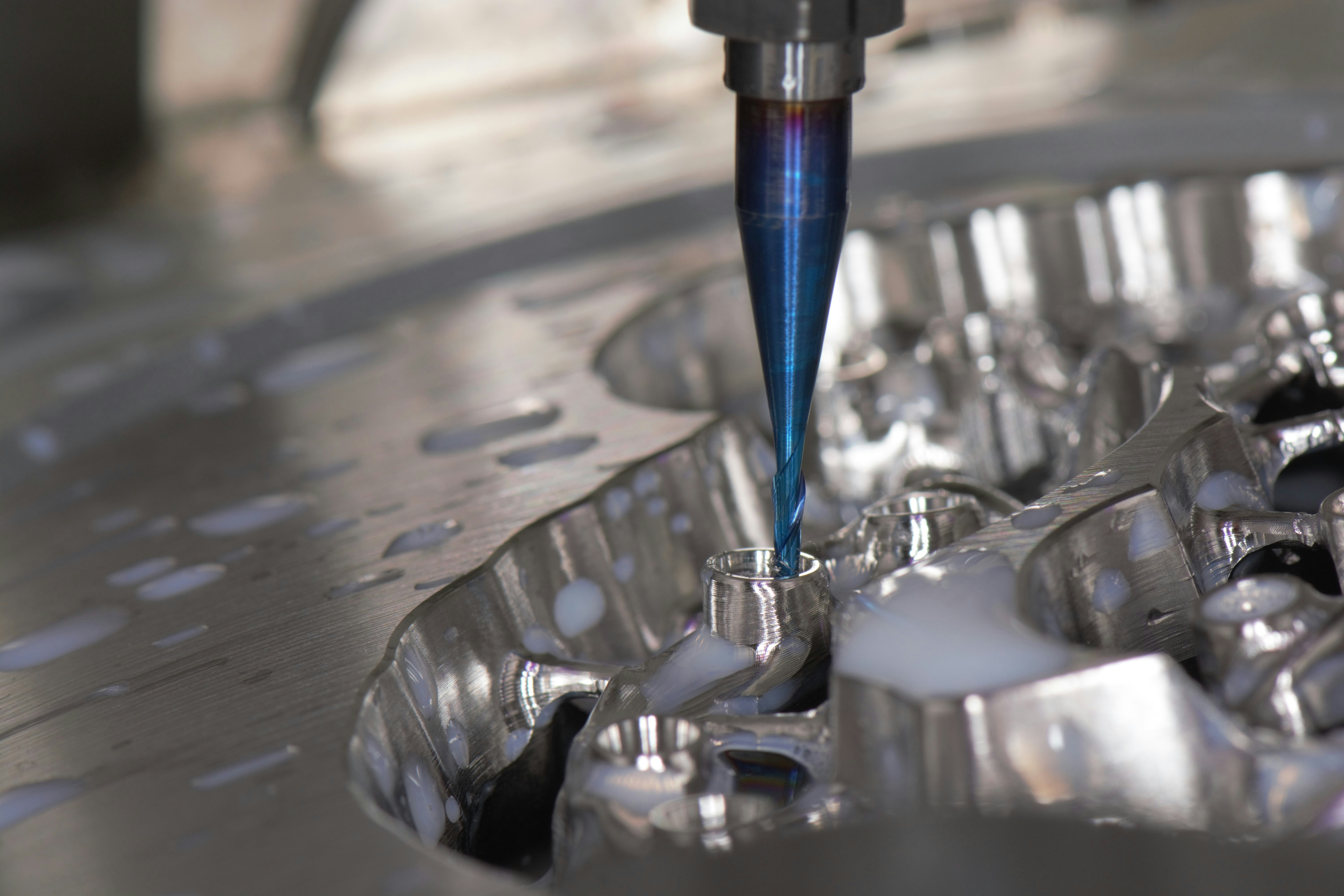
Introduction to Swiss Machining
Swiss machining, also known as Swiss turning, is a specialized manufacturing process that has garnered attention for its ability to produce high-precision components with intricate geometries. Originating in Switzerland in the late 19th century, this method has evolved into a cornerstone of modern precision engineering. The technique initially focused on watchmaking but has since expanded to cater to various industries, including aerospace, medical devices, and automotive manufacturing.
At the heart of Swiss machining is a unique mechanism that allows for the simultaneous movement of both the cutting tool and the workpiece. Unlike traditional machining methods, where the workpiece is fixed while the tool moves, Swiss machines employ a sliding headstock that feeds the material into the cutting zone. This approach enables the production of extremely small and precise parts, sometimes as small as 0.5 mm in diameter, with a high degree of accuracy and repeatability. The combination of rotary and linear movement effectively minimizes vibration, resulting in superior finishes and better tolerances.
Additionally, Swiss machining is characterized by its ability to handle complex shapes and tight tolerances. The integration of multiple processes—like turning, milling, and drilling—within a single setup reduces the need for secondary operations, thereby streamlining production and reducing lead times. This versatility positions Swiss machining as a preferred method for components requiring intricate details, such as those found in medical implants or intricate mechanical devices.
The advantages of Swiss machining extend beyond precision; it also promotes efficient material usage, reducing waste and overall manufacturing costs. As industries increasingly demand high-quality, low-volume production, Swiss machining offers an ideal solution, making it a vital component in contemporary engineering practices.
How Swiss Machining Works
Swiss machining is an innovative manufacturing process primarily utilized for producing small, precise components. At the heart of this method lies the Swiss lathe, a unique tool that distinguishes it from traditional lathe operations. Unlike conventional lathes, where the workpiece rotates while the cutting tool remains stationary, Swiss lathes employ a fixed workpiece. Instead, it utilizes a sliding headstock that advances in sync with the cutting tool, enabling the machining of intricate parts with exceptional accuracy.
This process is particularly advantageous for producing high-volume runs of complex parts typically required by industries like medical, automotive, and electronics. One of the critical components of Swiss machining is the tooling, which consists of various cutting tools designed for specific tasks such as drilling, milling, or turning. The versatility of the tooling allows for multiple operations to be performed in a single cycle, enhancing efficiency by minimizing the need for tool changes and handling interruptions.
Material handling in Swiss machining is equally crucial. The method often uses long cylindrical bars of metal or plastic, which are fed into the lathe. This continuous feed process is essential for maintaining production flow and ensuring that materials are utilized efficiently with minimal waste. The design of the Swiss lathe, combined with advanced CNC technology, allows for real-time adjustments to be made during the milling process, adapting to variances in material properties or design specifications.
In summary, Swiss machining stands out due to its precise mechanics and efficiency. By leveraging the capabilities of the Swiss lathe, specialized tooling, and streamlined material handling, manufacturers can produce highly complex components with unparalleled accuracy and repeatability. This innovative approach positions Swiss machining as a key player in precision engineering, setting a standard in the industry.
Advantages of Swiss Machining Services
Swiss machining services offer numerous advantages that set them apart from traditional machining methods. One of the most significant benefits is improved precision. Swiss machining utilizes a unique approach known as sliding headstock technology, which allows for continuous rotation of the workpiece. This innovative technique enables the production of intricate parts with extremely tight tolerances, making it ideal for industries requiring high-precision components, such as aerospace, medical, and automotive.
Another remarkable advantage of Swiss machining is its capability to handle complex geometries. Unlike conventional machining methods that may struggle with intricate designs, Swiss machining excels in creating parts with intricate shapes and features. This versatility allows manufacturers to meet the demands of modern engineering projects that often require elaborate designs, significantly broadening the scope of applications for Swiss machining services.
Efficiency is also a key benefit of utilizing Swiss machining services. The automated nature of the process allows for rapid production runs, reducing cycle times and increasing overall productivity. In contrast, traditional machining methods may necessitate longer lead times due to their manual setups and changing processes for different part configurations. Swiss machining streamlines production, which is not only beneficial for manufacturers but also for clients seeking timely delivery of their components.
Furthermore, Swiss machining contributes to reduced material waste. The design of Swiss lathes allows for more efficient use of raw materials, minimizing scrap production during the machining process. This eco-friendly aspect aligns with the growing emphasis on sustainability in manufacturing, making Swiss machining a responsible choice for businesses aiming to reduce their environmental impact.
In comparison to other machining techniques, the advantages of Swiss machining services, such as enhanced precision, the ability to manage complex designs, increased efficiency, and reduced waste, clearly illustrate its superiority in specific applications. As industries continue to evolve, the demand for precise and efficient manufacturing solutions will only bolster the position of Swiss machining services in the global market.
Applications of Swiss Machining
Swiss machining, renowned for its precision and efficiency, is employed across various industries, demonstrating its versatility and critical role in producing high-quality components. One of the most significant fields utilizing Swiss machining is the medical device industry. In this sector, components such as surgical instruments, implantable devices, and intricate orthopedic parts are manufactured with utmost precision, ensuring reliability and safety for patients. The stringent regulatory standards in healthcare necessitate the use of advanced machining methods like Swiss machining, which can achieve the tight tolerances required for successful medical applications.
Another industry that benefits from Swiss machining is aerospace. The production of aircraft components, such as landing gear parts and engine components, demands exceptional precision due to the safety-critical nature of these elements. Swiss machining allows for the creation of complex geometries while maintaining high dimensional accuracy, essential for meeting rigorous aerospace standards. This ensures not only the functionality of the components but also contributes to the overall safety of aircraft operations.
The automotive industry also relies heavily on Swiss machining for producing a wide array of parts, including fuel injectors, valve guides, and other intricate components critical for vehicle performance. The need for lightweight yet strong materials in modern vehicles makes Swiss machining an ideal choice, as it can work with a variety of materials while maintaining the quality and precision necessary for efficient automotive engineering.
Lastly, the electronics industry utilizes Swiss machining for producing tiny components such as connectors, connectors pins, and components for circuit boards. In this fast-paced sector, where technology evolves rapidly, the ability to produce high-precision, compact parts quickly is paramount. As the demand for miniaturization in electronics increases, so does the reliance on precision engineering methodologies like Swiss machining.
Choosing the Right Swiss Machining Service Provider
Selecting the appropriate Swiss machining service provider is pivotal for achieving precision engineering outcomes that meet your specific project requirements. To begin, consider the provider’s experience in the industry. A seasoned company often possesses a wealth of knowledge in various applications, which can prove invaluable when addressing unique challenges during the machining process. Look for firms that have a proven track record with projects similar to yours, as their expertise is likely to ensure the successful execution of your machining needs.
Equally important is the technology employed by the Swiss machining service provider. The use of advanced machinery and up-to-date software solutions is essential to achieving high levels of precision. As such, inquire about the types of machines utilized in operations, along with their capabilities. Providers that continually invest in state-of-the-art technology are generally better positioned to meet rigorous quality standards and adapt to evolving industry demands.
Certifications also play a significant role in the selection process. Ensure that the provider adheres to relevant industry standards, such as ISO certifications. These certifications signify that the company follows best practices and has undergone rigorous evaluations, thus enhancing their credibility. Additionally, evaluating customer service is crucial; a provider should be responsive, communicative, and willing to collaborate throughout the project.
Lastly, assess the machining company’s ability to meet your specific project requirements. This may involve discussions about material compatibility, tolerances, and production timelines. A good provider will have the flexibility to adapt to your needs and offer tailored solutions. By keeping these factors at the forefront of your decision-making process, you can confidently select a Swiss machining service provider that aligns with your project goals and expectations.
Common Materials Used in Swiss Machining
Swiss machining is renowned for its precision and versatility, making it a favored method in a range of manufacturing processes. The choice of materials is crucial in Swiss machining, influencing the overall outcome in terms of quality, durability, and suitability for specific applications. Among the most common materials utilized in Swiss machining are metals, such as stainless steel, aluminum, and brass, along with various plastics. Each material exhibits unique properties that make them ideal candidates for Swiss machining operations.
Stainless steel, particularly known for its excellent corrosion resistance and high strength, is a preferred choice in industries such as aerospace and medical manufacturing. Its ability to withstand extreme conditions and demanding environments makes it invaluable for components that require enhanced durability. Swiss machined parts made from stainless steel often feature a high level of accuracy and finish, fulfilling the exacting standards required in these sectors.
Another widely used material in Swiss machining is aluminum, which is celebrated for its lightweight nature and excellent machinability. This metal is particularly advantageous in automotive and consumer product applications where reducing weight is a priority. The superior thermal and electrical conductivity of aluminum also allows for a variety of applications, and when accurately machined, can create components with tight tolerances.
Brass, known for its machinability and aesthetic appeal, is frequently chosen for Swiss machining in applications like plumbing fittings and electronic components. The alloy’s excellent workability and resistance to corrosion enhance its performance in various environments.
Beyond metals, a range of plastics are also suitable for Swiss machining, including materials like nylon and acetal. These plastics offer benefits such as reduced weight, lower friction, and resistance to chemical exposure, making them ideal choices for housing, gears, and other intricate components.
In summary, the materials chosen for Swiss machining play a significant role in the effectiveness and efficiency of the manufacturing process. Understanding the properties of these materials is essential for selecting the appropriate option based on desired end-use requirements.
Cost Considerations in Swiss Machining
Swiss machining, known for its precision and efficiency, involves various cost factors that can significantly influence the overall pricing of machining services. Understanding these factors is crucial for businesses considering Swiss machining for their components. The primary elements affecting costs include materials, tooling, labor, and production volume.
Material costs can vary widely depending on the type of metal or plastic being machined. Common materials used in Swiss machining include aluminum, stainless steel, and various alloys. The choice of material not only impacts the cost but also the performance characteristics of the finished product. Selecting the right material is essential for balancing cost with desired product attributes.
Tooling is another significant expense in Swiss machining. The precision of the machining process requires specialized cutting tools, which come at a premium. The initial investment in high-quality tools ensures better performance and lower wear and tear over time, leading to overall cost savings in the manufacturing process. Companies often factor in the lifecycle of tooling to determine the return on investment when utilizing Swiss machining services.
Labor costs also play a vital role in the pricing structure of Swiss machining. Highly skilled technicians operate the CNC machines, and their expertise is essential for achieving the precision that Swiss machining is renowned for. While skilled labor may incur higher upfront expenses, it contributes to improved efficiency and quality, ultimately benefiting production outcomes.
Lastly, production volume significantly affects costs in Swiss machining services. Generally, higher volumes can lead to reduced per-unit costs due to economies of scale. Therefore, businesses should consider their production needs carefully when opting for Swiss machining, as this choice can greatly influence the overall cost-effectiveness of the process.
In conclusion, when evaluating Swiss machining services, it is essential to analyze these cost factors carefully, weighing the material, tooling, labor, and production volume against the long-term value that precision engineering can provide.
Future Trends in Swiss Machining Technology
The landscape of Swiss machining technology is on the cusp of significant evolution, driven by emerging trends and innovations that promise to redefine precision engineering. One of the foremost trends is the integration of automation into Swiss machining processes. As manufacturers look to enhance efficiency and reduce production times, automated systems featuring robotics and artificial intelligence are gaining traction. These advancements allow for higher levels of accuracy and throughput, ultimately leading to a more streamlined machining workflow.
Additionally, the concept of Industry 4.0 is making substantial inroads into Swiss machining. This fourth industrial revolution emphasizes connectivity, data exchange, and smart manufacturing. Machines equipped with IoT (Internet of Things) capabilities can now communicate in real-time, enabling predictive maintenance and optimizing machine performance. This interconnected approach not only boosts productivity but also enhances the decision-making process within engineering teams, fostering a more agile manufacturing environment.
Material innovation also plays a crucial role in shaping the future of Swiss machining technology. The introduction of advanced materials, such as composites and specialized alloys, is expanding the possibilities of what can be achieved in precision engineering. These materials often come with enhanced properties, including higher strength-to-weight ratios and improved machinability, allowing manufacturers to create components that meet stringent quality standards while also being more sustainable.
Lastly, sustainability initiatives are becoming increasingly vital in the discussions surrounding modern machining practices. Swiss machining services are now focusing on reducing waste, conserving energy, and utilizing eco-friendly materials. Practices such as recycling machining fluids and optimizing cutting parameters to decrease energy consumption are gaining importance. These advancements not only align with global sustainability goals but also indicate a shift towards a more responsible approach in the engineering sector.
Conclusion
In assessing the impact of Swiss machining services, it becomes apparent that these advanced manufacturing techniques play a critical role in today’s industrial landscape. Swiss machining is synonymous with precision engineering, characterized by its ability to produce highly intricate components with exceptional accuracy. This level of detail is essential for a myriad of sectors, including aerospace, automotive, medical devices, and electronics, where even the slightest deviation can result in significant inefficiencies or failures.
The continual growth of Swiss machining services highlights their importance in addressing the evolving demands of these industries. Enhanced capabilities, such as multi-axis machining and the ability to work with a wide range of materials, have solidified their position as a preferred choice for manufacturers seeking reliability and exceptional quality. Moreover, the advanced technology employed in Swiss machining ensures shorter production times while maintaining a high level of craftsmanship.
As manufacturers pursue greater efficiencies and strive for innovation, the role of precision engineering through Swiss machining services is likely to become even more significant. The emphasis on quality, combined with the reduction of waste and cost-effectiveness, makes Swiss machining an attractive option for companies looking to remain competitive in a fast-paced market. The sector’s response to increased demand for customized solutions further underscores the importance of these services in a landscape where personalization is becoming the norm.
In conclusion, Swiss machining services are not merely a trend but a foundational aspect of precision engineering that stands to influence future manufacturing practices considerably. Their relevance will likely expand as industries continue to seek innovative solutions to meet rigorous production standards, reaffirming their vital role in shaping the future of manufacturing processes across various sectors.
**mitolyn reviews**
Mitolyn is a carefully developed, plant-based formula created to help support metabolic efficiency and encourage healthy, lasting weight management.