
Introduction to Aluminum Machining
Aluminum machining refers to the processes involved in shaping and fabricating aluminum to meet specific design requirements. Utilizing various techniques such as milling, turning, drilling, and grinding, manufacturers can create precision components from aluminum stock. This metal has garnered popularity across diverse industries including aerospace, automotive, and consumer goods due to its unique properties. Understanding aluminum machining is crucial for realizing the material’s full potential and achieving optimal results in manufacturing processes.
One of the most remarkable characteristics of aluminum is its lightweight nature. Weighing approximately one-third of steel, aluminum reduces overall product weight while maintaining structural integrity. This property is especially desirable in sectors like aerospace and automotive, where weight reduction can lead to improved fuel efficiency and performance. Furthermore, the lightweight characteristic allows for easier handling and manipulation during the machining processes, contributing to increased production efficiencies.
Another significant attribute of aluminum is its impressive corrosion resistance. The formation of a natural oxide layer on its surface protects the material from oxidation and deterioration, making it suitable for applications in harsh environments or where exposure to moisture is prevalent. This resistance to corrosion not only extends the longevity of the machined components but also reduces the need for additional surface treatments, streamlining the manufacturing workflow.
Aluminum’s malleability contributes significantly to its machinability. This means it can be easily shaped without breaking or cracking, allowing machine operators to achieve intricate designs and complex geometries. The ability to manipulate the material with precision plays a pivotal role in creating high-quality components that meet stringent industry standards. Given these advantageous properties, efficient aluminum machining remains integral for modern manufacturing practices, aiding in the production of lightweight, durable, and resistant parts for various applications.
Types of Aluminum Alloys Used in Machining
Aluminum alloys are typically categorized into two main groups: wrought and cast alloys. The distinction is based on how the material is processed and ultimately influences its machinability. Within these groups, aluminum alloys are further classified by a numerical system based on their composition. For instance, the 1000 series alloys, including alloys like 1050 and 1100, are pure aluminum with a minimum 99% content. These alloys exhibit excellent corrosion resistance and high thermal and electrical conductivity, making them suitable for applications requiring high malleability and formability. However, their lower strength limits their use in structural applications.
On the other hand, the 2000 series alloys, such as 2024 and 2011, contain copper as the principal alloying element. These materials are known for their high strength-to-weight ratio but are less resistant to corrosion compared to their 1000 series counterparts. Despite this, their machinability is elevated, often used in aerospace and automotive applications where strength is paramount.
Additionally, the 6000 series, which includes alloys like 6061 and 6063, combines magnesium and silicon, providing a safe balance between strength, weldability, and corrosion resistance. These alloys are commonly employed in structural applications and can be easily machined, shaped, and anodized for enhanced aesthetics and protection. The machining of 6000 series alloys is often marked by favorable chip formation and finish quality, which is crucial for those in fabrication environments.
Understanding the specific properties of aluminum alloys is vital for machinists and engineers when selecting materials for various applications. The distinct attributes of each alloy type impact the machining parameters such as tool selection, cutting speed, and feed rates, ultimately affecting the efficiency and quality of the machining process.
Machining Techniques for Aluminum
Aluminum machining encompasses a range of techniques designed to shape and finish aluminum components with precision. Among the most prevalent methods are milling, turning, drilling, and grinding, each employing specific tools and machines optimized for aluminum’s unique properties.
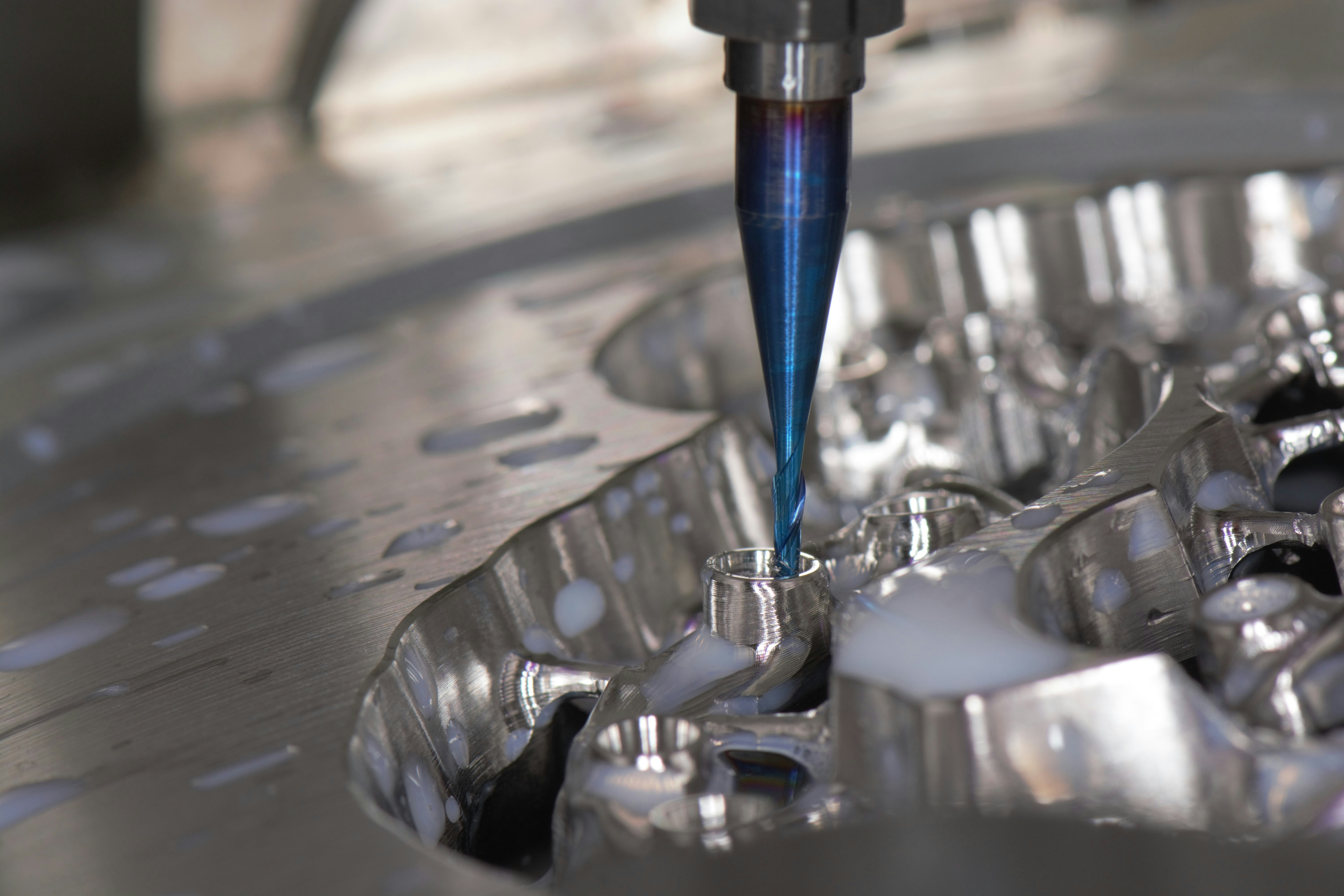
Milling is a widely used technique in aluminum machining, utilizing a rotating cutting tool to remove material. The process can accommodate complex geometries, making it ideal for fabricating intricate parts. Tools such as end mills and face mills are common, with high-speed steel and carbide being popular materials due to their effectiveness against aluminum’s softness. Considerations for milling aluminum include maintaining appropriate feed rates and cutting speeds to prevent overheating and tool wear, as aluminum can chip easily without proper technique.
Turning is another essential technique, particularly for producing cylindrical parts. This process involves rotating the aluminum workpiece against a stationary cutting tool. The lathe is the principal machine used for turning operations. When machining aluminum, it’s crucial to utilize sharp tools and establish a stable setup to minimize vibrations, which can compromise the accuracy of the finished product. Coolants can also be employed to enhance tool life and surface finish.
Drilling is utilized for creating holes in aluminum components, with the precision of the hole’s diameter being paramount. Twist drills are commonly used, and it’s important to select the right type, such as high-speed steel or carbide-tipped drills, to minimize burring and ensure clean holes. Proper peck drilling tactics can be beneficial, especially for thicker materials. Lastly, grinding serves to achieve tighter tolerances and superior surface finish; however, the use of specialized grinding wheels designed for aluminum is advised to avoid clogging.
In summary, understanding the various machining techniques—milling, turning, drilling, and grinding—along with the specific requirements for aluminum, is vital for achieving optimal results in aluminum machining. Each method has its particular characteristics and challenges, emphasizing the need for skilled handling and appropriate tool selection to ensure efficiency and quality in the machining process.
Tool Selection for Aluminum Machining
Choosing the appropriate tools for aluminum machining is critical to achieving optimal performance and extending tool life. The unique properties of aluminum, such as its softness and high thermal conductivity, necessitate specific considerations in tool selection. Key factors influencing the choice of cutting tools include the type of material, the coating, and the geometry of the tools employed.
Aluminum machining typically utilizes high-speed steel (HSS) or carbide cutting tools. The latter is commonly preferred due to its accelerated cutting capabilities, higher wear resistance, and ability to maintain sharp edges over longer periods. The geometry of the cutting tool plays a crucial role as well; tools designed with larger flutes help in the efficient removal of chips, which is essential for preventing clogging during production.
Coatings are another vital aspect in tool selection that greatly enhance machining performance. Tools coated with titanium nitride (TiN) or titanium aluminum nitride (TiAlN) can reduce friction and improve wear resistance, making them exceptionally suited for aluminum machining. These coatings not only extend tool life but also contribute to better surface finishes on machined parts.
Furthermore, the design of the tool impacts functionalities such as cutting stability and overall precision. Sharp cutting edges facilitate smoother cuts, while specific flute designs allow for better chipflow management. It is also important to consider the feed rate and cutting speed, which should be adjusted according to the size and specifications of the tool being employed.
In conclusion, selecting the right tools for aluminum machining involves evaluating the material, coatings, and geometrical features that contribute to cutting efficiency and longevity. Understanding these factors equips machinists with the knowledge they need to make informed decisions that enhance both productivity and the quality of their machined components.
Challenges in Aluminum Machining
Aluminum machining presents a unique set of challenges that can affect the quality of the finished product and the efficiency of the machining process. One of the foremost challenges is chip formation. Due to aluminum’s ductility, it tends to form long, continuous chips, which can lead to both operational inefficiencies and potential damage to the workpiece. Proper chip management is essential; implementing chip breakers or modifying cutting parameters can significantly alleviate this problem, ensuring that chips are shorter and more manageable.
Another significant issue is workpiece distortion. As aluminum is both lightweight and prone to thermal expansion, it can easily deform during the machining process. This distortion often results from uneven cutting pressures or overheating, which can lead to inaccuracies in the final dimensions of the component. To minimize workpiece distortion, it is essential to use appropriate clamping methods and consider the machining sequence carefully. Maintaining consistent cooling through the use of cutting fluids or air cooling can also help keep temperatures stable and prevent deformation.
Tool wear is yet another challenge encountered during aluminum machining. Although aluminum is generally considered kinder to cutting tools compared to harder materials, the high-speed machining common in aluminum applications can lead to rapid tool wear. The main factors contributing to tool wear include incorrect tool selection, unsuitable cutting speeds, and lack of effective lubrication. To enhance tool life, selecting the right tools made from durable materials, optimizing cutting parameters, and implementing proper lubrication techniques will prove beneficial. Regular monitoring and replacement of tools are advisable to maintain machining accuracy.
By recognizing these challenges, manufacturers can take proactive steps to optimize their aluminum machining processes. Implementing best practices can not only mitigate potential issues but also enhance productivity and the quality of the end product.
Cooling and Lubrication in Aluminum Machining
In aluminum machining, the significance of effective cooling and lubrication cannot be overstated. These processes not only enhance the machinability of aluminum but also play a crucial role in extending tool life and improving the surface finish of the machined components. Various cooling methods are employed, each with its unique advantages and applications.
One commonly used method is flood cooling, which involves the continuous flow of cutting fluid to the machining area. This approach effectively dissipates heat generated during cutting, thereby reducing the temperature of both the workpiece and the cutting tool. By maintaining optimal temperatures, flood cooling significantly minimizes thermal distortion and helps achieve superior surface finishes. Additionally, it aids in the removal of chips, preventing them from interfering with the machining operation.
Another technique is mist cooling, which utilizes a spray of cutting fluid in aerosol form. This method offers several benefits, particularly in reducing fluid consumption while still providing adequate cooling and lubrication. Mist cooling is particularly effective for high-speed machining operations, allowing for better visibility and access to the cutting area. This type of cooling method can also help reduce the environmental impact of machining operations, as it typically involves less waste of cutting fluids.
Alternatively, dry machining strategies have gained popularity in specific applications where the use of cutting fluids is limited or entirely avoided. This technique relies on cutting tool designs that incorporate advanced materials or coatings, enabling effective heat management without the need for additional lubrication. While dry machining can reduce setup times and minimize costs related to fluid disposal, it is essential to ensure that the selected tooling and parameters are suitable for the specific aluminum alloy being processed.
In conclusion, the effective application of cooling and lubrication methods in aluminum machining directly influences both the quality of the machined product and the lifespan of the cutting tools. Understanding the various cooling techniques and their implications can help machinists make informed decisions to optimize their operations.
Quality Control and Inspection in Aluminum Machining
Quality control and inspection are integral components of the aluminum machining process, ensuring that the final products meet specified standards and client expectations. The significance of maintaining high-quality levels is underscored by the growing demand for precision-fabricated components in various industries, including aerospace, automotive, and electronics. Effective quality control incorporates multiple inspection techniques to validate the dimensions, surface finish, and structural integrity of machined parts.
Dimensional inspection is one of the primary methods used in quality control for aluminum machining. This technique verifies that the machined components conform to the design specifications, which is critical for ensuring proper fit and functionality. Calipers, micrometers, and coordinate measuring machines (CMM) are commonly employed tools that facilitate accurate measurements of critical dimensions. These tools help detect deviations from tolerances that may compromise the performance of the finished product.
Surface finish measurements also play a vital role in quality control. The finish of a machined part can significantly influence its performance, particularly in applications where friction and wear are factors. Techniques such as profilometry and visual inspection allow manufacturers to assess surface roughness and identify defects like burrs, scratches, or inconsistencies that could affect the overall quality of the component.
In addition to the aforementioned methods, non-destructive testing (NDT) techniques are vital for evaluating the internal structure of aluminum components without causing damage. Techniques like ultrasonic testing, radiography, and dye penetrant testing can reveal hidden flaws such as cracks or voids that may not be visible externally but could lead to failure during service.
Furthermore, the implementation of statistical process control (SPC) serves to enhance quality management throughout the aluminum machining process. By collecting data and applying statistical methods, manufacturers can monitor variations in production and initiate corrective actions before defects occur. This proactive approach contributes to maintaining high quality standards throughout the machining process.
Applications of Machined Aluminum Parts
Machined aluminum parts are highly valued across multiple industries due to their unique properties and versatility. One of the most prominent applications can be found in the automotive industry, where aluminum is used to manufacture components such as engine blocks, transmission housings, and chassis parts. The lightweight nature of aluminum allows for enhanced fuel efficiency and improved vehicle performance while maintaining structural integrity, which is essential in today’s increasingly eco-conscious market.
Another significant sector utilizing machined aluminum is aerospace. Aircraft components, including brackets, hinges, and structural frames, often incorporate aluminum due to its excellent strength-to-weight ratio and resistance to corrosion. The aviation industry requires materials that can withstand extreme conditions without adding excessive weight, making aluminum an ideal choice for aircraft design and manufacturing. The use of machined aluminum not only contributes to lower operational costs by improving fuel economy but also enhances safety through its durability.
The electronics industry also heavily relies on machined aluminum parts, particularly in the production of housings, heat sinks, and brackets for various devices. Aluminum’s ability to dissipate heat efficiently is crucial in electronic applications, where overheating can lead to device failure. By incorporating machined aluminum components, manufacturers benefit from improved thermal management and, by extension, a prolongation of the lifespan of electronic devices.
Lastly, consumer products such as kitchen appliances, sports equipment, and furniture often feature machined aluminum because of its aesthetic appeal and functionality. The material lends a modern touch while offering high durability and resistance to wear and tear. Overall, the diverse applications of machined aluminum parts across industries are a testament to their unmatched performance advantages and adaptability.
Future Trends in Aluminum Machining
The aluminum machining industry is poised for significant changes driven by advanced technological innovations and the increasing integration of Industry 4.0 principles. One of the foremost trends reshaping this field is the adoption of automation and robotics. These technologies enhance manufacturing efficiencies by reducing cycle times and minimizing human error, allowing for precision in aluminum components that was previously unattainable.
Additionally, the rise of CNC (Computer Numerical Control) machining technologies has revolutionized aluminum machining processes. CNC machines allow for a higher degree of complexity in the shaping of aluminum products, which translates to finely crafted components tailored to meet specific requirements. With improvements in software and hardware, CNC machining is becoming more accessible to manufacturers and enabling them to produce intricate designs with enhanced accuracy. This technological shift not only boosts production capacity but also lowers operational costs, making it a favorable option for businesses.
Moreover, the integration of smart manufacturing practices under the umbrella of Industry 4.0 is crucial for the future of aluminum machining. The use of IoT (Internet of Things) devices provides real-time data collection, enabling manufacturers to monitor equipment performance and predict maintenance needs proactively. Such predictive maintenance helps in reducing downtime and optimizing machine utilization, resulting in improved operational efficiency.
Sustainability is another significant consideration for the future of aluminum machining. With an increasing focus on environmental responsibility, manufacturers are exploring greener practices, such as recycling aluminum scrap and utilizing energy-efficient machines. These initiatives not only mitigate the environmental impact but also offer cost savings in the long run.
In conclusion, the future of aluminum machining is on a trajectory towards more efficient, accurate, and sustainable practices, driven by technological innovation and strategic integration of modern principles. As the industry evolves, staying abreast of these trends will be essential for competitive advantage in the marketplace.