
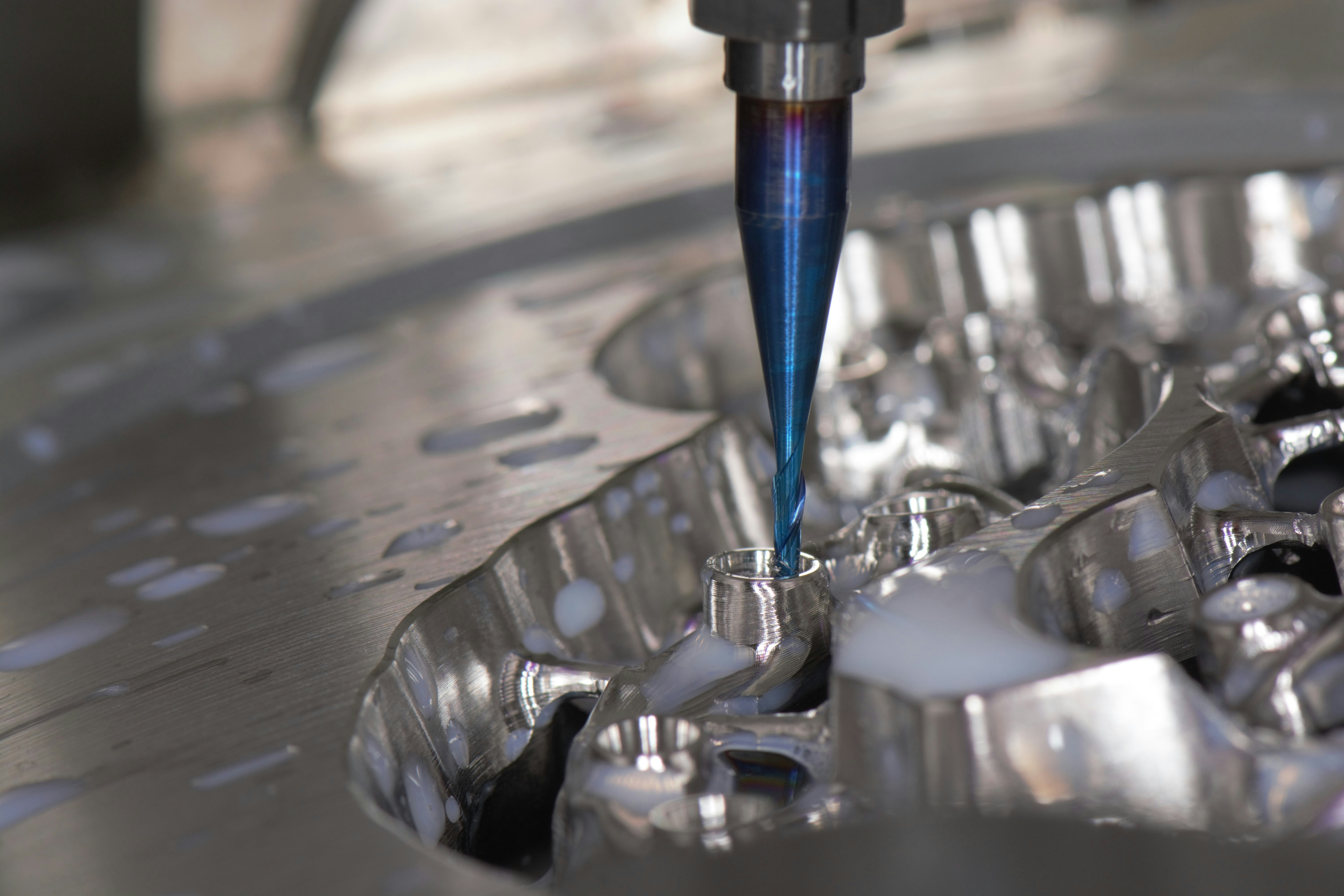
Introduction to Acrylic CNC Machining
Acrylic CNC machining is a cutting-edge manufacturing process that utilizes computer numerical control (CNC) technology to precisely shape and engrave acrylic materials. Acrylic, known for its clarity, lightweight properties, and versatility, has become increasingly popular in various applications, from signage and displays to automotive and consumer products. The use of CNC machining in working with acrylic allows for unparalleled accuracy and consistency, making it an essential method in modern manufacturing.
The properties of acrylic materials make them an ideal choice for numerous applications. Acrylic is known for its excellent optical clarity, which often surpasses that of traditional glass. This transparency, coupled with the material’s resistance to impact and UV light, makes acrylic suitable for items that require durability and aesthetic appeal. Additionally, acrylic can be easily colored, molded, and polished, allowing for a wide range of design possibilities.
One of the significant benefits of acrylic CNC machining is the ability to create intricate designs that are difficult or impossible to achieve through traditional methods. CNC machines can execute complex patterns with a high degree of precision, ensuring that manufacturers can replicate designs consistently. Furthermore, the speed of CNC machining is enhanced compared to manual fabrication techniques, significantly reducing production time without compromising quality. This efficiency can lead to lower costs and a faster time to market for products.
In summary, acrylic CNC machining is a vital process in the modern manufacturing landscape. Its ability to deliver precision and flexibility, combined with the advantageous properties of acrylic materials, positions it as a favored choice for businesses seeking innovative solutions in design and production.
Understanding Acrylic Materials
Acrylic, also known as polymethyl methacrylate (PMMA), is a versatile thermoplastic that is widely utilized in various applications, including CNC machining. Acrylic materials are primarily available in two main types: cast acrylic and extruded acrylic, each exhibiting unique characteristics that make them suitable for different projects. Cast acrylic is produced by pouring a liquid acrylic polymer into molds, allowing for superior optical clarity and a smoother finish. This type is often preferred in applications demanding high transparency and aesthetic appeal, such as signage and displays. On the other hand, extruded acrylic is manufactured by forcing acrylic through a die, resulting in a more cost-effective option with slightly lower optical clarity and a rougher surface.
In terms of sheet grades, acrylic is available in several variations, including standard, impact-resistant, and UV-resistant grades. Standard acrylic sheets are typically used for general-purpose applications, while impact-resistant acrylic is engineered to endure physical stress and reduce the likelihood of breakage. UV-resistant acrylic sheets provide added longevity, especially in outdoor settings where exposure to sunlight may lead to degradation over time.
The thickness of acrylic sheets can vary significantly, typically ranging from 1/16 inch to 1 inch. Thicker sheets offer enhanced durability and sturdiness, making them suitable for heavy-duty applications. Furthermore, acrylic is available in an array of colors and levels of transparency, providing designers and manufacturers with ample choices to meet aesthetic demands.
While acrylic presents numerous advantages, such as lightweight construction, excellent weather resistance, and ease of fabrication, it is important to recognize its disadvantages as well. It is more prone to scratching compared to materials like glass and may be affected by solvents or certain chemicals. Nonetheless, the extensive adaptability and range of applications for acrylic cement its position as a staple material in CNC machining and other industries.
The CNC Machining Process
The CNC machining process for acrylic is a sophisticated procedure that begins with design and progresses through various phases to yield a precise output. It is essential to utilize computer-aided design (CAD) software for the initial design stage. This software enables designers to create detailed 2D or 3D representations of the desired acrylic component. Once the design is finalized, the files can be exported into compatible CNC programming software, which converts the geometric data into machine-readable instructions.
Following the design, the next step involves selecting the appropriate CNC machining tools and equipment. Typically, CNC routers and CNC mills are used for acrylic machining, due to their capability to deliver high precision and excellent surface finishes. These machines are equipped with specialized cutting tools such as carbide end mills or high-speed steel (HSS) bits, which are ideal for effectively cutting through acrylic without causing damage or cracking. Proper tool selection is critical, as the wrong type can lead to inferior results.
Once the machine setup is complete, the actual machining process can commence. The operator loads the acrylic sheet onto the machine bed, aligning it with the specified coordinates. The CNC machine then reproduces the programmed design by moving the cutting tools along the designated paths. During this stage, it is vital to monitor parameters such as feed rate and spindle speed to ensure optimal cutting and minimize heat generation, which can cause melting or warping of the acrylic.
After the machining process is complete, the finished part may undergo additional procedures like polishing or sanding for enhanced aesthetics and clarity. Thorough inspection of the final product ensures dimensional accuracy and quality control before it is deemed ready for application. By adhering to these steps, professionals can achieve high-quality results in acrylic CNC machining, making it a reliable choice for various industries.
Common Applications of Acrylic CNC Machining
Acrylic CNC machining serves a wide array of applications across diverse industries, underscoring its versatility and efficiency. One of the most prevalent uses of acrylic machining is in the signage industry. With its excellent clarity and weather resistance, acrylic is often employed to create eye-catching signs for both indoor and outdoor settings. Companies favor it for its ability to be easily shaped, painted, and illuminated, resulting in visually appealing advertisements that capture consumer attention.
Another significant application can be found in the production of display cases. Retailers utilize acrylic CNC machining to create custom display units that showcase products while providing protection. The lightweight nature of acrylic, coupled with its remarkable strength, makes it an ideal choice for these cases. Additionally, the clear material allows for unobstructed views of the items, which enhances the shopping experience.
The lighting industry has also adopted acrylic CNC machining extensively. Acrylic is often used for making lenses and light diffusers, offering superior light transmission properties. This adaptability enables manufacturers to produce various lighting designs, from simple fixtures to complex architectural lighting installations. The durability and ease of fabrication of acrylic make it a favored material over glass in many cases.
Acrylic machining has made significant inroads into the automotive sector as well. Custom acrylic components are used for lighting, dashboards, and various interior elements, where a combination of aesthetics and functionality is required. The automotive industry values acrylic for its lightweight properties, which contribute to fuel efficiency while maintaining the required durability.
Finally, aerospace manufacturers often turn to acrylic CNC machining for creating components that require precise specifications and high clarity. Acrylic is used in cockpit displays and cabin windows due to its superior optical clarity and excellent resistance to impacts, enhancing operational safety and performance. The wide range of applications across these sectors highlights the significance of acrylic CNC machining in modern manufacturing.
Best Practices for Machining Acrylic
When machining acrylic, adhering to best practices is essential for obtaining optimal results and maintaining the integrity of the material. One of the primary considerations is the selection of appropriate machining speeds. Generally, acrylic should be machined at high speeds, typically ranging from 10,000 to 18,000 RPM, depending on the type of CNC machine and the specific tooling used. This high-speed machining helps achieve a clean cut while minimizing melting, which is crucial for enhancing the surface finish.
Equally important are feed rates, which should be adjusted to ensure effective chip removal while preventing material damage. A slower feed rate, usually between 50 to 200 inches per minute, is advisable as it allows for better control and less friction, thus reducing the risk of surface scorches or cracks. Additionally, it is vital to consider the type of tooling used for machining acrylic. Tools designed specifically for plastics, such as single-flute or spiral down-cut end mills, are highly recommended. These tools enable a more efficient chip removal process and help avoid the tearing or chipping of the acrylic surface.
Managing the machining environment also plays a significant role in the quality of the final product. Maintaining appropriate temperature and humidity levels can help minimize the likelihood of cracking or warping of the acrylic. Implementing coolant or air blasts during the machining process often enhances the cooling effect, mitigates the buildup of heat, and promotes a smooth finish. Furthermore, it is advisable to use protective coatings or masking to continue surface integrity, especially during handling and post-machining tasks. By adhering to these best practices, one can significantly improve the overall machining quality of acrylic parts, ensuring both precision and aesthetic appeal.
Challenges and Solutions in Acrylic CNC Machining
Acrylic CNC machining presents a unique set of challenges that can impact the quality and precision of the final product. Among the most common issues encountered are tool wear, melting of the acrylic material, and surface imperfections. Each of these challenges demands careful consideration and practical solutions to ensure optimal machining results.
Tool wear is a significant concern when machining acrylic. The properties of acrylic can cause increased friction and heat during the cutting process, which leads to quicker dulling of the cutting tools. To mitigate this problem, it is advisable to select appropriate tools designed specifically for acrylic machining. Using sharp, high-quality end mills and ensuring that tools are regularly maintained can extend their lifespan and maintain cutting efficiency.
Another prevalent challenge is the melting of the acrylic material during machining due to excessive heat generated by the cutting process. This can lead to poor surface finish and undesired dimensional changes. One effective solution to prevent melting is optimizing cutting speeds and feeds. Slower feed rates combined with higher spindle speeds can help maintain the material’s integrity while ensuring smooth cutting. Additionally, employing coolant or misting systems can effectively dissipate heat and keep the acrylic cool throughout the process.
Surface imperfections such as chips, scratches, and dull finishes can also occur during acrylic CNC machining. To address these issues, it is essential to establish proper machining parameters and make adjustments based on the specific characteristics of the acrylic material. Utilizing a vacuum system to manage chips and debris can also contribute to achieving a more refined surface finish. Implementing post-processing techniques, such as polishing or sanding, can further enhance the final appearance of the machined acrylic product.
In conclusion, by understanding the challenges associated with acrylic CNC machining and implementing strategic solutions, manufacturers can achieve high-quality outcomes while maximizing efficiency and reducing waste.
Post-Machining Techniques for Acrylic
Acrylic CNC machining allows for the creation of intricate designs and precise components; however, the finish quality of the final product heavily depends on the post-machining treatments applied. Various techniques such as polishing, flame polishing, and edge finishing are crucial in enhancing the aesthetic appeal and durability of acrylic products. Understanding these procedures is essential for anyone working with acrylic materials.
Polishing is one of the most common post-machining techniques employed to achieve a clear and glossy surface. Mechanical polishing can be conducted using a buffing wheel and polishing compounds specifically formulated for plastics. This method removes the micro-scratches typically left from the CNC machining process. The result is a smooth surface that enhances the light transmission properties of acrylic, contributing to a more visually appealing product.
Flame polishing presents another popular technique to improve the surface finish of acrylic items. This process entails passing a flame quickly over the surface of the acrylic, which melts the outer layer of the material. As the melted surface cools, it solidifies into a smooth, glass-like finish. Flame polishing not only improves the appearance by removing small imperfections but also slightly strengthens the surface by eliminating micro-cracks. However, this technique requires careful handling, as excessive exposure to the flame may cause distortion.
Edge finishing is also vital in providing a polished look to the edges of acrylic components. Various methods, such as chamfering or rounding, can be utilized to ensure that edges are not sharp or rough. These finishing techniques not only enhance the product’s aesthetic appeal but also improve safety during handling. Properly finished edges can significantly elevate the quality and marketability of acrylic items, ultimately leading to a superior product.
Case Studies: Successful Acrylic CNC Projects
Acrylic CNC machining has emerged as a powerful technique in various industries, demonstrating its versatility and efficiency through numerous successful projects. This section highlights several case studies that illustrate the effective application of acrylic CNC machining, detailing project goals, challenges, process methodologies, and the outcomes achieved.
One notable case study involved a custom display for a leading retail brand. The objective was to create an eye-catching, durable display stand for promotional materials that would stand out in-store. The challenge was to merge aesthetic appeal with structural integrity while ensuring the design could be efficiently produced through CNC machining. By utilizing acrylic sheets, the design team employed sophisticated software to create intricate patterns and shapes that highlighted the brand’s identity. The CNC machining process allowed for precise cutting and engraving, producing a stunning display that not only attracted attention but also withstood the rigors of retail use.
In another project, a local artist sought to fabricate a series of complex sculptures using acrylic. The goal was to push the boundaries of form and design, presenting a visually striking installation in an urban space. The primary challenge was translating the artist’s intricate designs into a manufacturable format. By collaborating closely with the CNC machining team, the artist was able to refine the designs for optimal production. The machining process successfully delivered the desired shapes with smooth finishes, resulting in sculptures that engaged the community and enhanced the public space.
Finally, a healthcare provider implemented acrylic CNC machining to create custom display cases for medical equipment. The goal was to showcase state-of-the-art devices in a manner that was both informative and visually appealing. Challenges included ensuring clarity for visibility and ease of access for medical staff. The CNC machining process enabled the creation of tailored solutions that met these requirements, improving the overall presentation and usability of the equipment displays.
These case studies demonstrate that acrylic CNC machining not only addresses diverse project needs but also excels in transforming ideas into practical, visually captivating solutions across various sectors.
The Future of Acrylic CNC Machining
The future of acrylic CNC machining is shaping up to be dynamic and innovative, primarily driven by advancements in technology, the introduction of new materials, and a growing emphasis on sustainability. As CNC machining techniques continue to evolve, manufacturers are increasingly able to achieve higher precision and efficiency in working with acrylic materials. Emerging technologies, such as artificial intelligence and machine learning, are optimizing CNC machining processes, thereby reducing production times and minimizing waste.
Moreover, manufacturers are exploring new materials that enhance the properties of acrylic while maintaining ease of machining. These materials may include composites that combine acrylic with other polymers or even bio-based alternatives, which not only improve strength and durability but also broaden the application scope of CNC machined acrylic products. The incorporation of additive manufacturing processes alongside traditional CNC machining can also lead to enhanced customization options, allowing for more complex and intricate designs that were previously difficult to achieve.
Sustainability is becoming an essential consideration in many manufacturing sectors, including acrylic CNC machining. The industry is focusing on reducing its environmental impact through the adoption of eco-friendly practices and materials. This involves utilizing recycled acrylic, implementing energy-efficient machinery, and promoting responsible sourcing. By aligning with sustainability goals, manufacturers can meet consumer demands for greener products, thus ensuring not only compliance with emerging regulations but also enhancing their market attractiveness.
The potential applications of acrylic CNC machining are expanding as well, with industries such as automotive, aerospace, and medical increasingly incorporating acrylic components into their processes. The evolving landscape suggests that acrylic CNC machining will play a significant role in driving innovation across various sectors in the future. This progress will likely open new avenues for collaboration and new market opportunities, setting a promising trajectory for acrylic CNC machining as a vital component of modern manufacturing.